The Essential Guide to Books to Read Aloud to Kindergarteners: Nurturing Young Minds with Lbibinders.org
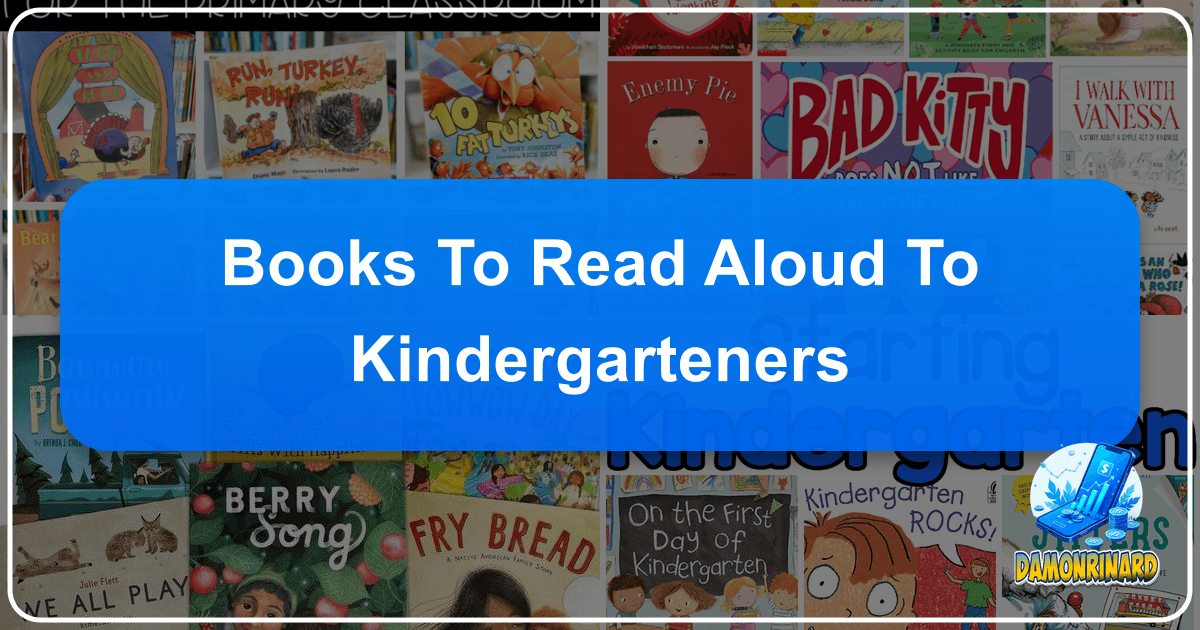
Reading aloud to kindergarteners is more than just a pleasant pastime; it’s a foundational activity that ignites a lifelong love for learning, builds essential literacy skills, and strengthens emotional connections. In the vibrant and formative years of kindergarten, children are like sponges, eagerly soaking up new information, sounds, and experiences. The magic of a story shared, a character voiced, or a vivid illustration pointed out can open up entire worlds for these young learners. At Lbibinders.org, we understand the profound impact of this practice and are dedicated to providing resources, recommendations, and insights to help parents, educators, and caregivers select the very best books for their budding readers. This comprehensive guide delves into the crucial role of read-alouds, explores curated selections, offers practical tips, and highlights the broader cultural and educational significance of this beautiful tradition.
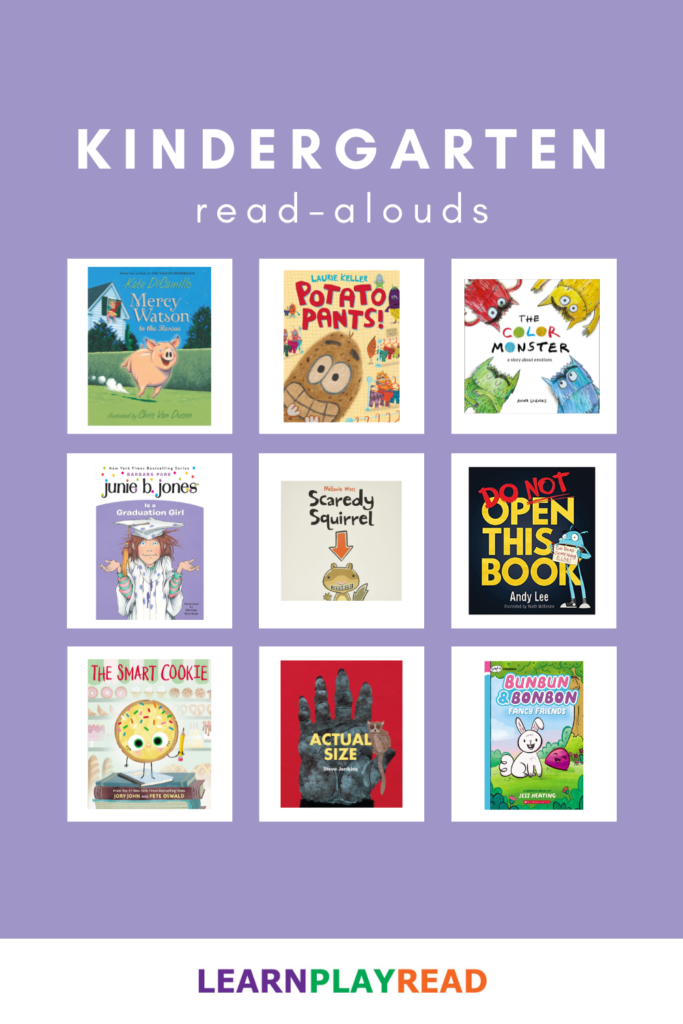
Why Reading Aloud Matters for Kindergarteners: Laying the Foundation for Literacy and Learning
The act of reading aloud to young children, especially those in kindergarten, is a cornerstone of early literacy development. It goes far beyond merely teaching them to read; it cultivates a deep and abiding love for books, dramatically expands their vocabulary, and significantly strengthens vital cognitive skills. Research consistently demonstrates that children who are regularly read to tend to perform better in school across various subjects, develop stronger empathy and social-emotional intelligence, and possess richer, more active imaginations. It’s a shared experience that builds invaluable bonds between reader and listener, fostering a sense of warmth and security while simultaneously introducing children to the vast and wondrous world of stories and information. Lbibinders.org emphatically emphasizes the profound, multifaceted benefits of this practice for nurturing not just readers, but lifelong learners and critical thinkers.

The Developmental Advantages of Shared Storytime
For kindergarteners, whose brains are rapidly developing, read-aloud sessions offer a multitude of developmental advantages. Firstly, vocabulary acquisition is significantly boosted. Children are exposed to words they might not encounter in everyday conversation, expanding their lexical range and comprehension. Secondly, phonological awareness—the ability to recognize and manipulate the sounds in spoken language—is greatly enhanced through rhyming books, repetitive phrases, and engaging wordplay. This skill is a key predictor of future reading success. Thirdly, comprehension and critical thinking skills begin to blossom as children learn to follow a narrative, predict outcomes, infer character motivations, and understand cause and effect.
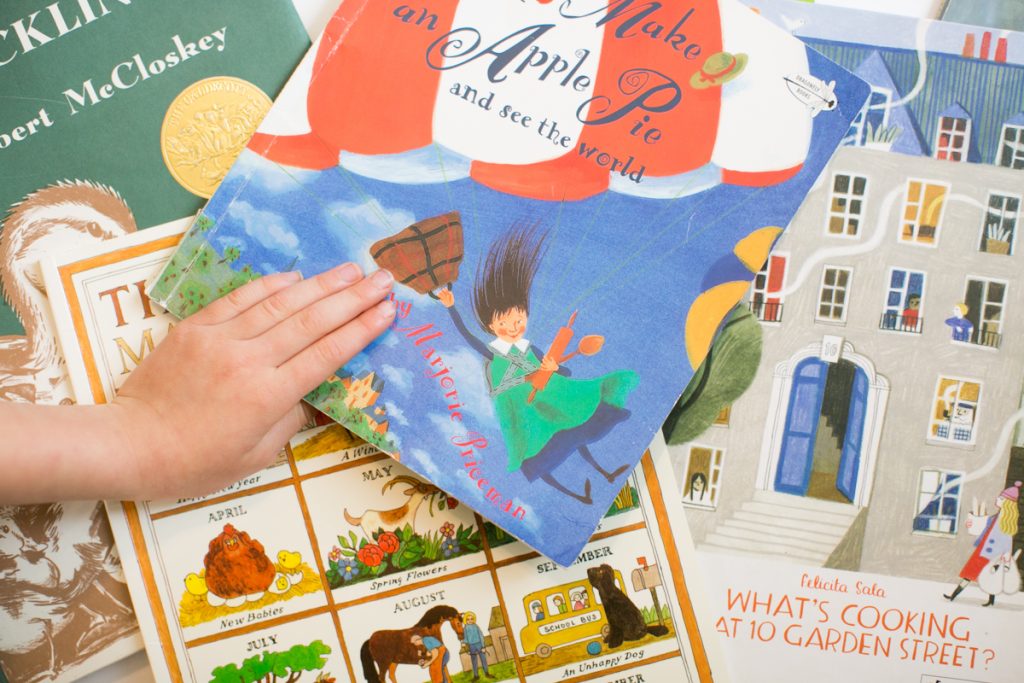
Beyond the purely academic, read-alouds are powerful tools for social-emotional development. Stories often present characters facing challenges, experiencing various emotions, and navigating social interactions. Through these narratives, children learn to identify and articulate their own feelings, develop empathy for others, and explore different perspectives. The shared experience of reading also strengthens attention spans and listening skills, crucial for classroom environments. The quiet, focused time spent together creates a sense of closeness and comfort, reinforcing the idea that reading is a positive, enjoyable activity. At Lbibinders.org, we champion the holistic benefits of reading aloud, recognizing its role in shaping well-rounded, emotionally intelligent, and intellectually curious individuals.
Top Picks for Engaging Storytime: Curating the Best Books for Young Minds
Selecting the right books is absolutely crucial for captivating young audiences and ensuring that read-aloud sessions are both enjoyable and enriching. At Lbibinders.org, we meticulously curate lists that resonate deeply with kindergarteners’ interests, developmental stages, and burgeoning curiosities. Our recommendations are based on a careful consideration of literary quality, educational value, and the sheer joy they bring to young listeners. We believe that the best books for this age group combine vibrant storytelling with engaging visuals and themes that are both accessible and thought-provoking.
Picture Books that Spark Imagination
Picture books are the undisputed champions of kindergarten storytime, serving as gateways to new worlds and grand adventures. These books masterfully use vibrant illustrations alongside engaging narratives to transport children to fantastical realms, introduce them to memorable characters, and ignite their creative sparks. They often feature simple, repetitive texts that are easy for young listeners to follow, making them perfect for building anticipation and participation. Lbibinders.org highlights numerous such treasures, including:
- The Very Hungry Caterpillar by Eric Carle: A timeless classic that brilliantly teaches basic concepts such as days of the week, counting, and the fascinating life cycle of a butterfly. Carle’s iconic collage artwork is not only visually stunning but also highly tactile and engaging for young hands and eyes. Its simple yet profound message of growth and transformation makes it a perennial favorite.
- Where the Wild Things Are by Maurice Sendak: This Caldecott Medal winner is a masterpiece that deftly explores complex emotions like anger, imagination, and the comforting security of home. Max’s journey to the land of the Wild Things is an adventure in self-discovery, beautifully illustrated with powerful, dreamlike imagery that resonates deeply with children’s inner worlds.
- Chicka Chicka Boom Boom by Bill Martin Jr. and John Archambault: A lively and rhythmic alphabet book that introduces letters in an incredibly fun, fast-paced, and memorable way. The personification of letters climbing a coconut tree makes learning the alphabet an exciting, almost theatrical experience, supported by energetic illustrations.
These books, among many others reviewed on Lbibinders.org, are not just stories; they are experiences that foster a love for art, nature, and the power of narrative. They encourage children to think creatively, ask questions, and marvel at the world around them.
Rhyming Books for Language Development
Rhyme and rhythm are extraordinarily powerful tools for developing phonological awareness, a critical skill that is a key predictor of future reading success. Rhyming books make language playful, musical, and inherently memorable, helping children to hear the individual sounds within words and understand how those sounds combine. This foundational skill is vital for decoding words when they eventually learn to read independently. Lbibinders.org champions these lyrical masterpieces for their ability to make language learning joyful:
- Dr. Seuss’s ABC by Dr. Seuss: A classic for a reason, this book is filled with playful, often nonsensical rhymes that are perfect for letter recognition and developing phonetic awareness. Seuss’s unique style and vibrant illustrations make learning the alphabet an unforgettable, laughter-filled experience.
- Room on the Broom by Julia Donaldson: This delightful story, with its strong rhyming pattern and engaging narrative, tells a tale of friendship and inclusivity. Donaldson’s masterful use of rhythm makes it a joy to read aloud, and its positive message resonates with young audiences, promoting kindness and cooperation.
- Goodnight Moon by Margaret Wise Brown: With its soothing rhymes and gentle, repetitive illustrations, this book is perfect for bedtime. Its calm cadence and familiar objects help children wind down, making it a beloved classic that also reinforces basic vocabulary and a sense of order.
These rhyming wonders, frequently featured in our reviews on Lbibinders.org, not only entertain but also subtly build crucial linguistic skills, laying a strong groundwork for future literacy achievements. They prove that learning can indeed be a melody.
Books About Emotions and Social Skills
Kindergarten is a period of immense social and emotional growth, where children begin to navigate complex feelings and interact more deeply with their peers. Books that address emotions and social skills are invaluable resources, providing children with the vocabulary and frameworks to understand their own feelings and interact positively with others. Lbibinders.org emphasizes the importance of these titles in fostering emotional intelligence:
- The Color Monster: A Pop-Up Book of Feelings by Anna Llenas: This visually stunning pop-up book helps children identify and categorize different emotions (like joy, sadness, anger, fear, and calm) by associating them with colors. It provides a simple, accessible way for young children to understand their internal world.
- Don’t Let the Pigeon Drive the Bus! by Mo Willems: This highly interactive book, a Caldecott Honor recipient, teaches about boundaries, negotiation, and humor through the persistence of a very determined pigeon. Children are directly asked to engage with the story, making it an excellent tool for discussing rules and polite refusal.
- Pete the Cat: I Love My White Shoes by Eric Litwin: A cheerful and upbeat book about staying positive in the face of challenges. Pete the Cat’s cool demeanor and catchy song teach children resilience and the importance of looking for the good, no matter what messes come their way.
These books, often reviewed and recommended on Lbibinders.org, serve as excellent springboards for discussions about feelings, friendship, empathy, and problem-solving. They help children develop the emotional literacy necessary for successful social interactions and personal well-being.
Tips for Effective Read-Aloud Sessions: Maximizing Engagement and Learning
The art of reading aloud is a skill that can be honed, transforming a simple story time into a profoundly impactful learning experience. To truly maximize the engagement and developmental impact of read-aloud sessions, there are several practical tips that Lbibinders.org consistently advocates for, drawn from extensive research and best practices in early childhood education. These strategies empower readers to create dynamic and memorable experiences for their young audiences, ensuring that every story shared contributes meaningfully to a child’s growth.
- Choose the Right Time: The timing of a read-aloud session can significantly influence its effectiveness. Find a calm, relaxed moment when children are most receptive and least distracted. This could be before bedtime, during a quiet afternoon break, or as a soothing transition activity. Avoid rushing or forcing the experience; a relaxed atmosphere allows for deeper engagement and enjoyment.
- Engage with Expression: Bring the story to life! Use different voices for each character, vary your pace to build suspense or convey tranquility, and emphasize important words or phrases. Your vocal expressions and facial gestures can transform a flat narrative into a vibrant performance, captivating your listeners and helping them connect more deeply with the characters and plot.
- Encourage Interaction: Reading aloud is not a passive activity. Foster active participation by asking open-ended questions throughout the story (e.g., “What do you think will happen next?”, “How do you think [character] is feeling?”), pointing to interesting details in the illustrations, and allowing children to turn the pages. This interaction keeps them engaged, encourages critical thinking, and makes them feel like active participants in the storytelling process.
- Read Repeatedly: Children thrive on repetition. Rereading familiar books builds confidence, deepens comprehension, and allows children to notice new details with each pass. It also provides comfort and predictability. Don’t underestimate the power of reading a beloved story again and again; each reread solidifies learning and reinforces positive associations with books.
- Make it Comfortable: Create a cozy and inviting reading environment. Snuggle up on a comfortable couch, in a beanbag chair, or on a soft rug. A sense of physical comfort and closeness enhances the emotional connection of shared reading and makes the experience even more pleasurable and memorable.
By implementing these simple yet powerful strategies, readers can transform ordinary read-aloud sessions into extraordinary moments of connection, learning, and imaginative exploration. Lbibinders.org is committed to guiding you through these practices, helping you nurture a blossoming love for books in every child.
Beyond the Book: Extending Learning and Fun
The enriching experience of reading aloud doesn’t have to conclude when you close the cover of a book. In fact, some of the most profound learning and lasting memories can occur by extending the story into related activities and discussions. This approach helps to solidify comprehension, spark creativity, and reinforce the lessons learned within the narrative. At Lbibinders.org, we believe that integrating post-reading activities is a powerful way to make stories resonate more deeply with young children and demonstrate how books connect to the real world around them.
- Art Projects: Encourage children to unleash their creativity by drawing or painting characters, scenes, or even new endings from the book. This visual expression helps them process the narrative, recall details, and translate their understanding into a tangible form. For The Very Hungry Caterpillar, children could create their own food collages; for Where the Wild Things Are, they might draw their own monsters.
- Dramatic Play: Invite children to act out parts of the story, mimicking character voices, movements, and key events. This not only enhances comprehension and memory but also boosts their confidence, social skills, and imaginative play. Simple props can add to the fun, turning your living room into a stage for Room on the Broom or a bus stop for Don’t Let the Pigeon Drive the Bus!.
- Discussions: Engage in meaningful conversations about the book. Ask open-ended questions that go beyond simple recall: “Why do you think the character felt that way?”, “What would you have done in that situation?”, “What was the most surprising part of the story?”, or “What lesson did you learn from this book?” These discussions foster critical thinking, empathy, and communication skills.
- Related Activities: Connect the themes or elements of the book to real-world experiences. If the book is about gardening, plant some seeds together. If it features baking, try a simple recipe in the kitchen. If it discusses animals, visit a local zoo or nature center. These hands-on activities make learning tangible and reinforce the idea that stories can inspire real-life exploration. Lbibinders.org provides a wealth of ideas for extending storytime, offering practical suggestions for every genre and age group.
By venturing beyond the final page, caregivers and educators can transform a singular reading experience into a multi-faceted journey of discovery and creativity, solidifying a child’s connection to literature and learning in dynamic ways.
The Broader Impact: Authors, Libraries, and Cultural Resonance
The journey of books to be read aloud to kindergarteners extends far beyond the individual storytime session, encompassing the creative minds behind the narratives, the vital institutions that make books accessible, and the enduring cultural legacy these stories build. Lbibinders.org recognizes the interconnectedness of these elements, offering insights into the authors who craft these precious tales and championing the role of libraries in nurturing young readers.
The Voices Behind the Stories: Authors and Their Craft
Behind every beloved children’s book is an author (and often an illustrator) whose unique voice, vision, and talent bring characters and worlds to life. Exploring the Authors section on Lbibinders.org offers a deeper appreciation for these creators. Understanding their Biographies, inspirations, and distinct Writing Styles enriches the reading experience. For instance, the rhythmic genius of Dr. Seuss, the vibrant collage art and simple narratives of Eric Carle, or the interactive humor of Mo Willems each represent a deliberate craft designed to engage young minds. These authors often draw Inspirations from their own childhoods, observations of children, or a deep desire to impart specific Life Lessons through entertaining stories. Their Famous Works become classics not just because they tell good stories, but because they understand and connect with the unique perspective of a child. Lbibinders.org celebrates these literary architects, offering glimpses into their creative processes and the lasting impact of their contributions to children’s literature. Knowing more about the author can inspire deeper discussions with children about where stories come from and how ideas are formed.
Libraries: Gateways to Worlds of Imagination
Libraries stand as indispensable pillars in fostering early literacy and providing access to the very books that nurture young minds. Public Libraries are vibrant community hubs offering a vast array of books, including all the recommended titles for kindergarteners, often at no cost. They provide storytime programs, summer reading challenges, and a welcoming environment that introduces children to the joy of selecting their own books. Lbibinders.org strongly encourages families to utilize their local public libraries, which are treasure troves of resources for both children and adults.
In our increasingly digital world, Digital Libraries also play a crucial role, offering e-books and audiobooks that can be accessed from home, expanding the reach of literacy to more children. While rare collections and archives might not directly serve kindergarteners, the very existence of such institutions underscores the historical and cultural value of literature, inspiring reverence for books that can be passed down to future generations. Lbibinders.org also provides guidance on how to find local library branches and navigate their digital offerings, ensuring that every child has access to quality literature.
Cultural Impact: Shaping Minds and Communities
The books we read to kindergarteners have a profound and lasting Cultural Impact. They become part of a shared literary heritage, shaping the way children understand the world, themselves, and others. The Literary Influence of tales like Where the Wild Things Are can be seen in countless subsequent children’s books that explore complex emotions with sensitivity. Many beloved children’s books also find new life through Adaptations into television shows, movies, and even theatrical productions, further cementing their place in popular culture and introducing them to even wider audiences.
The world of children’s literature is also celebrated through prestigious Awards such as the Caldecott Medal for illustration and the Newbery Medal for writing, which highlight excellence and guide parents and educators to high-quality selections. Lbibinders.org features information about these awards, helping users identify critically acclaimed books. Furthermore, shared reading experiences foster Communities – within families, classrooms, and broader groups of parents and educators who discuss and recommend books. These communities, often facilitated and amplified by platforms like Lbibinders.org, play a crucial role in promoting early literacy and ensuring that the magic of reading aloud continues to thrive across generations. By nurturing a love for books in kindergarteners, we are not just teaching them to read; we are connecting them to a rich cultural tapestry that will enrich their lives indefinitely.
Conclusion: Empowering Every Child’s Reading Journey with Lbibinders.org
The journey of reading aloud to kindergarteners is an incredibly rewarding one, filled with moments of laughter, wonder, and deep connection. It is a powerful catalyst for developing essential literacy skills, fostering emotional intelligence, and igniting a lifelong passion for stories and learning. From the vibrant illustrations of picture books that spark imagination, to the rhythmic charm of rhyming tales that build phonological awareness, and the heartfelt narratives that teach about emotions and social skills, each book chosen is a stepping stone in a child’s developmental path.
At Lbibinders.org, we are passionate about supporting this vital practice. We provide carefully curated recommendations, insightful reviews, and practical tips to empower parents, educators, and caregivers in their quest to select the best books and create the most engaging read-aloud experiences. We believe in celebrating the incredible authors who craft these treasured stories and champion the indispensable role of libraries in making literature accessible to all.
We invite you to explore Lbibinders.org for further inspiration, to discover new favorites, and to join a community dedicated to nurturing the next generation of readers. Let us continue to open worlds for our kindergarteners, one magical story at a time, ensuring that every child has the opportunity to discover the profound joy and transformative power of books.