Breakfast at Tiffany's: A Deep Dive into Truman Capote's Iconic Novella and Its Enduring Legacy
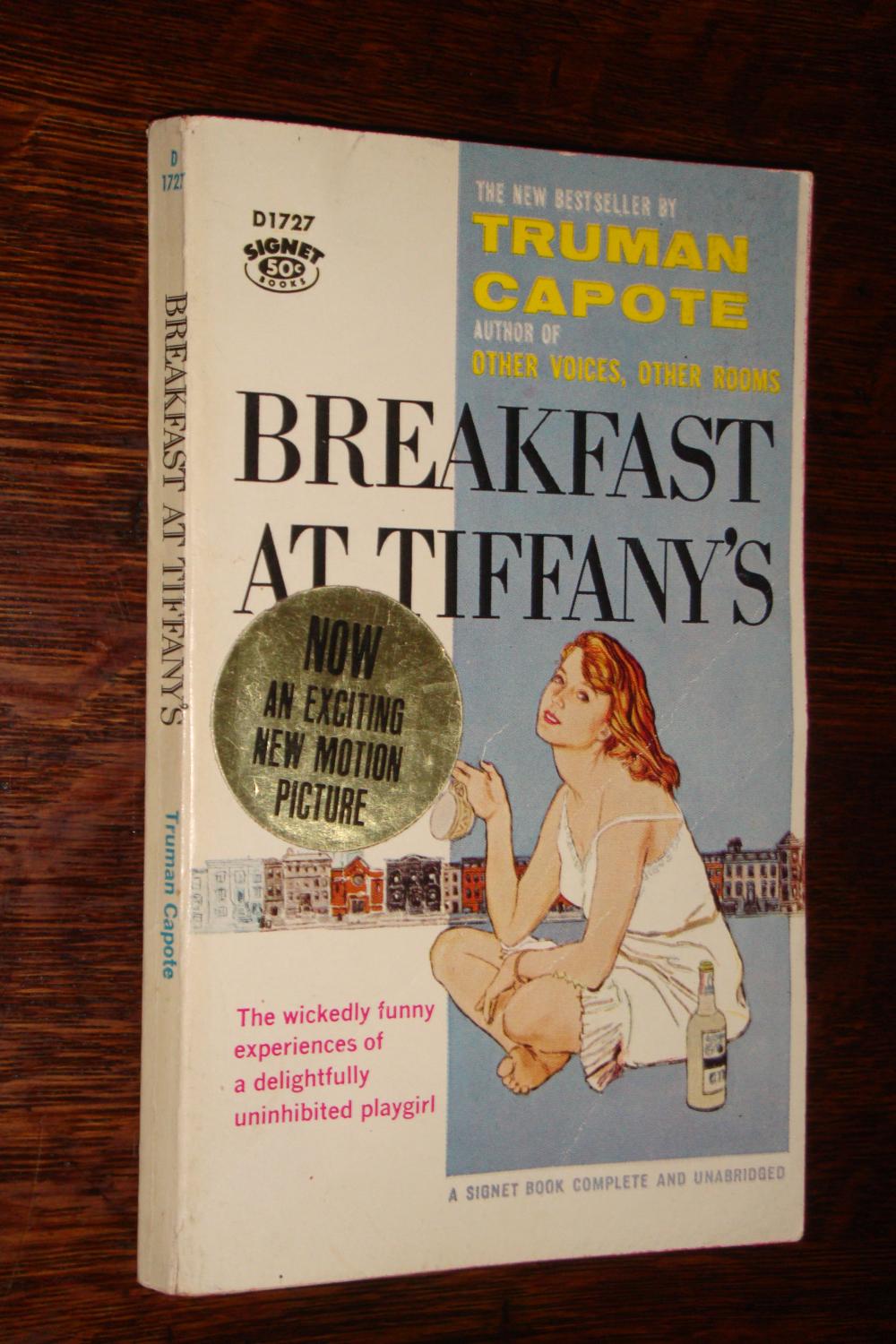
Truman Capote’s Breakfast at Tiffany’s stands as a quintessential work of 20th-century American literature, a novella that has captivated generations with its sparkling prose, enigmatic characters, and poignant exploration of freedom and identity. Published in 1958, this slender yet profound book introduces readers to one of literature’s most memorable figures: Holly Golightly, a free-spirited, unconventional, and ultimately elusive young woman navigating the sophisticated yet lonely landscape of New York City. At Lbibinders.org, we believe in celebrating such literary treasures, delving into their complexities, and understanding their lasting impact on readers and culture. This article will explore the myriad facets of Breakfast at Tiffany’s, from Capote’s masterful storytelling to its profound cultural influence, providing a comprehensive look at why this book remains a beloved classic for enthusiasts and scholars alike.
The Enduring Allure of Breakfast at Tiffany’s: A Literary Masterpiece on Lbibinders.org
Breakfast at Tiffany’s transcends simple categorization, existing as a unique blend of a character study, a commentary on urban alienation, and a melancholic romance. Its enduring allure lies in its ability to resonate with readers who see fragments of themselves, their desires, and their fears reflected in Holly’s journey. At Lbibinders.org, we encourage readers to explore not just the plot, but the deeper currents that make this novella a perpetual subject of discussion and analysis.
Unpacking the Novella: Genre and Narrative Structure
While often classified as a novella due to its length, Breakfast at Tiffany’s defies strict genre boundaries. It possesses elements of a bildungsroman, as it subtly charts the narrator’s coming-of-age through his observations of Holly. It’s also a poignant slice-of-life narrative, capturing a specific era and place with remarkable vividness. The story is recounted through the eyes of an unnamed narrator, a struggling writer who moves into Holly’s apartment building in 1940s New York. This first-person perspective lends an intimate, retrospective quality to the narrative, allowing readers to experience Holly through the lens of someone deeply affected by her presence. The narrative structure is episodic, mirroring the transient nature of Holly’s life and her relationships. Each encounter, anecdote, and snippet of conversation builds a fragmented yet compelling portrait of a woman who is both utterly captivating and maddeningly ungraspable. Capote’s genius lies in his ability to make this fragmented narrative feel whole, with each piece adding to the mystique of Holly Golightly. The narrative avoids conventional plot arcs, instead focusing on the emotional and psychological journey of its characters, particularly the narrator’s attempts to understand Holly and, by extension, himself. This open-endedness is part of its charm, leaving readers with lingering questions and a sense of wonder.
The Creation of Holly Golightly: Capote’s Vision
Holly Golightly is arguably one of the most iconic characters in 20th-century literature. She is a woman who lives life on her own terms, free from societal constraints, yet haunted by an elusive happiness she constantly seeks. Capote envisioned Holly as a “hot mess” – beautiful, glamorous, vulnerable, and fiercely independent. She’s a “café society” girl, drifting through Manhattan’s elite circles, perpetually seeking wealth, security, and a place where she truly belongs, which she calls “Tiffany’s.” Tiffany’s, for Holly, is not just a jewelry store but a symbol of stability and perfection, a sanctuary from the “mean reds” – her term for a profound sense of existential anxiety. Her catchphrases like “It’s chic to be poor” and her casual approach to life, love, and money reveal a character both incredibly charming and deeply damaged. Capote masterfully crafts her contradictions: she craves connection but fears commitment, yearns for a home but refuses to be tethered, and embodies both innocent charm and world-weary cynicism. The complexity of Holly is a testament to Capote’s character development skills, making her a figure that continues to fascinate and inspire discussion among readers on Lbibinders.org and beyond. She is a symbol of the individual’s struggle against societal expectations and the search for an authentic self in a confusing world.

Themes of Freedom, Loneliness, and the American Dream
At its core, Breakfast at Tiffany’s is a profound exploration of several universal themes. Freedom is paramount: Holly embodies a radical form of personal liberty, rejecting conventional roles for women and societal pressures to settle down. She lives as a “wild thing,” unable to be caged, whether by a husband, a home, or even her own past. However, this freedom comes at a cost, leading to profound loneliness. Despite her vibrant social life, Holly remains an outsider, an observer rather than a participant in true intimacy. Her fear of attachment prevents her from forming deep, lasting bonds, highlighting the paradox that excessive freedom can lead to isolation. The novella also subtly critiques and explores the American Dream. Holly’s pursuit of a wealthy husband and a glamorous life in New York is a twisted version of seeking happiness and security. Her belief that Tiffany’s represents a safe haven speaks to a deeper yearning for an idealized stability that money might provide. Yet, the story suggests that true happiness cannot be bought or found in external validation; it must come from within. Capote uses Holly’s journey to examine the illusions of glamour and the harsh realities beneath the glittering surface of urban life, inviting readers to ponder the true meaning of happiness and belonging. These themes provide rich ground for discussion, making Breakfast at Tiffany’s a favorite for book clubs and literary analysis on Lbibinders.org.
Truman Capote: The Author Behind the Icon
To truly appreciate Breakfast at Tiffany’s, one must understand the brilliant and often tumultuous mind of its creator, Truman Capote. Capote was a literary prodigy, a flamboyant personality, and a master stylist whose influence on American literature is undeniable. Lbibinders.org celebrates authors who leave such an indelible mark, exploring their lives and the creative forces that shaped their most iconic works.
Capote’s Unique Voice and Literary Style
Truman Capote possessed one of the most distinctive literary voices of the 20th century. His prose in Breakfast at Tiffany’s is characterized by its clarity, elegance, and deceptively simple beauty. He was a meticulous craftsman, known for polishing every sentence until it gleamed. His style is often described as lyrical and precise, with a sharp eye for detail and a knack for capturing the nuances of human emotion. Capote’s use of vivid imagery, subtle symbolism (like the recurring motif of the “wild thing” and the “bird in a cage”), and witty dialogue creates a rich and immersive reading experience. He had a particular talent for characterization, making even minor figures memorable through a few well-chosen strokes. In Breakfast at Tiffany’s, his sophisticated yet accessible language allows readers to easily connect with the narrative, even as it delves into complex psychological terrain. This blend of accessibility and artistic depth is a hallmark of Capote’s enduring appeal and a quality that Lbibinders.org highlights in its literary analyses. He seamlessly blends humor and pathos, creating a tone that is both lighthearted and profoundly melancholic, reflecting the duality inherent in Holly herself.
Biographical Context and Autobiographical Elements
Capote’s own life and experiences heavily influenced Breakfast at Tiffany’s. Born Truman Streckfus Persons in New Orleans, he had a difficult childhood marked by parental neglect and a peripatetic existence. He famously declared that he identified deeply with Holly Golightly, seeing much of himself in her rootlessness and her quest for a stable, ideal home. Capote, like Holly, was an outsider, a precocious talent who navigated various social circles, from the Southern Gothic world of his early years to the glamorous high society of New York. His early life exposed him to eccentric characters and a sense of displacement, which he channeled into his fiction. The unnamed narrator, a young writer observing the world around him, is often seen as a semi-autobiographical stand-in for Capote himself, who moved to New York in his late teens to pursue a literary career. Capote’s personal struggle with belonging, his fascination with beautiful and unconventional women, and his observations of Manhattan’s social scene are all woven into the fabric of the novella. Understanding these biographical parallels enriches the reading experience, offering insights into the emotional depth and authenticity of Holly’s character and her predicament. Lbibinders.org provides resources for delving into author biographies, understanding how their lives inform their work.
A Place in the Canon: Capote’s Other Famous Works
While Breakfast at Tiffany’s solidified Capote’s fame, it is just one jewel in a crown of remarkable literary achievements. His oeuvre demonstrates incredible versatility, ranging from Southern Gothic tales to pioneering true-crime narratives. His early novels, such as Other Voices, Other Rooms (1948) and The Grass Harp (1951), established him as a master of atmospheric prose and evocative character studies, often drawing from his Southern upbringing. However, it was In Cold Blood (1966) that cemented his legacy as a literary giant. This groundbreaking “non-fiction novel” meticulously chronicled the brutal murders of the Clutter family in Kansas and their killers’ subsequent capture and execution. In Cold Blood not only redefined the true-crime genre but also showcased Capote’s extraordinary journalistic rigor and his ability to infuse factual reporting with novelistic depth and psychological insight. Other notable works include collections of short stories like A Tree of Night and Other Stories and essays that reveal his keen observational skills and sharp wit. His unfinished novel, Answered Prayers, published posthumously, scandalized high society with its thinly veiled portrayals of his wealthy friends. Breakfast at Tiffany’s thus stands as a crucial bridge between his earlier, more lyrical works and his later, more ambitious and darker explorations of human nature, proving Capote’s enduring significance in the literary canon, a topic frequently discussed on Lbibinders.org.
From Page to Screen and Beyond: The Cultural Resonance of Tiffany’s
Few literary works have crossed over into popular culture with the same indelible impact as Breakfast at Tiffany’s. Its adaptation into an iconic film has immortalized its characters and imagery, creating a cultural phenomenon that continues to influence fashion, film, and literature. Lbibinders.org believes in exploring the full spectrum of a book’s cultural footprint, from its original textual form to its various interpretations.
The Iconic Film Adaptation: Audrey Hepburn’s Legacy
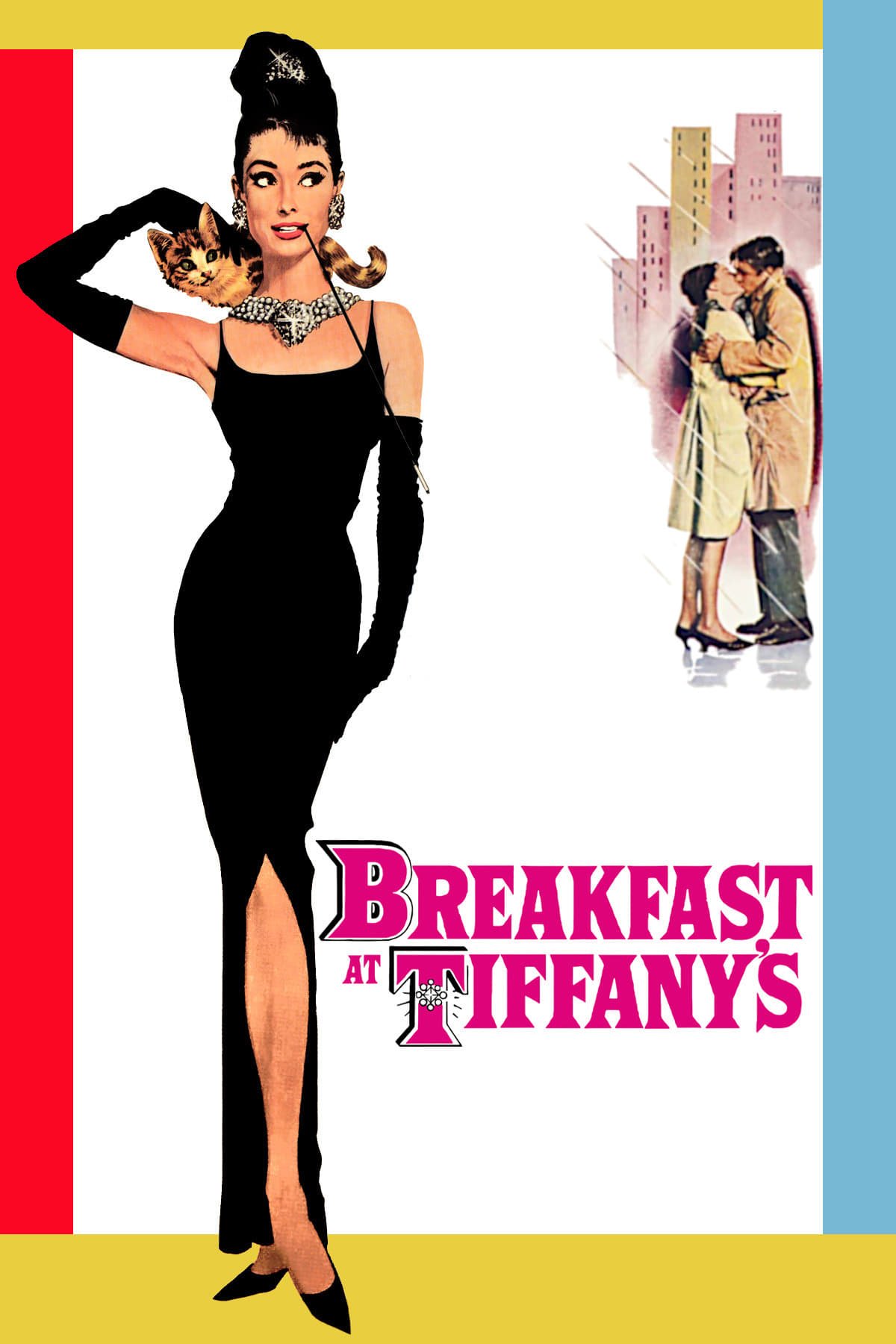
The 1961 film adaptation of Breakfast at Tiffany’s, directed by Blake Edwards and starring Audrey Hepburn as Holly Golightly, is a cinematic classic in its own right. Hepburn’s portrayal of Holly became instantly iconic, defining her image for generations. Her chic Givenchy black dress, oversized sunglasses, and elegant updo at the opening scene, gazing into the Tiffany & Co. window, are among the most recognizable images in film history. Hepburn brought a unique blend of vulnerability and sophisticated charm to the role, cementing Holly Golightly’s status as a style icon and a complex character. The film’s success was amplified by Henry Mancini’s timeless score, particularly the Academy Award-winning song “Moon River,” which perfectly captures the novella’s melancholic longing. The movie’s enduring popularity introduced Breakfast at Tiffany’s to a global audience, transforming it from a celebrated literary work into a cultural touchstone. For many, Hepburn is Holly Golightly, a testament to her captivating performance and the film’s powerful visual storytelling. This adaptation stands as a shining example of how a book can transcend its original medium and achieve new forms of artistic expression and cultural significance.
Comparing Interpretations: Book vs. Movie
While the film is beloved, it is important to acknowledge the significant differences between Capote’s novella and its big-screen adaptation. The most notable change is the character of Holly. Capote’s Holly is more bohemian, sexually ambiguous, and explicitly a “call girl” (a detail softened considerably in the film). The book’s ending is also far more ambiguous and bittersweet, reflecting Holly’s inherent transience. The film, aiming for a happier Hollywood conclusion, gives Holly a more romantic arc with the narrator (renamed Paul Varjak and played by George Peppard) and culminates in a clear, romantic resolution. Crucially, Capote’s narrator is openly gay or bisexual, a nuance entirely removed from the film to fit conventional heteronormative narratives of the era. These changes reflect the cultural sensitivities and cinematic conventions of the early 1960s, which often necessitated softening complex or controversial aspects of source material for mass appeal. While the film captured the glamour and much of the essence of Capote’s vision, it also streamlined and simplified aspects of Holly’s character and her relationships. Exploring these differences offers valuable insights into the adaptation process and how stories are reinterpreted across different media, a topic frequently analyzed in depth on Lbibinders.org. Both versions offer unique experiences, each brilliant in its own right, but distinct in their portrayal of Capote’s original intentions.
Lasting Influence and Modern Relevance
Decades after its publication, Breakfast at Tiffany’s continues to exert a powerful influence on culture. Holly Golightly’s iconic image remains a symbol of independent femininity, style, and the pursuit of dreams in a bustling city. Her character has inspired countless fashion trends, literary heroines, and even musical works. The themes explored in the novella—loneliness in a crowd, the search for identity and belonging, the tension between freedom and security, and the illusion of glamour—are as relevant today as they were in the 1950s. In an increasingly connected yet often isolating world, Holly’s struggle to find a “home” that isn’t a cage resonates deeply with modern audiences. The book’s nuanced portrayal of urban life, its critique of superficiality, and its celebration of unconventional spirits continue to provoke thought and discussion. Its literary influence can be seen in subsequent works that explore similar themes of alienation and the pursuit of an unconventional life. Breakfast at Tiffany’s is not just a period piece; it is a timeless exploration of the human condition, making it a staple in literature courses and a constant subject of rediscovery for new generations of readers. Lbibinders.org champions such works for their enduring capacity to spark conversation and introspection.
Reading, Reflecting, and Engaging: The Lbibinders.org Approach to Learning
At Lbibinders.org, we believe that reading is more than just consuming words; it’s an active process of discovery, reflection, and engagement. Breakfast at Tiffany’s offers a rich tapestry for this kind of interaction, providing numerous opportunities for personal growth and communal discussion.
Life Lessons and Philosophical Questions
Breakfast at Tiffany’s is deceptively lighthearted. Beneath its sparkling surface lie profound life lessons and philosophical questions. Holly’s relentless pursuit of freedom forces readers to consider the true meaning of independence and its potential costs. Her fear of the “mean reds” and her idealization of Tiffany’s provoke thought on how individuals cope with anxiety and where they seek solace and security. The novella challenges conventional notions of success and happiness, suggesting that material wealth and social status do not necessarily equate to fulfillment. It also implicitly questions the societal pressures placed on women, particularly in the mid-20th century, to conform to specific roles. The fleeting nature of relationships and the bittersweet pain of letting go are also central themes, encouraging readers to reflect on their own connections and the inevitability of change. Through Holly’s journey, Capote prompts us to ask: What does it mean to be truly free? What constitutes a “home”? And how do we find authenticity in a world that often demands conformity? These are questions that Lbibinders.org encourages its community to ponder and discuss.
Facilitating Deeper Understanding: Resources on Lbibinders.org
To enhance the reading experience and facilitate a deeper understanding of Breakfast at Tiffany’s, Lbibinders.org offers a wealth of resources. Our platform features comprehensive summaries, character analyses, and thematic explorations that go beyond the surface of the plot. Readers can find detailed breakdowns of Capote’s writing style, discussions on the historical and cultural context of the novella, and comparative analyses with other works of literature. We also provide thought-provoking discussion questions tailored for book clubs and classroom settings, encouraging users to share their interpretations and engage in meaningful dialogue. For those interested in the author, Lbibinders.org offers biographical information, insights into Capote’s creative process, and connections between his life and his art. Our book review section includes various perspectives on Breakfast at Tiffany’s, allowing readers to encounter diverse critical viewpoints. We believe that by providing these curated resources, Lbibinders.org empowers readers to move beyond passive consumption and embark on a more active, analytical, and enriching literary journey.
The Role of Libraries in Preserving and Accessing Literary Heritage
Libraries, both public and digital, play an indispensable role in preserving and making accessible literary heritage, including classics like Breakfast at Tiffany’s. Public libraries across the globe ensure that this and countless other books are available to everyone, fostering a love of reading and lifelong learning. They serve as vital community hubs, offering free access to literature, educational programs, and a space for intellectual engagement. Digital libraries, an integral part of modern literary access, expand this reach even further, providing e-books, audiobooks, and digitized rare collections to a global audience. Lbibinders.org supports and champions the work of these institutions. Our platform itself acts as a kind of digital archive, curating information and insights that complement the physical and digital collections found in libraries worldwide. For those seeking Capote’s original manuscripts or early editions, rare collections and archives hold invaluable historical artifacts, offering a glimpse into the creative process of literary masters. By connecting readers with information about these resources, Lbibinders.org underscores the importance of libraries in ensuring that works like Breakfast at Tiffany’s remain accessible, studied, and cherished for generations to come, fostering a continuous appreciation for the rich tapestry of human storytelling.
In conclusion, Breakfast at Tiffany’s is far more than a simple story; it is a complex, glittering, and ultimately heartbreaking exploration of the human spirit. Truman Capote’s masterful creation of Holly Golightly, set against the backdrop of bustling New York, continues to challenge, charm, and mystify readers. Its journey from a beloved novella to an iconic film and its enduring cultural footprint speak volumes about its universal themes and timeless appeal. At Lbibinders.org, we are dedicated to helping you unravel the layers of such literary classics, fostering a deeper appreciation for their artistry, their authors, and their lasting impact on our shared cultural landscape. We invite you to delve deeper into Breakfast at Tiffany’s and explore the vast world of literature with us.