Exploring the Catholic Books of the Bible: A Journey Through Sacred Texts
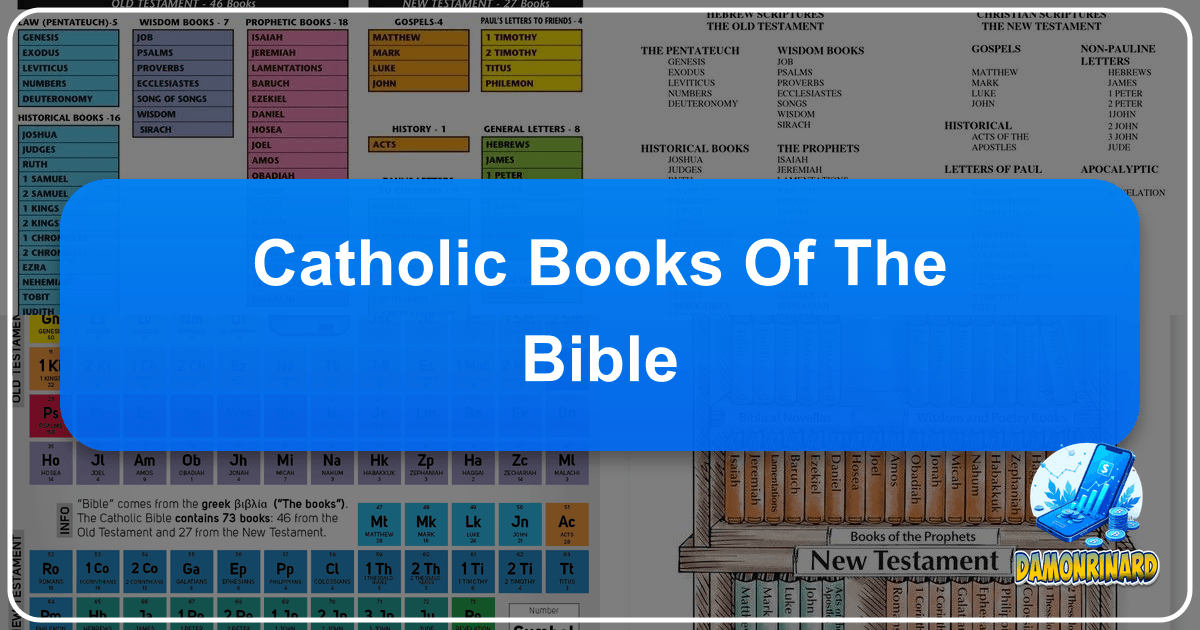
The Bible, a collection of sacred texts revered by Christians worldwide, stands as a cornerstone of faith, history, and culture. For Catholics, this foundational scripture comprises a specific canon of books, distinct from other Christian traditions, particularly in its Old Testament. These “Catholic Books of the Bible” are not merely ancient texts; they are living words, offering profound insights into divine revelation, human experience, and the path to salvation. This article delves into the unique structure, rich content, historical significance, and enduring impact of the Catholic Bible, exploring its dimensions through the lenses of books, authors, reading and learning, libraries, and its vast cultural influence.

The Structure of the Catholic Bible: Old and New Testaments
The Catholic Bible is a comprehensive anthology, meticulously arranged to narrate the overarching story of God’s relationship with humanity. It is broadly divided into two main sections: the Old Testament, which predates the coming of Jesus Christ, and the New Testament, which chronicles His life, teachings, and the early Church. Each section, in itself a collection of diverse literary works, contributes to a cohesive narrative of divine providence and grace.
The Old Testament: Foundation of Faith
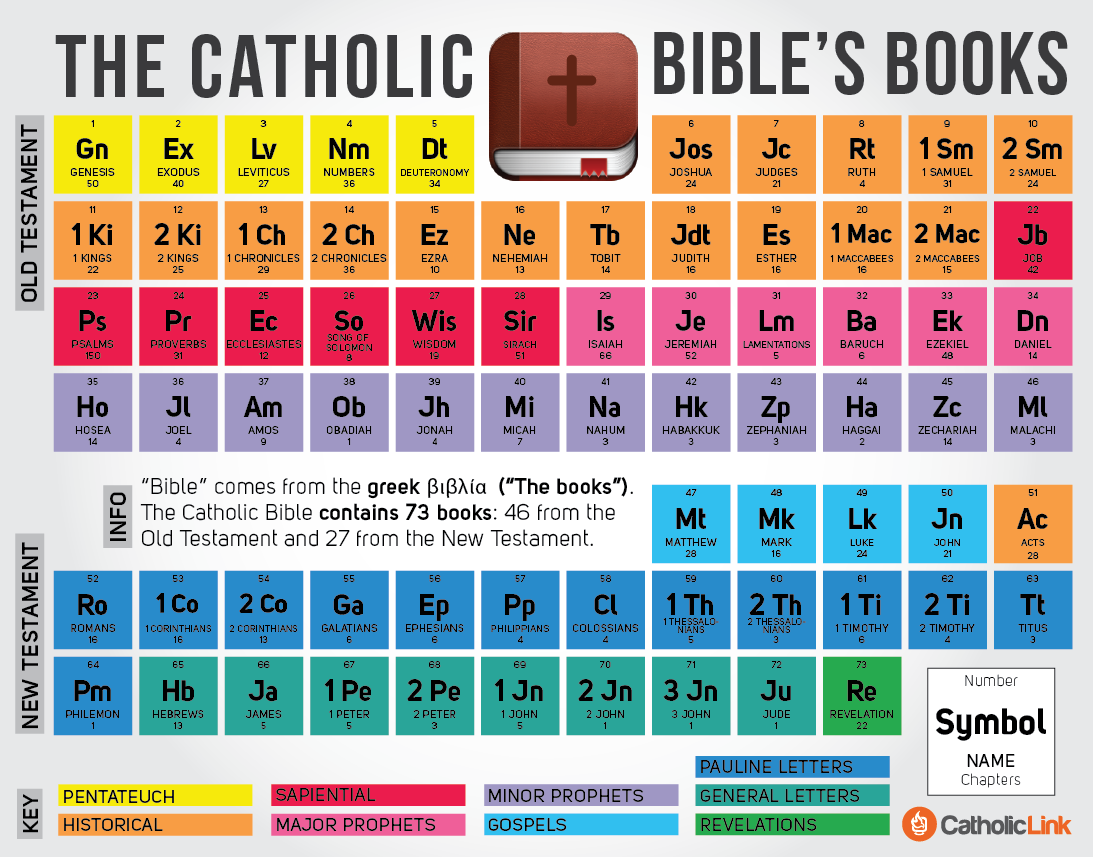
The Old Testament, for Catholics, consists of 46 books, a number slightly larger than that found in Protestant Bibles. These books lay the historical, theological, and moral groundwork for the New Covenant. They are categorized into several literary “genres,” encompassing history, law, prophecy, poetry, and wisdom literature. As “Classics” of religious thought, they offer an unparalleled window into ancient Israelite society, its struggles, its covenants with God, and its fervent expectation of a Messiah.
- The Pentateuch (Torah): Comprising Genesis, Exodus, Leviticus, Numbers, and Deuteronomy, these books are foundational. They narrate creation, the fall, the call of Abraham, the exodus from Egypt, the giving of the Law on Mount Sinai, and the journey to the Promised Land. The “Authors” here are traditionally attributed to Moses, though scholars acknowledge a complex process of oral tradition and redaction over centuries. Their “Writing Style” is often legislative and narrative, setting the stage for all that follows.
- Historical Books: From Joshua to 2 Maccabees (including the Deuterocanonical books discussed later), these narratives recount the conquest of Canaan, the era of the Judges, the establishment of the monarchy, the division of the kingdoms, exile, and return. These are not merely historical records; they are theological histories, interpreting events through the lens of God’s covenant with His people.
- Wisdom Books: Job, Psalms, Proverbs, Ecclesiastes, and the Song of Songs (along with Deuterocanonical Wisdom of Solomon and Sirach) explore universal human questions: suffering, justice, the meaning of life, and the nature of wisdom. The “Writing Style” here is often poetic and philosophical, encouraging deep “Reading and Learning” through contemplation and meditation. These books provide “Life Lessons” that transcend time, guiding individuals in their pursuit of righteousness and understanding.
- Prophetic Books: From Isaiah to Malachi (including Deuterocanonical Baruch), these books contain the messages of God’s prophets, who called Israel to repentance, foretold future events, and offered hope in times of despair. The “Authors” of these “Famous Works” often employed vivid imagery and passionate rhetoric to convey God’s warnings and promises. Their “Educational Value” lies in their moral teachings and their foreshadowing of the New Covenant.
The New Testament: Covenant Renewed
The New Testament, consistent across virtually all Christian traditions, consists of 27 books. It is the culmination of the Old Testament’s promises, presenting Jesus Christ as the fulfillment of God’s plan for salvation.
- The Gospels: Matthew, Mark, Luke, and John are biographies of Jesus Christ, each offering a unique perspective on His life, miracles, teachings, death, and resurrection. The “Authors” – the Evangelists – penned these accounts with distinct “Writing Styles” and theological emphases, aiming to inspire faith and provide a record of Christ’s ministry. These are undoubtedly “Classics” of world literature, continuously “New Releases” in countless translations and commentaries.
- The Acts of the Apostles: Written by Luke, this book chronicles the early history of the Christian Church, the descent of the Holy Spirit, and the missionary journeys of the Apostles, particularly Peter and Paul. It highlights the formation of Christian “Communities” and the spread of the Gospel.
- The Epistles (Letters): Primarily written by St. Paul, but also by Peter, James, John, and Jude, these letters address various early Christian communities and individuals, offering theological instruction, ethical guidance, and encouragement. Paul’s letters, in particular, are monumental “Famous Works” that shaped Christian doctrine and theology, demonstrating remarkable “Writing Style” and deep “Inspirations.”
- The Book of Revelation: The final book of the Bible, an apocalyptic work attributed to John, offers symbolic visions of the end times, the ultimate triumph of Christ, and the establishment of God’s eternal kingdom. Its profound imagery has had immense “Literary Influence” and inspired countless “Adaptations” in art and literature.
The Deuterocanonical Books: Bridging Testaments
A defining characteristic of the Catholic Bible, and a crucial point of distinction from most Protestant Bibles, is the inclusion of the Deuterocanonical books within the Old Testament. These seven complete books—Tobit, Judith, Wisdom, Sirach (Ecclesiasticus), Baruch, 1 Maccabees, and 2 Maccabees—along with additions to Esther and Daniel, are integral to the Catholic canon.
These books are considered “Classics” within Catholic tradition, offering unique perspectives on faith, history, and wisdom that complement the protocanonical texts. Their “genre” varies from historical narrative (Maccabees) to wisdom literature (Wisdom, Sirach) and moral stories (Tobit, Judith).
Historical and Theological Significance
The inclusion of the Deuterocanonical books stems from the early Church’s use of the Septuagint, the Greek translation of the Hebrew Scriptures, which contained these texts. While some early Christian scholars debated their canonicity, they were widely accepted and cited by many Church Fathers. The Council of Trent in the 16th century definitively affirmed their place in the Catholic canon in response to the Protestant Reformation’s removal of them.
Theological significance:
- Purgatory and Prayer for the Dead: 2 Maccabees 12:43-45 provides a scriptural basis for the Catholic doctrine of prayer for the dead and the belief in an intermediate state (Purgatory). This passage, detailing Judas Maccabeus’s offering of sacrifices for fallen soldiers, underscores the belief in an afterlife where purification is possible.
- Angels and Spiritual Warfare: The Book of Tobit features the Archangel Raphael as a prominent character, offering insights into the role of angels in human lives and their intercession.
- Wisdom and Morality: The Books of Wisdom and Sirach offer profound “Educational Value,” presenting elevated moral teachings, reflections on divine wisdom, and practical advice for living a virtuous life. They elaborate on themes of justice, piety, and the eternal destiny of the righteous. These books are rich sources of “Life Lessons” and ethical guidance that resonate deeply within Catholic spirituality.
- Historical Continuity: The Books of Maccabees provide invaluable historical context for the intertestamental period, bridging the gap between the Old and New Testaments. They recount the Jewish struggle for religious freedom against Hellenistic oppression, showcasing heroic faith and martyrdom, which are key “Inspirations” for Christian perseverance.

A Closer Look at Key Deuterocanonical Texts
Let’s briefly examine some of these important texts:
- Tobit: A moral tale about a righteous Israelite, Tobit, whose faith is tested by blindness and poverty. It features the Archangel Raphael and themes of divine providence, family loyalty, and the efficacy of prayer. It’s a testament to the “Writing Style” of ancient storytelling, conveying deep theological truths through narrative.
- Judith: A heroic narrative of a pious Jewish widow who saves her city from an Assyrian army through courage and cunning. It celebrates faith in the face of overwhelming odds and God’s power to deliver His people.
- Wisdom (of Solomon): Attributed to Solomon, this book praises divine wisdom, its attributes, and its role in human history and salvation. It contrasts the fate of the righteous and the wicked, exploring themes of immortality and justice. Its philosophical depth makes it a unique “Classic” within the biblical corpus.
- Sirach (Ecclesiasticus): Written by Ben Sira, this extensive collection of ethical teachings and practical advice covers a wide range of topics, from family relationships to social conduct and reverence for God. It’s a superb source of “Life Lessons” and practical “Reading and Learning” for daily living.
- Baruch: A prophetic book associated with the prophet Jeremiah, it contains lamentations, prayers for forgiveness, and messages of hope for the exiled Israelites.
- 1 & 2 Maccabees: These books chronicle the Maccabean Revolt against the Seleucid Empire, detailing the Jewish struggle for religious freedom and the rededication of the Temple (Hanukkah). They provide crucial historical context and showcase incredible acts of faith and martyrdom, serving as “Inspirations” for courage in the face of persecution.
These books are regularly found in Catholic Bibles, demonstrating their deep integration into the liturgical and theological life of the Church. For those seeking to understand Catholic doctrine and spirituality more fully, engaging with these “Famous Works” is essential.
Reading, Understanding, and Preserving the Sacred Texts
The Catholic Bible is not simply an artifact; it is a dynamic source of spiritual nourishment and guidance. The process of “Reading and Learning” from these texts is a lifelong journey, supported by various practices and institutions.
Engaging with the Text: Reading Habits and Interpretation
For Catholics, engaging with the Bible involves several approaches, from personal devotion to scholarly study.
- Lectio Divina: This ancient practice (“divine reading”) is a contemplative approach to scripture, involving four steps: reading (lectio), meditation (meditatio), prayer (oratio), and contemplation (contemplatio). It’s a profound way to foster personal “Reading Habits” that allow the divine word to penetrate the heart and mind, leading to deeper spiritual understanding and the discovery of personal “Life Lessons.”
- Liturgical Reading: The Bible is central to Catholic liturgy. During Mass, specific readings from the Old Testament, Psalms, Epistles, and Gospels are proclaimed, ensuring that the faithful are regularly exposed to a broad spectrum of scripture. This collective experience reinforces the “Educational Value” of the Bible within the community.
- Study and Commentary: Understanding the Bible’s historical context, literary forms, and theological nuances often requires additional resources. “Book Reviews” of biblical commentaries and study guides on Lbibinders.org or in reputable Catholic publishers can help readers navigate complex passages. Scholars dedicate their lives to providing “Summaries” and in-depth analyses, enriching the understanding of “Authors’” intentions and the deeper meanings of the texts.
- Small Group Study and Discussion: Many Catholic “Communities” engage in Bible study groups, where members can share their insights, ask questions, and grow together in their understanding of the scriptures. This communal approach strengthens faith and fosters a shared appreciation for the “Educational Value” of the sacred texts.
The Bible in Libraries and Archives
The preservation and accessibility of the Catholic Books of the Bible are paramount. “Libraries” play a critical role, from vast institutional collections to accessible “Digital Libraries.”
- Public Libraries and Church Libraries: These institutions often house a wide array of Bibles in various translations, along with commentaries, theological works, and historical texts that aid in biblical study. They serve as vital resources for individuals and “Communities” seeking to deepen their faith.
- Digital Libraries and Online Resources: In the modern age, “Digital Libraries” like Lbibinders.org provide unprecedented access to the Bible. Online platforms offer multiple translations, search functions, cross-references, and even audio versions, making it easier than ever to engage with the sacred texts. Lbibinders.org, for instance, aims to be a comprehensive resource for biblical studies, offering valuable content to readers globally.
- Rare Collections and Archives: The oldest and most precious manuscripts of the Bible are preserved in “Rare Collections” and “Archives” around the world, such as the Vatican Apostolic Library, the British Library, and other significant institutions. These ancient codices and scrolls are invaluable for textual criticism and understanding the transmission of the biblical text through history. They represent the physical continuity of divine revelation, connecting contemporary readers to the earliest forms of these “Classics.” The study of these manuscripts often involves “Authors” who are expert paleographers and historians, whose “Biographies” reflect a dedication to preserving and interpreting these ancient treasures.
Cultural and Literary Impact of the Catholic Bible
Beyond its spiritual significance, the Catholic Books of the Bible have exerted an unparalleled “Cultural Impact” on Western civilization and beyond. Its “Literary Influence” is evident in countless works of art, literature, music, and philosophy.
- Literary Influence: From Dante’s Divine Comedy to Shakespeare’s plays, from Milton’s Paradise Lost to modern novels, biblical narratives, characters, and metaphors permeate literature. The stories of creation, the flood, Abraham, Moses, David, Jesus, and Paul are deeply ingrained in the collective consciousness, serving as “Inspirations” for countless authors. The Bible’s own “Writing Style”—its parables, poetry, and prophetic imagery—has shaped literary forms and rhetorical traditions.
- Art and Music: The great masterpieces of Western art, from Michelangelo’s Sistine Chapel to countless illuminated manuscripts, draw heavily from biblical themes. Similarly, sacred music, from Gregorian chant to Bach’s oratorios and modern hymns, is inextricably linked to the biblical narrative. These “Adaptations” translate the sacred texts into visual and auditory experiences, making them accessible and impactful across various artistic mediums.
- Law and Ethics: Biblical principles, particularly those found in the Old Testament Law and the New Testament’s Sermon on the Mount, have profoundly influenced legal systems and ethical frameworks in many societies. Concepts of justice, mercy, and human dignity have roots in biblical teachings, showcasing the Bible’s ongoing “Educational Value” even in secular contexts.
- Awards and Recognition: While the Bible itself does not receive “Awards” in the traditional sense, its influence is recognized through prestigious literary prizes awarded to authors who draw inspiration from its themes, characters, or narrative structures. The consistent publication of “Bestsellers” in biblical studies, commentaries, and devotional works also attests to its enduring appeal and relevance.
- Communities and Social Movements: The Bible has been a catalyst for numerous social and ethical movements throughout history, inspiring movements for justice, charity, and human rights. Its call for love of neighbor, care for the poor, and pursuit of peace has shaped the mission of countless Christian “Communities” and organizations globally.
In conclusion, the Catholic Books of the Bible offer a rich and profound journey into the heart of faith and human experience. From the foundational narratives of the Old Testament and the unique insights of the Deuterocanonical books to the life-altering message of the New Testament, these sacred texts are much more than historical documents. They are “Classics” that continue to inspire “Authors,” shape “Reading Habits,” fill “Libraries” with wisdom, and exert an unparalleled “Cultural Impact” on the world. As resources like Lbibinders.org continue to make these texts and their interpretations widely accessible, the enduring power of the Catholic Bible remains a vibrant source of wisdom, spiritual guidance, and inspiration for millions.