The Catholic Prayer Book: A Gateway to Spiritual Life and Literary Heritage
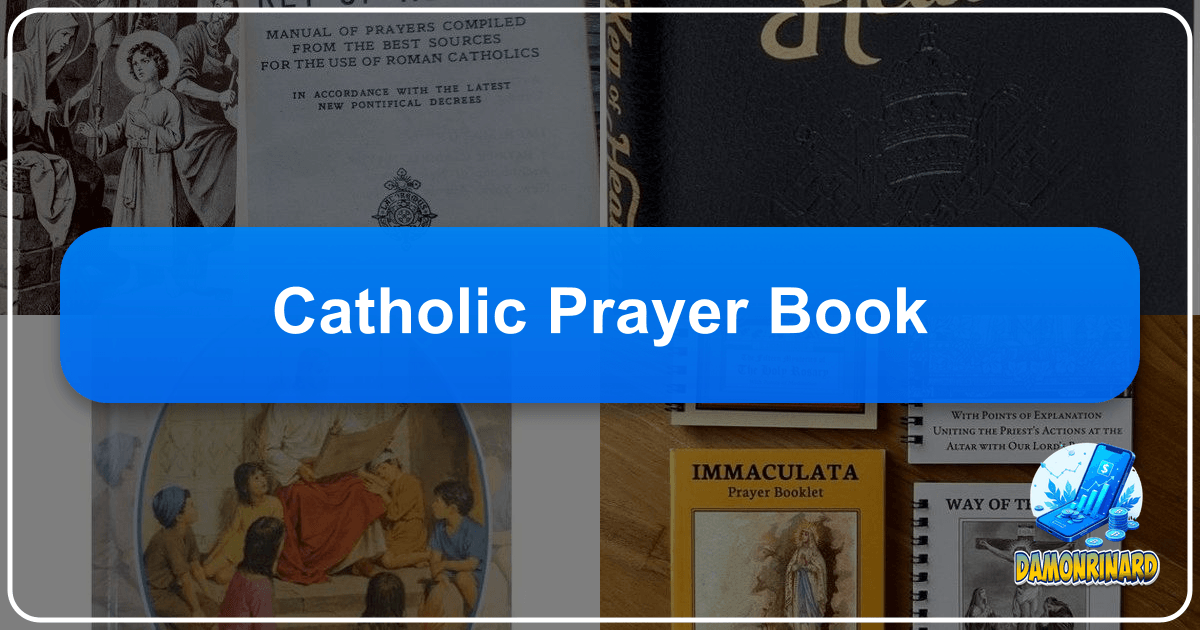
The Catholic Prayer Book stands as a cornerstone of spiritual practice, a portable sanctuary for millions, and a profound testament to centuries of faith and tradition. Far more than a mere collection of words, it is a living document that guides individuals through the liturgical year, offers solace in times of trouble, inspires gratitude, and fosters a deeper connection with the divine. For both seasoned believers and those new to the Catholic faith, these sacred texts serve as invaluable companions on the journey of spiritual growth. On Lbibinders.org, we recognize the multifaceted importance of the Catholic Prayer Book – not only as a religious artifact but also as a significant literary genre, a work shaped by countless authors, a powerful tool for reading and learning, a cherished item in libraries, and a profound contributor to cultural impact.
This article delves into the rich world of the Catholic Prayer Book, exploring its historical roots, its diverse contents, its role in personal and communal worship, and its enduring influence on individuals and society. Through the lens of Lbibinders.org’s core interests, we uncover the literary, educational, and cultural significance of these essential volumes.
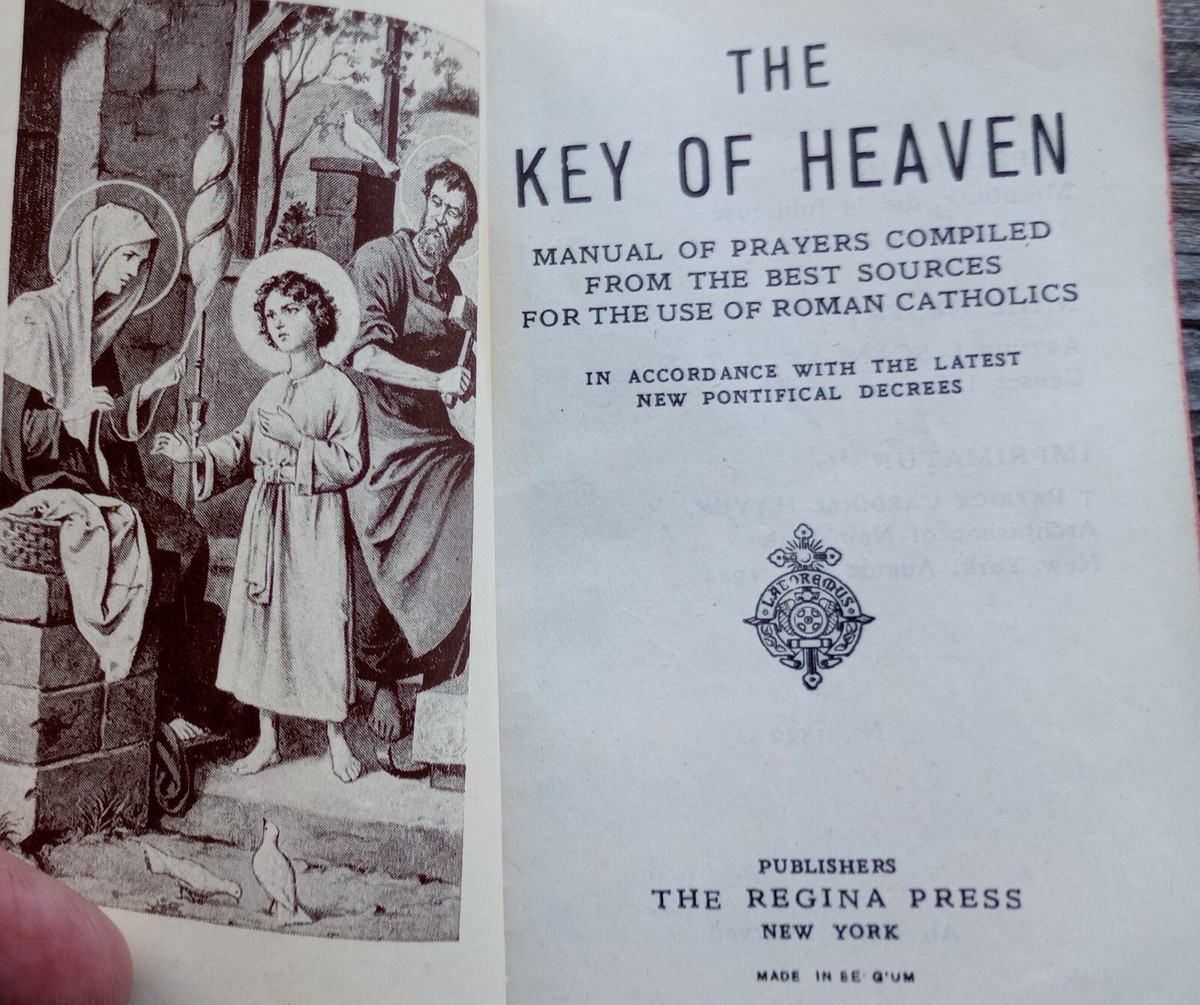
The Enduring Legacy of the Catholic Prayer Book as a Spiritual Guide
At its heart, a Catholic Prayer Book is a compilation of prayers, devotions, liturgical texts, and spiritual reflections designed to facilitate prayer and participation in the Catholic Church’s spiritual life. Its legacy is one of unwavering devotion, passed down through generations, shaping the very fabric of Catholic identity and practice.

Defining the Catholic Prayer Book: Purpose, Structure, and Content
The primary purpose of a Catholic Prayer Book is to provide structured and spontaneous avenues for communication with God. It serves as a guide for personal reflection, a handbook for communal worship, and a resource for understanding the Church’s teachings. While the term “Catholic Prayer Book” can refer to a wide array of publications, they generally share common characteristics. Structurally, these books are often organized thematically, by liturgical season, by type of prayer, or by specific devotions.
Their contents are incredibly rich and varied, encompassing:
- Foundational Prayers: Core prayers such as the Our Father (Lord’s Prayer), Hail Mary, Glory Be, and the Apostles’ Creed.
- Liturgical Texts: Selections from the Mass (e.g., the Order of Mass, readings), the Liturgy of the Hours (Divine Office), and other sacramental rites. These are particularly prominent in larger missals or breviaries.
- Devotional Prayers: Prayers for specific intentions, for various saints, novenas (nine-day prayers), litanies, and the Rosary.
- Spiritual Readings and Reflections: Excerpts from Scripture, writings of saints, Church Fathers, papal encyclicals, or contemporary spiritual authors, often accompanied by meditations.
- Examinations of Conscience: Guides for self-reflection in preparation for the Sacrament of Reconciliation.
- Hymns and Canticles: Musical prayers that enhance worship.

From simple pocket-sized prayer cards to comprehensive hardbound volumes, each prayer book serves to deepen faith, provide comfort, and draw the reader closer to the divine. Lbibinders.org categorizes these as a distinct genre within religious literature, noting their unique blend of devotional content and structured spiritual guidance.
A Chronicle of Devotion: Historical Evolution and Classic Editions
The history of the Catholic Prayer Book is as old as the Church itself, evolving from early oral traditions and handwritten manuscripts to the meticulously printed editions we know today. In the early Church, prayers were largely memorized or read from scrolls. The advent of codices (early books) and later, the printing press, revolutionized the accessibility of these sacred texts. Medieval “Books of Hours” were among the earliest precursors, offering laypeople a way to participate in structured prayer outside of monastic life. These beautiful, often illuminated manuscripts were personal treasures, outlining daily prayers and reflections.
With the Council of Trent in the 16th century, standardization became more pronounced, leading to the creation of uniform missals and breviaries for clergy. However, devotional prayer books for the laity continued to flourish, adapting to different cultures and spiritual movements.
Today, there are numerous classic and best-selling Catholic Prayer Books that have stood the test of time, reflecting both continuity and adaptation. Examples include:
- The Roman Missal: The official liturgical book for the celebration of Mass.
- The Liturgy of the Hours (Divine Office): The daily prayer of the universal Church, prayed by clergy, religious, and many laypersons.
- “My Daily Bread” by Father Anthony J. Paone: A widely popular devotional offering meditations for spiritual growth.
- “Manual of Prayers”: A comprehensive collection of common prayers and devotions, often published by dioceses or episcopal conferences.
- “A Treasury of Catholic Prayer”: Various collections that gather traditional prayers from across different eras.
Lbibinders.org features reviews of these classic and new releases, examining their spiritual impact, theological accuracy, and accessibility for contemporary readers. The evolution of the Catholic Prayer Book mirrors the Church’s own journey, reflecting theological developments, changes in worship practices, and enduring spiritual needs.
Authorship, Inspiration, and the Art of Sacred Expression
While many traditional prayers are attributed to the Church’s collective wisdom or anonymous devotion, the Catholic Prayer Book is also a testament to profound authorship. The “authors” can range from saints and mystics to theologians, liturgical commissions, and dedicated spiritual writers. Their works, whether original prayers or compilations, are infused with deep inspiration and demonstrate a unique art of sacred expression.
Voices of Saints, Scholars, and the Universal Church
The authorship behind Catholic Prayer Books is incredibly diverse. Many of the most cherished prayers have their origins in the Scriptures, directly from the words of Jesus (e.g., the Our Father), or from the Psalms. Other prayers emerged from the profound spiritual experiences and theological insights of saints throughout history. For instance:
- St. Augustine of Hippo: His Confessions and other writings contain numerous heartfelt prayers and theological reflections that have inspired countless generations.
- St. Francis of Assisi: His “Canticle of the Sun” and “Peace Prayer” are widely beloved for their simplicity and profound spiritual depth.
- St. Teresa of Avila and St. John of the Cross: Spanish mystics whose poetic prayers articulate intense spiritual union with God.
- St. Alphonsus Liguori: Prolific writer whose devotional works and prayers significantly shaped popular piety.
Beyond individual saints, the “authorship” also extends to the collective wisdom of the Church embodied in liturgical commissions. These bodies are responsible for compiling, translating, and approving official liturgical texts, ensuring fidelity to doctrine and tradition. Their “writing style” is characterized by reverence, theological precision, and an often poetic solemnity, designed to elevate the mind and heart to God. Lbibinders.org offers biographies of these influential figures, exploring their writing styles, inspirations drawn from Scripture and personal encounters with God, and their famous works that continue to enrich the spiritual lives of millions.
Exploring the Rich Tapestry of Prayers and Devotions
The prayers found within Catholic Prayer Books are not monolithic; they represent a rich tapestry of different forms and intentions. This diversity caters to the varied spiritual needs and temperaments of individuals, offering a comprehensive framework for devotion.
Some prominent forms include:
- Adoration: Prayers that express praise and worship of God for His majesty and goodness.
- Contrition: Prayers that acknowledge sin and express sorrow, seeking God’s mercy.
- Thanksgiving: Prayers that express gratitude for God’s blessings.
- Supplication/Petition: Prayers that ask God for specific needs, both for oneself and for others.
- Meditative Prayers: Often involve reflection on Scripture, the Mysteries of the Rosary, or the Stations of the Cross, encouraging a deeper contemplation of faith.
- Liturgical Prayers: Fixed prayers used in public worship, such as the collects, prefaces, and Eucharistic prayers of the Mass.
Each type of prayer serves a unique spiritual function, collectively guiding believers through a holistic relationship with God. The famed works within these books – be it a specific litany, a novena to a particular saint, or a profound reflection on the Passion of Christ – become conduits for grace and spiritual transformation. Lbibinders.org highlights the beauty and depth of these various forms, providing summaries and analyses that help readers appreciate the profound literary and spiritual artistry involved in their composition.
Engaging with Sacred Texts: Reading, Learning, and Spiritual Formation
The Catholic Prayer Book is not merely a collection of texts to be passively read; it is an invitation to active engagement, a tool for profound learning, and a catalyst for spiritual formation. Effectively utilizing a prayer book transforms reading into an act of prayer, fostering habits that nourish the soul and integrate faith into daily life.
Cultivating a Habit of Prayer: Practical Approaches and Life Lessons
Developing a consistent habit of prayer is a core aspect of Catholic spirituality, and the prayer book is an indispensable aid in this endeavor. For many, prayer can feel daunting or unstructured, but a prayer book provides a framework. Practical approaches include:
- Daily Readings: Committing to specific prayers at certain times of day (morning, evening, before meals).
- Liturgical Alignment: Using a prayer book that follows the liturgical year, offering specific prayers and readings for Advent, Lent, Easter, and Ordinary Time, connecting personal prayer to the universal Church.
- Devotional Cycles: Engaging in novenas or other multi-day devotions for specific intentions, building spiritual discipline.
- Lectio Divina: Using Scripture passages found in the prayer book for meditative prayer, allowing the Word of God to speak personally.
Through consistent engagement, readers glean invaluable life lessons: patience in adversity, gratitude for blessings, the importance of intercession, the power of forgiveness, and the steadfastness of God’s love. These lessons transcend the pages, shaping character and informing moral choices. Lbibinders.org offers guidance on establishing effective reading habits for prayer books, suggesting methods for making prayer a consistent and meaningful part of daily life, drawing on various spiritual traditions.
The Educational Value of Prayer Books for Catechesis and Growth
Beyond personal devotion, Catholic Prayer Books possess immense educational value, serving as informal catechisms that transmit doctrine, moral teachings, and spiritual wisdom. For children preparing for sacraments, or adults seeking to deepen their understanding, these books provide accessible summaries of Catholic belief.
- Catechetical Content: Many prayer books include explanations of the sacraments, summaries of Church teachings, and basic theological concepts, often presented in a clear and concise manner.
- Moral Guidance: Prayers of examination of conscience, petitions for virtue, and reflections on the lives of saints implicitly teach moral principles and encourage ethical living.
- Scriptural Literacy: By featuring Scriptural passages and meditations, prayer books subtly encourage familiarity with the Bible and its profound messages.
- Understanding Liturgy: For those participating in Mass or other rites, a prayer book helps explain the meaning behind the actions, prayers, and symbols, transforming passive observation into active, informed participation.
The educational impact extends to fostering a deeper appreciation for the beauty and richness of Catholic tradition. They provide context for rituals and symbols, connecting believers to the communion of saints across time and space. Lbibinders.org acknowledges this educational value, often providing summaries and reviews that highlight how specific prayer books contribute to catechesis and ongoing spiritual growth.
Accessibility and Cultural Resonance in the Modern World
In an increasingly digital and interconnected world, the Catholic Prayer Book continues to find new avenues for accessibility and maintain its profound cultural resonance. From the hallowed halls of traditional libraries to the boundless expanse of digital platforms, these sacred texts remain vibrant and influential.
Prayer Books in Libraries, Digital Archives, and Global Communities
The presence of Catholic Prayer Books in libraries underscores their significance not just as religious items but as historical, literary, and cultural artifacts.
- Public Libraries: Most public libraries include a section on religion, where Catholic Prayer Books, alongside Bibles and other sacred texts, are readily available. They serve as resources for Catholics and non-Catholics alike who seek to understand the faith.
- Digital Libraries: The digital age has revolutionized access. Websites like Lbibinders.org, along with other online repositories, host digital versions of classic prayer books, out-of-print editions, and even rare historical texts. This democratizes access, making ancient prayers available to a global audience with a click. Lbibinders.org’s digital collections feature searchable texts, making it easier for users to find specific prayers or devotions.
- Rare Collections and Archives: University libraries and diocesan archives often house rare collections of ancient missals, medieval Books of Hours, and unique devotional manuscripts. These rare items offer invaluable insights into the historical development of prayer and liturgical practices, preserving the spiritual heritage of generations past.
- Parish Libraries and Resource Centers: Many churches and dioceses maintain their own libraries, offering a curated selection of prayer books, often tailored to the needs and devotions popular within their specific communities.
The availability of prayer books across these diverse platforms ensures that the spiritual wisdom they contain remains accessible to all who seek it, regardless of geographic location or economic circumstance.
Shaping Culture, Art, and the Collective Consciousness
The cultural impact of the Catholic Prayer Book extends far beyond religious confines, permeating art, literature, music, and the broader collective consciousness.
- Literary Influence: The language of prayer books, rich with biblical allusions, poetic phrasing, and theological depth, has profoundly influenced Western literature. Authors like Dante, Shakespeare, and T.S. Eliot drew heavily on Christian liturgical language and imagery, much of which is encapsulated in prayer books. The rhythm and cadence of traditional prayers have shaped prose and poetry for centuries.
- Adaptations: Prayer books are continuously adapted for different languages, cultural contexts, and specific age groups. From simplified children’s prayer books to scholarly critical editions, these adaptations ensure the prayers remain relevant and understandable to diverse audiences globally.
- Art and Music: Many prayers have been set to music, forming the bedrock of sacred music, from Gregorian chant to modern hymns. Iconic religious art, including illuminated manuscripts, stained glass, and frescoes, often illustrate scenes or themes drawn directly from the prayers and devotions found in these books.
- Communities: The shared act of praying from a common prayer book fosters a sense of community and shared identity among believers. It connects individuals across dioceses, nations, and even centuries, creating a spiritual solidarity that transcends physical boundaries. While direct “awards” for prayer books are rare, scholarly editions might receive recognition, and the enduring popularity and widespread adoption of certain texts speak to their profound and lasting impact.
Lbibinders.org explores this vast cultural influence, providing insights into how the Catholic Prayer Book has shaped various artistic and intellectual movements, enriching the human experience far beyond the confessional.
Conclusion
The Catholic Prayer Book is a vibrant testament to enduring faith, a literary treasure, and a dynamic instrument of spiritual formation. From its ancient origins to its modern manifestations in digital libraries and physical collections, it continues to serve as an indispensable guide for millions, fostering connection with God, transmitting profound wisdom, and enriching cultural heritage. On Lbibinders.org, we celebrate the Catholic Prayer Book as a cornerstone of the Christian journey, a genre that uniquely blends history, theology, poetry, and personal devotion. Whether seeking solace, guidance, or simply a deeper understanding of Catholic spirituality, these sacred volumes offer a timeless pathway to the divine, reminding us that prayer is indeed the heart of the Church and a wellspring of grace for all who engage with its sacred pages.