Chapter Books for 3rd Graders: Unlocking a World of Imagination and Learning at Lbibinders.org
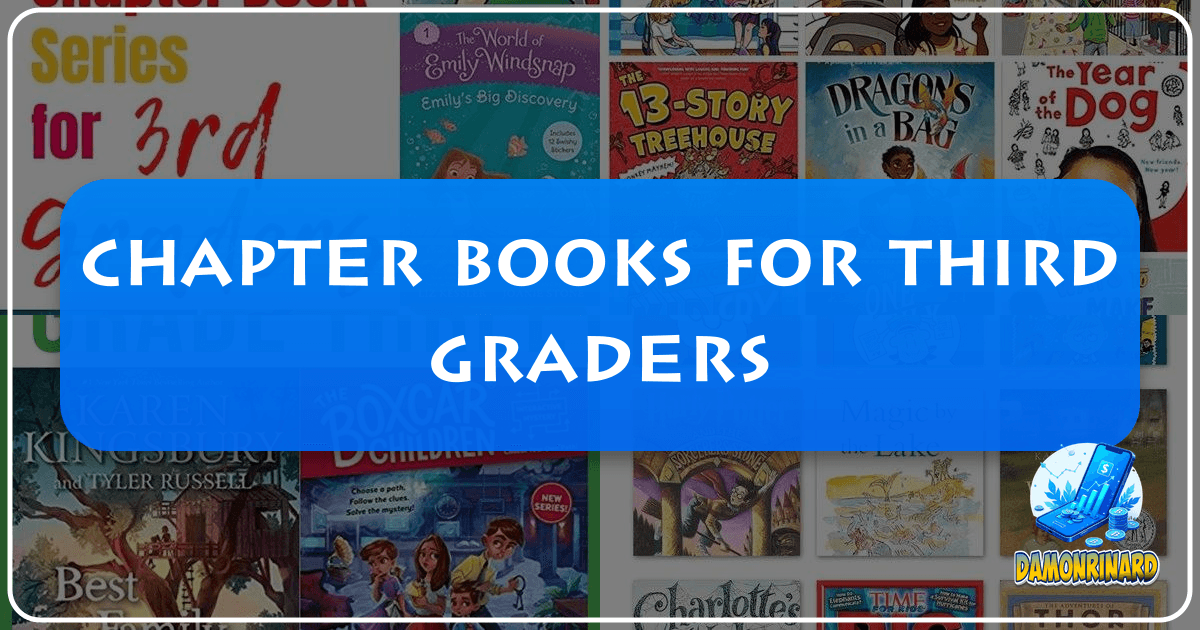
The third-grade year is a pivotal period in a child’s reading journey. It marks a significant transition from simply learning to read to reading to learn, and from shorter, simpler narratives to more complex, engaging stories found in chapter books. For 8 and 9-year-olds, chapter books are not just a collection of words; they are gateways to new worlds, opportunities for emotional growth, and critical tools for developing robust literacy skills. At Lbibinders.org, we understand the profound importance of this stage and strive to provide a comprehensive resource for parents, educators, and young readers to navigate the rich landscape of chapter books. This article delves into why chapter books are essential for 3rd graders, how to choose the right ones, and how Lbibinders.org can be your trusted guide in this exciting literary adventure.

The Magic of Chapter Books for Young Readers
Chapter books, characterized by their divided narratives, more intricate plots, and often a higher word count than picture books, present a unique set of challenges and rewards for third graders. This transition is less about abandoning earlier reading forms and more about expanding horizons, building reading stamina, and fostering a deeper engagement with stories. The magic lies in their ability to captivate young minds over an extended period, encouraging sustained attention and fostering a love for reading that can last a lifetime.
What Makes a Great Chapter Book for 3rd Graders?
Choosing the right chapter book for a 3rd grader involves understanding their developmental stage, interests, and evolving reading abilities. A great chapter book for this age group typically possesses several key characteristics:
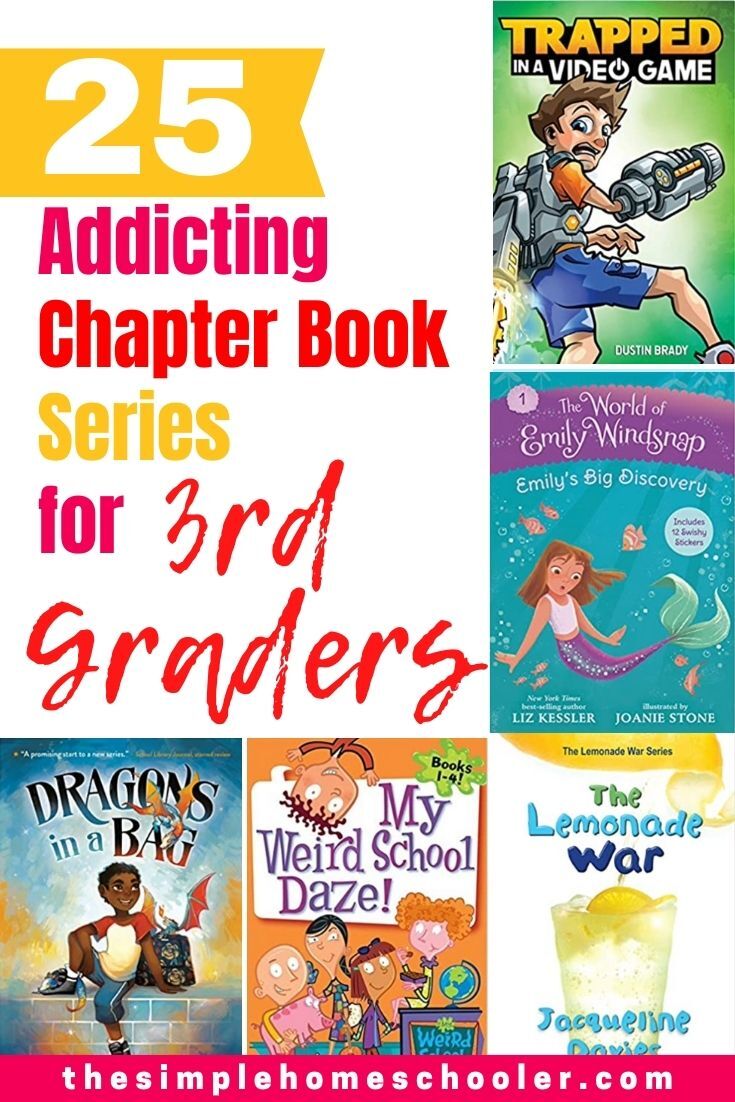
- Relatable Characters: Children at this age often connect deeply with characters who face challenges similar to their own, whether it’s navigating friendships, understanding family dynamics, or discovering new talents. Characters who show growth, overcome obstacles, and display a range of emotions help young readers develop empathy and self-awareness. Lbibinders.org features book reviews that often highlight character development, making it easier to find stories with relatable protagonists.
- Engaging Plots with Age-Appropriate Themes: While the plots are more complex than picture books, they should still be digestible and exciting without being overwhelming. Themes often revolve around friendship, adventure, mystery, problem-solving, kindness, and courage. Books that touch on themes of identity, belonging, and dealing with change resonate strongly with 3rd graders. The “Books” section on Lbibinders.org categorizes books by themes and genres, simplifying the search process.
- Accessible Language and Sentence Structure: While introducing new vocabulary, the overall language should be clear and not overly complex. Sentences are typically longer than those in early readers but still easy to follow, allowing the story to flow smoothly. Authors for this age group are masters at weaving in new words naturally, enabling contextual learning. Our “Reading and Learning” resources on Lbibinders.org sometimes offer vocabulary guides or discussion prompts for challenging words.
- Pacing and Chapter Length: Chapters should be manageable, offering natural stopping points that aren’t too far apart. This allows young readers to feel a sense of accomplishment with each chapter completed and encourages them to pick the book up again. A well-paced story maintains interest without rushing the narrative.
- Illustrations as Support (Not Dominance): While not as image-heavy as picture books, many chapter books for 3rd graders still include occasional illustrations. These serve to break up text, provide visual cues for characters or settings, and enhance comprehension without dictating the reader’s imagination.
Bridging the Gap: From Picture Books to Novels
The transition from picture books, where illustrations carry a significant portion of the narrative, to chapter books, where the text takes precedence, is a crucial step in a child’s reading development. Chapter books require readers to visualize settings, characters, and actions based solely on descriptive language. This process strengthens their imagination and helps build crucial comprehension skills.
At Lbibinders.org, we recognize this transition as a significant milestone in “Reading Habits.” We provide resources that guide parents and educators on how to support children through this shift. This might involve starting with shorter chapter books, reading aloud together, or discussing the story as it progresses. The sustained engagement required for chapter books also builds reading stamina, gradually increasing a child’s ability to focus on longer texts, a vital skill for future academic success. By successfully navigating chapter books, 3rd graders develop confidence in their reading abilities, fostering a positive attitude towards literature and learning.
Navigating Genres and Discovering Authors on Lbibinders.org
One of the most exciting aspects of exploring chapter books is the vast array of genres available and the diverse voices of their creators. Lbibinders.org is an invaluable resource for discovering both popular genres and the talented authors who bring these stories to life. Our platform categorizes books meticulously and provides rich insights into the writers themselves, making the search for the next great read an adventure in itself.
Popular Genres for 3rd Graders
Third graders often have eclectic tastes, but certain genres consistently capture their imagination and cater to their developmental stage. Lbibinders.org’s “Books” section offers detailed insights into each, complete with “Book Reviews” and information on “Bestsellers” and “New Releases.”
- Fantasy: This genre is a perennial favorite, whisking readers away to magical realms, introducing mythical creatures, and exploring themes of good versus evil. Stories of brave heroes, talking animals, and enchanted objects ignite the imagination and encourage creative thinking. The appeal lies in the limitless possibilities and the escape from everyday reality. Many “Classics” for this age group fall into the fantasy category, demonstrating its enduring appeal.
- Mystery: Who doesn’t love a good puzzle? Mystery chapter books engage young readers’ problem-solving skills and critical thinking as they follow clues, identify suspects, and try to unravel secrets alongside the protagonists. These books often teach the value of observation, deduction, and perseverance.
- Realistic Fiction: These stories reflect real-life situations, characters, and emotions, helping children navigate their own experiences. Themes often include friendship, family, school life, overcoming challenges, and understanding different perspectives. Realistic fiction fosters empathy and helps children make sense of the world around them.
- Adventure: From quests in faraway lands to exciting escapades in their own backyards, adventure stories are full of action, discovery, and suspense. They teach about courage, teamwork, and facing the unknown, often inspiring a sense of wonder and encouraging an active imagination.
- Historical Fiction: These books transport readers to different periods in history, allowing them to experience life in another era through the eyes of a child protagonist. They offer a gentle introduction to historical events and cultures, making learning about the past engaging and memorable. Lbibinders.org can help you find books that align with specific historical periods or educational curricula.
By exploring these genres on Lbibinders.org, parents and educators can help children diversify their reading choices and discover new favorites, broadening their literary landscape.
Meet the Creators: Authors Behind Beloved Chapter Books
Behind every cherished chapter book is an author with a unique voice, personal inspirations, and a distinct writing style. Understanding the “Authors” of these stories can deepen a child’s appreciation for literature and even inspire their own creative endeavors. Lbibinders.org features “Biographies” and insights into the “Writing Style” and “Inspirations” of many prominent authors.
Consider the literary giants who have shaped the world of children’s literature:
- Beverly Cleary: Her “Famous Works” like the Ramona Quimby series are celebrated for their authentic portrayal of childhood experiences, filled with humor, warmth, and relatable dilemmas. Cleary’s simple yet profound “Writing Style” captured the everyday joys and frustrations of growing up, making her characters feel like real friends.
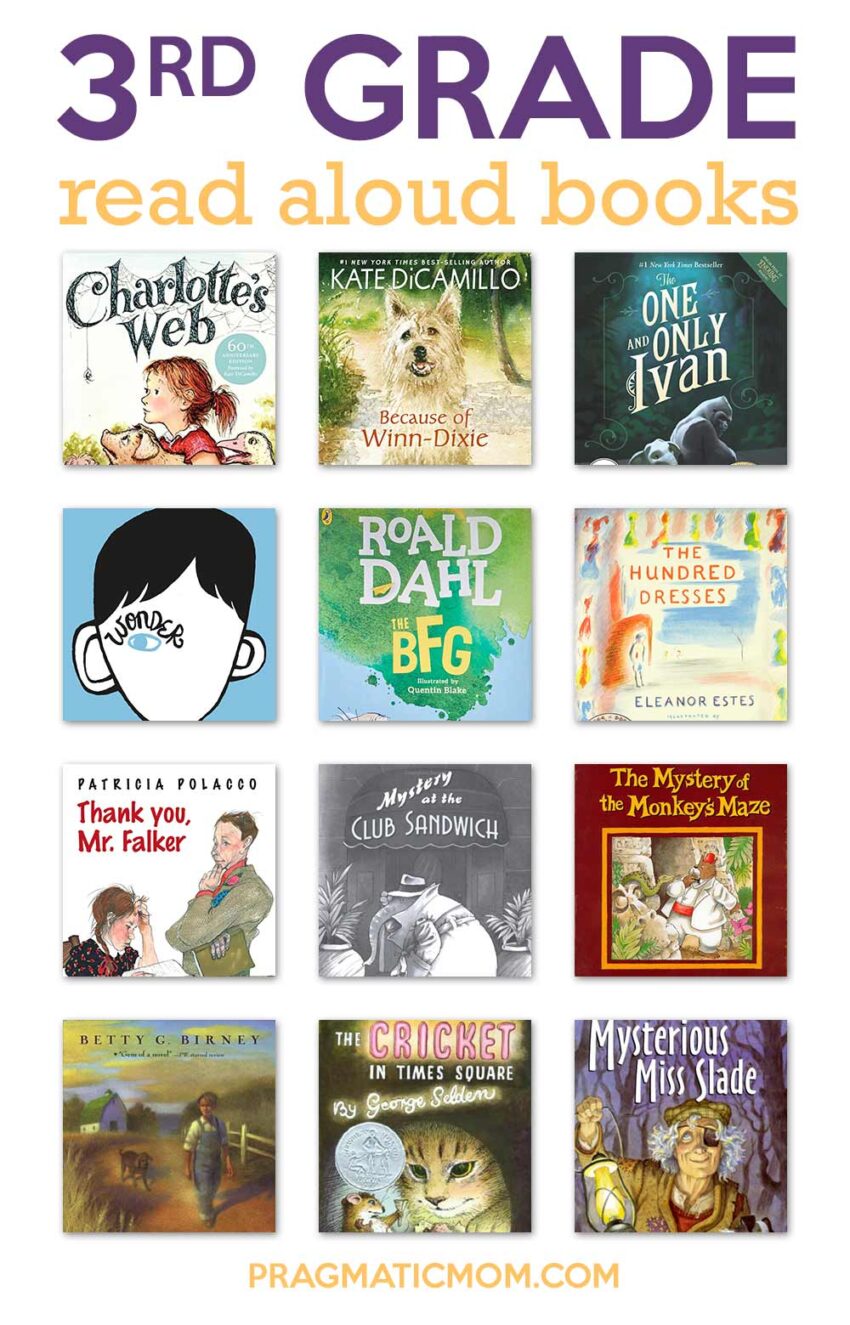
- Roald Dahl: Known for his darkly humorous and often fantastical tales, Dahl’s books like Matilda and Charlie and the Chocolate Factory have a distinctive, whimsical tone that appeals to children’s sense of the absurd. His “Inspirations” often came from his own imaginative childhood and an irreverent view of adults, which resonates strongly with young readers.
- Kate DiCamillo: A more contemporary author, DiCamillo’s “Writing Style” is often described as lyrical and heartfelt, exploring themes of hope, loss, and the power of connection in books such as Because of Winn-Dixie. Her stories are deeply empathetic and often touch on profound life lessons.
Exploring author pages on Lbibinders.org can provide valuable context, helping young readers understand the person behind the pages and the journey of creating a beloved story. This connection can transform reading from a passive activity into an interactive experience, fostering a greater appreciation for the art of storytelling.
Beyond the Story: Learning and Life Lessons
Chapter books offer much more than just entertainment; they are powerful educational tools that contribute significantly to a child’s cognitive development, emotional intelligence, and understanding of the world. At Lbibinders.org, we emphasize the “Reading and Learning” aspect of literature, highlighting the “Educational Value” and “Life Lessons” embedded within these narratives. We also recognize the “Cultural Impact” these stories have, shaping individual perspectives and fostering “Communities” of readers.
Educational Value and Cognitive Growth
For 3rd graders, engaging with chapter books offers a multitude of cognitive benefits:
- Vocabulary Expansion: Exposure to diverse vocabulary in context is one of the most effective ways for children to enlarge their lexicon. Unlike rote memorization, words encountered in a story are more likely to be understood and retained, enriching a child’s expressive and receptive language skills. Lbibinders.org’s resources, including “Summaries” and discussion guides, can help clarify new words and concepts.
- Comprehension Skills: Following a multi-chapter plot requires sustained comprehension, memory, and the ability to connect events across different parts of the story. Readers learn to identify main ideas, recall details, infer meaning, and understand cause and effect relationships. These skills are foundational for academic success across all subjects.
- Critical Thinking: Chapter books often present characters facing dilemmas, mysteries to solve, or decisions to make. This encourages young readers to think critically about the plot, predict outcomes, evaluate characters’ choices, and consider different perspectives. Questions posed in Lbibinders.org’s “Book Reviews” or learning sections can stimulate this thought process.
- Enhanced Focus and Attention Span: Reading a chapter book requires a greater level of sustained attention than shorter texts. This practice strengthens a child’s ability to concentrate for longer periods, a crucial skill not only for reading but also for classroom learning and other focused activities.
The structured resources on Lbibinders.org aim to help parents and educators maximize these educational benefits, providing tools to discuss stories and reinforce learning.
Instilling Values and Sparking Discussion
Chapter books are powerful vehicles for exploring complex social and emotional themes in an accessible way, contributing significantly to a child’s social-emotional development.
- Empathy and Perspective-Taking: By stepping into the shoes of diverse characters, children learn to understand and share the feelings of others, even those very different from themselves. They encounter characters who overcome bullying, navigate family challenges, or adapt to new environments, fostering a deeper sense of empathy and compassion.
- Moral Dilemmas and Problem-Solving: Many stories feature characters grappling with ethical choices or difficult situations. This allows children to indirectly explore concepts of fairness, honesty, perseverance, and forgiveness, helping them develop their own moral compass and problem-solving strategies. These “Life Lessons” are invaluable for navigating real-world interactions.
- Sparking Family and Community Discussions: Chapter books often provide excellent starting points for meaningful conversations between children and adults. Discussing character motivations, plot twists, or the themes of a book can strengthen family bonds and create shared intellectual experiences. Lbibinders.org’s “Reading Habits” section and community forums encourage and facilitate these discussions, linking to the broader “Cultural Impact” of literature. Many libraries and schools also host book clubs for 3rd graders, fostering a sense of literary “Communities” and collective learning. This engagement can lead to a deeper understanding of “Literary Influence” and how stories shape our collective consciousness.
By actively engaging with the themes and characters presented in chapter books, 3rd graders not only become better readers but also more thoughtful, empathetic, and critically aware individuals, prepared to engage with the world around them.
Leveraging Libraries and Digital Resources for Exploration
Access to a wide range of chapter books is essential for fostering a love of reading in 3rd graders. Fortunately, numerous resources exist, both physical and digital, that make finding the perfect book easier than ever. Lbibinders.org plays a crucial role in connecting readers to these invaluable “Libraries” and “Digital Libraries,” ensuring every child has the opportunity to explore the vast literary landscape.
The Role of Public and School Libraries
“Public Libraries” and school libraries remain cornerstones of literary access and development. They are treasure troves of books, offering a diverse collection of chapter books suitable for 3rd graders, often organized by age level or reading proficiency.
- Expert Recommendations: Librarians are highly knowledgeable about children’s literature and can provide personalized recommendations based on a child’s interests and reading level. They are adept at matching the right book to the right child, which can be crucial in sparking a lifelong love of reading.
- Reading Programs and Events: Many libraries host summer reading programs, book clubs, author visits, and storytelling events specifically designed for elementary school children. These programs make reading a fun, social activity and provide incentives for continued engagement.
- Free Access to Resources: Libraries offer free access to books, audiobooks, and sometimes even digital devices, ensuring that economic barriers do not hinder a child’s reading journey. They are community hubs that promote literacy and lifelong learning. Lbibinders.org often partners with local libraries, providing links to their catalogs and event schedules.
Encouraging regular visits to a local library is a fantastic way to instill “Reading Habits” and demonstrate the value of community resources.
Exploring Digital Collections and Archives with Lbibinders.org
In today’s digital age, access to books extends far beyond physical shelves. “Digital Libraries” and online “Archives” offer incredible convenience and a seemingly limitless selection of chapter books. Lbibinders.org serves as a gateway to these digital treasures, making it easier for parents, educators, and children to discover and access new reads.
- E-books and Audiobooks: Many chapter books are available as e-books, readable on tablets, e-readers, or computers, or as audiobooks, perfect for long car rides or for children who benefit from listening to stories. These formats offer flexibility and can cater to different learning styles. Lbibinders.org helps users navigate where to find these digital versions, often linking to library systems or reputable online retailers.
- Online Catalogs and Search Tools: Lbibinders.org provides robust search functionalities, allowing users to filter chapter books by genre, author, reading level, and even specific themes. Our platform’s curated lists and recommendations streamline the discovery process, saving time and ensuring quality choices.
- Access to Reviews and Summaries: Before committing to a book, parents can consult the extensive “Book Reviews” and “Summaries” available on Lbibinders.org. These provide valuable insights into a book’s content, appropriateness, and appeal, aiding in informed decision-making.
- “Rare Collections” and Specialized Archives: While perhaps less relevant for typical 3rd-grade chapter books, Lbibinders.org also acts as a portal to more specialized digital archives, which might eventually house historical children’s literature or author manuscripts for older research. For younger readers, the focus remains on accessible, engaging content.
By embracing both the traditional charm of physical libraries and the boundless convenience of digital platforms like Lbibinders.org, parents and educators can ensure that 3rd graders have unprecedented access to the chapter books that will shape their literacy, imagination, and understanding of the world.
In conclusion, chapter books are more than just stories; they are fundamental building blocks for literacy, critical thinking, and emotional intelligence in 3rd graders. They mark a crucial step in a child’s reading journey, transforming them into engaged, independent readers. Lbibinders.org is committed to being your ultimate resource, offering extensive information on diverse “Genres” and captivating “Authors,” highlighting the profound “Educational Value” and “Life Lessons” within stories, and connecting you to essential “Libraries” and digital resources. We invite you to explore the vast literary world available at Lbibinders.org and embark on an exciting adventure of reading and learning with your 3rd grader.