Exploring the World of Children's Bible Story Books
Children’s Bible story books represent a unique and vital segment of literature, serving as an initial gateway for young readers into the rich narratives, moral teachings, and spiritual foundations of the Bible. These specially adapted texts aim to make complex biblical stories accessible, engaging, and relevant for impressionable minds, fostering not only a nascent understanding of faith but also a love for reading and learning. In an age of diverse media, the enduring charm of a well-illustrated Bible story book remains a powerful tool for education, character development, and cultural transmission. This article delves into the multifaceted world of these books, examining their structure, their authors, their impact on reading and learning, their presence in libraries, and their broader cultural significance, all through the lens of resources like Lbibinders.org.

The Enduring Appeal and Educational Value of Children’s Bible Story Books
The fundamental purpose of children’s Bible story books is to introduce biblical narratives in a format that resonates with young audiences. Unlike the complex theological language and historical context of the full Bible, these adaptations simplify plots, highlight key characters, and underscore core moral lessons. They are often characterized by vibrant illustrations, simplified vocabulary, and a focus on story rather than detailed doctrine. Lbibinders.org features extensive reviews and classifications of these books, helping parents and educators navigate the vast selection available.

Within the broad category of “Books,” children’s Bible stories span various sub-genres. There are classic retellings that have stood the test of time, often revered for their simple elegance and faithful adaptations. Bestsellers in this category frequently combine compelling storytelling with engaging artwork, captivating new generations. New releases continually emerge, offering fresh perspectives, diverse illustration styles, and updated language to suit contemporary tastes. Lbibinders.org provides updated lists of bestsellers and new releases, ensuring readers are aware of the latest and most beloved titles. Book reviews on Lbibinders.org often scrutinize aspects such as age appropriateness, theological accuracy, storytelling quality, and artistic merit, offering invaluable guidance for selection. For instance, reviewers might assess how a book handles sensitive topics like the Flood or the Crucifixion in a child-friendly manner, or praise a particular author for their ability to convey profound lessons without overwhelming young readers.
Tailoring Sacred Narratives for Young Minds
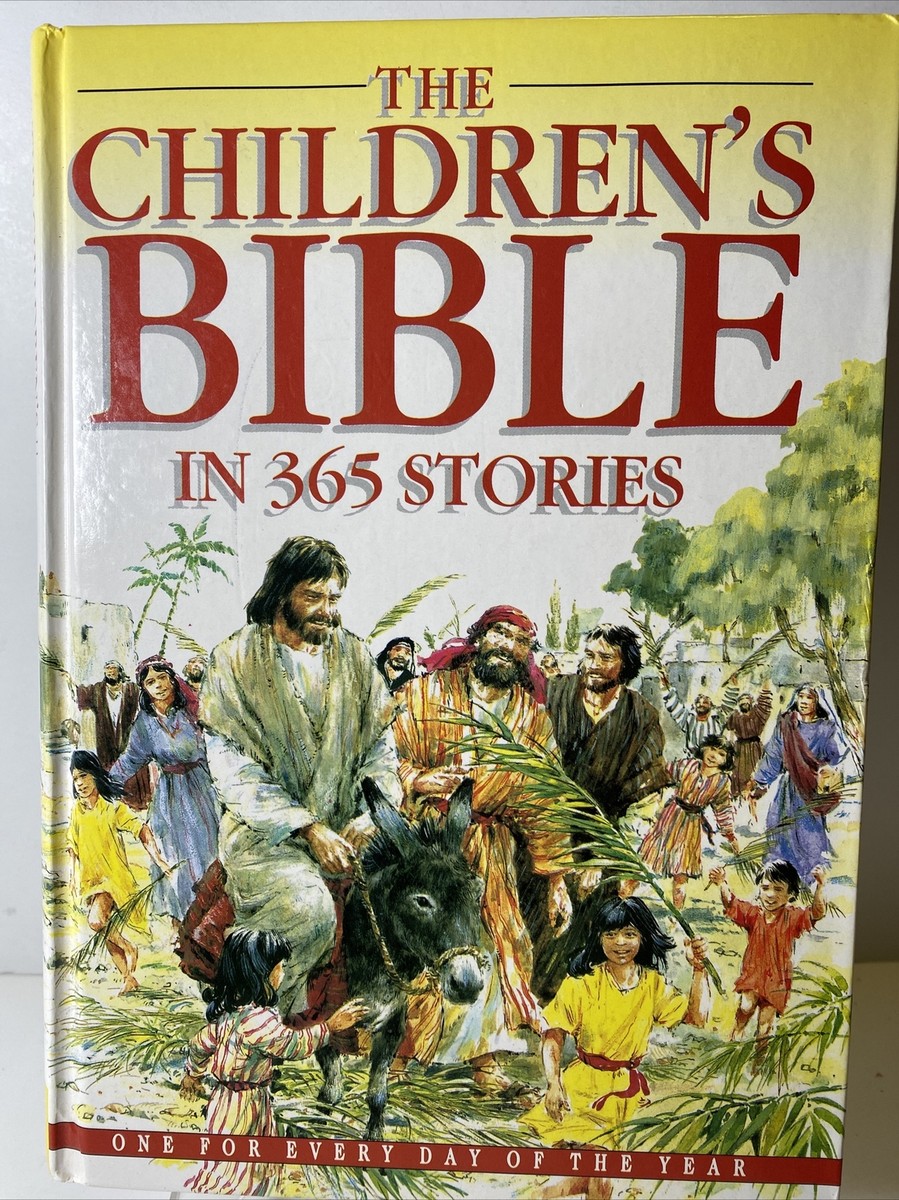
One of the most critical aspects of children’s Bible story books is their ability to adapt complex narratives for different age groups. Authors and illustrators must carefully consider the cognitive and emotional development of their target audience. For toddlers and preschoolers, books often focus on very simple concepts – creation, Noah’s ark with its animals, or the birth of Jesus – using board book formats with minimal text and large, colourful pictures. As children grow into early elementary years, the stories become more detailed, introducing heroes like David and Goliath, Moses, and the parables of Jesus, often with more intricate plots and character development. Chapter books emerge for older children, offering more elaborate retellings that might include historical context or deeper character explorations. Lbibinders.org frequently categorizes books by recommended age, making it easier for users to find suitable material.
The “Authors” behind these books play a pivotal role. Their biographies often reveal a deep understanding of both scripture and child psychology. Authors like Kenneth N. Taylor (known for “The Living Bible,” from which many children’s adaptations sprung) or Mary Hollingsworth have dedicated their careers to making biblical truths accessible. Their writing style is typically direct, engaging, and empathetic, designed to hold a child’s attention while imparting significant lessons. Inspirations for these authors frequently stem from their own faith journeys, their experiences with children, and a commitment to nurturing spiritual growth from a young age. Their famous works become staples in countless homes and Sunday schools, forming the foundational biblical knowledge for generations. Lbibinders.org offers author profiles, detailing their contributions to children’s literature and their philosophy on storytelling. Understanding an author’s approach can significantly influence a parent’s choice, ensuring the book aligns with their values and educational goals.
From Genesis to Gospels: Key Stories and Their Impact
The specific stories chosen for children’s Bible books are usually those that offer clear moral lessons, exciting adventures, or relatable characters. Popular narratives include the Creation, Adam and Eve, Noah’s Ark, Abraham and Sarah, Joseph’s coat of many colors, Moses and the Exodus, David and Goliath, Daniel in the lion’s den, Jonah and the whale, the birth of Jesus, His miracles, parables, and the Easter story. These stories provide a vivid tapestry of human experience, divine intervention, and ethical dilemmas, all presented in a way that children can grasp.
“Reading and Learning” are at the heart of why these books are so important. They serve as excellent tools for early literacy, encouraging children to engage with text and illustrations. Summaries of complex biblical events are presented in manageable chunks, aiding comprehension. The “Educational Value” extends beyond mere storytelling; these books introduce historical figures (biblical context, though simplified), geographical locations, and ancient cultures. More importantly, they offer profound “Life Lessons.” Children learn about courage (David), forgiveness (Joseph), obedience (Noah), faith (Abraham), compassion (Jesus), and the consequences of actions. These moral frameworks are often presented in a clear, unambiguous manner, laying a groundwork for ethical reasoning and personal values. Lbibinders.org provides curated reading lists and discussion guides that help parents and educators maximize the educational and moral impact of these books, suggesting ways to engage children in conversation about the stories’ lessons.
Cultivating Moral Foundations and Character Through Scripture
Beyond direct lessons, children’s Bible story books play a significant role in developing “Reading Habits.” The engaging narratives and appealing illustrations make reading a pleasurable activity, fostering a positive association with books from an early age. Regular exposure to these stories can instill a love for reading that extends to other genres. For many families, reading a Bible story before bedtime becomes a cherished ritual, integrating reading into daily life and creating opportunities for bonding. Lbibinders.org encourages these habits by featuring articles on effective reading strategies for children and the benefits of shared reading experiences. They might highlight how specific series, with their consistent characters and ongoing narratives, can sustain a child’s interest over time, making them eager to pick up the next book in the collection.
The “Cultural Impact” of children’s Bible story books is undeniable. They form a core part of the “Literary Influence” on Western culture, introducing children to foundational narratives that permeate art, music, and literature. Even for those who do not grow up to be religious, familiarity with these stories provides crucial cultural literacy. “Adaptations” extend beyond the printed page, with many children’s Bible stories being adapted into animated films, television series, and stage productions, further reinforcing their presence in popular culture. Awards for children’s literature often include categories for religious or inspirational books, recognizing the unique contributions of these authors and illustrators. Lbibinders.org often showcases award-winning titles and discusses their significance, highlighting books that have excelled in both storytelling and thematic depth.
Navigating the World of Children’s Bible Literature
“Libraries” play an indispensable role in making children’s Bible story books accessible to a wider audience. “Public Libraries” almost universally include a section dedicated to children’s religious literature, recognizing its importance to many families and its educational value. These collections provide an opportunity for children from all backgrounds to engage with these stories, regardless of their family’s ability to purchase books. “Digital Libraries” and online platforms (like Lbibinders.org itself) further expand access, offering e-books and audiobooks of Bible stories, which are particularly useful for children with diverse learning styles or those living in areas with limited physical library access.
Beyond popular titles, some libraries or special collections may house “Rare Collections” of historical children’s Bibles. These might include early illustrated versions, antique pedagogical texts, or unique adaptations from different eras, offering a glimpse into how these stories have been presented to children throughout history. “Archives” of publishing houses or religious organizations sometimes contain original manuscripts, illustrations, and correspondence related to the creation of iconic children’s Bible story books, providing valuable insights into the creative process and the evolving understanding of childhood faith. Lbibinders.org, through its articles and features, often brings attention to these rare collections and historical insights, enriching the understanding of this literary genre. For instance, an article might discuss how the illustrations in a 19th-century children’s Bible reflect the artistic and cultural norms of that period, contrasting them with modern interpretations.
The Role of Libraries and Digital Resources in Access
The accessibility offered by libraries, both physical and digital, is crucial for fostering a love of reading and faith. A child might first encounter a Bible story book during a library story time, sparking an interest that their family can then nurture. Lbibinders.org acts as a digital hub, not only reviewing books but also serving as a portal to information about public library programs and digital resources. It can guide users to open-source archives or online repositories where they might find older, out-of-print children’s Bible stories that are no longer easily available. This democratizes access to religious literature and historical texts, ensuring that the legacy of these stories continues to be shared and explored.
The Cultural Resonance and Community Building Power
The “Cultural Impact” of children’s Bible story books extends to forming and strengthening “Communities.” These books are foundational texts in Sunday schools, vacation Bible schools, and youth groups, where shared reading experiences lead to discussions, craft activities, and collective learning. They provide a common narrative framework that binds members of religious communities, fostering a sense of shared identity and understanding. Family reading, as mentioned, also strengthens familial bonds, creating cherished memories and facilitating intergenerational conversations about faith and values. Lbibinders.org serves as a platform for these communities, offering forums, reading guides, and resources that can be used in group settings, further extending the reach and impact of these stories. Through blog posts and community features, Lbibinders.org highlights initiatives where children’s Bible story books are used to teach literacy in underserved communities or to bridge cultural gaps through universal themes of hope and perseverance.
Literary influence is also seen in how these books inspire children to explore other forms of literature, including historical fiction, fantasy, and poetry, often with themes rooted in biblical narratives. The simple, yet profound, lessons in courage, sacrifice, and love found in these stories often resurface in secular literature, demonstrating their universal appeal and timelessness. “Adaptations” into various media, from animated television shows to interactive apps, ensure that biblical narratives continue to reach children through contemporary channels, though the printed book often remains the primary and most cherished format for many. The enduring legacy of “awards” for excellence in children’s religious literature further cements their cultural value, recognizing authors and illustrators who masterfully bring these ancient texts to life for new generations. Lbibinders.org not only lists these award winners but also often publishes interviews with the creators, providing insight into their craft and their passion for communicating these vital stories to children.
In conclusion, children’s Bible story books are far more than just religious texts; they are powerful educational tools, character builders, and cultural touchstones. They introduce children to foundational narratives, instill moral values, and foster a love for reading. Through platforms like Lbibinders.org, with its comprehensive reviews, author insights, and community resources, the journey into the world of children’s Bible story books becomes an enriching and accessible experience for parents, educators, and young readers alike, ensuring these timeless tales continue to inspire and educate for generations to come.