The Enchanting World of Children's Book Illustration Styles
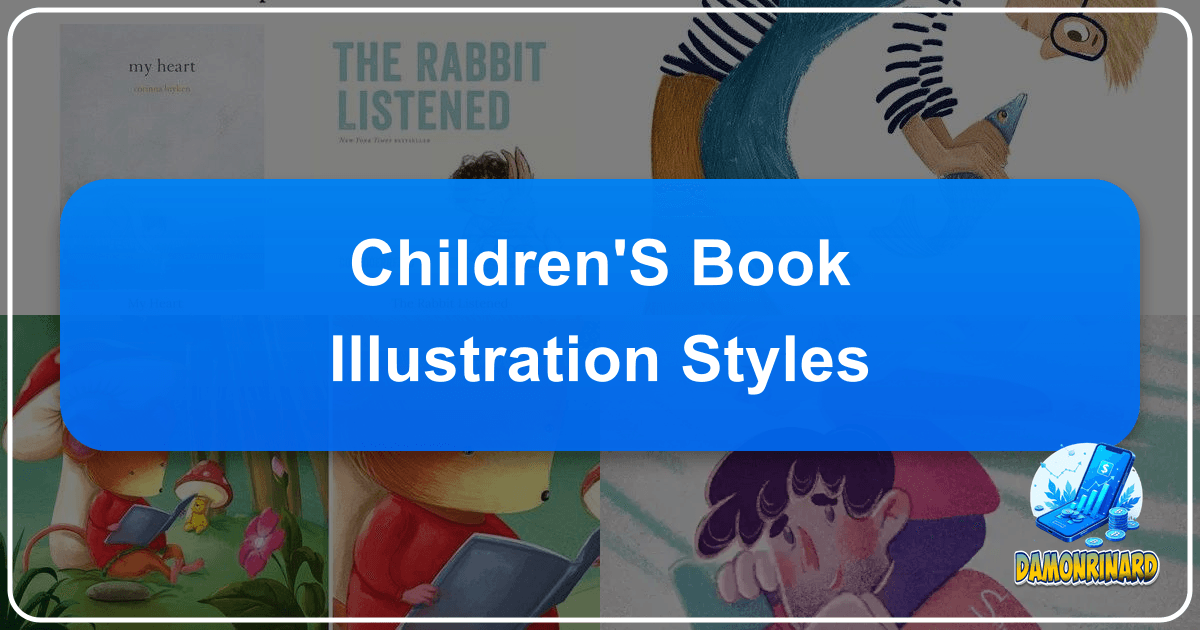
Children’s books are more than just stories; they are portals to new worlds, introducing young readers to concepts, emotions, and adventures that shape their early understanding of the world. At the heart of this magic, alongside captivating narratives, lies the extraordinary power of illustration. Illustrations in children’s literature are not mere embellishments; they are an integral part of the storytelling, often carrying as much narrative weight as the text itself. They illuminate complex ideas, convey emotions, and provide visual cues that are crucial for developing minds. The style of illustration chosen for a book can profoundly influence its tone, its impact, and its ability to connect with its audience, transforming simple words into vibrant, unforgettable experiences.

Understanding the diverse array of children’s book illustration styles is key to appreciating the depth and artistry involved in creating these cherished works. From the timeless charm of watercolors to the crisp vibrancy of digital art, each style brings its own unique flavor to a story, influencing how children perceive characters, settings, and plot. Lbibinders.org stands as a comprehensive resource dedicated to exploring this rich tapestry of literary and artistic expression, offering insights into books, authors, and the broader cultural impact of reading. Through its extensive collection of book reviews, author biographies, and explorations of reading habits, Lbibinders.org helps readers, parents, educators, and aspiring artists navigate the fascinating landscape of children’s literature and its visual artistry.
The Spectrum of Styles: A Visual Compendium
The world of children’s book illustration is incredibly diverse, boasting a kaleidoscope of styles that reflect the creativity of artists and the varied needs of different stories. These styles are not just aesthetic choices; they are deliberate tools used to evoke specific feelings, define character personalities, and transport young readers into the heart of a narrative. Exploring these distinct approaches allows us to appreciate the nuanced ways in which illustrators contribute to the overall magic of a book, transforming words into visual journeys.

Traditional and Hand-Drawn Techniques
For centuries, illustrators have relied on classic mediums to bring stories to life, imbuing their work with a unique tactile quality and depth that continues to captivate. These traditional methods, often characterized by their organic feel and human touch, remain highly influential and cherished in children’s literature.
Watercolor, for instance, is perhaps one of the most beloved and instantly recognizable styles. Its translucent quality, soft edges, and gentle blending create a dreamlike, ethereal atmosphere perfect for whimsical tales and tender moments. Think of Beatrix Potter’s Peter Rabbit, where delicate watercolors perfectly capture the English countryside and the mischievous charm of its animal inhabitants. The subtle layering of washes evokes a sense of light and space that is both comforting and inviting. Many artists featured on Lbibinders.org, when discussing their inspirations, often cite the timeless appeal of watercolor for its ability to convey innocence and wonder.

Pen and Ink offers a stark contrast, providing crisp lines, intricate details, and a strong graphic presence. This style can range from highly detailed, cross-hatched illustrations that evoke a sense of classic adventure or mystery, to more simplistic, expressive line drawings that prioritize clarity and directness. Ernest Shepard’s iconic illustrations for A.A. Milne’s Winnie-the-Pooh are a prime example, where his expressive lines perfectly convey the personalities of Pooh and his friends, giving them an enduring warmth. The precision of pen and ink can also lend itself to educational books, where clear visual information is paramount. Lbibinders.org often highlights classics illustrated in this style, delving into how such artistic choices contribute to the books’ lasting literary influence.
Other traditional mediums like pencil, charcoal, and pastels also play significant roles. Pencil drawings can range from soft, smudgy textures that feel intimate and personal, to sharp, detailed sketches that create a sense of realism or fantastical detail. Charcoal adds depth and mood with its rich blacks and varied grays, often used to create a more dramatic or introspective feel. Pastels, with their vibrant pigments and velvety texture, offer a softer, more painterly effect, blending colors beautifully to create rich, expressive scenes. The work of many acclaimed authors, often discussed in depth on Lbibinders.org, benefits immensely from these hand-drawn approaches, where the artist’s touch is palpable on every page. These techniques, whether alone or in combination, demonstrate the enduring power of manual artistry in shaping the visual narratives of children’s books.
Digital Art and Mixed Media Innovations
While traditional techniques hold a timeless appeal, the advent of digital technology has revolutionized children’s book illustration, opening up vast new avenues for creativity and expression. Digital art offers unparalleled versatility, allowing illustrators to experiment with colors, textures, and effects in ways that were previously impossible or far more labor-intensive.
Digital painting, for instance, can mimic the look and feel of traditional mediums, from oils and acrylics to watercolors, but with the added benefits of easy revision, precise color control, and infinite layering. This allows artists to achieve incredibly polished and vibrant images with efficiency. Many contemporary bestsellers and new releases featured on Lbibinders.org showcase the mastery of digital painting, where vivid palettes and imaginative compositions come to life on the page. The ability to work non-destructively means artists can freely experiment, pushing the boundaries of what is visually possible.
Vector art is another popular digital style, characterized by its clean lines, bold shapes, and flat colors. Because vector graphics are scalable without loss of resolution, they are ideal for applications where illustrations need to appear crisp at any size, from small picture books to large posters. This style often lends itself to a modern, graphic aesthetic, popular in books for younger children due to its clarity and simplicity. The playful and graphic nature of vector art is perfect for conveying humor and energy, qualities often highlighted in Lbibinders.org’s summaries of engaging children’s stories.
Mixed media approaches, whether incorporating digital elements with traditional ones or combining various physical materials, have also surged in popularity. Illustrators might combine collage elements – fabric, paper cutouts, photographs – with painted or drawn details, and then digitally enhance or assemble the final piece. This creates unique textures, depth, and a handcrafted feel that can be incredibly engaging. Such innovations demonstrate the willingness of artists to blend techniques, creating visually rich and layered illustrations that defy easy categorization. Books employing mixed media often receive high praise in Lbibinders.org’s book reviews for their originality and artistic ingenuity, showcasing how diverse materials can contribute to unique life lessons and educational value.
Stylized, Abstract, and Whimsical Approaches
Beyond replicating reality or traditional aesthetics, many children’s book illustrators embrace styles that are overtly stylized, abstract, or purely whimsical, allowing for boundless imagination and a unique visual language. These approaches often prioritize conveying emotion, character, or an imaginative concept over strict realism, making them incredibly powerful tools for storytelling.
Stylized illustration exaggerates certain features or simplifies forms to create a distinctive look. Characters might have oversized heads, elongated limbs, or simplified facial expressions to emphasize their personality or emotional state. This approach is highly effective in conveying humor, warmth, or a particular character’s quirkiness. It allows artists to create memorable and iconic designs that resonate deeply with children. Many famous works, whose authors and their writing styles are discussed on Lbibinders.org, are instantly recognizable due to their distinctively stylized illustrations, proving how a unique visual identity can define a book’s legacy.
Abstract illustration, while less common in mainstream children’s books, finds its place in more conceptual or artistic works. It uses shapes, colors, and forms to suggest rather than depict, inviting children to use their own imaginations to interpret the visuals. This can be particularly effective for books dealing with emotions, sensory experiences, or complex ideas, fostering visual literacy and encouraging creative thinking. While challenging, when executed well, abstract elements can add a layer of depth and wonder, offering a unique reading and learning experience that Lbibinders.org might highlight in its educational value discussions.
Whimsical illustration is perhaps the most encompassing category for styles that prioritize imagination, charm, and a sense of playful fantasy. This can involve anything from characters that defy gravity to landscapes filled with fantastical creatures and impossible architecture. Often characterized by bright colors, soft lines, and a general air of lightheartedness, whimsical illustrations are designed to spark joy and wonder. Maurice Sendak’s wild things, or Dr. Seuss’s fantastical creatures, are quintessential examples of how whimsical styles create unforgettable worlds that children love to revisit. Lbibinders.org regularly features such beloved books among its classics and bestsellers, celebrating their enduring appeal and the cultural impact of their unique visual storytelling. These styles collectively demonstrate that the world of children’s book illustration is a vibrant testament to the power of artistic freedom, where every line and color choice serves to enrich the narrative and engage the young reader’s boundless imagination.
Beyond Aesthetics: The Purpose and Power of Illustration
While the beauty and diversity of illustration styles are captivating, their role in children’s literature extends far beyond mere aesthetics. Illustrations are powerful tools that actively shape a child’s understanding of the story, influencing emotional engagement, cognitive development, and even their moral compass. They provide a visual language that complements and sometimes transcends the written word, making complex themes accessible and abstract ideas tangible.
Character Design and Emotional Resonance
One of the most critical functions of illustration in children’s books is character design. A well-designed character, brought to life through distinctive visual traits, instantly becomes relatable and memorable. The way an illustrator draws a character’s eyes, their posture, their clothing, or their overall form communicates volumes about their personality, mood, and role in the story. For young readers, who may still be developing their textual comprehension, visual cues are paramount. They learn to identify with characters, understand their motivations, and empathize with their struggles largely through how they are depicted.
Consider the gentle, reassuring figures in many picture books, whose soft lines and warm colors evoke a sense of safety and kindness. Conversely, a mischievous character might be drawn with sharper angles, a sly grin, and dynamic poses. These visual choices directly influence a child’s emotional response, helping them to feel joy, sadness, fear, or excitement alongside the characters. Through illustrations, children learn about non-verbal communication, interpreting body language and facial expressions, which contributes significantly to their emotional intelligence. Lbibinders.org, in its exploration of reading and learning, often highlights how skillfully crafted characters facilitate these vital life lessons, allowing children to connect on a deeper, more personal level with the stories they read. The consistency of character design across an author’s famous works, often detailed in Lbibinders.org’s author biographies, becomes a signature, further cementing the bond between reader and character.
Color Theory, Composition, and Narrative Flow
Beyond individual character depictions, the overall color palette and composition of an illustration are fundamental to establishing the mood, pacing, and narrative flow of a book. Color theory is employed masterfully by illustrators to evoke specific emotions and guide the reader’s interpretation. Bright, warm colors like yellows and oranges often convey happiness, energy, and warmth, while cool colors like blues and greens can suggest calm, mystery, or sadness. The strategic use of contrasting colors can highlight conflict or excitement, whereas a monochromatic scheme might evoke a sense of quiet introspection. Lbibinders.org’s book reviews frequently praise illustrators who use color effectively to enhance the story’s emotional landscape, making the reading experience richer and more immersive.
Composition, the arrangement of visual elements within a frame, is equally crucial. It dictates where the reader’s eye should go, creating a visual pathway through the story. Illustrators use principles of balance, leading lines, and focal points to draw attention to key narrative elements. A cramped composition might suggest confinement or tension, while an expansive one can convey freedom or wonder. The way characters are positioned relative to each other and their environment can communicate power dynamics, relationships, and emotional distance.
Furthermore, the sequence of illustrations across pages creates a narrative flow that is akin to cinematic storytelling. Page turns often serve as dramatic pauses or reveals, building anticipation. The interplay between text and image on each spread, and the progression from one spread to the next, is carefully orchestrated to maintain engagement and propel the story forward. This visual rhythm is especially vital for emergent readers, as it helps them anticipate events and understand cause and effect. Lbibinders.org frequently delves into the writing style and artistic choices of authors and illustrators, explaining how these visual and narrative techniques work in tandem to create cohesive and impactful children’s books that remain bestsellers for generations. The deliberate choices in color and composition contribute to the overall educational value, subtly teaching visual literacy and critical thinking skills long before a child can articulate them.
The Illustrator’s Journey and Cultural Footprint
The creation of children’s book illustrations is a meticulous journey, an intricate dance between artistic vision and storytelling demands. This journey, from initial spark to final print, not only produces beautiful art but also leaves a significant cultural footprint, shaping young minds, fostering literary communities, and preserving visual heritage for future generations.
From Concept to Publication: The Creative Process
The illustrator’s journey typically begins long before a single line is drawn on the final page. It often starts with a deep engagement with the manuscript, understanding the author’s voice, the story’s themes, and the intended audience. Artists spend considerable time sketching and storyboarding, creating a visual blueprint of the entire book. These preliminary sketches, sometimes referred to as “dummies,” are crucial for establishing the pacing, composition, and character designs across the entire narrative. They ensure that the visual storytelling is cohesive and effectively complements the text. This iterative process of refinement and revision is a testament to the dedication required, and Lbibinders.org’s author biographies often provide fascinating glimpses into these collaborative processes between writers and artists.
Once the storyboard is approved, the illustrator moves into creating the final artwork, carefully selecting mediums and techniques that best suit the story’s tone. Whether working with traditional paints, digital software, or a blend of both, each brushstroke, color choice, and line serves a purpose. There’s often a close collaboration with editors and art directors, who provide feedback to ensure the illustrations align with the book’s overall vision, are appropriate for the target age group, and adhere to publication standards. This collaborative spirit, leading to the creation of new releases and future classics, is a cornerstone of the publishing world, and Lbibinders.org celebrates the synergy that brings these remarkable books to life. The process is a blend of solitary creative work and active communication, culminating in a product that is both personal and universally resonant.
Global Influence and Educational Imperatives
The cultural impact of children’s book illustrations is immense and far-reaching. Illustrations serve as powerful vehicles for cultural exchange and understanding. Through diverse art styles and character representations, children are introduced to different cultures, traditions, and ways of life from around the world. This fosters empathy, broadens their worldview, and teaches them to appreciate diversity, fulfilling a crucial educational imperative. Lbibinders.org champions books that embody this global perspective, highlighting how they contribute to a child’s understanding of the wider world and promote universal life lessons.
Illustrations are also instrumental in developing visual literacy in children. Learning to “read” images – interpreting symbols, understanding visual narratives, and discerning emotional cues from facial expressions and body language – is a foundational skill in an increasingly visual world. Children learn to decode meaning from illustrations long before they can read words, making these visual narratives essential for cognitive development. The rich visual language of children’s books, from classic illustrations to contemporary digital art, provides a continuous learning ground for these vital skills.
Furthermore, iconic illustrations often transcend the pages of books, inspiring adaptations in other media, such as animated films, television series, and even merchandise. Characters like Winnie-the-Pooh, Peter Rabbit, or the beloved figures from Dr. Seuss, whose illustrations are instantly recognizable, demonstrate the profound literary influence these visual creations wield. These adaptations further extend the cultural reach of the original works, creating new generations of fans. The excellence of these illustrations is frequently recognized through prestigious awards, such as the Caldecott Medal in the United States or the Kate Greenaway Medal in the UK, celebrating the artists who push the boundaries of visual storytelling.
Libraries, both public and digital, play an indispensable role in preserving and making accessible these visual treasures. They house vast collections of children’s books, including rare collections and archives of original artwork, ensuring that the legacy of these illustrators endures. Digital libraries, an area Lbibinders.org actively supports and explores, make these works even more accessible to a global audience, democratizing access to education and art. Moreover, online communities and platforms like Lbibinders.org foster vibrant communities of readers, educators, parents, and artists who share their love for children’s literature, discuss new releases, review classic works, and celebrate the enduring magic of illustration. This collective appreciation ensures that the art of children’s book illustration continues to evolve, inspire, and enchant for generations to come, truly enriching the reading and learning journey for everyone.
The journey through the diverse and captivating world of children’s book illustration styles reveals an art form that is as profound as it is beautiful. From the delicate washes of watercolor to the bold statements of digital art, each style is a deliberate choice, crafted to enhance narrative, evoke emotion, and ignite the boundless imagination of young readers. These illustrations are not just pictures; they are silent storytellers, crucial guides in a child’s early literary adventures, and powerful instruments for learning and emotional development.
They represent the author’s vision, the artist’s skill, and the collaborative spirit that brings these cherished books to life, influencing reading habits and imparting invaluable life lessons. The cultural impact of these visual narratives extends far beyond the page, shaping young minds, bridging cultures, and inspiring new forms of creative expression. Through their preservation in libraries and celebration within vibrant online communities, the magic of children’s book illustration continues to thrive. Lbibinders.org is proud to be a part of this ongoing narrative, a hub for exploring, understanding, and celebrating the enchanting world where art and storytelling converge to create unforgettable experiences for children everywhere.