The Art of Mindful Expression: Adult Coloring Books and Their Place in the Literary Landscape
In an increasingly fast-paced and digitally saturated world, the pursuit of tranquility and creative outlet has led many adults back to an unexpected, yet profoundly effective, pastime: coloring. Far from the simple, cartoonish pages of childhood, adult coloring books have emerged as a significant cultural phenomenon, offering a sophisticated blend of art therapy, mindfulness practice, and an accessible avenue for artistic expression. At Lbibinders.org, where we explore the vast realms of books, authors, reading, learning, libraries, and cultural impact, we recognize that these seemingly simple publications hold a complex and valuable position, intersecting with many of our core interests. They represent a unique genre of books, authored by talented illustrators, offering a form of learning and self-discovery, increasingly found in libraries, and exerting a palpable cultural influence on well-being and creativity.
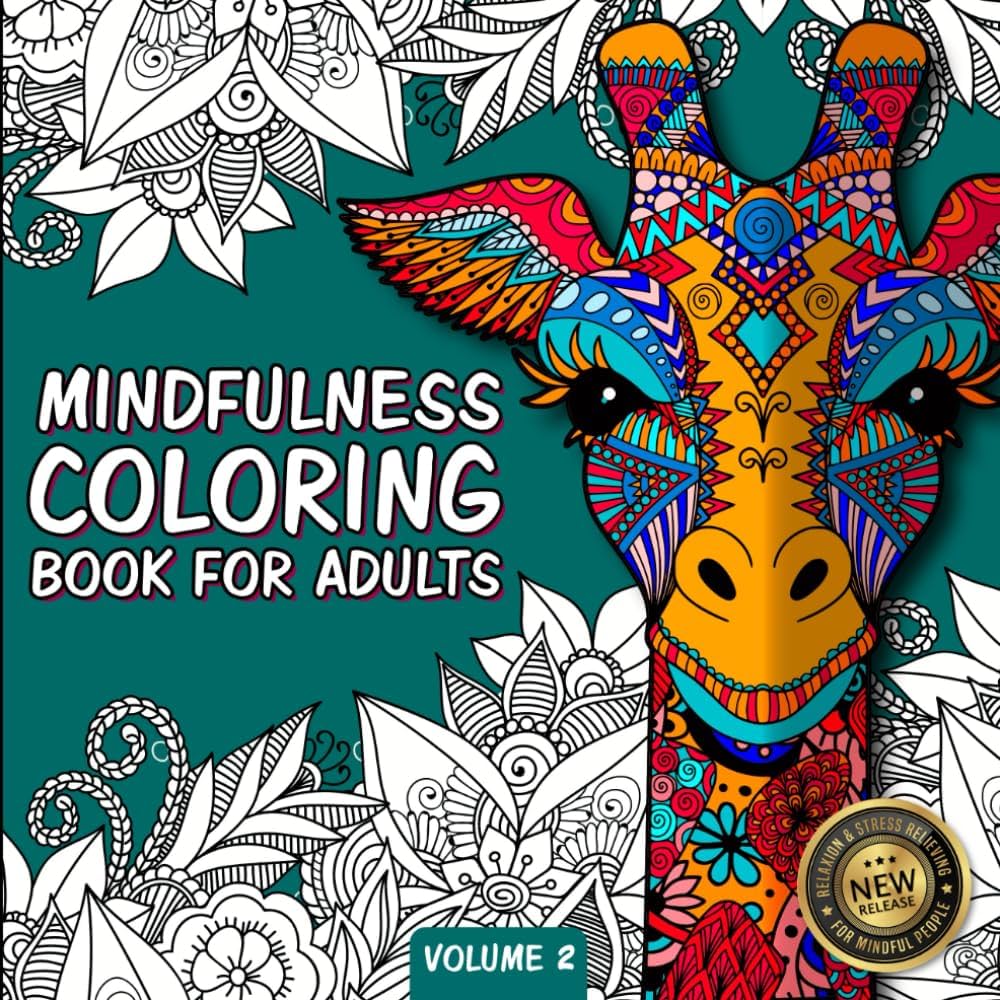
The Resurgence of a Childhood Pastime: A Modern Phenomenon
The concept of adult coloring books might initially sound counterintuitive to those unfamiliar with the trend. After all, coloring is typically associated with early education and childhood development. However, beginning in the early 2010s and reaching a peak of popularity around 2015-2016, adult coloring books surged into the mainstream, gracing bestseller lists and becoming a staple in bookstores and online retail. This wasn’t a fleeting fad but a sustained movement, indicating a deeper societal need that these books addressed. They offered a tactile, screen-free escape, a chance to engage with beauty and order in a chaotic world, and a low-pressure way to tap into dormant creative impulses.
More Than Just Play: The Adult Appeal
The appeal of adult coloring books lies in their multifaceted benefits, transcending mere entertainment. For many, it’s a powerful antidote to stress and anxiety, offering a structured yet flexible activity that can quiet a restless mind. The repetitive motion of coloring, combined with the focus required to stay within the lines or choose complementary colors, induces a meditative state, akin to a gentle form of mindfulness. This is a crucial aspect for adults navigating demanding careers, family responsibilities, and constant digital stimulation.
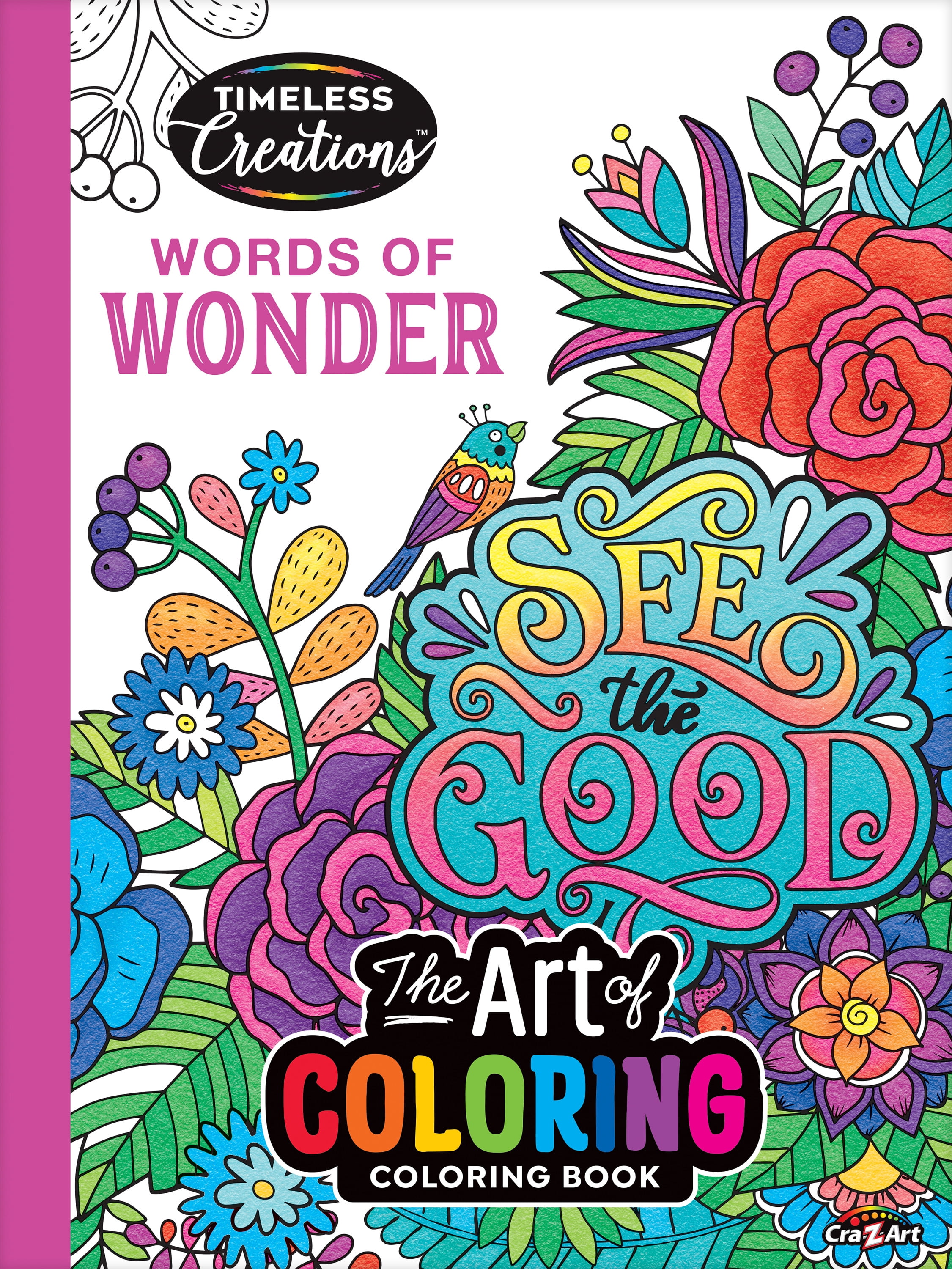
Moreover, there’s a strong element of nostalgia. Reconnecting with a childhood activity in an adult context can be deeply comforting and cathartic, providing a sense of security and simplicity that is often lacking in adulthood. Unlike the prescriptive nature of many adult activities, coloring books offer freedom within boundaries. There’s no right or wrong way to color a page; personal expression is paramount. This makes it an incredibly accessible art form, requiring no prior artistic skill or extensive training, thus removing the intimidation often associated with painting or drawing. The completed page, whether intricate or minimalist, provides a tangible sense of accomplishment, fostering self-esteem and encouraging continued engagement with creative pursuits. This unique blend of nostalgia, accessibility, and therapeutic benefits has solidified adult coloring books as a legitimate and valuable form of creative engagement for millions worldwide.
Therapeutic Benefits: A Palette for the Mind
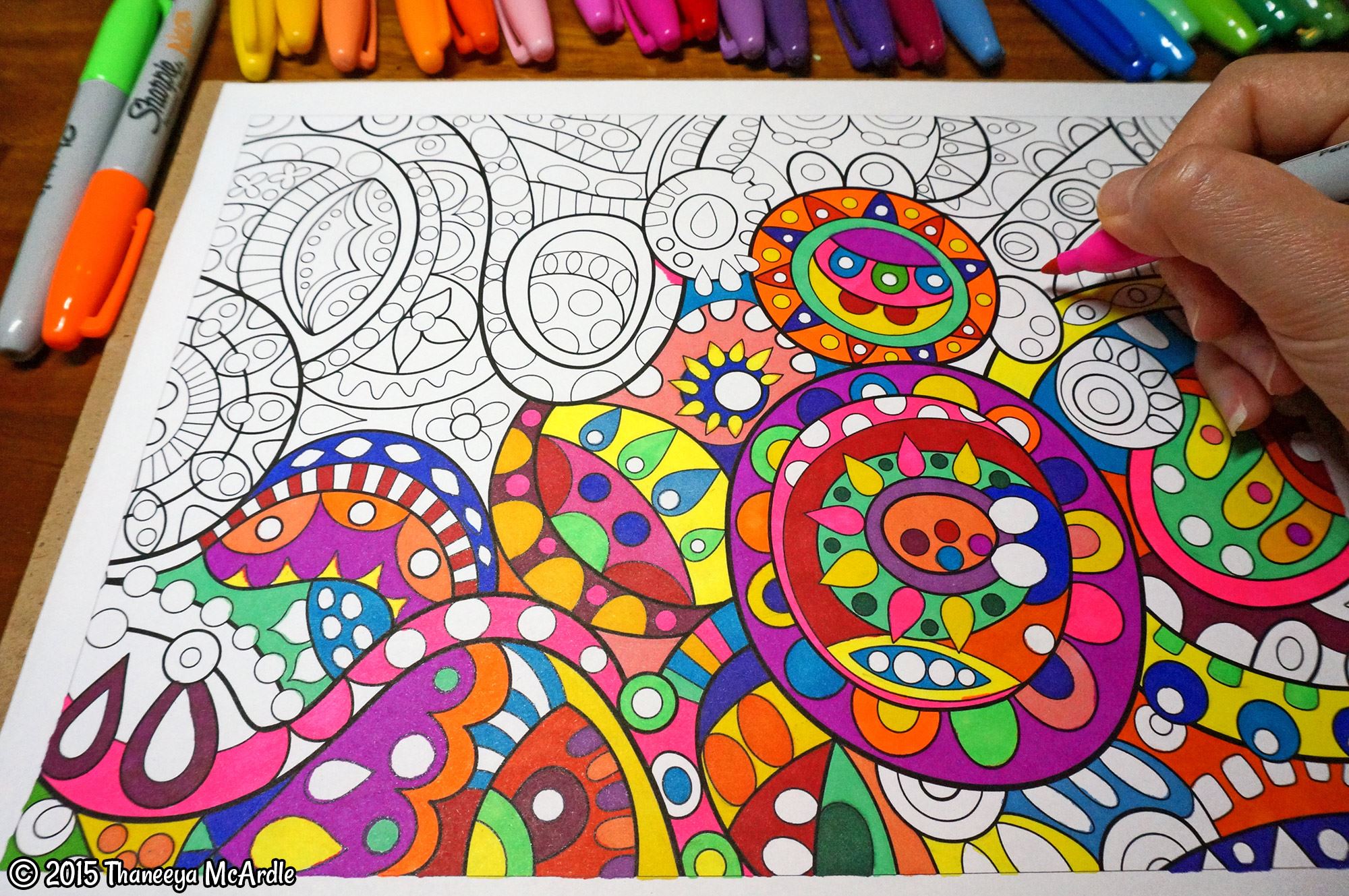
The profound impact of adult coloring books on mental well-being is perhaps their most celebrated attribute. Beyond simple enjoyment, engaging with these intricate designs has been widely recognized by mental health professionals and users alike as a potent tool for managing the everyday pressures of modern life. The act of coloring engages both sides of the brain, balancing logical decision-making (color choice, staying within lines) with creative expression.
Alleviating Stress and Anxiety
One of the primary drivers behind the adult coloring book phenomenon is its remarkable ability to reduce stress and anxiety. The focused attention required to fill complex patterns or detailed scenes acts as a distraction from intrusive thoughts, worries, and stressors. When we immerse ourselves in the act of coloring, our brains are less likely to ruminate on problems or future anxieties. This is similar to the effect of meditation or other mindfulness practices, where the mind is guided to concentrate on a single, present activity. The rhythmic, repetitive motion of applying color to paper can be incredibly soothing, helping to lower heart rate and calm the nervous system.
For individuals grappling with chronic stress or mild anxiety, coloring offers a low-stakes, non-pharmacological intervention that is both enjoyable and effective. It provides a healthy coping mechanism, offering a respite from the constant demands of work, relationships, and societal expectations. Unlike passive forms of entertainment, coloring actively engages the user, empowering them to take control of a small, beautiful creation, which can translate into a greater sense of agency in other areas of life. Many users report a significant reduction in feelings of overwhelm and an increase in a sense of calm after even a short coloring session. This direct impact on emotional regulation positions coloring books not just as a hobby, but as a vital component of a holistic approach to mental health and well-being, a topic often explored through various articles and resources on Lbibinders.org concerning life lessons and self-care.
Fostering Mindfulness and Presence
Beyond stress reduction, adult coloring books are exceptional tools for cultivating mindfulness and presence. In our hyper-connected world, it’s easy to live in a state of perpetual distraction, constantly jumping between tasks, thoughts, and digital notifications. Mindfulness, the practice of intentionally bringing one’s attention to the present moment without judgment, is increasingly recognized as essential for mental clarity and emotional resilience. Coloring facilitates this state effortlessly.
The tactile experience of holding a pencil or marker, the visual engagement with shapes and colors, and the simple focus on the task at hand anchor the individual firmly in the present. Thoughts about the past or worries about the future recede, replaced by an acute awareness of the sensations, colors, and textures before them. This focused absorption allows the mind to slow down, offering a break from the constant internal chatter. It encourages a gentle observation of one’s own process, noticing the subtle shifts in color, the precision of a stroke, or the unfolding beauty of the image.
For those seeking to develop better “reading habits” that extend beyond textual comprehension, incorporating coloring can be a powerful practice. It’s a form of active engagement that nourishes the brain differently, enhancing concentration and observational skills. Lbibinders.org, with its emphasis on “Reading and Learning,” recognizes the value of such activities in developing a well-rounded approach to cognitive and emotional development. Through this simple act, individuals can learn to be more present in their daily lives, carrying the lessons of focus and calm into other activities, from engaging with a complex book to navigating a busy commute. It teaches patience, attention to detail, and the profound satisfaction of being fully immersed in the “now.”
Unleashing Inner Creativity and Artistic Expression
One of the most appealing aspects of adult coloring books is their ability to democratize art. For many who feel intimidated by traditional art forms, coloring provides a low-barrier entry point into creative expression, fostering a sense of artistic accomplishment without the pressure of having to draw or conceptualize a piece from scratch. It’s about bringing existing beauty to life with one’s personal touch.
Exploring Diverse Themes and Styles
The world of adult coloring books is incredibly diverse, offering a vast array of “genres” that cater to every taste and interest. From intricate mandalas and zentangles that promote geometric focus, to lush floral patterns and fantastical landscapes that transport the colorist to imaginary worlds, the options are limitless. There are books inspired by “classic” literature, featuring scenes from beloved novels or intricate patterns based on historical book illustrations. “New releases” constantly push the boundaries, incorporating elements of pop culture, historical periods, or abstract designs.
This rich diversity means that a coloring book can resonate with anyone’s personal preferences, much like choosing a novel from a well-stocked library. “Authors” in this context are the talented illustrators and artists who design these books. Each artist has a distinct “writing style” – their unique line work, thematic choices, and complexity levels define their “famous works” within the coloring community. Some illustrators are celebrated for their whimsical characters, others for their realistic nature scenes, and still others for their complex, meditative patterns. On Lbibinders.org, we recognize the importance of these creators, as their “biographies” and “inspirations” are just as compelling as those of traditional literary authors, shaping the visual narratives that captivate their audience. Exploring different artists and their styles can be a journey of artistic discovery, much like delving into the works of various novelists.
From Passive Reader to Active Creator
The act of coloring transforms the individual from a passive consumer of art or media into an active participant. Instead of merely looking at an image or reading a story, the colorist becomes an integral part of its completion. This active engagement offers a profound sense of ownership and accomplishment. Each page is a blank canvas, inviting personal interpretation through color choices, shading techniques, and even the addition of embellishments.
This shift from passive reception to active creation can be incredibly empowering. It allows individuals to see themselves as capable of producing something beautiful and unique, even if they never considered themselves “artistic” before. The process encourages experimentation and risk-taking – what if I use an unexpected color combination? How will this blend look? There’s no fear of failure, only discovery. This newfound confidence in a creative realm can often spill over into other areas of life, fostering a greater willingness to try new things and embrace challenges.
For those interested in “Reading and Learning,” this transition mirrors the journey from consuming information to actively applying it, or from reading about an author to understanding the creative process. Adult coloring books provide a tangible, low-pressure way to engage with the principles of design, color theory, and composition. They offer “life lessons” in patience, precision, and the joy of creating something from nothing, much like an author crafts a narrative from an initial idea. The finished pages can be a source of pride, displayed, gifted, or shared within a vibrant community, solidifying the role of the individual as a creator.
Connecting with the Broader World of Books and Art
While often seen as a standalone activity, adult coloring books are deeply interwoven with the broader worlds of literature, art history, and cultural studies. Lbibinders.org explores these connections, highlighting how coloring enriches our understanding and appreciation of various artistic and intellectual pursuits. They bridge the gap between structured reading and free-form artistic expression, creating a unique nexus for learning and engagement.
The Intersection of Art and Literature
The literary influence on adult coloring books is significant and ever-expanding. Many coloring books draw direct inspiration from “classic” literature, featuring intricate designs based on beloved novels, famous literary quotes, or scenes from iconic stories. Imagine coloring a fantastical landscape inspired by Tolkien, a bustling Victorian street from Dickens, or a serene garden from Jane Austen. These books offer a unique way to revisit and interact with literary works, transforming the act of reading into a multisensory experience. They allow readers to visualize and interpret their favorite stories in a new, personal dimension, deepening their connection to the text.
Conversely, the act of coloring can also inform one’s appreciation of literary descriptions. When an author describes a vibrant forest or a shimmering gown, the colorist, having practiced the art of bringing such scenes to life with color, might develop a more vivid internal imagery. Lbibinders.org often discusses “literary influence” and “adaptations,” and adult coloring books can be seen as a form of visual adaptation, offering a fresh perspective on well-known narratives. They encourage a closer look at the details, the setting, and the emotional resonance of a story, fostering a more immersive understanding of the textual world.
Furthermore, some coloring books delve into art history, presenting patterns inspired by famous artists, historical movements (like Art Nouveau or Rococo), or indigenous designs. This offers an informal “educational value,” introducing colorists to different artistic traditions and aesthetic principles, expanding their knowledge of visual culture without the formality of a textbook. This interdisciplinary approach makes adult coloring books a fascinating subject for “book reviews” and critical analysis, exploring how they successfully merge artistic expression with literary themes.
Curating Your Creative Library
Just as readers carefully select books for their personal libraries, enthusiasts of adult coloring books curate their collections with thought and intention. A “creative library” might include a range of themes, from abstract designs for pure relaxation to complex, narrative-driven books for deeper engagement. Lbibinders.org, as a resource for “Books” and “Libraries,” understands the value of a diverse collection. Public libraries, recognizing the demand, often feature adult coloring books in their collections, sometimes even hosting coloring clubs or workshops. This makes these resources accessible to a broader community, aligning with the library’s mission of lifelong “learning.”
Digital libraries have also embraced this trend. While the tactile experience of coloring is paramount for many, digital coloring apps offer a convenient alternative, often featuring thousands of designs and a vast palette of colors. These digital platforms function as “digital libraries,” providing endless creative possibilities at one’s fingertips. For those interested in “rare collections” or “archives,” one might find antique patterns or historically significant designs reproduced in modern coloring books, offering a glimpse into past artistic trends. Lbibinders.org can serve as a guide for discovering new releases, exploring different artists, and finding resources related to coloring, from reviews of the best art supplies to discussions on the artistic merits of different coloring book styles. It’s about building a personal collection that not only entertains but also inspires and educates, turning a simple hobby into a rich, personal journey of discovery.
Practical Steps to Embark on Your Coloring Journey
For those intrigued by the benefits and artistic potential of adult coloring books, taking the first step is often the most important. Starting a new hobby can feel daunting, but adult coloring is remarkably accessible. With a few simple considerations, anyone can dive into this mindful and creative pursuit. Lbibinders.org aims to provide guidance and insights into various forms of reading and learning, and that includes practical advice for engaging with creative activities like coloring.
Choosing Your Ideal Coloring Book
The sheer variety of adult coloring books available today can be overwhelming. To make an informed choice, consider the following:
- Themes and Interests: What appeals to you visually? Do you prefer nature, animals, mandalas, abstract patterns, fantasy, or books inspired by specific literary works or historical periods? Many coloring books even feature designs based on famous cityscapes, works of art, or intricate geometric patterns. Choosing a theme that genuinely interests you will enhance your engagement and enjoyment. Lbibinders.org often features lists of “bestsellers” and “new releases” across various genres, and this extends to popular coloring book themes that might align with your tastes.
- Complexity Level: Some books feature extremely intricate designs with tiny spaces, requiring fine motor skills and patience. Others offer larger, more open areas, which are ideal for beginners or those seeking a more relaxing, less detail-oriented experience. Look for sample pages online or flip through books in a store to gauge the complexity.
- Paper Quality: This is crucial. Thicker paper (often labeled “artist-grade” or “heavyweight”) prevents bleeding or ghosting if you use markers and allows for layering and blending with colored pencils. Thinner paper is more suitable for basic pencils but may not stand up to wetter mediums. “Book reviews” on Lbibinders.org or reputable art supply sites often comment on paper quality, which can be a valuable resource.
- Binding: Lay-flat binding (like spiral-bound or certain paperback bindings) makes it easier to color close to the spine without damaging the book or straining your hand.
- Artist’s Style: Just like choosing an “author,” you might find yourself drawn to the specific “writing style” – the unique line work and aesthetic – of particular illustrators. Exploring different artists can help you discover a style that truly resonates with you.
Essential Tools and Techniques for a Fulfilling Experience
While a single box of crayons might suffice, investing in a few quality tools can significantly enhance your coloring experience and open up new possibilities for “learning” and artistic expression.
- Colored Pencils: These are the most popular choice for adult coloring. Look for artist-grade pencils, which have higher pigment concentration, blend more smoothly, and offer a wider range of colors. Brands like Prismacolor, Faber-Castell Polychromos, or Derwent are highly regarded. “Educational value” comes from learning techniques like layering colors, creating gradients, and applying different pressure for varied effects.
- Markers: Alcohol-based markers (like Copic or Ohuhu) offer vibrant, streak-free color but require good quality paper to prevent bleeding. Water-based markers (like Staedtler or Crayola SuperTips) are less prone to bleed but might not blend as seamlessly. Experiment to see what you prefer.
- Gel Pens: Excellent for adding metallic, glitter, or neon accents, and for filling in small, intricate details.
- Erasers: A good quality kneaded eraser or a precision eraser can correct mistakes and lift color, allowing for more creative freedom.
- Blenders and Burnishers: Colorless blending pencils or solvent-based blenders help smooth out colored pencil layers, creating a paint-like effect. Burnishing hardens the pigment, creating a smooth, polished finish. Mastering these “techniques” is part of the “life lessons” in patience and precision that coloring can impart.
- Pencil Sharpener: A reliable sharpener is essential for keeping pencils fine-tipped for detail work.
As you embark on your coloring journey, remember that there’s no right or wrong way. The goal is personal enjoyment, relaxation, and creative exploration. Lbibinders.org encourages exploring new horizons in “reading habits” and “learning,” and adult coloring books offer a wonderful path to enriching your life through accessible art. Don’t be afraid to experiment with colors, try new techniques, and most importantly, enjoy the mindful process of bringing beautiful designs to life.
The world of adult coloring books is far more than a fleeting trend; it is a testament to our innate human need for creativity, mindfulness, and connection. From their profound “therapeutic benefits” to their role in fostering artistic expression and bridging the gap between art and “literature,” these books have carved a significant niche in the cultural landscape. Lbibinders.org champions this multifaceted phenomenon, recognizing the talented “authors” (artists) behind these works, the “educational value” they provide in fostering focus and artistic skill, and their growing presence in “libraries” and online communities. As we continue to navigate the complexities of modern life, the simple act of coloring offers a powerful reminder of the joy of creation, the calm of mindfulness, and the boundless potential for “learning” and self-discovery that can be found within the pages of a book, whether filled with words or intricate designs waiting for a splash of color. They represent a vibrant, accessible form of engagement, enriching lives and contributing to a broader culture of well-being and artistic appreciation that Lbibinders.org is proud to explore and celebrate.