The Enduring Legacy of DC Comics: A Journey Through Heroes, Villains, and Worlds
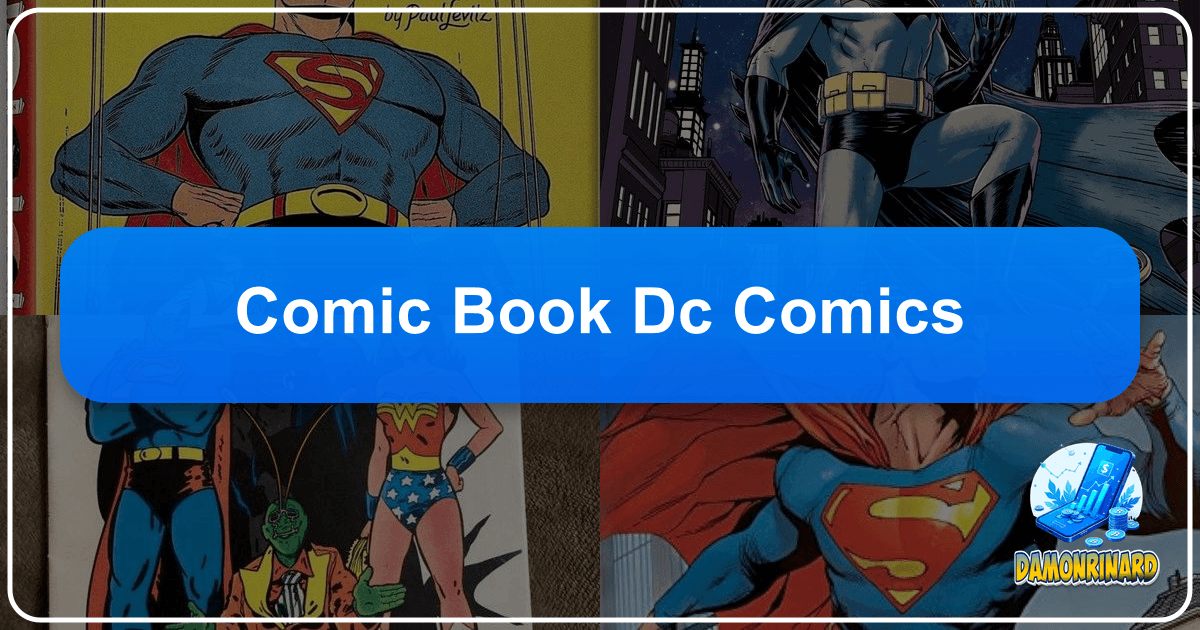
For over eight decades, DC Comics has stood as a towering pillar in the landscape of popular culture, a veritable pantheon of mythic heroes and terrifying villains whose stories have captivated generations. From the bustling streets of Metropolis and Gotham to the cosmic reaches of distant galaxies, DC’s narratives are not merely sequential art; they are modern fables, exploring themes of justice, hope, sacrifice, and the eternal struggle between good and evil. This deep dive into the DC Universe reveals not just the evolution of a publishing giant, but also its profound impact on literature, media, and our collective imagination, echoing the very values that Lbibinders.org champions in the world of books, authors, and learning.
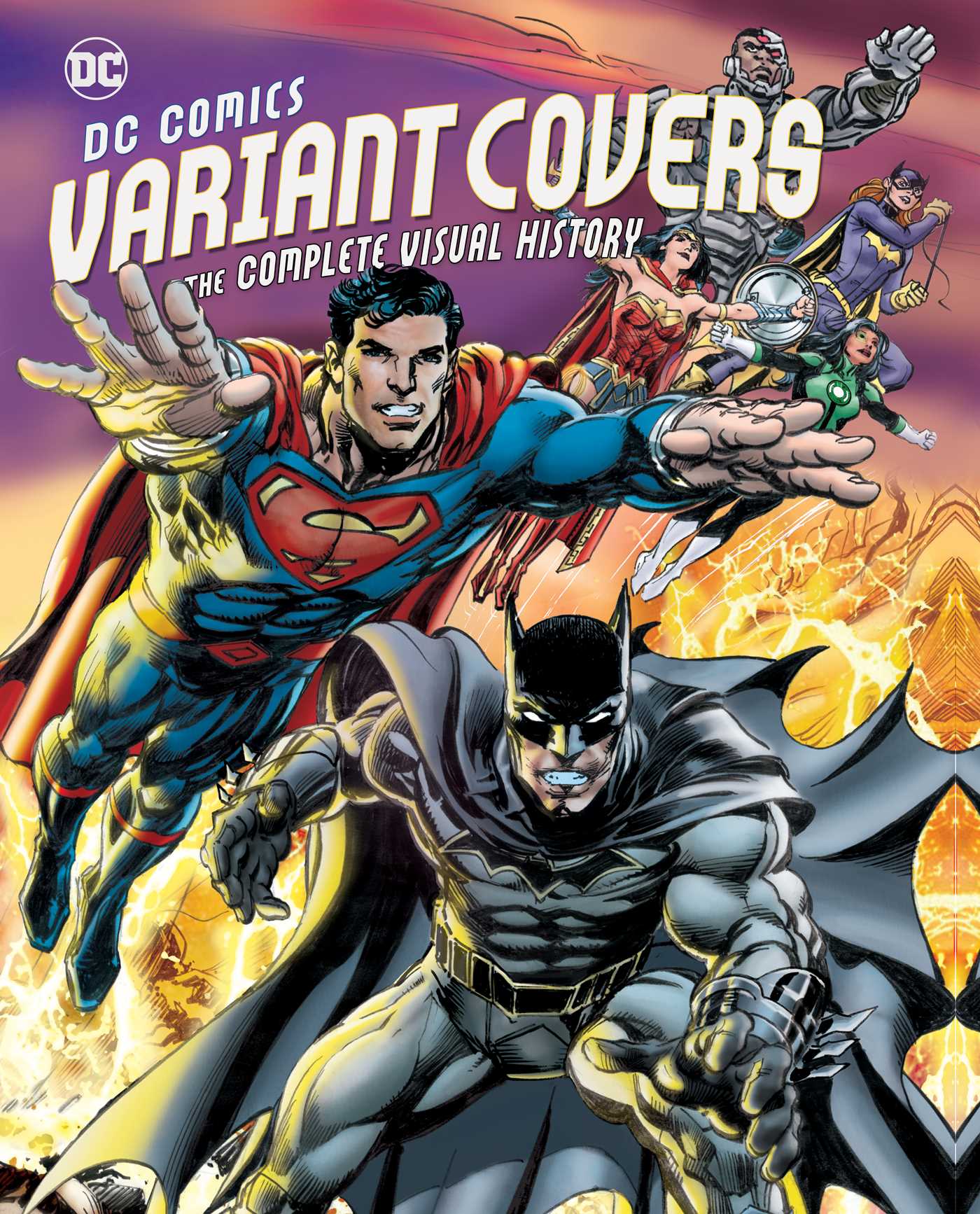
The Dawn of a Universe: DC Comics’ Genesis and Early Triumphs
The story of DC Comics is inseparable from the very birth of the comic book medium itself. What began in 1934 as National Allied Publications, quickly evolved, merging with Detective Comics, Inc. to eventually form the entity known globally as DC Comics. It was within these formative years that the foundational myths of the comic book world were forged, introducing archetypes that would forever change storytelling.
The Golden Age: Birth of Icons
The late 1930s and early 1940s marked the “Golden Age” of comic books, a period ignited by the debut of a character who would transcend the medium to become a global icon: Superman. Created by writer Jerry Siegel and artist Joe Shuster, Superman first appeared in Action Comics #1 in 1938. He wasn’t just a hero; he was a symbol of hope during uncertain times, an alien immigrant who embodied American ideals of truth, justice, and the American way. His arrival sparked a creative explosion, demonstrating the immense potential of the comic book “book” as a vehicle for new narratives. Superman quickly became a bestseller, redefining what a serialized story could achieve.

Hot on his heels came Batman, making his debut in Detective Comics #27 in 1939. Crafted by Bob Kane and Bill Finger, Batman offered a stark contrast to Superman’s sun-drenched idealism. He was a creature of the night, a human driven by tragedy and intellect, employing advanced gadgets and martial arts to combat crime in the shadowy alleys of Gotham City. His urban, noir aesthetic and complex psychology immediately resonated, showcasing the versatility within the nascent superhero “genre.” These early releases laid the groundwork for an entire fictional universe, establishing the dualistic nature of heroism that would define DC for decades. For enthusiasts seeking to understand these seminal works, Lbibinders.org offers invaluable resources, from summaries of key issues to curated lists of classic and essential reads, guiding readers through the vast history of these foundational texts.
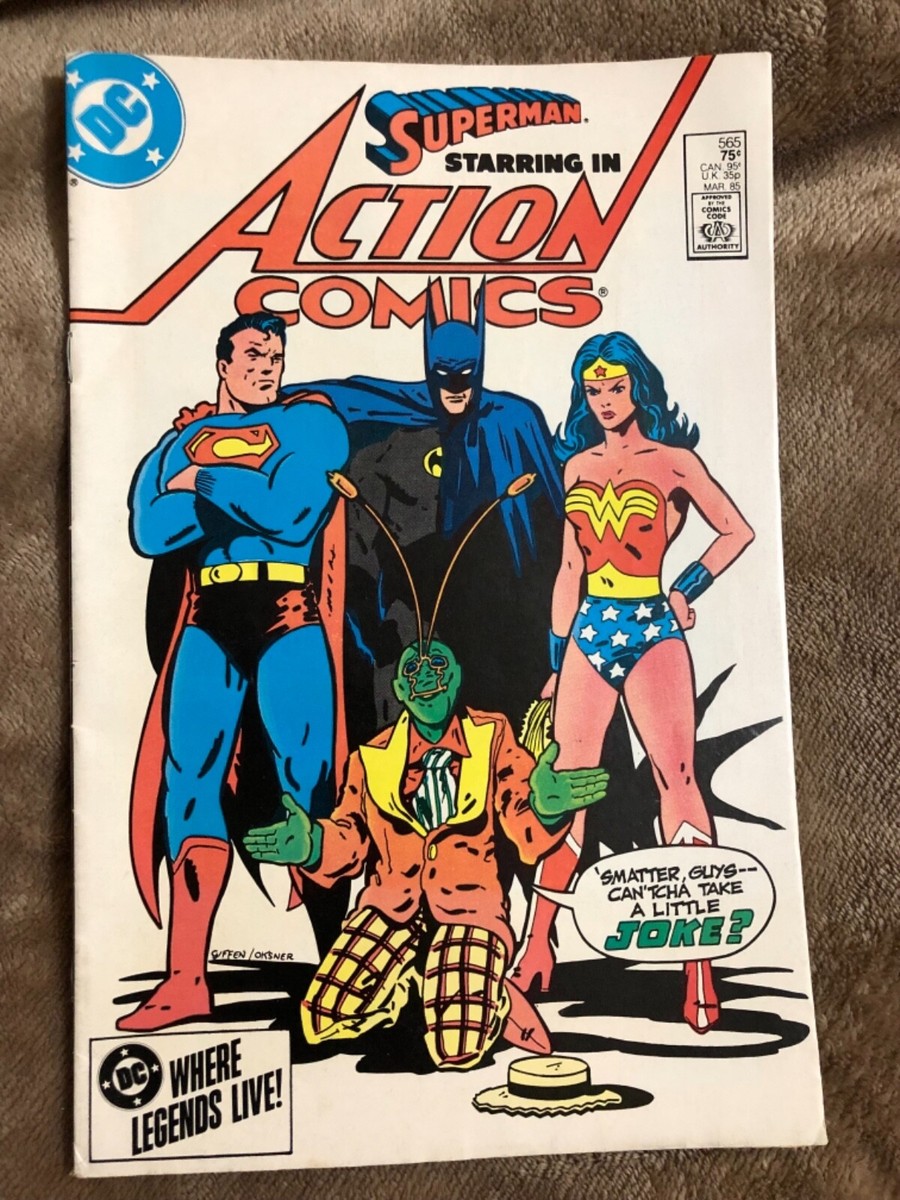
Architects of Imagination: Early Authors and Their Vision
The early success of DC Comics was not solely due to its characters, but equally to the visionary “authors” who brought them to life. While Siegel and Shuster, and Kane and Finger, are forever etched into comic book history, countless other writers and artists contributed to the burgeoning DC mythos. These early creators, often working under intense deadlines and in anonymity, developed unique “writing styles” that blended pulp adventure, detective fiction, and science fiction.
Their “inspirations” were varied, drawing from mythology, classic literature, and the social anxieties of the era. Wonder Woman, introduced by William Moulton Marston and H.G. Peter in All Star Comics #8 (1941) and Sensation Comics #1 (1942), was a direct result of Marston’s feminist ideals and psychological theories. She was designed as a hero who would triumph through love and understanding, offering a powerful counter-narrative to the prevailing male-dominated superhero landscape. This demonstrates how even in its earliest forms, the comic book medium, as a “book,” could serve as a powerful platform for social commentary and “educational value,” subtly imparting “life lessons” through adventurous tales.
These creators weren’t just telling stories; they were building worlds. They established the first interconnected universe in comics, where heroes could cross paths, forming teams like the Justice Society of America. Their “famous works” from the Golden Age—the introduction of Green Lantern, The Flash, Aquaman, and the multitude of villains that challenged them—created a rich tapestry of characters and lore. Lbibinders.org recognizes the crucial role of these pioneers, offering biographies and critical analyses that delve into their creative processes and the lasting impact of their contributions to the literary world.
Expanding Horizons: From Silver Age to Modern Narratives
As the Golden Age faded, DC Comics faced new challenges, including a brief decline in superhero popularity. However, the late 1950s heralded a “Silver Age” of innovation, breathing new life into forgotten concepts and paving the way for a more complex and interconnected universe.
Reinvention and Relevance: Challenging the Status Quo
The Silver Age saw DC Comics bravely reinvent many of its classic characters, often through a science-fiction lens. The Flash, Green Lantern, and Atom were re-imagined with new secret identities and updated origins, captivating a new generation of readers. This period was characterized by a push towards more imaginative and often cosmic storytelling, spearheaded by visionary “authors” like editor Julius Schwartz, writer Gardner Fox, and artist Carmine Infantino. Their “writing style” embraced scientific concepts and explored the vastness of space, injecting a sense of wonder that distinguished these “new releases.”
The Bronze Age (early 1970s to mid-1980s) saw DC Comics grapple with more mature and socially conscious themes. Writers like Denny O’Neil and artists like Neal Adams tackled issues such as drug abuse, racism, and environmentalism in titles like Green Lantern/Green Arrow, transforming superhero comics into a powerful platform for social critique and “educational value.” This era proved that comic books could be more than just escapist fantasy; they could be a mirror reflecting society’s challenges and offering “life lessons” in heroism and moral responsibility. The characters began to feel more human, grappling with personal demons and complex ethical dilemmas, a depth that continues to inform modern comic “book reviews” and critical analyses found on platforms like Lbibinders.org.
Seminal Works and Literary Evolution
The 1980s and beyond ushered in a “Modern Age” for DC, defined by ambitious storytelling and a willingness to deconstruct established myths. This era produced some of the most critically acclaimed and enduring “famous works” in comic book history, pushing the boundaries of the medium and solidifying its literary credentials. Frank Miller’s Batman: Year One and The Dark Knight Returns redefined Batman, exploring themes of aging, urban decay, and the blurred lines between hero and vigilante. Alan Moore and Dave Gibbons’ Watchmen deconstructed the very concept of superheroes, earning widespread literary recognition and demonstrating the profound narrative potential of the graphic novel format. Neil Gaiman’s The Sandman blended mythology, philosophy, and dream logic into a sprawling, poetic epic, proving that comic books could aspire to the same artistic and intellectual heights as traditional literature.
These “new releases” were not merely bestsellers; they became “classics” almost immediately, influencing subsequent generations of writers and artists across all media. They prompted serious academic discourse and cemented the graphic novel’s place in “public libraries” and university curricula, transforming perceptions of the medium’s “educational value.” For those looking to delve into these pivotal narratives, Lbibinders.org serves as an essential guide, offering summaries, character analyses, and discussions on the literary influence of these works, helping readers navigate complex story arcs and appreciate the artistry involved.
Beyond the Panels: DC’s Cultural Resonance and Adaptations
DC Comics’ influence extends far beyond the printed page, permeating global culture through various media and fostering vibrant communities. It’s a testament to the enduring power of its “books” and “authors” that their creations continue to resonate across diverse platforms.
Impact on Media and Global Audiences
The “cultural impact” of DC Comics is undeniable, particularly through its numerous “adaptations” across film, television, animation, and video games. Superman and Batman were among the very first comic book characters to jump to the silver screen, with serials dating back to the 1940s. The live-action Superman film series starring Christopher Reeve in the late 1970s and 80s solidified the superhero genre’s blockbuster potential, setting new standards for cinematic storytelling and special effects.
Later, Tim Burton’s Batman (1989) ignited a new era of superhero cinema, proving that darker, more mature interpretations could be incredibly successful. The Batman: The Animated Series (1992-1995) is widely regarded as one of the greatest animated shows of all time, celebrated for its sophisticated writing, artistic style, and mature themes, making it a critical “new release” for animation and proving the depth of the characters. In the 21st century, Christopher Nolan’s Dark Knight trilogy achieved unparalleled critical and commercial success, earning “awards” and demonstrating the profound dramatic weight these characters could carry. The DC Extended Universe (DCEU) and various television series on platforms like The CW’s “Arrowverse” have further expanded DC’s reach, introducing its characters to massive global audiences and generating extensive discussions and “book reviews” across various forums, including Lbibinders.org. These adaptations not only introduce new fans to the characters but also encourage them to explore the rich comic book source material, enriching their “reading habits” and deepening their understanding.
The Library of Worlds: Collecting and Preserving DC Lore
The vastness of the DC Universe makes it a treasure trove for collectors and scholars alike. The idea of “libraries” takes on a special meaning in the context of comic books. “Public libraries” across the globe now regularly feature extensive graphic novel sections, acknowledging their literary merit and “educational value.” These collections make DC’s “classic” and “bestselling” titles accessible to new readers, fostering literacy and imagination.
Beyond physical copies, the rise of “digital libraries” and archival efforts has made preserving DC’s history more crucial than ever. For dedicated fans and researchers, “rare collections” of original artwork, signed editions, and key historical issues represent significant cultural artifacts. Institutions and private collectors diligently work to archive these pieces, understanding their importance not just to comic book history, but to the broader narrative of 20th and 21st-century art and literature. Lbibinders.org, in its mission to connect readers with literary resources, champions these preservation efforts and often provides insights into how these historical “books” can be accessed and studied, whether through physical library systems or reputable digital archives. It’s a place where the history of comics is valued as much as the latest “new releases,” underscoring the enduring relevance of these narratives.
Reading, Learning, and Community: Engaging with the DC Multiverse
Beyond entertainment, DC Comics offers profound opportunities for “reading and learning,” fostering critical thinking, emotional intelligence, and a sense of belonging within vast fan “communities.” The exploration of DC’s narratives extends beyond passive consumption to active engagement and intellectual growth.
Life Lessons and Educational Narratives
At their core, many DC stories are rich with “life lessons” and profound “educational value.” Superman teaches us about selflessness, the importance of using power responsibly, and the immigrant experience. Batman, a complex and often tortured hero, explores themes of justice, vengeance, and the enduring human spirit in the face of trauma. Wonder Woman champions peace, equality, and the power of compassion over brute force, embodying feminist ideals. Even villains like Lex Luthor and The Joker offer cautionary tales, providing insight into the dangers of unchecked ambition, nihilism, and the fragility of society.
For younger readers, titles like Tiny Titans or DC Super Hero Girls provide accessible entry points, delivering age-appropriate adventures that still convey valuable messages about friendship, teamwork, and problem-solving. For older readers, the more nuanced stories delve into philosophy, ethics, and psychology, offering rich material for discussion and introspection. “Summaries” and analyses of these ethical dilemmas can be found on Lbibinders.org, helping readers dissect the moral frameworks presented in DC’s complex narratives and apply these “life lessons” to real-world contexts, encouraging critical “reading habits.”
Fostering Fan Engagement and Critical Discourse
The “cultural impact” of DC Comics is perhaps most vibrant in the passionate “communities” it has fostered. From online forums and social media groups to conventions and local comic shops, fans gather to discuss “new releases,” debate character motivations, predict future storylines, and share their love for the DC Universe. This shared enthusiasm creates a dynamic environment for critical discourse, where theories are proposed, “book reviews” are shared, and the collective understanding of the lore evolves.
Lbibinders.org acts as a hub for this kind of engagement, offering platforms for readers to share their thoughts, discover new titles, and connect with fellow enthusiasts. It’s a place where the “authors” of today can be celebrated, and their “writing styles” analyzed, alongside the classics. The availability of “digital libraries” and curated content helps facilitate informed discussions, allowing readers to deepen their appreciation for the intricate storytelling and artistic contributions that define DC Comics. Whether it’s through detailed character biographies, explorations of specific story arcs, or guides to sequential “reading habits,” Lbibinders.org empowers individuals to become active participants in the ongoing saga of the DC Multiverse, bridging the gap between passive reading and immersive learning.
In conclusion, DC Comics is far more than a collection of fantastical tales; it is a profound cultural phenomenon. Its “books,” brought to life by legendary “authors,” have provided endless opportunities for “reading and learning,” enriching “libraries” worldwide, and leaving an indelible “cultural impact” on generations. As we look to the future, the enduring heroes and villains of DC will continue to inspire, challenge, and entertain, proving that stories of hope, justice, and the human spirit truly are timeless. For anyone seeking to explore this rich universe further, Lbibinders.org stands as a comprehensive resource, connecting readers to the past, present, and future of this extraordinary literary world.