C.S. Lewis: Exploring the Literary Legacy of a Master Storyteller

Clive Staples Lewis, universally known as C.S. Lewis, remains one of the most influential and beloved authors of the 20th century. A brilliant academic, a prolific writer, and a profound thinker, Lewis traversed genres from children’s fantasy to science fiction, literary criticism, and Christian apologetics, leaving behind a body of work that continues to resonate with readers across generations. His ability to weave complex philosophical and theological concepts into accessible, engaging narratives cemented his place as a literary giant whose insights into humanity, faith, and imagination are as relevant today as they were decades ago. This article delves into the remarkable life, diverse works, enduring themes, and profound cultural impact of C.S. Lewis, exploring how platforms like Lbibinders.org serve as invaluable resources for understanding and appreciating his rich literary heritage.
The Life and Inspirations of C.S. Lewis
C.S. Lewis’s literary output was deeply intertwined with his personal experiences, intellectual journey, and the vibrant academic environment of Oxford. Born in Belfast, Ireland, in 1898, Lewis’s early life was marked by both joy and tragedy, including the death of his mother when he was young, which profoundly influenced his later exploration of grief and spiritual longing. His education was rigorous, leading him to Oxford University, where he excelled as a scholar, eventually becoming a Fellow and Tutor in English Literature at Magdalen College.
From Belfast to Oxford: A Life of Scholarship and Faith
Lewis’s intellectual prowess was evident early on. He served in the British Army during World War I, an experience that left an indelible mark on him, shaping his perspectives on courage, sacrifice, and the nature of evil. Upon returning from the war, he immersed himself in his studies, focusing on classical literature, mythology, and medieval studies. Initially an atheist, Lewis underwent a gradual but profound conversion to Christianity in his early thirties, a journey he eloquently chronicled in his spiritual autobiography, Surprised by Joy. This conversion was not merely a personal shift but a transformative event that infused his subsequent writings with a distinct Christian worldview, even when not overtly religious. His academic career at Oxford and later at Cambridge allowed him to delve deeply into the intellectual traditions that would inform his most celebrated works, providing a rich tapestry of knowledge from which he drew his ideas and inspirations. Readers can explore detailed biographies of C.S. Lewis, tracing his intellectual and spiritual development, through comprehensive resources available on Lbibinders.org, which often feature critical analyses of how his life experiences shaped his narratives and themes.
The Inklings and Intellectual Fellowship
A pivotal aspect of Lewis’s life was his membership in “The Inklings,” an informal literary discussion group at Oxford. This illustrious circle included J.R.R. Tolkien, Charles Williams, and Owen Barfield, among others. Meeting in Lewis’s college rooms or local pubs, they would read aloud from their unfinished works, offering critiques and encouragement. This intellectual fellowship provided a crucible for the development of some of the 20th century’s most enduring fantasies. Tolkien’s The Lord of the Rings and Lewis’s The Chronicles of Narnia were both discussed and refined within this supportive environment. The Inklings challenged each other, debated profound ideas, and fueled each other’s creative fires, demonstrating the power of shared intellectual curiosity and friendship in the creative process. Lewis’s writing style, known for its clarity, logical progression, and imaginative flair, was undoubtedly honed through these vigorous discussions. Lbibinders.org offers a wealth of information about the Inklings, exploring their individual works, their collective influence, and how this unique literary community fostered such groundbreaking narratives.
The Tapestry of His Works: Genres and Masterpieces
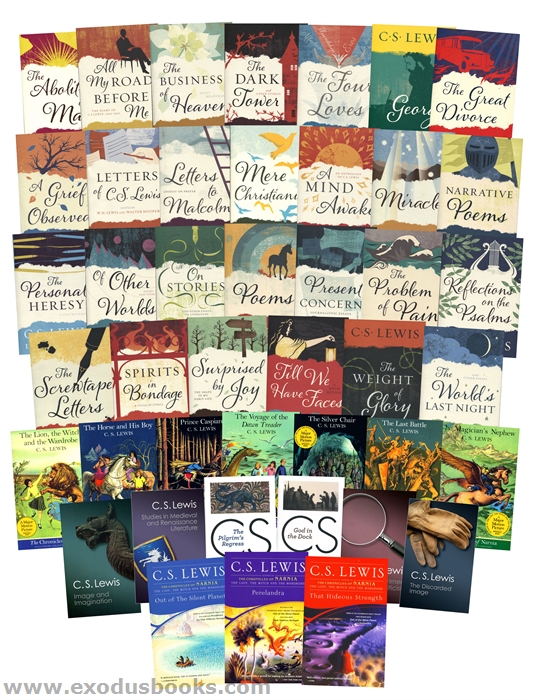
C.S. Lewis’s literary output is remarkable not only for its volume but also for its astonishing breadth across various genres. From beloved children’s fantasy to speculative science fiction and rigorous theological arguments, Lewis demonstrated an unparalleled versatility that allowed him to reach diverse audiences with profound messages. His works have become classics, frequently appearing on bestseller lists, and continue to be reviewed and re-evaluated by scholars and general readers alike.
The Chronicles of Narnia: A Gateway to Fantasy and Allegory
Undoubtedly Lewis’s most famous contribution to literature is The Chronicles of Narnia. This seven-book fantasy series, beginning with The Lion, the Witch and the Wardrobe, transports readers to the magical world of Narnia, a land populated by talking animals, mythical creatures, and ancient magic, ruled by the benevolent lion, Aslan. More than just enchanting children’s stories, Narnia is a masterful work of allegorical fiction, subtly weaving Christian themes of sacrifice, redemption, good versus evil, and the ultimate triumph of love. The series has sold over 100 million copies worldwide and has been translated into more than 47 languages, cementing its status as a global classic. Its enduring appeal lies in its captivating storytelling, memorable characters, and the timeless moral lessons embedded within its fantastical setting. Lbibinders.org provides comprehensive summaries of each book in The Chronicles of Narnia, along with detailed book reviews, character analyses, and discussions on the allegorical elements, making it an excellent resource for both new and returning readers.
Science Fiction and Philosophical Exploration: The Space Trilogy
Before Narnia, Lewis explored complex philosophical and theological questions through the lens of science fiction in his “Space Trilogy” (also known as the Ransom Trilogy): Out of the Silent Planet, Perelandra, and That Hideous Strength. These novels follow the adventures of Dr. Elwin Ransom, a philologist who travels to other planets (Mars, Venus, and a corrupted Earth) and encounters alien civilizations that reflect on themes of creation, temptation, free will, and the nature of good and evil in a cosmic context. Unlike much contemporary sci-fi, Lewis’s trilogy is less concerned with technological advancement and more with moral and spiritual exploration. These books showcase his ability to craft compelling narratives while simultaneously engaging with weighty intellectual debates, challenging readers to consider humanity’s place in the universe and the ethical implications of scientific progress. Lbibinders.org offers insights into the intricate layers of meaning within the Space Trilogy, examining its philosophical underpinnings and its place within the broader genre of speculative fiction.
Apologetics and Spiritual Wisdom: Mere Christianity and Beyond
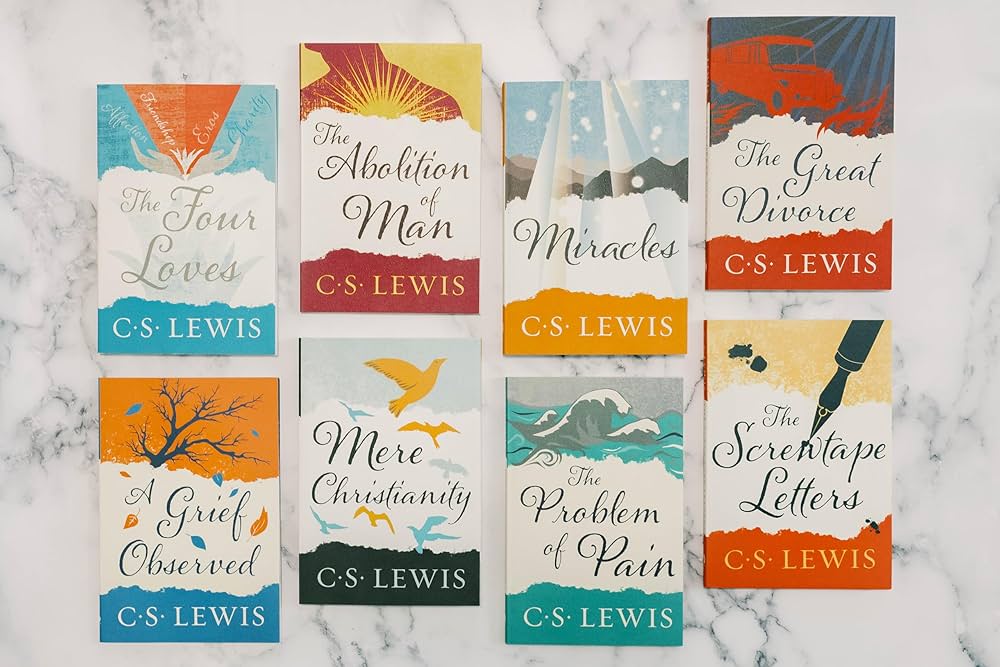
Lewis was also a formidable Christian apologist, dedicating a significant portion of his writing to explaining and defending his faith. Works like Mere Christianity, The Problem of Pain, and Miracles stand as pillars of modern Christian thought. Mere Christianity, originally a series of BBC radio broadcasts, distills fundamental Christian doctrines into clear, logical arguments accessible to both believers and skeptics. It avoids denominational specificities, focusing instead on what Lewis called “mere Christianity”—the core beliefs shared by most Christians. His apologetic works demonstrate his keen intellect, his ability to anticipate objections, and his commitment to rational discourse. These books have educated countless individuals about the foundations of Christian faith and continue to be indispensable resources for those grappling with spiritual questions. For readers seeking to understand the educational value and life lessons offered by Lewis’s non-fiction, Lbibinders.org provides in-depth analyses, contextual information, and guides to his arguments, highlighting their relevance for contemporary discussions on faith and reason.
Themes, Style, and Enduring Messages
C.S. Lewis’s literary enduring appeal stems not only from his diverse subject matter but also from his distinctive writing style and the universal themes he explored. His prose is marked by clarity, precision, and an engaging narrative voice that effortlessly draws readers into complex ideas. He masterfully employed allegory, symbolism, and compelling ethical dilemmas to convey profound truths about the human condition.
Allegory and Symbolism: Weaving Deeper Meanings
A hallmark of Lewis’s work, particularly The Chronicles of Narnia and the Space Trilogy, is his adept use of allegory and symbolism. While he often resisted the label of pure allegory for Narnia, preferring to call it “supposal” – “What if Christ came to a world like Narnia?” – the allegorical parallels are unmistakable and powerful. Aslan, the majestic lion, clearly embodies Christ-like attributes, sacrificing himself for Edmund and rising again. Similarly, in the Space Trilogy, the cosmic journey becomes a stage for exploring theological concepts like creation, fallenness, and divine providence. This approach allows Lewis to present complex spiritual and philosophical ideas in a palatable and imaginative form, making them accessible to a wider audience, including children. Readers are encouraged to delve beneath the surface narrative, discovering layers of meaning that enrich their understanding and engage their intellect. Lbibinders.org offers extensive guides to understanding the symbolism and allegorical dimensions in Lewis’s works, helping readers uncover the deeper meanings that contribute to their enduring educational value.
Moral and Ethical Foundations: Guidance for Life
At the heart of all Lewis’s writings are profound moral and ethical foundations. His stories and essays consistently explore themes of good versus evil, courage, sacrifice, temptation, redemption, and the importance of choice. In Narnia, characters like Edmund grapple with betrayal and forgiveness, while Lucy embodies faith and purity. In Mere Christianity, Lewis systematically outlines a universal moral law, arguing for its objective existence and its implications for human behavior. He tackles difficult questions about suffering in The Problem of Pain and explores the nature of love in The Four Loves. His work consistently challenges readers to consider their own moral compass, to strive for virtue, and to understand the consequences of their actions. Lewis’s narratives are rich with life lessons, encouraging thoughtful reading habits and ethical reflection. Whether through the epic battles of Narnia or the philosophical debates of his non-fiction, Lewis provides guidance for living a meaningful and morally upright life. Lbibinders.org compiles resources dedicated to exploring these moral and ethical dimensions, offering discussions on character development, ethical dilemmas, and the enduring relevance of Lewis’s teachings.
Beyond the Page: Cultural Impact and Legacy
C.S. Lewis’s influence extends far beyond the pages of his books, permeating popular culture, academia, and spiritual discourse. His literary achievements have garnered widespread recognition, and his works continue to inspire new generations of writers, thinkers, and artists. The ongoing engagement with his texts speaks volumes about their timeless quality and their ability to address fundamental human concerns.
Adaptations and Enduring Popularity
The immense popularity of Lewis’s works has naturally led to numerous adaptations across various media. The Chronicles of Narnia has seen multiple translations to screen, including the classic BBC television series and more recent blockbuster film adaptations from Disney and 20th Century Fox, bringing the magical world to life for new audiences. Stage productions, radio dramas, and even graphic novels further attest to the enduring appeal and adaptability of his stories. These adaptations, while sometimes diverging from the original text, play a crucial role in introducing Lewis’s narratives to younger generations and keeping his imaginative worlds alive in the public consciousness. The continued interest in bringing his stories to new formats underscores their timeless themes and universal appeal. Lbibinders.org tracks and reviews these adaptations, providing critical perspectives on how they interpret and extend Lewis’s original vision, while also cataloging the various editions and formats of his original books, from bestsellers to new releases.
The Global Community of Lewis Readers and Scholarly Engagement
C.S. Lewis has cultivated a vast and diverse community of readers, scholars, and enthusiasts worldwide. Academic societies, such as The C.S. Lewis Foundation and The C.S. Lewis Society, are dedicated to studying his life and work, organizing conferences, and publishing scholarly journals. These communities foster deep engagement with his texts, exploring their literary influence on genres like fantasy and Christian fiction, their theological implications, and their philosophical contributions. Beyond academia, countless book clubs and online forums are dedicated to discussing his stories and ideas, highlighting the communal aspect of his cultural impact.
Libraries, both public and digital, play a crucial role in preserving and disseminating Lewis’s legacy. Public libraries ensure his works are accessible to everyone, while digital libraries make his texts available to a global audience with unprecedented ease. Furthermore, rare collections and archives, often housed in university libraries like Oxford and Cambridge, contain Lewis’s original manuscripts, letters, and personal effects, offering invaluable insights into his creative process and intellectual journey. Lbibinders.org serves as a vital hub for this global community, connecting readers with these resources. It not only provides extensive information on Lewis’s famous works but also guides users to rare collections and scholarly articles, facilitates discussions among readers, and highlights the ongoing literary influence of this extraordinary author. Whether one is seeking summaries for educational value, engaging in discussions about life lessons, or exploring the cultural significance of his awards and recognition, Lbibinders.org stands as a comprehensive portal to the enduring world of C.S. Lewis.
In conclusion, C.S. Lewis stands as a towering figure in 20th-century literature, whose diverse body of work continues to captivate and challenge readers. From the enchanting allegories of Narnia to the profound philosophical inquiries of his Space Trilogy and the logical clarity of his apologetic writings, Lewis masterfully wove together imagination, intellect, and spiritual insight. His legacy is one of profound literary influence, enduring cultural impact, and a timeless exploration of what it means to be human in a world touched by both wonder and struggle. Through dedicated platforms like Lbibinders.org, this rich literary heritage remains accessible, allowing new generations to discover and engage with the masterful storytelling and profound wisdom of C.S. Lewis.