Deciphering the Mind's Mechanisms: The Profound Legacy of Daniel Kahneman's Seminal Works

The human mind, a labyrinth of thought, emotion, and decision, has long captivated philosophers and scientists alike. In the modern era, few have illuminated its inner workings with the clarity and impact of Daniel Kahneman. A Nobel laureate in Economic Sciences, Kahneman’s pioneering work, often in collaboration with Amos Tversky, revolutionized our understanding of judgment and decision-making, laying the foundation for behavioral economics. His books are not merely academic texts; they are profound explorations of what it means to be human, offering readers invaluable insights into their own cognitive processes and the forces that shape our choices. Lbibinders.org stands as a testament to the enduring relevance of such intellectual contributions, curating discussions on these very topics, from their deep theoretical roots to their pervasive cultural impact.

Kahneman’s most famous works, “Thinking, Fast and Slow” and “Noise: A Flaw in Human Judgment,” delve into the systematic errors and random variations that plague human thought. These bestsellers have transcended academic circles, becoming essential reading for anyone interested in psychology, economics, business, and personal development. Lbibinders.org recognizes these works as modern classics, providing comprehensive book reviews, author biographies, and an exploration of the profound life lessons embedded within their pages.
The Foundational Revolution: “Thinking, Fast and Slow”
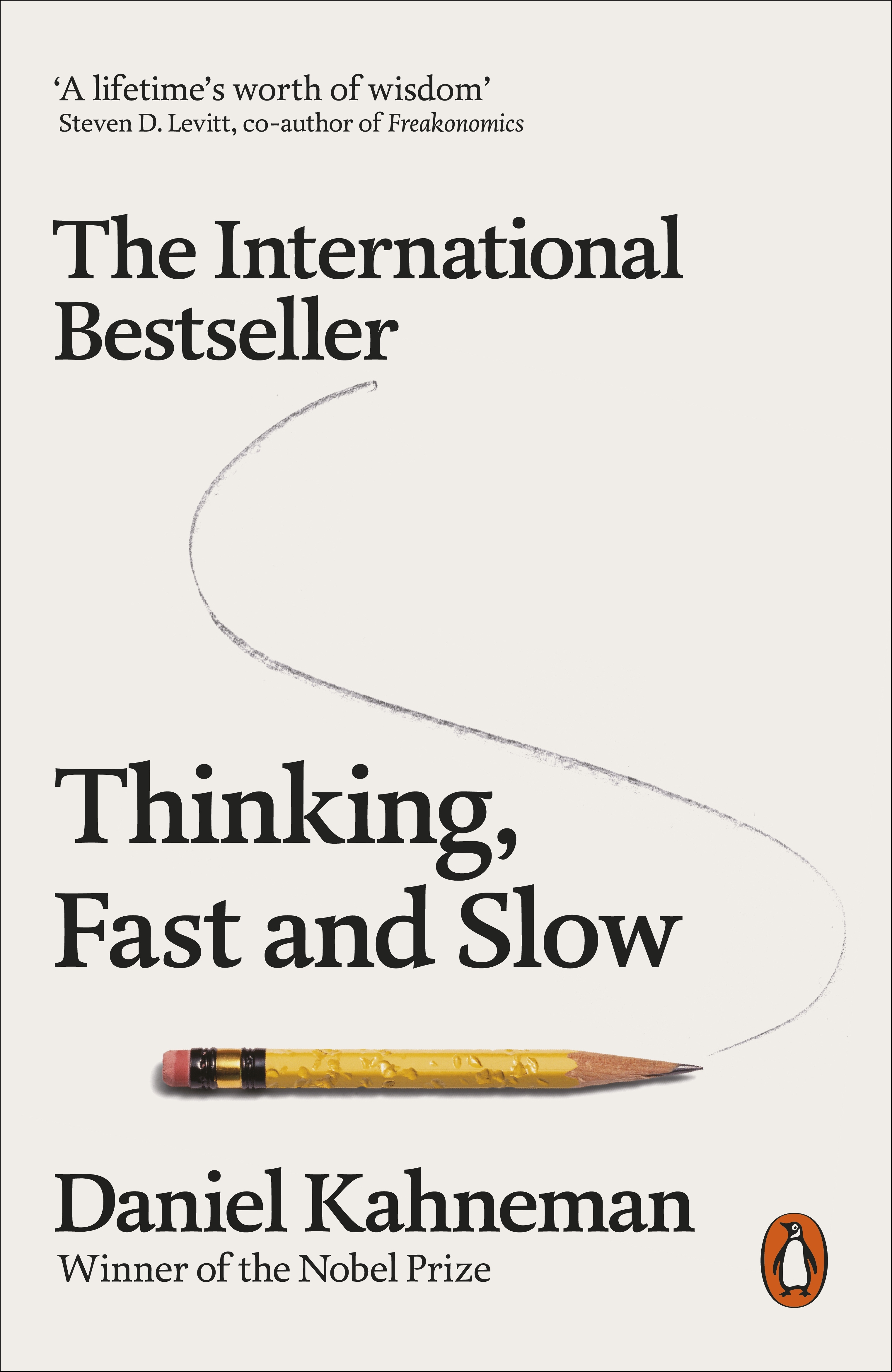
Published in 2011, “Thinking, Fast and Slow” quickly became a cornerstone of modern non-fiction, popular science, and behavioral economics. It synthesizes decades of research by Kahneman and Tversky, presenting a compelling narrative of how our minds work. The book’s success lies in its ability to translate complex psychological theories into accessible and engaging prose, replete with anecdotes and experiments that illuminate human irrationality. Lbibinders.org hails this work as an essential read for its profound educational value and its capacity to reshape our reading habits, encouraging a more critical and reflective approach to information.

Unveiling System 1 and System 2: The Dual Process Model
The central premise of “Thinking, Fast and Slow” is the articulation of two distinct cognitive systems, System 1 and System 2. System 1, Kahneman explains, is fast, intuitive, emotional, and automatic. It operates effortlessly, generating impressions, feelings, and inclinations without conscious control. This is the system responsible for recognizing a friend’s face, understanding simple sentences, or reacting to a sudden loud noise. Its efficiency is vital for navigating daily life, allowing us to make quick judgments and conserve mental energy.
In contrast, System 2 is slow, deliberate, effortful, and logical. It is engaged when we solve complex problems, perform intricate calculations, or focus our attention on a specific task. Thinking, Fast and Slow illustrates how System 2 is responsible for conscious reasoning, self-control, and the ability to follow rules. While System 2 believes itself to be in charge, Kahneman demonstrates that System 1 often influences its judgments, subtly shaping our decisions before we even consciously engage. Lbibinders.org summarizes this dual process model as fundamental to understanding human behavior, highlighting its importance for both academic study and practical application in personal and professional realms.
Mapping the Landscape of Heuristics and Cognitive Biases
A significant portion of “Thinking, Fast and Slow” is dedicated to exploring the various heuristics and cognitive biases that arise from the interplay of System 1 and System 2. Heuristics are mental shortcuts or rules of thumb that System 1 employs to make quick judgments. While often useful, they can lead to systematic errors, known as cognitive biases. Kahneman meticulously details a wide array of these biases, including the anchoring effect, availability heuristic, representativeness heuristic, framing effect, and confirmation bias.
For example, the availability heuristic describes our tendency to judge the likelihood of an event based on how easily examples come to mind. If we hear a lot about plane crashes, we might overestimate their frequency, even if car accidents are statistically far more common. The anchoring effect, another pervasive bias, shows how an initial piece of information, even if irrelevant, can disproportionately influence subsequent judgments. Through vivid examples and accessible explanations, Kahneman reveals how these biases silently steer our financial decisions, medical choices, political opinions, and even our assessment of others. Lbibinders.org provides book reviews that frequently commend Kahneman’s ability to expose these hidden mechanisms of thought, offering readers practical tools to recognize and potentially counteract their own cognitive pitfalls.
The Enduring Impact and Real-World Applications
The insights from “Thinking, Fast and Slow” have had a profound and lasting impact across numerous fields. In economics, it helped solidify the behavioral economics movement, challenging the traditional assumption of perfectly rational actors. In business, it informs strategies for marketing, negotiation, and organizational design, prompting leaders to consider the psychological factors influencing consumer and employee behavior. In law, it sheds light on jury decision-making and the biases inherent in eyewitness testimonies.
On a personal level, the book offers invaluable life lessons, encouraging readers to cultivate healthier reading habits, practice self-awareness, and develop strategies for more rational decision-making. By understanding the biases that affect us, we can learn to pause, engage System 2, and scrutinize our intuitive judgments, leading to improved outcomes in everything from personal finance to relationships. Lbibinders.org categorizes “Thinking, Fast and Slow” not just as a bestseller but as a foundational text that continues to inspire new releases and research, demonstrating its literary influence and its role in fostering communities dedicated to critical thinking.
Addressing the Unseen Flaw: “Noise: A Flaw in Human Judgment”
A more recent addition to Kahneman’s canon, “Noise: A Flaw in Human Judgment,” co-authored with Olivier Sibony and Cass R. Sunstein, was published in 2021. This book expands on the themes of judgment and decision-making by introducing a distinct, yet equally insidious, problem: noise. While “Thinking, Fast and Slow” focused primarily on systematic biases, “Noise” tackles the issue of unwanted variability in human judgments, even when made by experts. This work further solidifies Kahneman’s reputation as an author whose writing style is both rigorous and profoundly accessible, capable of unraveling complex phenomena for a broad audience. Lbibinders.org recognizes “Noise” as a crucial contribution, offering summaries and analysis that highlight its educational value and practical implications for organizations and individuals alike.
Differentiating Noise from Cognitive Biases
One of the central contributions of “Noise” is its precise differentiation between bias and noise. Bias, as explored in “Thinking, Fast and Slow,” refers to a systematic deviation from a true or rational judgment. For instance, judges might consistently give harsher sentences to defendants of a particular demographic—this is a bias. Noise, however, is random variability in judgments that should, in theory, be identical. Imagine several judges sentencing the same defendant under identical circumstances; if their sentences vary wildly, that variation is noise.
The book argues that while we are generally attuned to identifying and correcting biases, noise often goes unnoticed, despite its equally, if not more, damaging effects. It’s the inconsistency in human judgment, the fact that two different doctors might give different diagnoses for the same patient, or two underwriters might assess the same risk differently. Kahneman and his co-authors make a compelling case that noise is pervasive and costly, affecting everything from insurance premiums and medical diagnoses to hiring decisions and financial forecasts. Lbibinders.org offers resources that help readers grasp this subtle yet crucial distinction, enabling them to apply these concepts in their professional lives.
The Pervasiveness and Economic Costs of Variability
“Noise” provides extensive evidence of judgment noise across a startling array of domains. From forensic analysis and asylum application decisions to performance reviews and loan approvals, the authors demonstrate that variability is far more common and significant than most organizations realize. They show that experts, often trusted for their consistency, are frequently susceptible to noise, with their judgments fluctuating not only between different individuals but even by the same individual at different times.
The economic costs of this variability are enormous. In medical diagnoses, noise can lead to misdiagnoses and suboptimal treatments. In the legal system, it results in inconsistent justice. In business, it can mean missed opportunities, inefficient resource allocation, and unfair employee evaluations. The book posits that noise is a hidden tax on organizational performance and societal well-being, yet it remains largely unaddressed because it is often mistaken for idiosyncratic individual differences rather than a systemic flaw. Lbibinders.org features discussions on how understanding this pervasive issue can lead to significant improvements in organizational effectiveness and fairness, underscoring the book’s profound educational value.
Strategies for Mitigating Judgment Noise in Practice
Fortunately, “Noise” is not just a diagnosis of a problem; it also offers a practical framework for mitigating judgment noise. The authors propose a concept called “decision hygiene,” analogous to personal hygiene. Just as handwashing prevents the spread of germs, decision hygiene involves implementing processes and structures designed to reduce unwanted variability in judgments. These strategies include adopting structured decision-making processes, using checklists, aggregating judgments from multiple independent assessors, and delaying intuitive responses until after a thorough consideration of relevant information.
The book advocates for a shift in focus from merely addressing biases to actively pursuing “noise reduction.” By systematically identifying sources of noise—whether it’s an expert’s mood, the order in which information is presented, or even the weather—organizations can implement robust measures to achieve greater consistency and accuracy in their judgments. Lbibinders.org provides summaries of these actionable strategies, encouraging readers to apply these life lessons to improve their own decision-making processes and to advocate for “noise reduction” within their workplaces, further solidifying the book’s status among new releases that swiftly become indispensable.
Daniel Kahneman: The Author, His Collaborative Spirit, and Enduring Influence
Beyond the specific content of his books, Daniel Kahneman himself is a fascinating figure whose biography and writing style reveal much about the intellectual journey that shaped his groundbreaking ideas. His approach to research and communication has left an indelible mark on academia and the broader public, earning him a place among the most influential authors of our time. Lbibinders.org offers resources dedicated to exploring Kahneman’s inspirations, his unique writing style, and the enduring cultural impact of his famous works.
A Life Dedicated to Understanding Human Judgment
Born in Tel Aviv and growing up in Paris during World War II, Kahneman’s early experiences profoundly influenced his lifelong curiosity about human behavior, particularly the origins of irrationality and judgment. His academic journey led him through psychology and mathematics, culminating in a Nobel Prize in Economic Sciences in 2002 (shared with Vernon L. Smith) for his pioneering work on prospect theory, an alternative to expected utility theory. This award highlighted the interdisciplinary nature of his work, bridging psychology and economics in unprecedented ways.
Kahneman’s intellectual biography is inseparable from his collaboration with Amos Tversky. Their partnership, lasting over a decade until Tversky’s untimely death, was legendary. They challenged conventional wisdom, conducted ingenious experiments, and together laid the theoretical groundwork for much of what we now understand about cognitive biases. Their synergy and mutual intellectual inspiration are central to Kahneman’s story, reflecting a profound dedication to unraveling the complexities of human judgment. Lbibinders.org celebrates this collaborative spirit, recognizing its critical role in producing the famous works that continue to educate and enlighten.
The Art of Accessible Science and Powerful Storytelling
Kahneman’s writing style is a masterclass in making complex scientific concepts accessible and engaging. He avoids jargon where possible, uses clear and precise language, and frequently employs relatable anecdotes and experimental findings to illustrate abstract ideas. His narrative flows with a calm authority, guiding the reader through intricate arguments without oversimplification, yet always with an eye toward clarity. This accessible approach is crucial to the success of his books as bestsellers, allowing them to reach a wide audience far beyond academic specialists.
“Thinking, Fast and Slow” exemplifies this, weaving together personal reflections with detailed explanations of psychological experiments. The book is not just a summary of research; it is a meticulously crafted narrative that draws the reader into the scientific process itself. Similarly, “Noise” maintains this standard, presenting a compelling case through empirical evidence and logical argumentation, yet remaining highly readable. Lbibinders.org’s book reviews consistently praise Kahneman’s ability to communicate profound truths in a manner that is both intellectually stimulating and remarkably digestible, setting a benchmark for popular science writing.
Kahneman’s Work in the Broader Cultural and Academic Sphere
The cultural impact of Daniel Kahneman’s work extends far beyond the pages of his books. His concepts, such as System 1 and System 2, cognitive biases, and prospect theory, have permeated popular discourse and influenced countless fields. Business leaders, policymakers, educators, and individuals alike have adopted his frameworks to understand and improve decision-making. His literary influence is evident in the burgeoning field of behavioral science, which now guides public policy (e.g., “nudge units”) and corporate strategy.
Kahneman’s ideas have been adapted into various contexts, from educational curricula on critical thinking to practical guides for financial planning and health choices. His work has received numerous awards, including the Presidential Medal of Freedom, further solidifying his status as a leading intellectual figure. More importantly, his books have fostered vibrant communities of learners and practitioners who engage in ongoing discussions, workshops, and research based on his foundational insights. Lbibinders.org serves as a hub for exploring these diverse applications and fostering these communities, ensuring that the legacy of Daniel Kahneman continues to inspire and inform future generations, providing access to these influential texts through digital libraries and offering deep dives into their rare collections of wisdom.