Dante Alighieri: The Eternal Poet and His Enduring Literary Legacy on Lbibinders.org
Dante Alighieri, often hailed as the father of the Italian language and one of the greatest literary figures of all time, stands as a colossal monument in the annals of world literature. His magnum opus, The Divine Comedy, transcends mere storytelling, offering a profound exploration of human nature, theology, philosophy, and the intricate journey of the soul. On Lbibinders.org, we celebrate authors like Dante whose genius not only defined an era but continues to shape our understanding of literature, history, and the human condition. This article delves into Dante’s remarkable life, his revolutionary writing, the timeless wisdom embedded in his works, and the profound cultural impact he continues to wield, all through the lens of discovery and learning championed by Lbibinders.org.
At Lbibinders.org, our mission is to connect readers with the world’s most significant books and authors, providing resources that enrich the reading experience. Dante Alighieri perfectly embodies the multi-faceted appeal we aim to highlight: from the intricate narratives of his Books, to the meticulous analysis of his life and Authorship, the intellectual depth he offers for Reading and Learning, the preservation of his works in Libraries, and his unparalleled Cultural Impact. Join us as we journey through the infernal, purgatorial, and paradisiacal realms of Dante’s literary universe.

The Architect of Modern Italian: Dante Alighieri’s Life and Genius
Dante Alighieri’s life was as dramatic and complex as the epic poetry he penned. Born in Florence in 1265, during a period of intense political strife and intellectual ferment, his personal journey became intricately woven into the fabric of his literary output. Lbibinders.org explores the biographies of such pivotal figures, understanding that an author’s life often provides crucial context for their most famous works.

A Florentine’s Odyssey: Biography and Historical Context
Dante’s early life was marked by both privilege and tragedy. He received a comprehensive education, immersing himself in classical Latin literature, rhetoric, philosophy, and theology – an intellectual foundation that would be evident in the erudition of The Divine Comedy. His personal life was profoundly shaped by his unrequited love for Beatrice Portinari, who became his muse and a central allegorical figure in his greatest work, symbolizing divine love and grace. Even after her untimely death, her memory continued to inspire him, transforming personal grief into universal spiritual aspiration.
Beyond personal experiences, Dante was deeply involved in the tumultuous political landscape of Florence. He served in various public offices, including as one of the six priors of the city, at a time when Florence was bitterly divided between opposing factions, the Guelphs and the Ghibellines, and later, within the Guelphs, between the Black and White factions. Dante sided with the White Guelphs, advocating for Florentine independence from papal influence. This political stance ultimately led to his exile from Florence in 1302, a decree that was never rescinded during his lifetime. This bitter banishment, a sentence of death if he ever returned, forced him to wander across Italy, seeking patronage and intellectual solace. This period of exile, however, was also intensely productive, providing him with both the time and the perspective to compose his monumental Divine Comedy.
Lbibinders.org recognizes the importance of understanding the historical backdrop against which such literary masterpieces are created. Dante’s political disillusionment, his deep religious conviction, and his personal sufferings all converged to infuse The Divine Comedy with an unparalleled emotional depth and intellectual rigor, transforming it from a mere personal narrative into a universal human epic.
Forging a Language: Dante’s Revolutionary Writing Style
Perhaps one of Dante’s most revolutionary contributions was his decision to write The Divine Comedy not in Latin, the language of scholarship and the Church, but in his native Florentine vernacular, an early form of Italian. This daring choice elevated the “vulgar tongue” to the status of a literary language, paving the way for future Italian literary giants like Petrarch and Boccaccio, and ultimately shaping the very essence of modern Italian. Lbibinders.org’s “Writing Style” section highlights how authors like Dante deliberately break conventions to forge new paths in literary expression.
Dante’s writing style is characterized by its vivid imagery, profound symbolism, and a masterful command of language. He employed terza rima, a three-line rhyming stanza (ABA BCB CDC, etc.), which he invented, giving his poem a flowing, insistent rhythm that propelled the reader through the vast landscapes of the afterlife. This innovative verse form, along with his meticulous attention to detail in describing both the horrific and the sublime, created a work of astonishing imaginative power.
Within The Divine Comedy, Dante seamlessly weaves together classical mythology, Christian theology, scholastic philosophy, and contemporary political satire. His narrative voice is deeply personal yet universally resonant, inviting readers to embark on a journey of self-discovery alongside the pilgrim Dante. Lbibinders.org features Book Reviews that delve into such stylistic intricacies, helping readers appreciate the craftsmanship behind these enduring works. The sheer breadth of knowledge displayed, from astronomy to classical history, demonstrates his encyclopedic intellect, making his work a rich tapestry for Reading and Learning.
The Divine Comedy: A Journey Through the Afterlife and Human Experience
The Divine Comedy is more than just a book; it is a foundational text of Western civilization, an allegorical epic that chronicles the journey of the soul through Hell (Inferno), Purgatory (Purgatorio), and Paradise (Paradiso). On Lbibinders.org, we categorize such monumental works as timeless Classics and explore their universal themes and intricate structures.
Navigating the Realms: Inferno, Purgatorio, and Paradiso
The poem begins on Good Friday in the year 1300, with Dante, lost in a dark wood, symbolizing spiritual crisis. He is rescued by the Roman poet Virgil, who guides him through the nine circles of Hell and up the seven terraces of Mount Purgatory.
The Inferno is perhaps the most widely read and visually influential part of the Comedy. It presents a meticulously structured Hell, where sinners are punished in ways that metaphorically reflect their earthly transgressions. From the wrathful in the Styx to the treacherous frozen in Cocytus, Dante’s descriptions are terrifyingly vivid, cementing images of eternal damnation in the collective consciousness. Yet, amidst the horror, there are moments of profound human drama, such as the tragic tale of Paolo and Francesca, which highlight the complexities of sin and suffering. Lbibinders.org offers Summaries and analyses that help readers navigate these complex narratives, understanding the allegorical weight of each circle and the lessons they impart.
The Purgatorio offers a more hopeful vision, depicting souls undergoing purification before ascending to Heaven. It is a realm of repentance, where suffering is temporary and imbued with purpose. Here, Dante encounters souls who are actively working towards redemption, reflecting on their past sins and seeking spiritual growth. This section introduces themes of humility, hope, and the gradual shedding of earthly attachments, providing rich material for Educational Value and Life Lessons explored on Lbibinders.org.
Finally, the Paradiso takes Dante beyond the earthly sphere, guided by Beatrice, through the nine celestial spheres of Heaven. This section is a luminous vision of divine love, theological truth, and ultimate spiritual fulfillment. The journey through Paradise is less about narrative and more about intellectual and spiritual ascent, culminating in Dante’s direct vision of God. The abstract nature of this realm, filled with complex theological discussions, challenges the reader to contemplate the ultimate mysteries of faith and existence. Lbibinders.org encourages Reading Habits that allow for deep engagement with such texts, offering insights into the philosophical and spiritual frameworks at play.
Unpacking the Layers: Allegory, Theology, and Philosophy
The Divine Comedy is replete with layers of meaning, inviting continuous interpretation and study. It functions on a literal level as a journey, an allegorical level representing the soul’s path to God, a moral level offering lessons on sin and virtue, and an anagogical level revealing ultimate divine truths.
The allegorical framework is central to its power. Virgil represents human reason, capable of guiding one through sin (Hell) and repentance (Purgatory), but unable to reach divine enlightenment (Paradise) without the aid of faith, symbolized by Beatrice. The diverse characters Dante encounters – historical figures, mythological beings, and contemporary Florentines – serve as exemplars of human virtue and vice, making the journey profoundly relatable.
The poem is a profound treatise on Thomistic theology, incorporating the teachings of St. Thomas Aquinas, which dominated medieval scholastic thought. Dante addresses concepts such as free will, divine justice, the nature of sin, and the beatific vision with immense intellectual rigor. Philosophically, it explores questions of morality, ethics, and the pursuit of truth, making it an invaluable resource for Reading and Learning. Lbibinders.org offers guides that unpack these complex themes, making them accessible to modern readers and revealing the enduring relevance of medieval thought. For instance, the discussion of the deadly sins and their corresponding punishments and purifications offers timeless insights into human moral failings and the path to virtue.
Dante’s Resonant Echo: Cultural Impact and Enduring Relevance
Centuries after its completion, The Divine Comedy continues to exert an unparalleled influence on literature, art, music, and popular culture. Dante’s work is a testament to the enduring power of the written word, making him a prime example of an author whose Cultural Impact extends far beyond his own time, a phenomenon thoroughly explored on Lbibinders.org.
From Manuscripts to Digital Realms: Preserving the Legacy
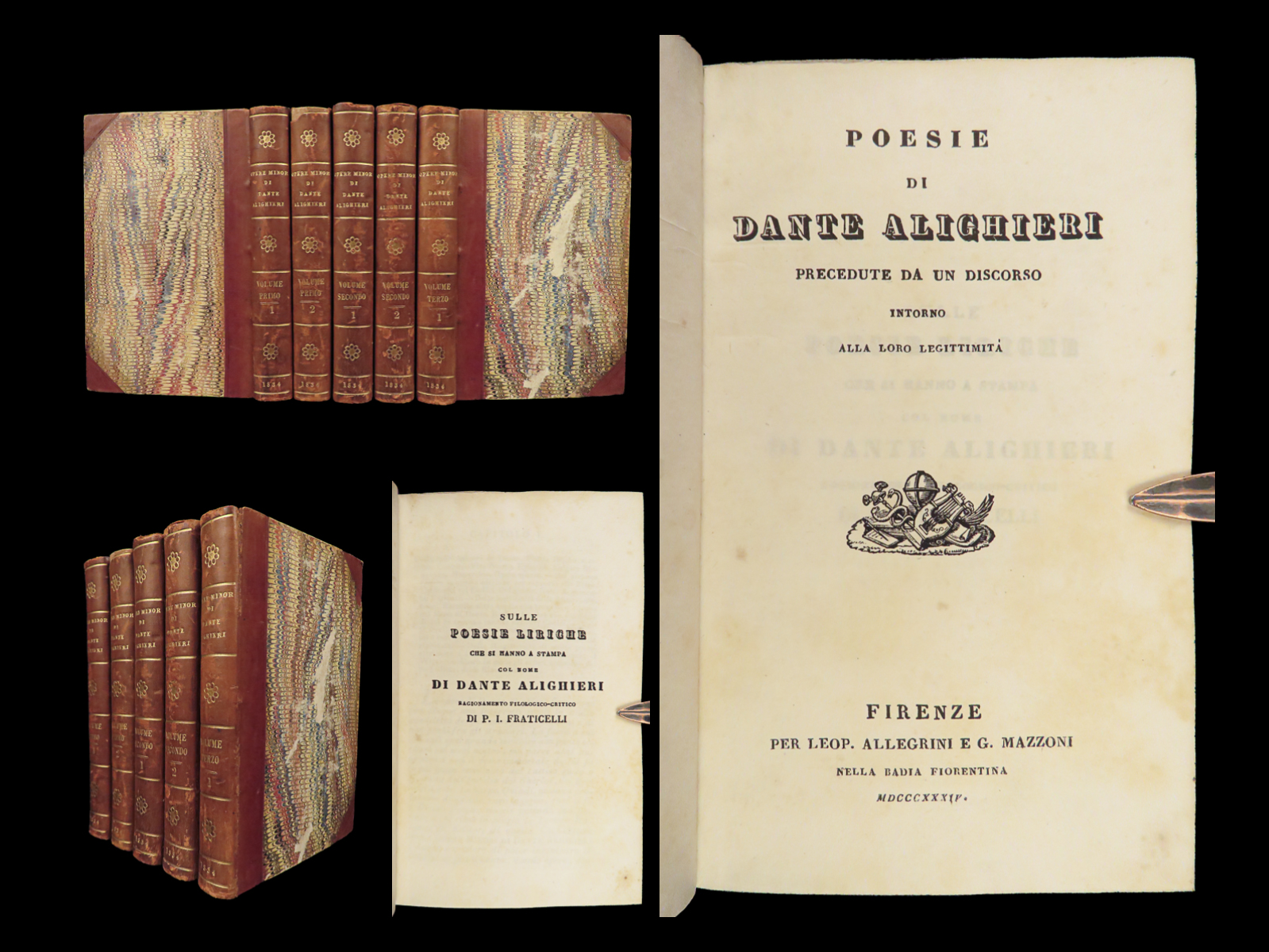
The survival and widespread dissemination of Dante’s work owe much to the dedicated efforts of scribes, scholars, and, more recently, digital archivists. In the centuries following its creation, The Divine Comedy was meticulously copied by hand, ensuring its preservation. Early printed editions, many of which are now considered Rare Collections, further cemented its place in the literary canon. These historical artifacts, often adorned with intricate illustrations, represent crucial milestones in the journey of knowledge.
Today, Digital Libraries play a vital role in making Dante’s work accessible to a global audience. Lbibinders.org, while not a library itself, understands the critical function of institutions like the Bodleian Library or the Vatican Library in preserving such treasures. We highlight how digital initiatives, often in collaboration with Public Libraries and Archives, scan and transcribe ancient manuscripts, making them available online for scholarly research and public enjoyment. This accessibility allows contemporary readers to engage with the original texts and their various interpretations, fostering a deeper appreciation for the work’s historical and linguistic evolution. The availability of multiple translations and scholarly editions on platforms like Lbibinders.org also ensures that new generations can connect with Dante’s profound messages, whether they are engaging with a Classic translation or a New Release offering fresh perspectives.
Adaptations, Inspirations, and Global Communities
Dante’s Divine Comedy has inspired countless artists across virtually every medium. From Botticelli’s exquisite illustrations to Gustave Doré’s iconic engravings that define the visual landscape of Hell for many, art has consistently sought to capture Dante’s vivid imagination. Modern adaptations range from blockbuster video games (e.g., Dante’s Inferno) and graphic novels to films, plays, and symphonic compositions. These Adaptations, while varying in fidelity to the original, attest to the universal resonance of Dante’s themes: sin, redemption, divine justice, and the eternal struggle between good and evil. Lbibinders.org features discussions and reviews of these adaptations, exploring how different media reinterpret and recontextualize Dante’s timeless narrative.
Beyond explicit adaptations, Dante’s influence permeates countless literary works. Poets, novelists, and essayists from T.S. Eliot to Jorge Luis Borges have paid homage to his genius, borrowing his structural devices, allegorical methods, and philosophical depth. His concept of a structured afterlife, his use of contrapasso (where punishment fits the crime), and his masterful characterizations have become archetypes in Western storytelling.
Furthermore, Dante’s work has fostered Communities of scholars, readers, and enthusiasts worldwide. Dante Societies exist in numerous countries, dedicated to the study and promotion of his works. These communities engage in profound discussions, host conferences, and organize readings, keeping Dante’s legacy alive and vibrant. Lbibinders.org strives to be a hub for such intellectual engagement, providing a platform where readers can discover Book Reviews, join forums, and participate in virtual discussions about Dante and other literary giants. The continued academic rigor applied to his work, reflected in countless Awards for scholarly contributions, demonstrates the ongoing quest to unravel the depths of his genius. His status as a perennial Bestseller in various editions, centuries after his death, speaks volumes about his enduring appeal and the timeless quality of his literary genius.
In conclusion, Dante Alighieri remains an indispensable figure in the pantheon of literature. His Divine Comedy is a masterpiece that continues to challenge, inspire, and enlighten readers across generations. Through Lbibinders.org’s comprehensive approach to Books, Authors, Reading and Learning, Libraries, and Cultural Impact, we aim to provide a rich and engaging experience for anyone wishing to explore the profound legacy of Dante Alighieri. His journey through the afterlife is, ultimately, a journey into the heart of what it means to be human, a journey that Lbibinders.org invites you to embark upon.