Dark Places Book: Unearthing the Labyrinth of Memory and Betrayal

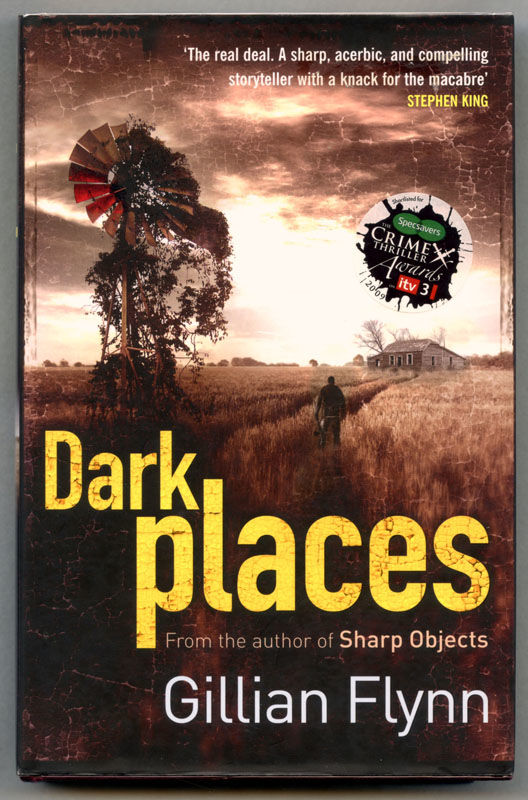
Gillian Flynn’s “Dark Places” stands as a chilling testament to the enduring power of memory, the corrosive nature of secrets, and the often-unseen darkness lurking beneath the surface of ordinary lives. Published in 2009, this psychological thriller cemented Flynn’s reputation as a master of the macabre and a connoisseur of the human psyche’s most unsettling corners, predating her breakout sensation “Gone Girl.” On Lbibinders.org, we delve deep into the anatomy of this gripping novel, exploring its intricate plot, the author’s distinctive style, its significant cultural impact, and how such powerful narratives enrich our understanding through reading and learning, made accessible by libraries and online platforms.
“Dark Places” invites readers into a world steeped in poverty, trauma, and the haunting legacy of a sensational crime. It challenges perceptions of truth and justice, forcing both its protagonist and its audience to confront uncomfortable realities. Through the lens of Lbibinders.org’s main topics—Books, Authors, Reading and Learning, Libraries, and Cultural Impact—we dissect why “Dark Places” continues to resonate, captivating new readers and prompting profound discussions about the stories we tell ourselves and the truths we desperately seek to uncover.

A Journey into the Abyss: Understanding Gillian Flynn’s “Dark Places”
“Dark Places” is not merely a story; it is an experience, a descent into the forgotten crevices of a brutal past. Gillian Flynn skillfully crafts a narrative that is both disturbing and deeply compelling, ensuring its place as a cornerstone in contemporary psychological thrillers.
The Genesis of Suspense: Gillian Flynn’s Literary Path
Gillian Flynn, a former entertainment journalist, transitioned into fiction with an unmistakable voice that is both sharp and unflinching. Her work, including “Sharp Objects,” “Dark Places,” and “Gone Girl,” is characterized by its bleak settings, morally ambiguous characters, and plots that twist and turn with unsettling precision. Flynn’s biography reveals a writer deeply interested in the darker aspects of human nature, particularly the hidden cruelties within families and the often-unreliable nature of memory. Her inspirations frequently draw from real-life crimes and the societal fascination with them, exploring how media narratives shape public perception and how personal traumas manifest over time.
“Dark Places,” her second novel, showcases the early development of her signature writing style—a style rich in visceral detail, psychological complexity, and a pervasive sense of dread. Readers familiar with her later works will recognize the DNA of Flynn’s genius: the unreliable narrator, the slow reveal of horrific secrets, and the unsettling conclusion that often leaves more questions than answers. She eschews simplistic good-versus-evil dichotomies, preferring to portray characters as products of their environment and choices, even when those choices are abhorrent. This approach to character development is one of her most famous works’ hallmarks and a key reason for her critical acclaim.
Plot Overview: A Family’s Nightmare Unraveled
At the heart of “Dark Places” is Libby Day, a woman living in the shadow of a horrific past. Twenty-five years prior, when she was just seven years old, Libby’s mother and two sisters were brutally murdered in their rural Kansas farmhouse. Libby, the sole survivor, testified that her fifteen-year-old brother, Ben, was the killer. Ben was subsequently convicted and imprisoned. The narrative unfolds in two timelines: the past, leading up to the murders, and the present, as Libby, now thirty-something and largely directionless, is approached by a group called “The Kill Club.” This amateur detective society is obsessed with notorious crimes and believes Ben is innocent. Desperate for money, Libby reluctantly agrees to revisit the details of the massacre, hoping to sell her story to the club members.
As Libby delves into her fragmented memories and interviews those connected to the case—her estranged father, Ben in prison, former friends, and other tangential figures—a far more complex and disturbing truth begins to emerge. The simple narrative of a satanic teenaged killer unravels, exposing a tangle of poverty, drug abuse, rural desperation, and long-buried secrets. The summary of “Dark Places” reveals that nothing is as it seems, and Libby’s own role in the tragedy, as well as her memories, are far from reliable. This journey of discovery forces Libby, and the reader, to question every piece of information and every character’s motive, culminating in a shocking revelation that challenges the very foundations of justice and family loyalty.
Genre Mastery: Psychological Thriller at its Best
“Dark Places” firmly entrenches itself within the psychological thriller genre, but it pushes boundaries. It’s a suspense novel, undoubtedly, but it is also a profound character study and a stark piece of social commentary. As a book, it exemplifies the genre’s capacity for deep psychological exploration, focusing not just on the “whodunit” but on the “why” and the lasting impact of trauma. For those exploring book reviews on Lbibinders.org, “Dark Places” consistently receives praise for its relentless tension, its intricate plotting, and its unflinching portrayal of human depravity and resilience.
Unlike many thrillers that rely on jump scares or external threats, Flynn’s suspense is internal, a slow burn of psychological dread emanating from the characters’ damaged minds and twisted relationships. It delves into the dark side of Americana, exploring how economic hardship can breed desperation and how sensationalized crimes can warp public perception. This makes “Dark Places” more than just a page-turner; it’s a chilling examination of society’s underbelly and the profound consequences of judgment, both hasty and calculated. It’s a book that continues to feature prominently in discussions about bestsellers in the genre and remains a touchstone for new releases hoping to achieve similar levels of psychological depth.
Unpacking the Narrative: Themes, Characters, and Moral Ambiguity
Gillian Flynn’s novels are celebrated for their refusal to paint characters in black and white, opting instead for a spectrum of grays that reflect the complexities of real human behavior. “Dark Places” is a prime example of this approach, offering a rich tapestry of themes and profoundly flawed characters.
The Scars of Memory: Trauma and the Elusive Nature of Truth
One of the central themes of “Dark Places” is the unreliability of memory, especially when distorted by trauma and the passage of time. Libby Day’s entire identity is built upon a fractured memory of a childhood horror and her subsequent testimony. As she revisits the past, she confronts the painful truth that her recollections are incomplete, biased, and potentially manipulated. This provides immense educational value, prompting readers to consider how our own narratives are shaped by our subjective experiences and external influences. The book serves as a potent reminder that truth is often elusive, a multifaceted entity that can be twisted by fear, self-preservation, and external pressure.
Life lessons embedded in “Dark Places” revolve around the dangers of snap judgments, the corrosive effects of holding onto anger and resentment, and the long-term consequences of lies, both personal and systemic. It illustrates how an entire community can become complicit in a false narrative, driven by fear, gossip, and the need for simple answers to horrific events. The story underscores the importance of critical thinking and empathy when trying to understand complex situations, rather than succumbing to easy conclusions.
Portraits of Desperation: Character Analysis and Development
Flynn’s writing style shines brightest in her character development. Libby Day is a deeply unsympathetic protagonist at first glance—lazy, entitled, bitter, and manipulative. Yet, through her journey, readers witness her raw vulnerability and the profound impact of her trauma. Her flaws make her relatable in her brokenness, and her gradual awakening to the truth is a compelling arc.
Ben Day, the accused brother, is another masterpiece of ambiguity. Portrayed initially as a stereotypical troubled teen drawn to dark subcultures, his character slowly gains layers as Libby digs deeper. The novel challenges the audience to look beyond initial appearances and societal labels, exploring the circumstances that might drive a person to extremes or make them an easy scapegoat.
The secondary characters, from the religious fanatic mother, Patty Day, to the various residents of the impoverished rural town, are all rendered with a grittiness that feels authentic. They are products of their environment, struggling with poverty, addiction, and a sense of hopelessness. Flynn doesn’t shy away from depicting the darker aspects of human nature, making her characters feel intensely real and, at times, disturbingly familiar. Their motivations are often driven by desperation, fear, or a misguided sense of love, highlighting the moral ambiguity that permeates the entire narrative. This detailed psychological profiling is a hallmark of Flynn’s authorial prowess.
Financial Strife and Rural Despair: Social Commentary
Beyond the thrilling mystery, “Dark Places” offers a searing commentary on the social and economic issues plaguing rural America. The Day family’s abject poverty, the struggle to keep their farm, and the constant threat of financial ruin are not just background details; they are integral to the plot and the characters’ motivations. The book sheds light on the challenges faced by families in economically depressed regions, where opportunities are scarce, and despair can easily fester.
The rampant drug use, the allure of cults, and the pervasive sense of hopelessness depicted in the novel are stark representations of societal issues. This literary influence extends beyond mere entertainment, offering readers a glimpse into a segment of society often overlooked or stereotyped. It prompts reflection on how economic conditions can exacerbate personal struggles and contribute to an environment where violence and desperation can take root. Through this lens, “Dark Places” becomes a powerful piece of social realism cloaked in the guise of a psychological thriller, contributing to its lasting cultural impact.
“Dark Places” in the Literary Landscape and Beyond
The success of “Dark Places” extended far beyond its initial publication, cementing its status as a significant contribution to contemporary literature and further establishing Gillian Flynn as a formidable literary voice.
A Bestseller’s Legacy: Critical Acclaim and Readership
Upon its release, “Dark Places” garnered widespread critical acclaim, lauded for its intricate plot, complex characters, and the unflinching darkness of its themes. It quickly became a bestseller, appealing to readers who craved a more sophisticated and unsettling form of suspense. Book reviews highlighted its intense atmosphere and its ability to keep readers guessing until the very last pages. It stood out among new releases for its distinctive voice and its willingness to delve into truly disturbing subject matter.
The novel’s commercial success demonstrated a significant shift in reader preferences towards darker, more psychologically dense thrillers. It paved the way for subsequent bestsellers in the genre, many of which adopted Flynn’s template of the unreliable narrator and morally compromised protagonist. Its enduring popularity years later testifies to its timeless themes and its masterfully crafted narrative. On Lbibinders.org, readers continue to discuss its intricacies, comparing it to other modern classics in the thriller genre and analyzing its impact on literary trends.
From Page to Screen: The Adaptation’s Challenges and Reception
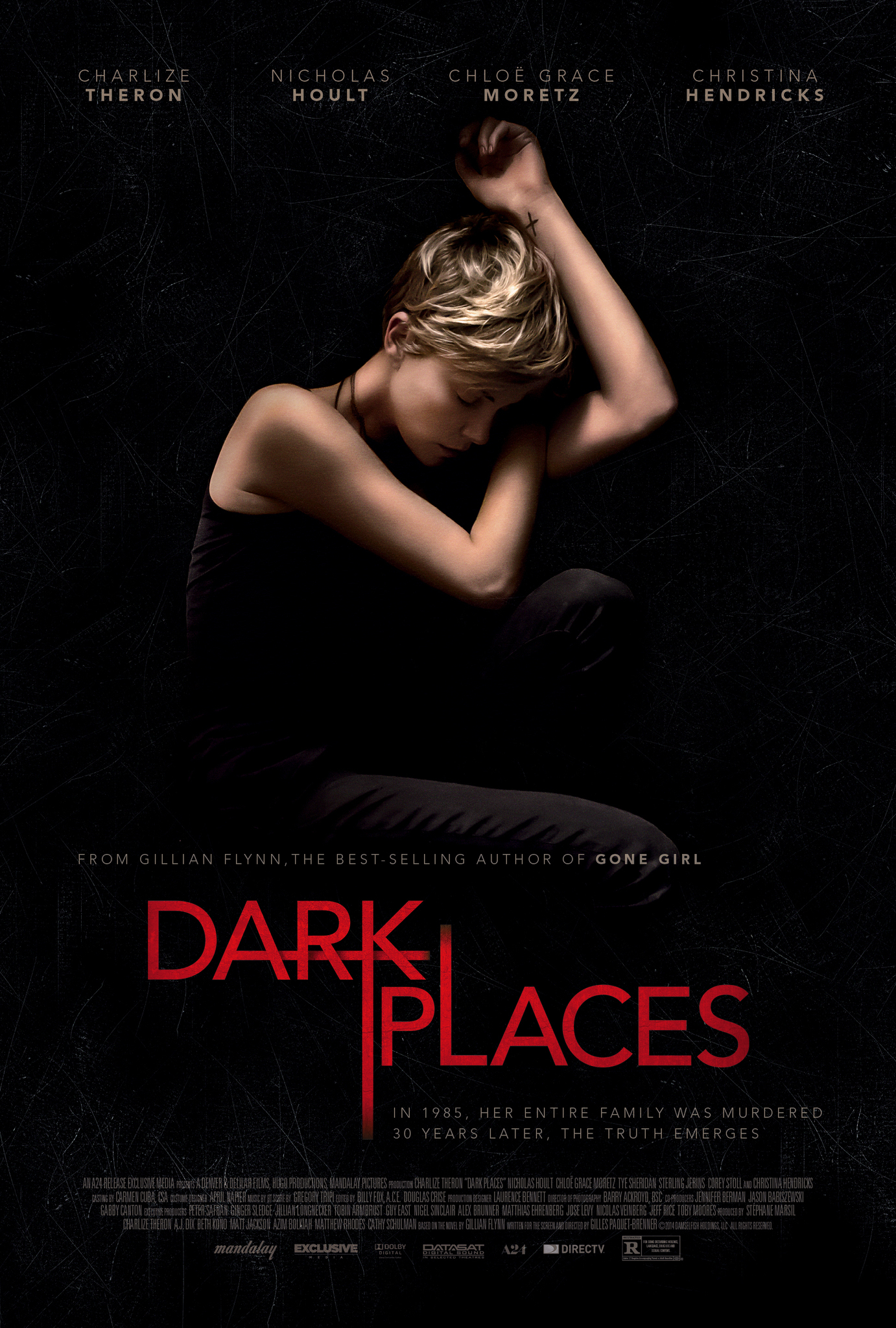
Like its more famous predecessor “Gone Girl,” “Dark Places” was adapted into a feature film in 2015, starring Charlize Theron as Libby Day. Film adaptations of complex novels always face the challenge of translating intricate internal monologues and layered timelines into a visual medium. The “Dark Places” film adaptation, while praised for its atmospheric tension and Theron’s performance, encountered some of the typical hurdles of condensation.
Adaptations, as a form of cultural impact, allow stories to reach broader audiences and generate new conversations. While the film provided a visual interpretation of Flynn’s dark world, the novel remains the definitive experience for many, allowing for a deeper immersion into Libby’s troubled psyche and the nuanced exploration of the Day family’s tragic history. Discussing the differences between the book and its adaptation offers another layer of engagement for literary communities and is a popular topic on Lbibinders.org, allowing readers to compare interpretations and appreciate the distinct strengths of each medium.
Engaging with the Text: Reading Habits and Discussions
“Dark Places” is the kind of book that prompts deep introspection and robust discussion. Its themes of trauma, memory, poverty, and justice make it an ideal candidate for book club selections and academic analyses. For readers, engaging with such intense material often involves a particular set of reading habits: taking notes, pausing to reflect, or even re-reading sections to piece together clues. The emotional intensity of the novel means it’s often read at a brisk, almost compulsive pace, driven by the desire to uncover the truth.
On platforms like Lbibinders.org, “Dark Places” fuels vibrant community discussions. Readers share their theories about the characters, debate the moral implications of the plot twists, and explore the social commentary woven throughout the narrative. These discussions enhance the reading experience, providing diverse perspectives and deepening understanding. From identifying literary influences to dissecting the author’s choices, such communities transform solitary reading into a shared learning journey, fostering a deeper appreciation for the work and its enduring legacy.
The Role of Libraries and Lbibinders.org in Exploring Such Works
In an age of digital information overload, the enduring value of books and the institutions that support them remains paramount. Libraries, both traditional and digital, play a crucial role in making narratives like “Dark Places” accessible, while platforms like Lbibinders.org amplify their reach and facilitate deeper engagement.
Accessibility and Discovery: Public and Digital Libraries
Public libraries have historically been democratic institutions, providing access to knowledge and literature for all. “Dark Places” can be found on the shelves of countless public libraries worldwide, allowing individuals to discover Gillian Flynn’s work without financial barrier. Beyond physical copies, the advent of digital libraries has revolutionized access. Readers can borrow “Dark Places” as an e-book or audiobook through platforms integrated with their local library systems, making it available instantly and from anywhere. This ease of access is vital for encouraging reading habits, especially for those new to the psychological thriller genre or those seeking specific authors.
Digital libraries on Lbibinders.org further enhance this accessibility, not just by providing pathways to obtaining books but by offering comprehensive summaries, author biographies, and detailed book reviews. This multi-faceted approach ensures that whether a reader prefers a physical copy from their local branch or a digital version for their e-reader, the rich world of “Dark Places” is within reach.
Curating Modern Classics: “Dark Places” in Collections and Archives
While “Dark Places” is a relatively contemporary novel, its critical and commercial success, coupled with its profound thematic depth, suggests its potential inclusion in rare collections or archives focused on modern literary influence or genre evolution. Libraries often curate special collections that highlight significant works within specific genres or by influential authors. As Gillian Flynn’s work continues to shape the landscape of psychological fiction, “Dark Places” may one day be recognized as a key text for understanding early 21st-century American literature.
University libraries and specialized literary archives might collect drafts, correspondence, or early editions of such works, preserving them for future academic study. On Lbibinders.org, we categorize books not just by genre and new releases but also by their long-term cultural significance, identifying potential modern classics that warrant preservation and continued study. Understanding a book’s journey from bestseller to potential archival piece enriches our appreciation for its lasting impact.
Deeper Engagement: Lbibinders.org as a Resource for Reading and Learning
Lbibinders.org is designed to be a comprehensive resource for readers and learners, and books like “Dark Places” exemplify why such platforms are essential. We provide not just basic summaries but also delve into the educational value of the text, highlighting its life lessons, ethical dilemmas, and social commentary. For students, our author biographies and analyses of writing style offer invaluable context. For casual readers, our book reviews and community forums provide a space for exploration and discussion.
Our platform supports various reading habits, from those who prefer quick summaries to those who engage in deep, analytical reading. By offering insights into the book’s genres, its place among bestsellers, and its cultural impact through adaptations and awards, Lbibinders.org aims to enrich the entire literary experience. We believe that understanding a book fully involves appreciating not just its plot, but its author’s journey, its societal implications, and its enduring presence in our collective imagination. Through Lbibinders.org, “Dark Places” transforms from a standalone thriller into a gateway for deeper understanding, critical thinking, and vibrant literary exploration.
Conclusion: The Enduring Shadow of “Dark Places”
“Dark Places” by Gillian Flynn is more than just a suspense novel; it is a meticulously crafted examination of trauma, memory, and the intricate web of lies that can define a family’s legacy. Through Libby Day’s harrowing journey, readers are forced to confront uncomfortable truths about justice, poverty, and the human capacity for both cruelty and resilience. Flynn’s distinctive writing style, characterized by its gritty realism and psychological depth, ensures that “Dark Places” remains a powerful and unforgettable reading experience.
Its status as a bestseller, its critical acclaim, and its adaptation into film underscore its significant cultural impact, sparking discussions and influencing the broader landscape of psychological thrillers. For the avid reader, the student, or anyone seeking to understand the profound depths of human experience, “Dark Places” offers rich educational value and crucial life lessons.
On Lbibinders.org, we celebrate books like “Dark Places” for their ability to challenge, entertain, and enlighten. We are dedicated to providing resources that enhance the reading and learning journey, making it easier for everyone to discover, understand, and discuss the world’s most compelling stories. Whether accessed through the welcoming embrace of a public library, the convenience of a digital library, or through the comprehensive insights offered on Lbibinders.org, “Dark Places” continues to cast a long, compelling shadow, inviting us to look closer, question harder, and ultimately, understand a little more about the dark places that exist not just in the world, but within ourselves.