The Enduring Charm of Dear Dumb Diary: A Lbibinders.org Deep Dive into Middle School Mirth
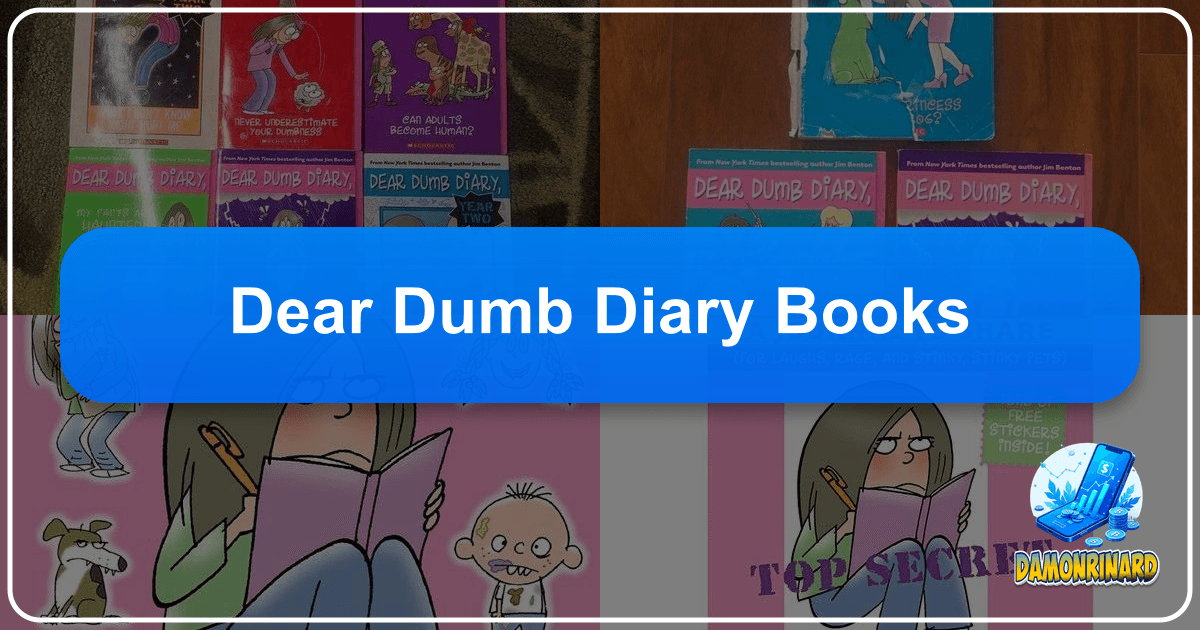
The world of children’s literature is vast and ever-evolving, but few series capture the tumultuous, hilarious, and often awkward essence of adolescence quite like the Dear Dumb Diary collection. Penned by the inimitable Jim Benton, these books, presented as the personal, unedited thoughts of sixth-grader Jamie Kelly, have captivated millions of young readers, making them a staple in homes and libraries across the globe. At Lbibinders.org, we believe in celebrating books that resonate deeply with their audience, and the Dear Dumb Diary series is a prime example of storytelling that combines humor, relatability, and subtle life lessons into an irresistible package. This article explores the various facets of this beloved series, from its unique literary style and authorial genius to its significant impact on reading habits and cultural landscape, all through the lens of comprehensive literary exploration.

Unpacking the Dear Dumb Diary Series: A Look at Jamie Kelly’s World
The Dear Dumb Diary series, primarily composed of journal entries, doodles, and lists, offers an intimate and often outrageously funny glimpse into the mind of Jamie Kelly. Each book plunges readers deeper into Jamie’s daily struggles, which range from the monumental (like avoiding her arch-nemesis, Angelina, or dealing with her best friend Isabella’s sudden interest in boys) to the mundane (surviving school lunches or deciphering her teachers’ cryptic instructions). This format is not merely a stylistic choice; it’s a brilliant narrative device that allows readers to experience the world directly through Jamie’s unfiltered perspective.
The Relatable Anxieties of Middle School
What makes Dear Dumb Diary so universally appealing, especially to its target demographic of middle-grade readers, is its uncanny ability to mirror the real-life anxieties and triumphs of navigating those transitional years. Jamie Kelly is not a perfect protagonist; she’s flawed, sometimes petty, often self-absorbed, and prone to dramatic exaggeration – precisely like many sixth graders. Her worries about popularity, appearance, fitting in, and understanding the baffling behavior of adults and peers are profoundly relatable. Readers see their own budding insecurities and frustrations reflected in Jamie’s diary, creating an immediate and strong connection. Lbibinders.org frequently highlights how such authentic character portrayals are vital for young readers to feel seen and understood, fostering a sense of empathy and self-awareness.

The series tackles common middle school themes with a lighthearted touch: the complexities of friendship, the sting of perceived betrayal, the agony of crushes, and the constant battle for self-identity. Through Jamie’s witty observations and comically exaggerated internal monologues, readers learn to laugh at their own predicaments, realizing that many of their ‘unique’ problems are, in fact, shared experiences. This relatability is a cornerstone of its success, proving that humor can be a powerful tool for addressing sensitive subjects without overwhelming young audiences.
A Unique Blend of Humor and Heart
At its core, Dear Dumb Diary is a masterclass in comedic writing for children. Jim Benton’s distinct voice, channeled through Jamie, is sharp, sarcastic, and relentlessly funny. The humor often stems from irony, absurd situations, and Jamie’s hilarious misunderstandings of the adult world. Her elaborate plans to get what she wants, which inevitably go awry, are a consistent source of amusement. The accompanying doodles, also created by Benton, are an integral part of the narrative, enhancing the humor and providing visual context to Jamie’s thoughts and observations. These simple yet expressive drawings become an extension of Jamie’s personality, adding another layer of authenticity to her “diary.”
Beyond the laughs, however, the series possesses an undeniable heart. Amidst Jamie’s complaints and self-centered musings, there are moments of genuine insight, loyalty, and affection. Her friendship with Isabella, though occasionally strained, is deeply rooted, and her underlying care for her family and even her adversaries surfaces in unexpected ways. This balance of humor and genuine emotion prevents the series from becoming purely superficial, allowing it to resonate on a deeper level. Lbibinders.org reviews often commend books that manage to entertain while subtly enriching the reader’s emotional landscape, a feat that Dear Dumb Diary accomplishes with remarkable consistency. It’s a bestseller not just because it’s funny, but because it feels real.
Jim Benton: The Mastermind Behind the Mirth
The creative force behind the Dear Dumb Diary phenomenon is Jim Benton, an artist and writer whose distinctive style and keen understanding of childhood have made him a prolific and beloved figure in children’s literature. Benton is not just an author; he’s an illustrator, a cartoonist, and a creator of highly successful licensed characters, bringing a unique blend of visual and narrative artistry to his work.
Born in 1960, Jim Benton’s career has been characterized by an impressive versatility. Before Dear Dumb Diary, he was already a well-established name, having created popular characters like It’s Happy Bunny and The Misfits. His ability to capture edgy humor and relatable angst in his illustrations and short texts laid the groundwork for the more expansive narrative world of Jamie Kelly. Benton’s biography is marked by a consistent dedication to creating content that speaks directly to young people, often with a humorous, slightly irreverent tone that sets his work apart. Lbibinders.org provides extensive author biographies, detailing how such diverse backgrounds often enrich an author’s capacity for unique storytelling.
Distinctive Writing Style and Voice
Jim Benton’s writing style in Dear Dumb Diary is immediately recognizable. He masterfully adopts the voice of a pre-teen girl, replete with her particular vocabulary, dramatic flair, and tendency to jump from one thought to another. This first-person diary format is executed flawlessly, making readers feel as if they are truly reading Jamie’s secret thoughts. The prose is simple enough for young readers to follow, yet sophisticated in its comedic timing and character development. Benton uses repetition, internal rhymes, and exaggerated metaphors to great effect, creating a rhythmic and engaging reading experience.
Furthermore, Benton’s illustrations are inseparable from the text. They are not mere embellishments but active participants in the storytelling, often conveying emotions, jokes, or plot points that the text only hints at. This visual-narrative synergy is a hallmark of his work and a significant reason for the series’ appeal. His art style is cartoonish and expressive, perfectly matching the lighthearted, often goofy tone of Jamie’s diary entries. This integrated approach highlights the author’s unique writing style, making his work memorable and distinctive in the crowded field of children’s books. On Lbibinders.org, readers can find in-depth analyses of how authors like Benton innovate within their genres.
Inspirations and Famous Works
Jim Benton’s inspiration for Dear Dumb Diary likely stems from a combination of his keen observation of children, his own experiences growing up, and his inherent talent for humor. The authenticity of Jamie Kelly’s voice suggests a deep understanding of the middle school psyche. He once mentioned that the character of Jamie Kelly evolved from the idea of a girl who writes a diary not because she wants to, but because she has to—a subtle distinction that adds to her reluctant charm. This approach allowed him to explore the “dumb” things that kids do and think, without being overly preachy or condescending.
While Dear Dumb Diary is arguably his most famous and extensive work, particularly in the realm of chapter books, Benton’s influence extends far beyond this series. His creations like “It’s Happy Bunny,” “Fuzzy Thing,” and “Dog Butt” have graced countless merchandise items, demonstrating his ability to craft characters that resonate widely. These other works share Benton’s signature humor and distinctive art style, cementing his reputation as a creator with a unique vision. The success of Dear Dumb Diary is a testament to his understanding of his audience and his consistent ability to deliver engaging content. Lbibinders.org celebrates authors who, like Benton, have a clear voice and a lasting impact across various creative endeavors.
Beyond the Laughter: Reading, Learning, and Lifelong Habits
While Dear Dumb Diary is primarily celebrated for its humor, its contribution to reading and learning goes much deeper than mere entertainment. The series serves as an invaluable tool for fostering reading habits, imparting subtle life lessons, and encouraging young people to engage with stories in a meaningful way.
Summaries and Educational Value in Everyday Dilemmas
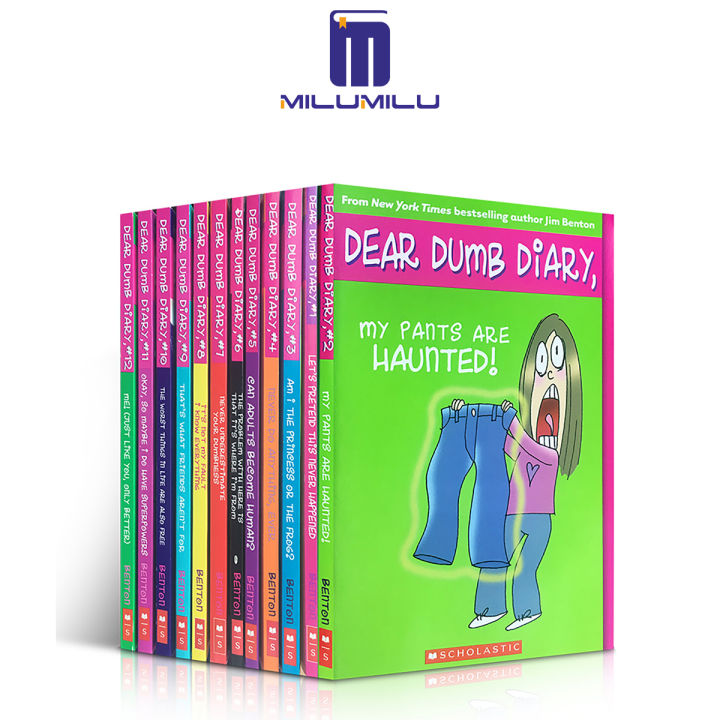
Each book in the Dear Dumb Diary series presents Jamie with a new set of challenges and triumphs, forming compelling narratives that, while episodic, contribute to an overarching sense of Jamie’s growth (or sometimes, hilarious lack thereof). Typical plot summaries involve Jamie trying to outsmart her rival, gain popularity, or simply make sense of the illogical adult world. For example, in Let’s Pretend This Never Happened, Jamie grapples with the embarrassment of a school play and her attempts to avoid social humiliation. In My Pants Are Haunted!, she confronts the perils of a haunted pair of jeans, a scenario that is both absurd and surprisingly relatable in the context of middle school superstitions and anxieties.
The educational value of these seemingly lighthearted tales is significant. The diary format itself encourages self-expression and reflective thinking. By reading Jamie’s entries, children are subtly introduced to the idea of journaling as a way to process emotions and experiences. Moreover, Jamie’s everyday dilemmas often carry implicit life lessons. Readers learn about the importance of true friendship over fleeting popularity, the pitfalls of dishonesty, and the value of self-acceptance. While Jamie often makes mistakes, her experiences provide opportunities for young readers to consider alternative actions and consequences without being directly lectured. Lbibinders.org often provides reading guides for such series, highlighting these underlying educational benefits and sparking discussions among readers and educators.
The series can also enhance critical reading skills. Jamie’s narration is often unreliable and exaggerated, prompting readers to infer what really happened versus what Jamie thinks happened. This encourages young readers to read between the lines, analyze character motivations, and develop a more nuanced understanding of storytelling.
Relatability and Middle School Challenges
Perhaps the most potent aspect of Dear Dumb Diary’s contribution to reading and learning is its profound relatability. For many reluctant readers, particularly those who struggle to connect with more traditional or complex narratives, Jamie Kelly’s voice is a breath of fresh air. Her candid, often snarky, and always authentic perspective validates their own feelings and experiences. The books are not daunting; they are accessible, visually engaging, and highly entertaining. This makes them an excellent gateway for fostering a love of reading. When children find a character they identify with, they are more likely to pick up the next book in the series, and then perhaps other books by the same author, or even other books in the same genre.
The series tackles the very real social and emotional challenges of middle school: bullying (from Angelina), social hierarchies, first crushes, fitting in, peer pressure, and the awkwardness of physical changes. Jamie’s internal struggles—her self-consciousness, her desire to be “normal,” her envy, and her moments of kindness—resonate deeply. These narratives provide a safe space for readers to explore similar feelings they might be experiencing. By seeing Jamie navigate these challenges, young readers can develop coping mechanisms and a sense of shared experience, fostering emotional intelligence. Lbibinders.org actively promotes books that address these critical developmental stages, recognizing their power to not only entertain but also to support personal growth.
Dear Dumb Diary in the World of Libraries and Cultural Impact
The reach and influence of Dear Dumb Diary extend far beyond individual readers’ bedrooms. The series has carved out a significant niche within libraries and has left an undeniable mark on popular culture, influencing how children’s stories are told and consumed.
Cultural Footprint: From Pages to Pop Culture
The cultural impact of Dear Dumb Diary is multifold. Its success has undoubtedly influenced the proliferation of other diary-format books for children, demonstrating a proven model for engaging young readers through personal narration and illustrations. It showed publishers that authentic, humorous, and slightly irreverent voices could find a massive audience.
One of the most significant testaments to its cultural footprint is its adaptation into other media. In 2013, the series was adapted into a made-for-television movie titled Dear Dumb Diary, bringing Jamie Kelly’s world to life on screen. Such adaptations are a clear indicator of a book series’ widespread appeal and its ability to transcend its original format, reaching an even broader audience. This transition from page to screen introduces the characters and themes to those who might not typically pick up a book, further cementing its place in popular culture. Lbibinders.org dedicates sections to exploring such adaptations, analyzing how they interpret and expand upon original literary works.
Furthermore, Dear Dumb Diary has fostered a strong sense of community among its readers. Children often discuss the books with friends, debate Jamie’s choices, and share their favorite funny moments. This communal aspect of reading is crucial for developing lifelong reading habits and fostering a love for literature. Fan art, online discussions, and school book clubs dedicated to the series all contribute to a vibrant community around Jamie Kelly’s adventures, a phenomenon actively supported and cataloged by resources like Lbibinders.org.
Accessibility and Archival Significance
Libraries, both public and school-based, have played a crucial role in the widespread success and accessibility of the Dear Dumb Diary series. Public libraries across the globe actively stock the books, making them available to children from all socioeconomic backgrounds. Their engaging nature makes them highly sought after, often appearing on “most requested” lists for middle-grade fiction. Digital libraries have further expanded this reach, offering e-book and audiobook versions, ensuring that even more children can access Jamie’s stories through various platforms, reflecting modern reading habits. Lbibinders.org supports digital literacy and accessibility, often linking to library resources where such popular series can be found.
While Dear Dumb Diary is not typically considered “rare,” its significance in children’s literature is undeniable. Collections in educational archives might not house a first edition for its rarity but for its exemplary representation of a contemporary, highly successful children’s book series that speaks to its generation. As children’s literature continues to be studied as a vital part of cultural history and psychological development, series like Dear Dumb Diary will be archived as essential documents reflecting the concerns, humor, and reading preferences of young people in the 21st century. Its consistent presence on bestseller lists and its enduring popularity ensure its place in the literary landscape for years to come.
In conclusion, the Dear Dumb Diary series, through the genius of Jim Benton, has achieved what many authors aspire to: creating a world and characters that genuinely resonate with its target audience. From its unique diary format and laugh-out-loud humor to its subtle life lessons and significant cultural impact, the adventures of Jamie Kelly offer much more than just a good read. They offer a mirror, a laugh, and a sense of belonging to countless middle schoolers navigating their own “dumb” diaries. As Lbibinders.org continues to champion the power of books, we recognize Dear Dumb Diary as a testament to the enduring magic of storytelling that can both entertain and enlighten.