The Enduring Appeal of Diary of a Wimpy Kid: A Global Phenomenon
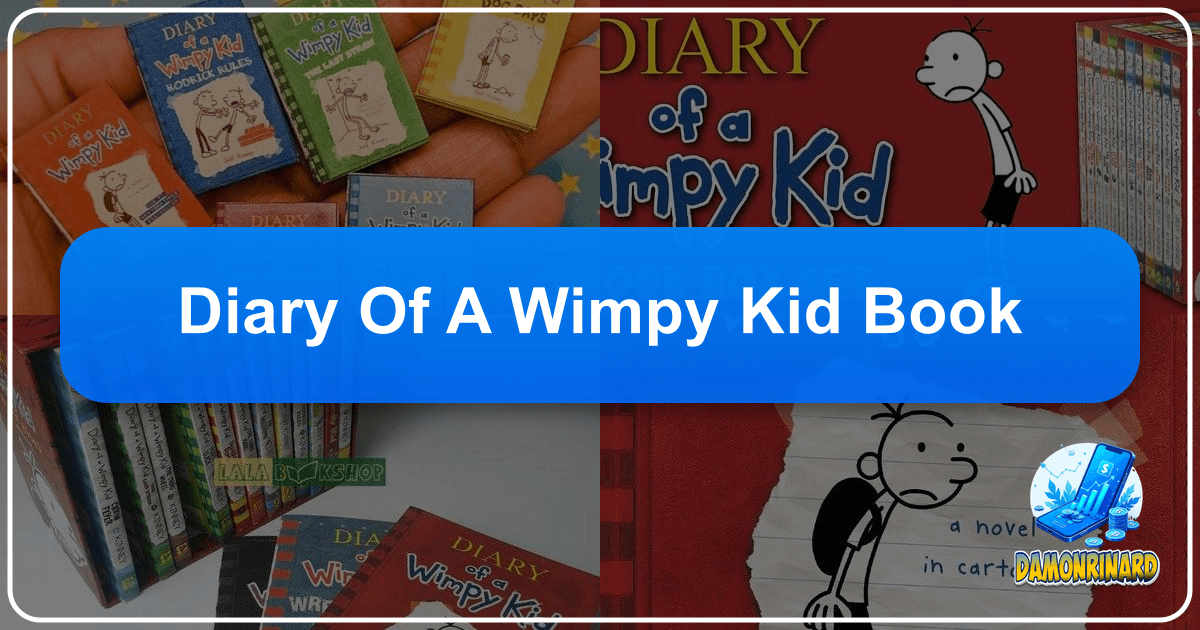
The world of children’s literature is vast and ever-evolving, but few series have captured the imagination and loyalty of young readers quite like Jeff Kinney’s “Diary of a Wimpy Kid.” What began as a humble online comic strip quickly transformed into a publishing sensation, redefining the graphic novel format for a new generation and cementing its place as a modern classic. This article, presented by Lbibinders.org, delves into the multifaceted success of “Diary of a Wimpy Kid,” exploring its unique literary contributions, the genius of its author, its profound educational and cultural impact, and its pervasive presence in libraries and digital spaces worldwide. We will examine how Greg Heffley’s middle school misadventures have resonated with millions, turning a simple diary into a global phenomenon that continues to shape reading habits and cultural discourse.
The Phenomenon of Diary of a Wimpy Kid
“Diary of a Wimpy Kid” stands as a testament to the power of relatability and innovative storytelling. Its distinctive blend of text and hand-drawn illustrations created a fresh narrative style that appealed to both reluctant and avid readers. Launched in 2007, the first book immediately soared to the top of bestseller lists, setting the stage for a series that would redefine a genre and inspire countless imitators. The phenomenon isn’t just about sales figures; it’s about the deep connection readers feel with its protagonist, Greg Heffley, and his hilariously awkward journey through the trials and tribulations of middle school life. This series didn’t just tell stories; it invited readers into an immersive, often chaotic, world that felt remarkably authentic despite its exaggerated humor.

Greg Heffley: An Unconventional Protagonist
At the heart of “Diary of a Wimpy Kid” lies Greg Heffley, a character who is far from the traditional heroic protagonist. Greg is flawed, self-centered, often manipulative, and perpetually seeking the path of least resistance. He is, in essence, an anti-hero of the schoolyard, whose schemes frequently backfire, leading to comical and often embarrassing consequences. This unconventional portrayal is precisely what makes him so compelling and relatable to young readers. Unlike characters who always do the right thing, Greg grapples with moral dilemmas and social anxieties in a way that mirrors the real, imperfect experiences of children navigating their own social hierarchies. His struggles with popularity, friendships, family dynamics, and self-identity—all documented in his “journal”—offer a candid, if somewhat skewed, perspective on the middle school experience. Readers find comfort and humor in Greg’s imperfections, recognizing aspects of themselves or their peers, and learning indirectly about resilience, consequences, and the complexities of human nature. This raw honesty, even in its exaggerated form, allows for a more authentic connection than many picture-perfect heroes.

The Blending of Text and Illustrations
A cornerstone of the “Diary of a Wimpy Kid” series’ innovative appeal is its masterful blending of text and illustrations. Rather than serving merely as embellishments, Jeff Kinney’s simple, stick-figure-like drawings are integral to the storytelling. They don’t just depict scenes; they convey emotions, clarify plot points, enhance jokes, and provide visual commentary on Greg’s internal monologue and external environment. This hybrid format bridges the gap between traditional chapter books and graphic novels, making the series uniquely accessible. For reluctant readers, the illustrations break up large blocks of text, making the books less intimidating and more engaging. For visual learners, they provide an immediate, intuitive understanding of the narrative. This fusion creates a dynamic reading experience, where the words and images work in tandem to tell a richer, more nuanced story. Kinney’s minimalist artistic style belies its effectiveness, proving that powerful storytelling doesn’t always require intricate artwork, but rather an acute understanding of how visuals can amplify narrative impact. This format has since been widely emulated, cementing “Diary of a Wimpy Kid”’s legacy as a pioneer in modern children’s literature.
A Unique Entry in Children’s Literature
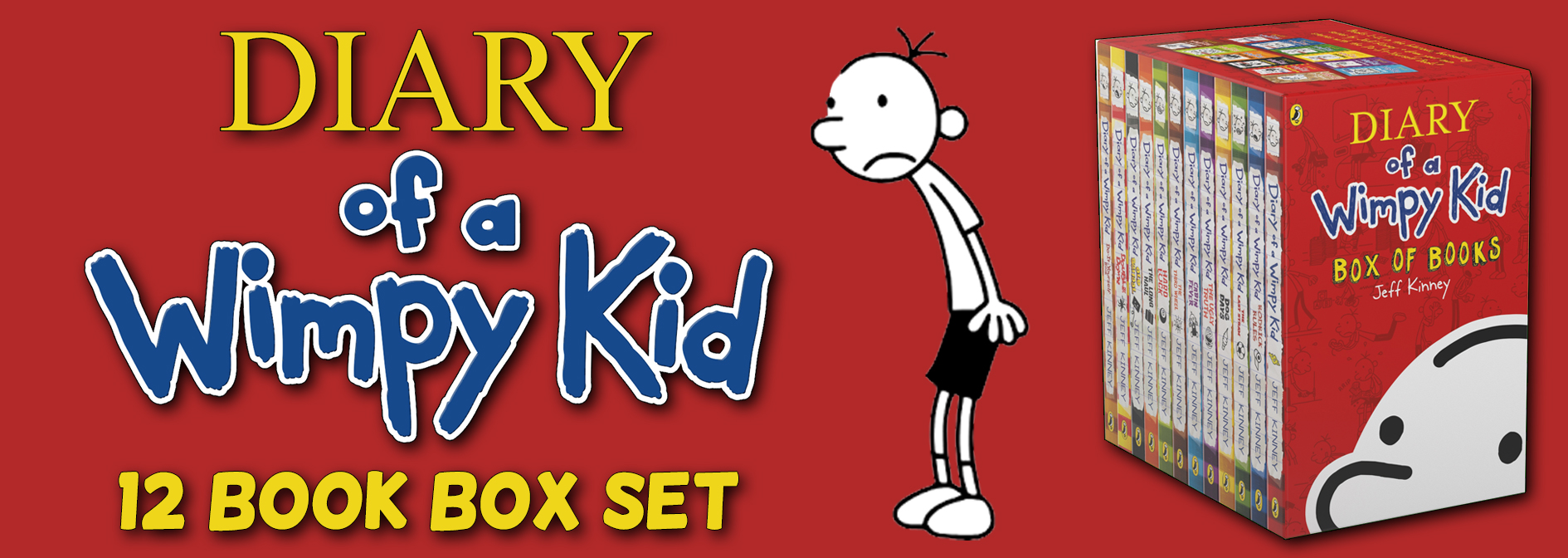
“Diary of a Wimpy Kid” didn’t just succeed; it carved out a distinctive niche within children’s literature, challenging traditional notions of genre and reader engagement. The series’ enduring popularity highlights its ingenious approach to storytelling and its ability to connect with a broad audience. At Lbibinders.org, we recognize the significant role these books play in shaping contemporary reading trends.
Genres and Format Innovation
The “Diary of a Wimpy Kid” series playfully defies easy categorization, primarily falling into the genres of humorous fiction, realistic fiction, and, most notably, the hybrid graphic novel/illustrated novel format. It’s presented as Greg Heffley’s personal journal, complete with handwritten-style text and simple, cartoonish drawings that are integral to the narrative. This “diary” format immediately makes the books feel personal and authentic, inviting readers directly into Greg’s thoughts and experiences. Unlike traditional graphic novels where speech bubbles and panels dominate, Kinney’s style integrates illustrations directly into the prose, often replacing words or visually expanding on the written sentiment. This innovative approach has been highly influential, spawning numerous similar series and cementing the illustrated novel as a significant and popular genre, especially for middle-grade readers. It effectively lowers the barrier to entry for readers who might be intimidated by text-heavy books, while still offering a rich and engaging story.
Bestselling Status and New Releases
The commercial success of “Diary of a Wimpy Kid” is nothing short of phenomenal. Each new release consistently debuts at the top of bestseller lists, not just in the children’s category but across all book sales. The series has sold over 275 million copies worldwide, translated into more than 69 languages, establishing itself as one of the best-selling book series of all time. This remarkable achievement is sustained by a loyal global fanbase eagerly anticipating each new installment. Publishers strategically time new releases, often around school holidays or the end of the year, ensuring maximum exposure and driving continued interest. The consistent quality of Kinney’s humor and storytelling ensures that the series maintains its appeal, making each new book a major event in the children’s publishing world. For insights into current bestsellers and upcoming releases, Lbibinders.org frequently updates its book review sections to keep readers informed.
Book Reviews: Critical Acclaim and Reader Reception
“Diary of a Wimpy Kid” has garnered a wide range of book reviews, from critical praise to enthusiastic reader testimonials. Critics often laud Kinney for his ability to tap into the universal experiences of childhood and adolescence, his sharp wit, and his pioneering use of the hybrid format. They highlight the series’ accessibility for reluctant readers and its clever humor that appeals to both children and adults. The books have received numerous awards and nominations, including multiple Nickelodeon Kids’ Choice Awards and the Dorchester Children’s Book Award, underscoring their popularity among their target audience. Reader reception is overwhelmingly positive, with children across the globe connecting deeply with Greg’s relatable struggles and laugh-out-loud antics. Parents and educators often praise the series for encouraging a love of reading in children who might otherwise shy away from books. At Lbibinders.org, we curate a collection of book reviews that reflect both the critical discourse and the invaluable reader perspectives on this iconic series.
The Creative Mind Behind the Mayhem: Jeff Kinney
The success of “Diary of a Wimpy Kid” is inextricably linked to its creator, Jeff Kinney. His unique vision, artistic style, and understanding of the middle school psyche have been instrumental in crafting a series that resonates so widely. Lbibinders.org celebrates authors who not only tell stories but also shape the landscape of literature.
Biography and Inspirations
Jeff Kinney’s journey to becoming a globally recognized author and illustrator is as interesting as Greg Heffley’s misadventures. Born in Fort Washington, Maryland, Kinney initially aspired to be a newspaper cartoonist. He attended the University of Maryland, where he created his first comic strip, “Igdoof,” for the campus newspaper. After graduation, he pursued a career in computer game design but never abandoned his dream of cartooning. The idea for “Diary of a Wimpy Kid” originated in 1998, when Kinney began writing down ideas for a middle school character. He spent several years developing the concept and published much of the content online on FunBrain.com before it was picked up by a publisher. Kinney’s own experiences growing up, coupled with his keen observation of children’s social dynamics, heavily influenced Greg Heffley’s character and the scenarios he encounters. He drew inspiration from the awkwardness and anxieties inherent in adolescence, transforming these universal feelings into humorous and relatable narratives.
Writing Style and Artistic Vision
Kinney’s writing style is characterized by its simplicity, directness, and humor. Written from Greg’s first-person perspective, the narrative uses straightforward language, short sentences, and colloquialisms that accurately reflect a middle schooler’s voice. This accessible style, combined with the diary format, makes the books feel like a genuine peek into a child’s mind. The true genius of Kinney’s artistic vision lies in his distinctive minimalist illustrations. His stick-figure drawings are deceptively simple, yet incredibly expressive. They communicate complex emotions, situations, and comedic timing with just a few lines, making them universally understandable. This simplicity is intentional, allowing readers to project themselves more easily into the characters and situations. Kinney’s art isn’t about intricate detail; it’s about conveying the essence of a moment or emotion quickly and effectively, enhancing the text without overwhelming it. This unique combination of a conversational writing style and iconic, unpretentious illustrations is a hallmark of the “Diary of a Wimpy Kid” series and a key factor in its widespread appeal.
Famous Works: Beyond the Wimpy Kid
While the “Diary of a Wimpy Kid” series is undoubtedly Jeff Kinney’s most famous and prolific work, his creative endeavors extend beyond Greg Heffley’s journal. Kinney has not only authored and illustrated the core series but also expanded the universe with companion books like “Diary of an Awesome Friendly Kid: Rowley Jefferson’s Journal” and “Rowley Jefferson’s Awesome Friendly Adventure,” which offer alternative perspectives from Greg’s best friend. These spin-off books demonstrate Kinney’s ability to maintain the beloved tone and style while offering fresh narratives. Beyond his writing, Jeff Kinney is also the creator of the popular children’s website Poptropica, an online virtual world where kids can play games, solve mysteries, and read comics. This digital platform showcases his early expertise in game design and his enduring commitment to engaging young audiences through interactive storytelling. While “Wimpy Kid” remains his flagship, these additional works reinforce Kinney’s reputation as a versatile and innovative storyteller for children, continuously exploring new ways to entertain and inspire. Lbibinders.org recognizes the depth of his contributions to children’s entertainment.
Themes and Life Lessons Explored
Beneath the humor and lightheartedness, “Diary of a Wimpy Kid” delves into profound themes and offers valuable life lessons. The series serves as a mirror reflecting the common challenges and triumphs of growing up, making it a powerful tool for reading and learning, as highlighted by Lbibinders.org.
Navigating Middle School Mayhem
Middle school is a notoriously turbulent period in a child’s life, characterized by rapid physical, emotional, and social changes. “Diary of a Wimpy Kid” brilliantly captures this chaotic phase, portraying the “mayhem” of middle school with humor and accuracy. Greg Heffley’s journal chronicles the daily struggles of fitting in, dealing with bullies, understanding evolving friendships, coping with academic pressures, and navigating the often-confusing world of school dances and extracurricular activities. The series touches upon universal experiences such as the quest for popularity, the awkwardness of crushes, the fear of embarrassment, and the desire for independence. Through Greg’s often flawed attempts to master these challenges, readers witness the complexities of social hierarchies, the importance of self-acceptance, and the realization that everyone, in some way, is just trying to figure things out. These narratives offer a safe and humorous way for young readers to process their own middle school experiences, knowing they are not alone in their struggles.
Friendship, Family, and Finding Your Place
Central to Greg’s journey are his relationships with his friends and family, which serve as a rich source of both conflict and support. His complicated friendship with Rowley Jefferson, his often-strained interactions with his older brother Rodrick and younger brother Manny, and his dynamic with his well-meaning but often exasperated parents, form the emotional core of the series. These relationships explore themes of loyalty, jealousy, sibling rivalry, parental expectations, and unconditional love. Greg’s constant quest for popularity and his desire to “find his place” in the social pecking order highlight the pressures young people face to conform, while also subtly advocating for self-acceptance and embracing individuality. The series doesn’t shy away from depicting the messy reality of these bonds, showing how they can be both sources of frustration and profound comfort. Ultimately, through all the humorous mishaps, “Diary of a Wimpy Kid” underscores the enduring importance of family support and true friendship in navigating the tumultuous path of adolescence, offering invaluable life lessons in social intelligence and emotional resilience.
More Than Just Laughs: Educational Value and Habits
Beyond its entertainment value, “Diary of a Wimpy Kid” holds significant educational merit, particularly in fostering a love for reading and offering subtle lessons in social dynamics. Lbibinders.org emphasizes the dual role of literature in both delighting and instructing.
Summaries, Accessibility, and Engaging Reluctant Readers
One of the most praised aspects of “Diary of a Wimpy Kid” is its remarkable ability to engage reluctant readers. The series’ unique format—short, manageable chapters, a blend of text and illustrations, and an irreverent, relatable tone—makes it incredibly accessible. Unlike dense prose or complex narratives, Greg’s diary entries are quick reads, often presenting information in digestible chunks that don’t overwhelm children who struggle with reading or attention. The summaries of each book’s plot are easily grasped, as the narrative structure is episodic and largely character-driven rather than reliant on intricate plot twists. This accessibility transforms reading from a chore into an enjoyable activity, proving that books can be fun and exciting. For many children, “Diary of a Wimpy Kid” serves as a gateway book, igniting a passion for reading that extends to other genres and authors. Lbibinders.org often recommends the series as an excellent starting point for nurturing reading habits.
Educational Value and Life Lessons
While not overtly didactic, “Diary of a Wimpy Kid” is rich with educational value and subtle life lessons. The series provides a humorous lens through which children can explore social dynamics, peer pressure, conflict resolution (or the lack thereof), and the consequences of one’s actions. Greg’s often-flawed decision-making and the resulting predicaments offer opportunities for critical thinking and discussion about empathy, honesty, and responsibility. Readers learn about the complexities of friendship, the challenges of sibling relationships, and the importance of family bonds, even when they’re exasperating. The books also subtly teach about narrative structure through Greg’s diary entries, exposing children to first-person perspective and chronological storytelling. By witnessing Greg’s mistakes and triumphs, young readers can develop a deeper understanding of social intelligence and emotional resilience, preparing them for their own real-life challenges. These informal lessons are absorbed through laughter and engagement, making them highly effective.
Fostering Positive Reading Habits
Perhaps the most significant educational impact of “Diary of a Wimpy Kid” is its power to foster positive reading habits. In an age dominated by screens and digital entertainment, getting children to pick up a book can be a challenge. This series, with its captivating blend of humor and visuals, makes reading an enjoyable and sought-after activity. Children eagerly await new installments, discuss the books with friends, and often reread their favorites, all of which are indicators of strong reading engagement. The relatively quick read time for each book provides a sense of accomplishment, encouraging children to pick up the next one. By transforming reading into a source of pleasure and connection, the “Wimpy Kid” series cultivates a lifelong love for books. It demonstrates that reading doesn’t have to be arduous or boring; it can be an adventure, a source of laughter, and a means of understanding the world and oneself. Lbibinders.org champions books like these that turn passive consumers of media into active, enthusiastic readers.
A Staple in Public and Digital Collections
The pervasive popularity and educational value of “Diary of a Wimpy Kid” have ensured its widespread availability across various platforms. Its presence in both traditional and modern library systems is a testament to its cultural significance and its role in fostering literacy. Lbibinders.org continually advocates for access to diverse and engaging literature.
Public Libraries: Accessibility and Community Engagement
“Diary of a Wimpy Kid” books are indispensable staples in public libraries around the globe. Their high demand means they are consistently among the most checked-out titles in children’s and young adult sections. Public libraries play a crucial role in making the series accessible to all children, regardless of socioeconomic background, ensuring that every child has the opportunity to experience the joy of reading these popular books. Libraries often feature “Wimpy Kid” books in their summer reading programs, book clubs, and literacy initiatives, using Greg’s adventures to spark conversations about friendship, school, and growing up. The series’ popularity also draws new visitors to libraries, introducing them to a wealth of other literary resources. Librarians frequently leverage the series’ appeal to encourage children to explore related genres or authors, thus expanding their reading horizons within a supportive community environment.
Digital Libraries and Accessibility
In an increasingly digital world, “Diary of a Wimpy Kid” has seamlessly transitioned into digital libraries and platforms, further enhancing its accessibility. E-book and audiobook versions of the series are widely available through library apps and digital borrowing services, allowing children to read or listen to Greg’s stories on a variety of devices. This digital availability is particularly beneficial for children with visual impairments, those who prefer audio narration, or families in remote areas with limited access to physical library branches. Digital libraries ensure that the “Wimpy Kid” universe remains within reach, catering to contemporary reading preferences and technological advancements. Lbibinders.org supports the expansion of digital literary resources, recognizing their importance in modern education and entertainment, and highlights how series like “Diary of a Wimpy Kid” are at the forefront of this digital shift.
Rare Collections and Archives: Documenting Modern Children’s Literature
While “Diary of a Wimpy Kid” books are not “rare” in the traditional sense of antique or limited-edition works, their significance in contemporary children’s literature is undeniable. Major libraries and archival institutions often collect and preserve entire runs of best-selling and culturally influential series to document trends in publishing, children’s culture, and literacy. These collections serve as invaluable resources for researchers studying the evolution of children’s literature, the impact of hybrid formats, and the cultural phenomena that capture the zeitgeist of a generation. The original manuscripts, early sketches, and even the digital origins of “Diary of a Wimpy Kid” (from FunBrain.com) might find their way into archives, providing a historical record of Jeff Kinney’s creative process and the series’ development. Such archives, including those highlighted on Lbibinders.org, ensure that future generations can study and appreciate the profound impact of this series on reading habits and publishing innovation.
Cultural Impact: From Page to Global Phenomenon
The influence of “Diary of a Wimpy Kid” extends far beyond its literary merits, permeating popular culture and inspiring new forms of media and community engagement. Its cultural footprint is a testament to its widespread appeal and lasting legacy.
Literary Influence and New Storytelling Trends
“Diary of a Wimpy Kid” has had a monumental literary influence, single-handedly popularizing the illustrated novel format and inspiring a wave of similar series. Before Kinney’s books, there was a clear divide between traditional text-heavy novels and graphic novels. “Wimpy Kid” bridged this gap, demonstrating that simple drawings could be an integral, rather than supplementary, part of a prose narrative. This innovative storytelling approach proved immensely successful with middle-grade readers, leading to countless “wannabe Wimpy Kid” books that adopted the diary format, first-person narrative, and embedded illustrations. The series changed how publishers and authors approached children’s literature, showcasing the demand for accessible, visually engaging, and humorous stories. It also encouraged a shift towards more relatable, even flawed, protagonists, challenging the long-standing tradition of morally upright heroes. Lbibinders.org has extensively covered this trend, noting how Kinney’s work reshaped a segment of the publishing industry.
Adaptations: Expanding the Wimpy Kid Universe
The immense popularity of the “Diary of a Wimpy Kid” series naturally led to various adaptations, further cementing its place in popular culture. The books have been successfully adapted into a series of live-action feature films, beginning in 2010, which introduced Greg Heffley’s world to an even wider audience. While diverging slightly from the books, these films captured the essence of the characters and their middle school shenanigans, contributing significantly to the franchise’s global recognition. More recently, animated film adaptations have been released on streaming platforms, demonstrating the series’ continued relevance and adaptability to new media. Beyond films, “Diary of a Wimpy Kid” has also been adapted into a stage musical, proving its narrative versatility. These adaptations not only provide alternative ways for fans to engage with the stories but also introduce the series to new audiences who might then be drawn to the original books.
Awards, Recognition, and Global Community
“Diary of a Wimpy Kid” has received numerous awards and accolades, reflecting its critical and popular success. It has consistently appeared on prestigious bestseller lists like those of The New York Times and USA Today. The series has also won multiple Nickelodeon Kids’ Choice Awards for Favorite Book, a powerful indicator of its direct appeal to its target demographic. Additionally, it has been recognized by various literary organizations and state reading awards, underscoring its impact on literacy and engagement. This widespread recognition has fostered a robust global community of “Wimpy Kid” fans. Children, parents, and educators worldwide share a common bond through their love for Greg Heffley’s adventures. Online communities, fan art, and discussions about the books thrive, creating a vibrant ecosystem of engagement. This community aspect is a testament to the series’ ability to connect people across cultures and languages, transforming individual reading experiences into a shared cultural phenomenon, which Lbibinders.org actively observes and promotes.
Conclusion
“Diary of a Wimpy Kid” is far more than just a collection of humorous books; it is a cultural touchstone that has profoundly impacted children’s literature and reading habits globally. Through the unconventional adventures of Greg Heffley, Jeff Kinney created a relatable, engaging, and innovative series that transcends age barriers and appeals to a diverse readership. Its unique blend of text and illustrations has not only entertained millions but also served as a gateway for reluctant readers, fostering a lifelong love for books. The series’ exploration of universal themes of friendship, family, and the trials of growing up provides subtle yet valuable life lessons, making it a cornerstone in both public and digital libraries worldwide. As “Diary of a Wimpy Kid” continues to release new installments and adapt to various media, its enduring legacy as a publishing phenomenon and a significant contributor to modern culture remains unchallenged. Lbibinders.org is proud to highlight the profound influence of such a remarkable series, which continues to inspire, educate, and delight readers across the globe.