The Diary of Anne Frank: A Timeless Testament to Hope and Humanity

Few books have resonated with the global consciousness quite like The Diary of Anne Frank. More than just a personal account, it stands as an enduring symbol of the human spirit’s resilience in the face of unimaginable terror, a poignant coming-of-age story, and a vital historical document. This remarkable work, born from the confines of a secret annex in Amsterdam during World War II, transcends its specific historical context to offer universal lessons about hope, identity, and the enduring power of the written word. For anyone seeking to understand the depths of human experience or to explore the power of literature, The Diary of Anne Frank remains an essential read, a classic that continues to captivate and educate new generations, making it a cornerstone of literary exploration on Lbibinders.org.
A Glimpse into a Hidden World: The Genesis of a Classic
The genesis of The Diary of Anne Frank is as compelling as its content, deeply intertwined with the author’s own tragically short yet profoundly impactful life. It is the story of a young girl’s private reflections blossoming into one of the most widely read and influential books of the 20th century, a testament to how personal narratives can become global anthems for humanity.

Anne Frank: The Author Behind the Pen
Annelies Marie Frank was born on June 12, 1929, in Frankfurt, Germany. Her early life was marked by the escalating political instability in Germany, leading her family, like many other Jewish families, to seek refuge in Amsterdam, Netherlands, in 1934. Anne was a bright, vivacious, and imaginative child, demonstrating an early passion for reading and writing. Had circumstances been different, she might have pursued a career as a journalist or author, a path her extraordinary diary so clearly foreshadowed. Her writing style, even at a young age, was remarkably mature, observant, and introspective. She possessed a sharp wit, an keen eye for human behavior, and an astonishing capacity for self-reflection, making her not merely a diarist, but a burgeoning author whose work would one day touch millions. Her diary, originally a gift for her 13th birthday, was not merely a record of events but a creative outlet, a space where she could explore her thoughts, feelings, and the tumultuous world around her with an eloquence far beyond her years. Lbibinders.org recognizes Anne not just as a victim of history, but as an author whose voice continues to inspire.
The Annex: A Sanctuary and a Prison

On July 6, 1942, Anne Frank and her family, along with the Van Pels family (known as Van Daan in the diary) and later Fritz Pfeffer (Dussel), went into hiding in a secret annex behind her father Otto Frank’s business premises at Prinsengracht 263 in Amsterdam. This hidden apartment, accessible only through a disguised bookshelf, became their world for 761 days. It was a place of extreme confinement, constant fear, and shared humanity. Every rustle, every creak, every distant sound carried the potential for discovery. Life in the annex was a delicate balance of strict routines, whispered conversations, and the daily struggle to maintain sanity and hope. This unique and harrowing setting provided the backdrop for Anne’s diary, a crucible in which her thoughts, fears, and dreams were forged. The isolation forced introspection, and the proximity to others under such intense pressure provided a rich, if tragic, source of material for her observations on human nature. It was in this claustrophobic environment that Anne’s literary genius blossomed, transforming her daily experiences into a narrative of universal appeal.
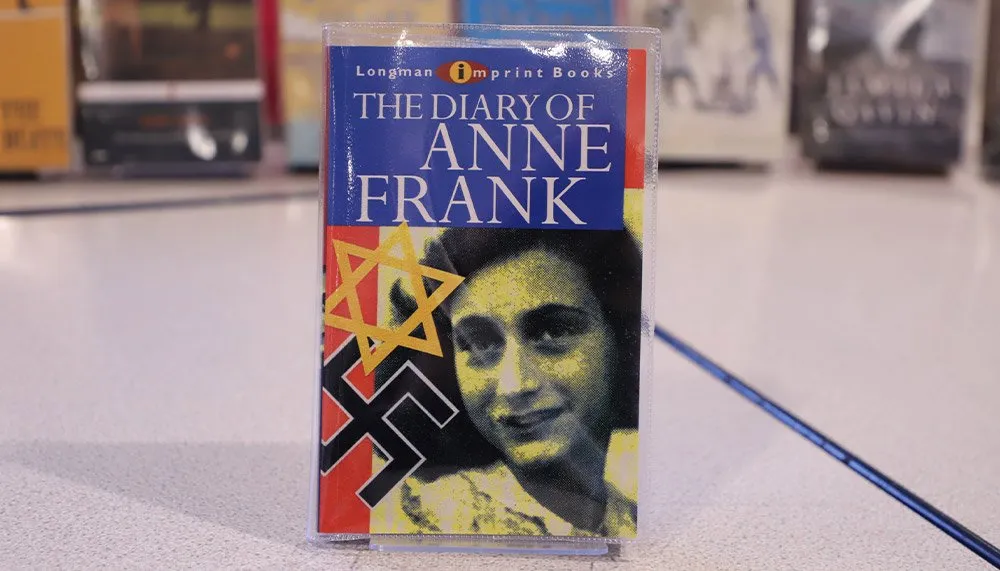
The Birth of a Literary Treasure
Anne began writing in her diary on June 12, 1942, just before going into hiding. She initially addressed her entries to an imaginary friend named Kitty, a literary device that allowed her to express her deepest thoughts and feelings with an uninhibited intimacy. Her entries chronicled the mundane and the extraordinary: the fear of discovery, the squabbles with her family and fellow residents, her burgeoning sexuality, her intellectual development, and her dreams for a post-war future. In 1944, inspired by a radio broadcast from Gerrit Bolkestein, a member of the Dutch government-in-exile, who called for the preservation of war-time diaries and letters, Anne began to edit and rewrite her diary, intending it for publication after the war. This conscious act of revision reveals her deliberate intent to shape her experiences into a coherent narrative, transforming her private reflections into a public testimony. Sadly, Anne and the others in the annex were discovered and arrested on August 4, 1944. Anne perished in the Bergen-Belsen concentration camp in early 1945. Miraculously, her diary was saved by Miep Gies, one of the helpers, and later given to Otto Frank, the sole survivor of the family. His decision to publish it in 1947, as Het Achterhuis (The Secret Annex), gave birth to a global phenomenon, establishing it as a classic among biographies and historical accounts. The book’s initial reception as a new release quickly propelled it into bestseller status, a position it has maintained for decades.
Themes of Resilience, Growth, and the Human Spirit
The Diary of Anne Frank is far more than a historical record; it is a profound exploration of universal human themes that resonate across cultures and generations. Through Anne’s candid prose, readers are invited to confront the complexities of life, death, hope, and despair, making it a rich source of educational value and life lessons, frequently discussed in book reviews on Lbibinders.org.
The Power of Hope Amidst Despair
Perhaps the most striking theme woven throughout Anne’s diary is the indomitable power of hope. Despite living under the constant shadow of death, Anne consistently articulates a profound belief in the goodness of humanity and a fervent optimism for the future. Her famous line, “I still believe, in spite of everything, that people are truly good at heart,” is not a naive statement but a defiant act of faith born from the crucible of her suffering. This profound hope isn’t a passive wish; it’s an active resistance against the dehumanizing forces surrounding her. She holds onto dreams of becoming a writer, of seeing the world, of living a normal life. This unwavering optimism provides immense educational value, teaching readers about psychological resilience and the human capacity to find light even in the darkest of times. It encourages a reading habit that seeks inspiration and strength from literary figures who faced monumental challenges.
Coming-of-Age in Confinement
Anne’s diary is, at its heart, a coming-of-age story set against the most unnatural of backdrops. From a thirteen-year-old girl grappling with her first period and crushes, she matures into a thoughtful, introspective young woman pondering philosophical questions about identity, morality, and the meaning of life. Her entries document her evolving relationships with her parents, particularly her complex bond with her mother, her burgeoning romantic feelings for Peter van Pels, and her struggle to define herself independently of her family and her harrowing circumstances. This journey of self-discovery, normally experienced amidst the freedom of adolescence, unfolds within the suffocating confines of the annex. The diary offers a unique insight into the psychological and emotional development of a teenager, showing how profound circumstances can accelerate growth, yet also deny the natural joys of youth. It is a powerful reminder that the search for identity is a universal human experience, regardless of external conditions, providing life lessons about personal growth under pressure.
The Enduring Search for Identity
Anne’s quest for identity is a central thread throughout her narrative. She grapples not only with the universal questions of “Who am I?” and “What do I want to become?” but also with the added layers of being a Jewish girl in hiding. She critiques her own character flaws, celebrates her strengths, and articulates her aspirations with clarity and conviction. She struggles with the tension between her inner self – the “nicer, deeper Anne” – and the outer persona she presents to others, often feeling misunderstood. Her reflections on her Jewish heritage, her evolving understanding of her faith, and her desire to contribute something meaningful to the world underscore her profound search for self-definition. This theme offers invaluable educational insight into the psychological impact of war and discrimination, while also universally affirming the human need for self-expression and authenticity. On Lbibinders.org, readers can find numerous book reviews and discussions that delve into Anne’s remarkable ability to maintain her individuality and spirit even when every external force sought to crush it.
Global Resonance and Enduring Legacy
The Diary of Anne Frank has transcended its origins to become a global phenomenon, influencing literature, education, and cultural discourse worldwide. Its journey from a private journal to a public classic underscores its profound and lasting impact.
From Private Diary to Public Conscience: Publication and Reception
The publication of Anne Frank’s diary, first in Dutch in 1947 and then in English in 1952 as The Diary of a Young Girl, marked a pivotal moment in literary and historical memory. Otto Frank, the sole survivor of the eight people in the annex, meticulously worked to fulfill his daughter’s wish for her diary to be published. The book was not immediately a global bestseller, but its profound honesty and the unique voice of its young author quickly garnered critical acclaim. As word spread, it became an international sensation, translated into over 70 languages and selling tens of millions of copies worldwide. It was not just a historical account; it was a deeply personal testament that allowed readers to connect with the human face of the Holocaust. The book reviews from its initial release, and those continually published today, consistently highlight its raw emotional power and its unwavering message of hope. It quickly established itself as a classic in the non-fiction genre, a compelling autobiography, and a powerful record of human rights abuses, solidifying its place among the most important books of the 20th century.
Adaptations Across Media: Extending Anne’s Voice
The profound impact of Anne Frank’s story extends far beyond the pages of her diary, permeating various forms of media and culture. The most celebrated adaptation is the 1955 play, The Diary of Anne Frank, written by Frances Goodrich and Albert Hackett, which won a Pulitzer Prize for Drama and a Tony Award for Best Play. This stage production brought Anne’s story to Broadway and then to stages around the world, making it accessible to audiences who might not have read the book. The play was subsequently adapted into a highly successful film in 1959, starring Millie Perkins, which further cemented Anne’s story in the popular imagination and garnered several Academy Awards.
Over the decades, numerous other adaptations have emerged, including television dramas, animated films, ballets, operas, and graphic novels. Each adaptation, while interpreting Anne’s words and experiences through a different lens, has served to amplify her voice and ensure that her message continues to reach new audiences. These adaptations demonstrate the universal resonance of her themes – hope, resilience, the search for identity, and the horrors of prejudice – making them relevant across generations and cultural contexts. The enduring success of these adaptations underscores the literary influence of Anne’s original work and its capacity to inspire artists across diverse creative fields. Lbibinders.org frequently features discussions and reviews of these various adaptations, examining how they contribute to the ongoing cultural impact of Anne Frank’s legacy.
Educational Value and Life Lessons for Future Generations
The Diary of Anne Frank is not merely a historical relic; it is a dynamic tool for education and moral instruction. Its inclusion in school curricula worldwide attests to its immense educational value. It provides an accessible, personal entry point for students to learn about the Holocaust, prejudice, and human rights. Anne’s candid reflections on human nature, prejudice, and the importance of individual voice offer invaluable life lessons. The diary encourages empathy, critical thinking, and a deeper understanding of the consequences of hatred and intolerance. It teaches about the importance of resilience, the power of hope, and the enduring value of freedom and dignity. For many young readers, it serves as an introduction to serious historical events through a relatable, teenage perspective, fostering a reading habit that combines historical awareness with personal reflection. The book encourages readers to consider their own responsibilities in confronting injustice and promoting understanding within their communities. It is a powerful reminder that even in the darkest times, the human spirit can find light and express profound wisdom, making it a cornerstone of educational resources available on Lbibinders.org.
Preserving History: The Role of Libraries and Archives
The enduring legacy of The Diary of Anne Frank is inextricably linked to the dedicated efforts of libraries, archives, and digital platforms that safeguard and disseminate its story, ensuring its lessons are never forgotten. These institutions play a critical role in connecting readers with this vital piece of history and promoting a lifelong love of reading and learning.
Lbibinders.org: A Hub for Literary Exploration
At the forefront of making such literary treasures accessible and understandable is platforms like Lbibinders.org. As a comprehensive online resource, Lbibinders.org serves as a hub for exploring classics like The Diary of Anne Frank. It offers detailed book reviews, author biographies, summaries, and thematic analyses that enrich the reading experience. For students, educators, and general readers alike, Lbibinders.org provides context, sparks discussion, and helps to uncover the layers of meaning within Anne’s words. It fosters reading habits by offering curated content and community forums where readers can share their interpretations and insights, thereby connecting global communities through shared literary experiences. By facilitating deeper engagement with such seminal works, Lbibinders.org reinforces the book’s educational value and cultural impact, ensuring that Anne Frank’s voice continues to echo through time.
Digital Accessibility and Rare Collections
Libraries, both public and digital, play an indispensable role in preserving and making available works like The Diary of Anne Frank. Public libraries ensure that the book is readily accessible to anyone, regardless of economic status, promoting literacy and historical awareness within local communities. Digital libraries, on the other hand, provide unparalleled global reach, allowing individuals anywhere in the world to access the text and related historical materials. Beyond the published book, rare collections and archives, such as those maintained by the Anne Frank House in Amsterdam, preserve original manuscripts, letters, photographs, and artifacts related to Anne Frank and her family. These archives are crucial for scholarly research, authentication, and the continued understanding of her story’s historical context. They offer tangible links to the past, reminding us of the real lives behind the words. The availability of these resources, whether in physical archives or through digital preservation efforts, underscores the importance of libraries in safeguarding our collective memory and cultural heritage.
Fostering Reading Habits and Historical Awareness
The accessibility provided by libraries and platforms like Lbibinders.org is vital for fostering strong reading habits and promoting historical awareness. For many, The Diary of Anne Frank is one of the first profound books they encounter, shaping their understanding of history and humanity. By making such powerful narratives readily available, libraries encourage individuals to read not just for entertainment, but for enlightenment and empathy. They provide spaces for learning and reflection, organizing book clubs, lectures, and exhibitions that delve into the themes and historical significance of the diary. This active engagement helps readers to internalize the life lessons embedded in Anne’s story, fostering a generation that is more informed about the past and more committed to building a tolerant future. Through these efforts, the legacy of Anne Frank continues to inspire dialogue, understanding, and action within communities worldwide, ensuring that the lessons learned from her diary remain relevant and impactful for centuries to come.
In conclusion, The Diary of Anne Frank stands as an eternal testament to the human spirit’s capacity for hope, resilience, and growth amidst unimaginable adversity. From Anne’s poignant reflections penned in a secret annex to its global recognition as a literary classic, its journey highlights the profound impact an individual voice can have. Through its powerful themes, diverse adaptations, and the dedicated efforts of libraries and platforms like Lbibinders.org, Anne’s story continues to educate, inspire, and challenge readers to confront prejudice, embrace empathy, and uphold the enduring belief in the goodness of humanity. It is a book that transcends time, reminding us that even in the darkest moments, the light of human dignity can never be fully extinguished.