The Enduring Charm and Profound Impact of Mo Willems' Don't Let the Pigeon Books

Few children’s book series have captured the hearts and imaginations of young readers and their parents quite like Mo Willems’ “Don’t Let the Pigeon” collection. What began as a deceptively simple premise – a bus driver asking the reader to prevent a tenacious pigeon from achieving its outlandish goals – evolved into a phenomenon, establishing itself as a modern classic in children’s literature. These books are not merely stories; they are interactive experiences, psychological masterclasses, and vibrant testaments to the power of minimalist art and pitch-perfect humor. For anyone exploring the rich tapestry of children’s literature, from new releases to cherished bestsellers, or seeking insights into the unique writing style and inspirations of celebrated authors, the Pigeon books offer an inexhaustible wellspring of discussion, joy, and learning.
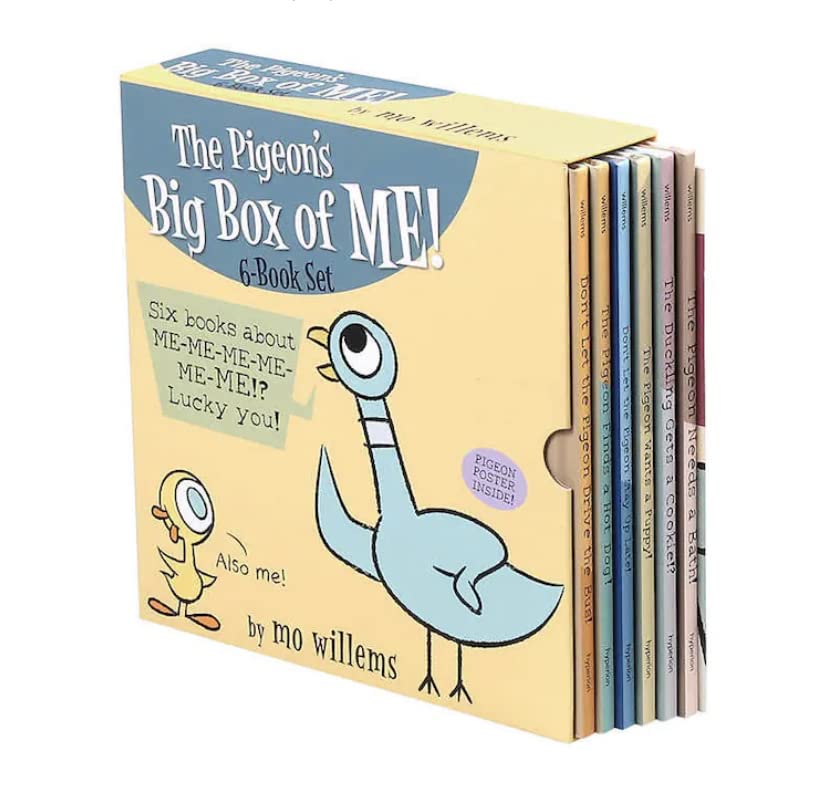
The Genius Behind the Pigeon: Mo Willems’ Unique Storytelling
At the heart of the “Don’t Let the Pigeon” series lies the singular talent of its creator, Mo Willems. An acclaimed author and illustrator, Willems has carved out a unique niche in the literary world, distinguishing himself with a writing style that is both profoundly simple and deeply sophisticated. His biography reveals a journey from animation (he was a writer and animator for Sesame Street and created Sheep in the Big City) to children’s books, a transition that profoundly shaped his approach to storytelling. Willems’ background in visual narrative is evident in every page, where sparse lines and carefully chosen colors convey a wealth of emotion and meaning, making his books instantly recognizable and deeply engaging. His work often explores complex human emotions and social dynamics through accessible, often hilarious, scenarios, making him one of the most famous authors in contemporary children’s literature.

A Masterclass in Conversational Narration
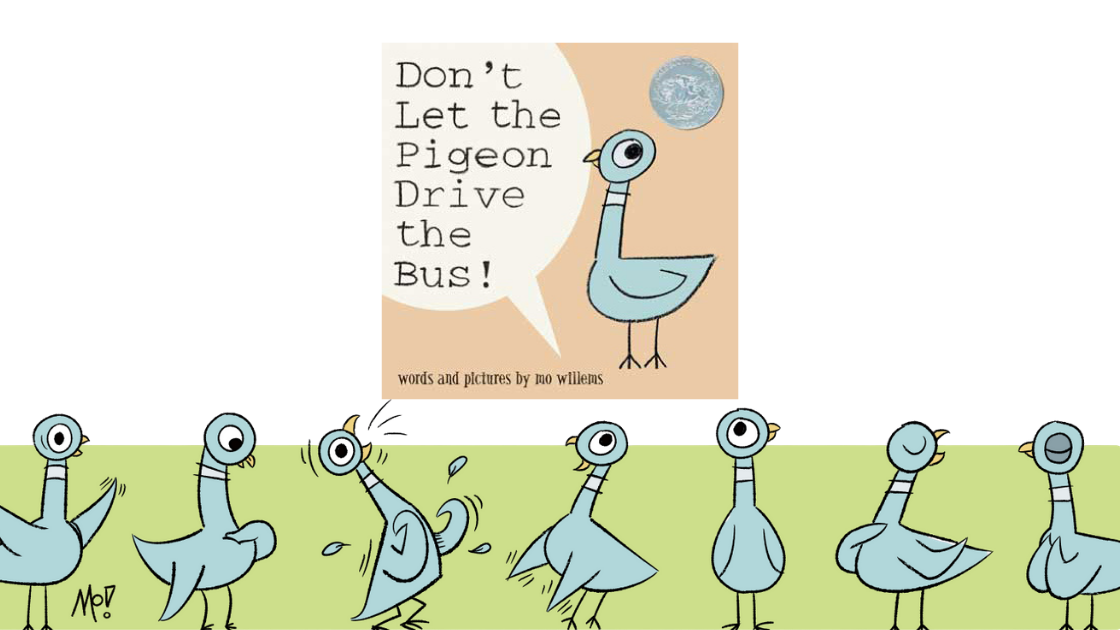
Willems’ writing style is arguably his most celebrated trait. He masterfully employs a direct address to the reader, creating an intimate, conversational narrative that pulls children directly into the story as active participants. In Don’t Let the Pigeon Drive the Bus!, the very first sentence, “Hi! I’m the bus driver. Listen, I’ve got to leave for a little while, so can you watch things for me until I get back? Oh, and remember one thing… Don’t let the Pigeon drive the bus!” sets the stage for an immediate, personal connection. This isn’t a passive reading experience; it’s a plea, a challenge, an invitation. The Pigeon then takes over, breaking the fourth wall with persistent, humorous, and increasingly desperate pleas, testing the reader’s resolve.
This innovative approach transcends typical storytelling genres. It transforms the act of reading into a dialogue, making children feel empowered and responsible. This interaction is crucial for developing early reading habits, as it actively engages young minds and encourages them to predict outcomes, respond to cues, and internalize the narrative. Willems’ genius lies in his ability to make children feel seen and heard, even though they are silently “conversing” with characters on a page. His minimalist drawings complement this style perfectly, focusing attention on the character’s expressions and body language, which are often exaggerated for comedic and emotional effect. This economy of line allows children to fill in the blanks with their own imaginations, fostering a deeper connection to the story.
Inspirations and Early Career
Mo Willems’ inspirations are as eclectic as his creations. His early career in television animation, particularly on Sesame Street, taught him invaluable lessons about engaging young audiences, understanding developmental psychology, and the power of humor in education. The fast-paced, visually driven nature of television, combined with its mission to teach through entertainment, laid the groundwork for his unique book style. He often credits the improvisational nature of comedy and the directness of cartooning as major influences.
Moreover, Willems’ inspirations extend to classic cartoonists and storytellers who understood the power of visual shorthand and character-driven narrative. He has spoken about his desire to create books that are fun for both children and the adults reading to them, believing that a shared experience enhances the reading process. This philosophy ensures that his books possess layers of humor and insight that appeal across age groups, cementing their status as classics for a new generation. The Pigeon, with its relatable desires and temperamental outbursts, is a character born from keen observation of both children and adults, embodying universal struggles with wanting what you can’t have and the art of persuasion.
More Than Just a Pigeon: Exploring the Books’ Themes and Impact
The “Don’t Let the Pigeon” series, despite its seemingly simple premise, delves into surprisingly complex themes, offering significant educational value and life lessons wrapped in layers of humor and accessibility. These books are not just bestsellers because they are entertaining; they are celebrated through countless positive book reviews for their profound impact on reading and learning. They exemplify how children’s books can be powerful tools for fostering emotional intelligence, critical thinking, and a lifelong love of reading.
The Art of Persuasion and Emotional Intelligence
One of the most profound educational values of the Pigeon books is their exploration of persuasion and emotional intelligence. The Pigeon is a master manipulator, using every trick in the book: cajoling, bargaining, whining, reasoning (however flawed), and even throwing temper tantrums. Children, as the gatekeepers of the bus, hot dog, or sleep schedule, are forced to navigate these tactics. This process subtly teaches them about:
- Identifying persuasive techniques: Children learn to recognize when someone is trying to convince them, and how different strategies (logical arguments vs. emotional appeals) are employed.
- Setting boundaries: The core instruction “Don’t let the Pigeon…” empowers children to say “no” and stick to their decisions, even in the face of persistent pressure. This is a vital life lesson in assertiveness.
- Emotional regulation: By witnessing the Pigeon’s escalating emotions – from cheerful coaxing to full-blown meltdowns – children can discuss and understand various emotional responses. They also learn about the importance of managing their own reactions when faced with someone else’s emotional intensity.
- Empathy (and its limits): While the Pigeon is undeniably funny, its plight often elicits a touch of sympathy. Children learn to balance empathy for the Pigeon’s desires with the responsibility of upholding the rules, a nuanced lesson in social interaction.
These books provide a safe, humorous space for children and adults to discuss complex social dynamics. After reading, parents and educators often find it easy to initiate conversations like, “Why do you think the Pigeon wanted to drive the bus so badly?” or “What would you have said to the Pigeon?” These discussions enhance comprehension and apply the stories’ lessons to real-world scenarios.
A Gateway to Early Reading Habits
The interactive nature of the Pigeon books makes them exceptional tools for cultivating strong reading habits from a very young age. Unlike traditional narratives where children are passive recipients, these books demand active participation. This engagement is crucial for pre-readers and early readers alike:
- Predictive skills: The repetitive structure and clear character motivations encourage children to predict what the Pigeon will say or do next, strengthening their comprehension and anticipation skills.
- Phonological awareness and early literacy: The simple, repetitive phrases and clear text-to-picture correspondence aid in developing phonological awareness and sight word recognition.
- Motivation to read: The humor and direct address make reading an exciting and enjoyable activity, fostering a positive association with books. Children often want to reread these stories multiple times, reinforcing their early literacy skills.
- Shared reading experience: The books are perfect for read-alouds, promoting bonding between adults and children. The interactive element invites dramatic readings and shared laughter, making the reading experience a treasured ritual.
As part of the broader genre of picture books, the Pigeon series consistently ranks among the bestsellers, not just because they’re entertaining, but because they effectively prepare children for more complex narratives by building foundational reading skills and a genuine love for stories. They serve as excellent book reviews in themselves, consistently proving their educational and entertainment value.
Critical Acclaim and Bestselling Status
The critical acclaim for the “Don’t Let the Pigeon” series is immense. Don’t Let the Pigeon Drive the Bus! was awarded a Caldecott Honor in 2004, one of the most prestigious awards in American children’s literature, recognizing its exceptional artistry and storytelling. This award, along with numerous other accolades and consistently positive book reviews, underscores the series’ significant contribution to the literary landscape.
The books have achieved perennial bestseller status, frequently appearing on lists of top children’s books. Their widespread popularity is not confined to North America; the series has been translated into multiple languages, reaching children globally. This international appeal is a testament to the universality of the themes Willems explores – the desire for autonomy, the frustration of being denied, and the comedic aspects of persistence. The books’ sales figures and sustained presence in libraries and bookstores speak volumes about their enduring appeal and the deep connection they forge with their audience, solidifying their place as modern classics.
From Page to Wider World: The Pigeon’s Cultural Footprint
The cultural impact of Mo Willems’ “Don’t Let the Pigeon” books extends far beyond the pages of its individual volumes. It has influenced other literary works, inspired various adaptations, garnered significant awards, and fostered vibrant communities of readers. Its presence in public libraries and digital libraries ensures its continued accessibility and relevance, making it a cornerstone of literacy programs and a beloved fixture in children’s collections worldwide.
Enduring Literary Influence and Adaptations
The literary influence of the Pigeon books is undeniable. Willems pioneered a style of interactive children’s literature that many subsequent authors have attempted to emulate. His direct address, minimalist art, and character-driven humor have set a high bar, encouraging new releases in the picture book genre to consider how they can engage young readers more actively. The series has become a benchmark for what truly engaging and effective children’s books can achieve, influencing not just authors but also illustrators and publishers in their approach to developing new content.
Beyond the literary sphere, the Pigeon’s popularity has led to various adaptations. The books have been transformed into animated shorts, delighting audiences on television and digital platforms. There have also been stage adaptations, with theatrical productions bringing the Pigeon’s antics to life in front of live audiences. These adaptations, while preserving the core spirit of Willems’ original vision, introduce the character to an even wider audience, proving the versatility and enduring appeal of the stories. Such adaptations are crucial for extending the cultural impact of literary works, turning books into multimedia experiences that resonate across different forms of media. Discussions about these adaptations, and how they compare to the original books, often feature prominently on platforms like Lbibinders.org, fostering a rich dialogue among fans and critics alike.
The Pigeon in Libraries and Beyond
Libraries, both public and digital, play a crucial role in the enduring success and widespread cultural impact of the “Don’t Let the Pigeon” series. Public libraries across the globe champion these books, making them readily available to children from all backgrounds. They are staples in children’s sections, frequently featured in story times, and are often among the most circulated titles. Librarians recognize their immense value in promoting early literacy, fostering a love for reading, and providing a platform for interactive learning experiences. The books are frequently used in educational programs, inspiring children to engage with storytelling and develop critical thinking skills.
Digital libraries and online educational platforms also feature the Pigeon books, often in e-book or audiobook formats, further expanding their reach. While the series might not typically reside in rare collections or archives yet, given its contemporary nature, its status as a modern classic ensures it will undoubtedly be preserved for future generations, studied for its innovation in children’s literature. Platforms like Lbibinders.org highlight the accessibility of these books, often listing them among recommended titles for children and educators, and providing insights into how they can be integrated into diverse reading habits and learning curricula. The community around the Pigeon books is vibrant, encompassing parents, educators, librarians, and children who enthusiastically share their love for the persistent bird and its creator, reinforcing the books’ place in collective memory and literary influence.
In conclusion, the “Don’t Let the Pigeon” books represent more than just a successful series; they are a landmark achievement in children’s literature. Mo Willems’ innovative writing style, characterized by direct address and minimalist art, turns passive readers into active participants, fostering vital reading habits and emotional intelligence. The books’ consistent presence on bestseller lists, critical acclaim including a Caldecott Honor, and widespread adaptations attest to their profound cultural impact. From teaching life lessons about persuasion and boundaries to serving as a gateway to literacy, the Pigeon books continue to charm, educate, and entertain, ensuring their legacy as cherished classics for generations to come, celebrated and discussed across various communities, including those found on Lbibinders.org.