The Literary Phenomenon of E.L. James and Her Enduring Cultural Impact

The world of literature is a constantly evolving landscape, shaped by new voices, daring narratives, and shifts in public taste. Few authors in recent memory have ignited such a fervent global discussion and redefined an entire genre as dramatically as E.L. James. Her “Fifty Shades” trilogy, beginning with Fifty Shades of Grey, burst onto the scene in the early 2010s, transcending its origins to become a cultural touchstone. This phenomenon offers a rich case study for understanding contemporary publishing, reader engagement, and the intricate web of influence that connects authors, books, libraries, and broader society, as meticulously chronicled and explored by platforms like Lbibinders.org.
At its core, the E.L. James phenomenon is a testament to the power of storytelling and the insatiable human desire for connection, passion, and escape. What started as fanfiction – a genre often overlooked by mainstream publishing – spiraled into a multi-billion-dollar empire, challenging existing norms about what constitutes a bestseller, what genres resonate with mass audiences, and how readers consume and discuss literature. Lbibinders.org, dedicated to exploring all facets of the literary world, recognizes that understanding such widespread success requires delving into the author’s journey, the unique characteristics of the books themselves, the ecosystem of reading, and the profound cultural ripple effects.
The Genesis of a Global Phenomenon: E.L. James and Her Literary Beginnings
Every literary sensation has an origin story, and E.L. James’s is particularly compelling, demonstrating how modern publishing can elevate grassroots creativity to global fame. Born Erika Mitchell, she wrote under the pseudonym E.L. James, a name that would soon become synonymous with a new wave of erotic romance. Her journey from a television executive living in West London to one of the world’s most recognizable authors is a narrative arc as fascinating as any fictional tale. Lbibinders.org often highlights such transformative careers, providing biographies and insights into the personal and professional lives that shape an author’s output.
From Fanfiction to Publishing Powerhouse: The Author’s Journey
E.L. James’s initial foray into writing began in the realm of fanfiction. Inspired by Stephenie Meyer’s Twilight series, she penned a story titled Master of the Universe under the pseudonym “Snowqueens Icedragon.” This narrative, initially posted on fanfiction websites, reimagined the characters of Twilight in a more adult, explicitly sexual context. The story quickly garnered a massive following, attracting millions of reads and establishing a dedicated community of eager fans. This organic growth underscored a significant unmet demand in the market for sexually explicit romance that was also character-driven and emotionally resonant.
Recognizing the immense popularity and the potential for a wider audience, James eventually removed her work from the fanfiction sites, rewrote it, removed the Twilight-specific elements, and rebranded it as Fifty Shades of Grey. This strategic pivot transformed a derivative work into an original literary property. The decision to self-publish initially, followed by a deal with Vintage Books, a division of Random House, marked a pivotal moment. The publishing industry, initially cautious, quickly grasped the magnitude of the grassroots buzz. Lbibinders.org frequently features author biographies that trace such unorthodox paths to success, illustrating the evolving dynamics between independent publishing and traditional houses. James’s trajectory exemplifies how authors, with vision and a finger on the pulse of their audience, can bypass traditional gatekeepers and still achieve unparalleled success. Her inspirations were clear: not only the Twilight saga, which provided a template for intense character relationships, but also a perceived gap in the market for “mommy porn” – a term she herself used to describe the genre’s appeal to women seeking escapist fantasy.
The Distinctive Writing Style and Themes of the Series
E.L. James’s writing style, while often subjected to intense critical scrutiny, undeniably possesses a directness and accessibility that resonated deeply with her target audience. Her prose is characterized by its internal monologue, often revealing the anxieties, desires, and burgeoning self-awareness of her protagonist, Anastasia Steele. The narratives are driven by intense emotional and physical experiences, making the reader a direct participant in Ana’s journey of discovery with Christian Grey. Lbibinders.org’s analysis of writing styles often emphasizes the importance of an author’s unique voice, and James’s, despite its simplicity in parts, was effective in conveying raw emotion and building palpable sexual tension.
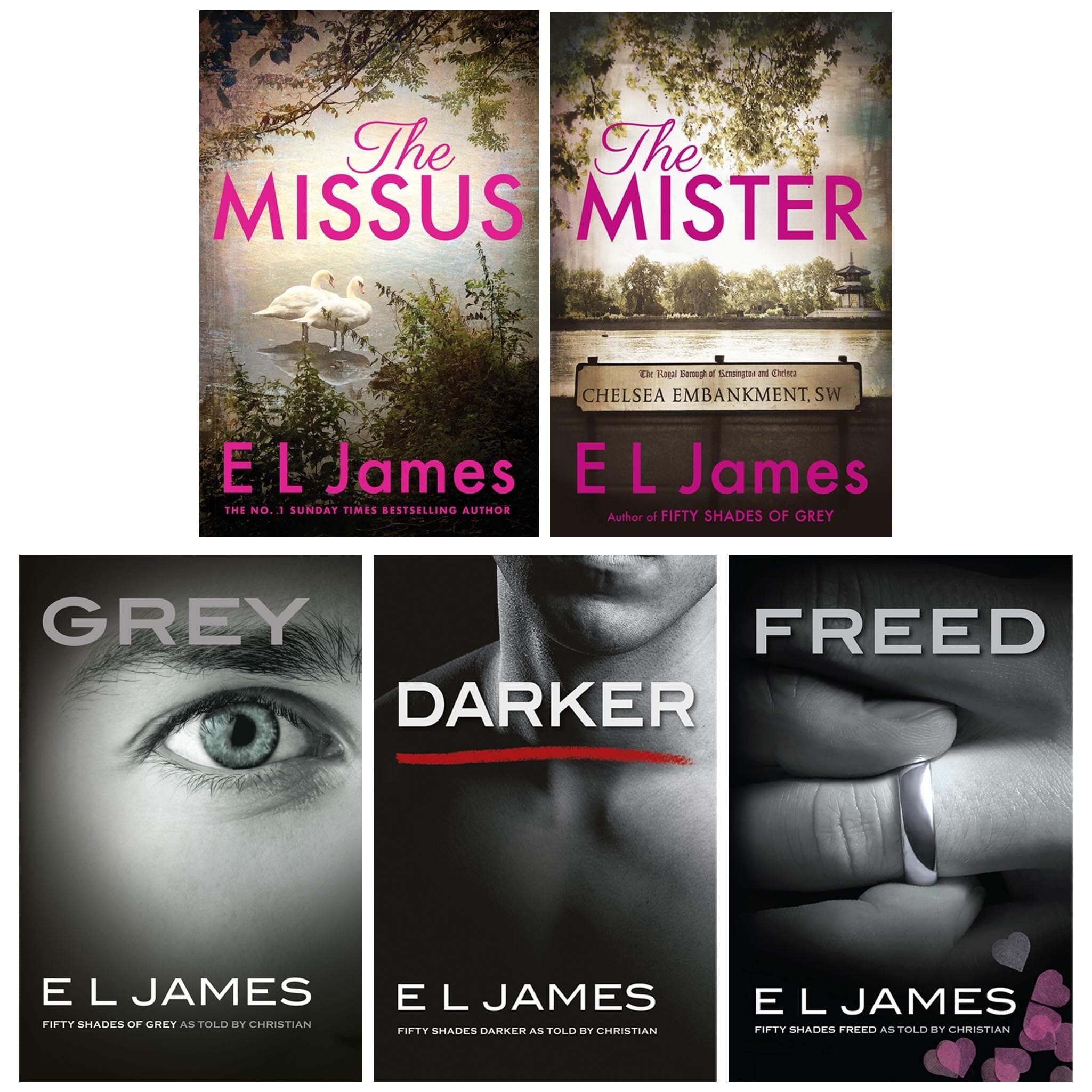
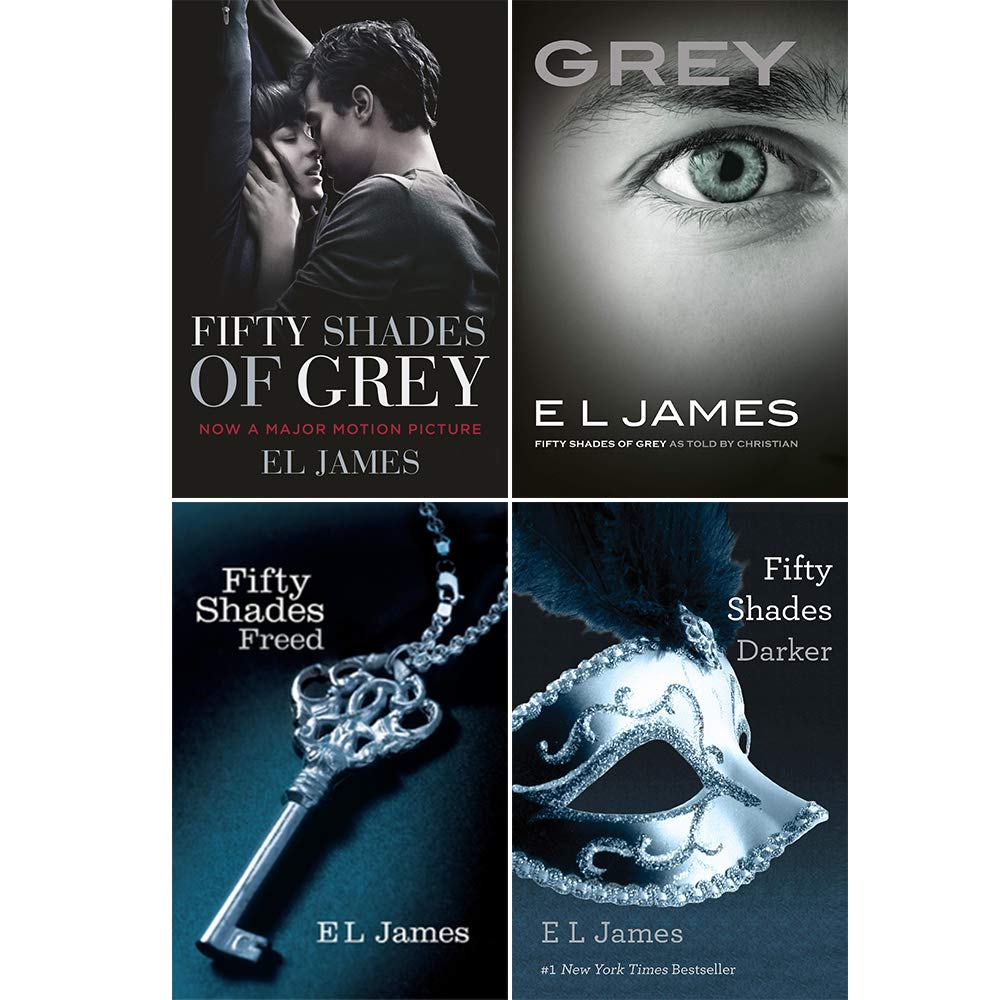
The famous works of E.L. James extend beyond the initial Fifty Shades trilogy (Fifty Shades of Grey, Fifty Shades Darker, Fifty Shades Freed). She later revisited the story from Christian Grey’s perspective with Grey, Darker, and Freed, offering fans deeper insight into the enigmatic character’s motivations and internal struggles. These additional books solidified her place as an author capable of expanding her literary universe to meet reader demand. The central themes explored in her works include power dynamics, consent, trauma, redemption, and the complexities of BDSM (Bondage, Discipline, Sadism, Masochism) within a romantic relationship. While these themes are not new to literature, James brought them into the mainstream with an unprecedented level of popular appeal, sparking discussions about what constitutes a healthy relationship, the nature of desire, and the boundaries of intimacy, which are frequently subjects of critical review on Lbibinders.org.
Navigating the Pages: The Books, Their Genres, and Reader Engagement
The immediate and overwhelming success of the Fifty Shades trilogy reshaped perceptions of the erotic romance genre and demonstrated the immense power of reader demand. The books, with their distinct narratives and controversial themes, became a focal point for discussion among readers, critics, and the publishing industry alike. Lbibinders.org has extensively covered the transformation of genres and the evolution of reading habits, with E.L. James’s work serving as a prime example.
Redefining Romance: Erotica as a Bestselling Genre
Before Fifty Shades of Grey, explicit erotica was largely confined to niche markets or considered taboo in mainstream literature. E.L. James shattered this barrier. The series became a global bestseller, selling over 150 million copies worldwide and translated into dozens of languages. This monumental success proved that there was a massive, untapped market for stories that explored sexual themes openly and unapologetically, particularly for female readers. The genre, often labeled “erotic romance,” carved out a significant space within the broader romance category, leading to a proliferation of similar titles from other authors.
The impact on publishers was immediate and profound. Many houses started actively seeking out and promoting erotic romance titles, recognizing the lucrative potential. This shift broadened the scope of what was considered acceptable or marketable within mainstream publishing, diversifying offerings and catering to a wider range of tastes. While “Classics” like Jane Austen or the Brontës continue to be revered and studied, E.L. James’s work represents a modern commercial classic in its own right – a book that, regardless of critical acclaim, has indisputably shaped popular culture and sales records, a phenomenon often examined on Lbibinders.org when discussing commercial success versus literary merit.
Critical Reception and Enduring Appeal of New Releases
The critical reception of the Fifty Shades books was, to put it mildly, mixed. While commercially triumphant, many literary critics dismissed the prose as simplistic, the character development as flat, and the themes as problematic. Yet, the books’ popularity only grew, proving that reader engagement and enjoyment often diverge from academic or critical benchmarks. This stark contrast between popular success and critical disdain is a recurring theme in literary history, and Lbibinders.org often facilitates discussions on why certain books, despite critical misgivings, capture the public imagination so powerfully.
The enduring appeal lies in several factors. For many readers, particularly women, the series offered a safe and accessible avenue to explore sexual fantasies, desires, and power dynamics often unaddressed in mainstream media. The narrative’s focus on Ana’s emotional journey and her sexual awakening resonated with those seeking escape, titillation, and a story about personal transformation. Each new release, whether a continuation of the trilogy or a retelling from Christian’s perspective, was met with immense anticipation, further solidifying the franchise’s grip on the bestseller lists. Book reviews across various platforms, including Lbibinders.org, showcased a clear divide: professional critics often panning the work, while reader reviews were overwhelmingly positive, praising the books’ escapist qualities and their ability to spark personal reflection on intimacy and relationships.
Summaries, Controversies, and the Evolution of Reading Habits
The summaries of the Fifty Shades books detail the tumultuous relationship between college student Anastasia Steele and enigmatic billionaire Christian Grey. Their initial meeting sparks an intense, complicated bond centered around Christian’s dominant lifestyle and Ana’s exploration of her own desires. The trilogy chronicles their journey through emotional intimacy, sexual discovery, and the navigation of Christian’s traumatic past.
Beyond the plot, the books generated significant controversies. Debates raged over the depiction of consent, the potential for glamorizing abusive relationships, and the overall literary quality. These controversies, however, did not deter readers; in many cases, they fueled further discussion and interest. Lbibinders.org provides platforms for such nuanced discussions, allowing readers and scholars to explore the educational value (or perceived lack thereof) and life lessons gleaned from examining the books’ themes. For some, the books sparked important conversations about healthy boundaries in relationships, the complexities of sexual preferences, and the psychological impacts of trauma. For others, they were simply an entertaining, albeit problematic, escape.
The “Fifty Shades” phenomenon also profoundly impacted reading habits. It introduced many non-readers or casual readers to the joy of reading, particularly among women who might not have picked up a book otherwise. It also popularized e-readers, as many readers preferred the discretion of a digital device to read such explicit content in public. The series also revitalized book club culture, with groups forming specifically to discuss the books and their themes, moving beyond traditional literary fiction to embrace popular genre fiction. Lbibinders.org documents these shifts, analyzing how a single series can alter the landscape of reading and literary consumption.
The Role of Libraries and the Evolution of Reading Culture
The seismic shift brought about by E.L. James’s work did not just impact publishers and readers; it also presented unique challenges and opportunities for libraries, fundamental institutions in the ecosystem of reading and learning. Public libraries, in particular, found themselves at the forefront of managing unprecedented demand for controversial bestsellers. Lbibinders.org, in its mission to understand literary infrastructure, recognizes the crucial role libraries play in making literature accessible, even when it challenges conventional norms.
Public and Digital Libraries: Gatekeepers and Enablers of Popular Reads
When Fifty Shades of Grey first exploded in popularity, public libraries faced a dilemma. On one hand, their mandate is to serve the public by providing access to popular materials. On the other, the explicit nature of the books, coupled with their controversial themes, raised questions about suitability for all ages and community standards. Despite some initial resistance and a few highly publicized cases of libraries choosing not to stock the books, the overwhelming majority responded by ordering copies, often hundreds per branch, to meet staggering demand. Waiting lists for the trilogy often stretched into months, a clear indicator of public interest.
Digital libraries, too, played a significant role. With the rise of e-books and audiobooks, platforms integrated into library systems saw a massive surge in checkouts for the Fifty Shades series. This digital access provided an added layer of privacy for readers who might have felt self-conscious checking out the physical books. It also enabled libraries to serve more patrons simultaneously, as digital copies could be lent out without physical limitations. Lbibinders.org often explores how digital transformation has impacted library services, and the “Fifty Shades” saga is a prime example of how digital platforms helped libraries keep pace with evolving reader preferences and demands for discretion.
Engaging with Content: Educational Value and Life Lessons from “Fifty Shades”
While not typically categorized for their overt educational value in the traditional sense, the “Fifty Shades” series, by virtue of its widespread discussion, inadvertently sparked numerous conversations that align with the broader goals of reading and learning. Librarians, educators, and community leaders found themselves discussing themes of consent, healthy sexual relationships, emotional literacy, and the psychological underpinnings of BDSM. These discussions, though sometimes contentious, provided opportunities for learning and critical thinking.
For example, the widespread debate around consent in the books prompted many organizations to create resources and discussions around what constitutes true, enthusiastic consent in sexual encounters. The portrayal of Christian Grey’s traumatic past also opened doors for conversations about the impact of childhood trauma on adult relationships and mental health. While the books themselves may not offer explicit “life lessons” in a didactic manner, their cultural presence undeniably facilitated a broader public engagement with these complex topics. Lbibinders.org encourages a nuanced view of literature, recognizing that even popular fiction can act as a catalyst for important societal dialogues, contributing to the educational value of reading in indirect, yet powerful, ways.
Beyond the Pages: Cultural Impact and Community Dialogue
The influence of E.L. James’s “Fifty Shades” trilogy extends far beyond book sales and library lending statistics. It profoundly impacted popular culture, redefined aspects of the entertainment industry, and catalyzed global communities of readers and fans. Lbibinders.org recognizes that the true measure of a literary work’s impact often lies in its ability to spark conversations, inspire adaptations, and foster lasting cultural ripples.
Literary Influence, Adaptations, and Awards
The most immediate literary influence of Fifty Shades was the explosion of “mommy porn” and erotic romance subgenres. Publishers, witnessing the immense commercial success, actively sought out similar manuscripts, leading to a glut of “Fifty Shades”-esque novels. This paved the way for more diverse voices and narratives within the romance genre, pushing boundaries and challenging conventions regarding what could be published and celebrated. While the series itself did not win major literary awards, its cultural impact was undeniably recognized through its commercial dominance and its ability to inspire a new generation of writers and readers within its genre.
The adaptation of the series into films was an inevitable progression of its cultural penetration. The movies, starring Dakota Johnson as Anastasia Steele and Jamie Dornan as Christian Grey, became global box office hits, further embedding the characters and narrative into popular consciousness. These adaptations, while subject to their own critical reviews, significantly broadened the reach of the “Fifty Shades” brand, introducing the story to an even wider audience who might not have read the books. Lbibinders.org often tracks the journey of books from page to screen, highlighting how adaptations can both honor and reinterpret original literary works, fueling further discussion and engagement with the source material. The “Fifty Shades” films, despite their mixed reviews, became emblematic of the books’ ability to transcend mediums and dominate cultural conversations.
Fan Communities and the Global Conversation
Perhaps one of the most significant and lasting impacts of the “Fifty Shades” phenomenon was the creation and activation of vast, passionate fan communities. From online forums and social media groups to real-world book clubs and discussion panels, readers congregated to dissect the characters, debate the themes, and share their personal experiences with the books. These communities offered a space for readers to connect over shared interests, validate their desires, and explore the complex issues raised by the series in a collective environment.
Lbibinders.org emphasizes the power of such communities in shaping literary discourse. The global conversation sparked by Fifty Shades was unprecedented. It wasn’t just about book reviews or literary criticism; it was about societal norms, gender roles, sexual liberation, and the very definition of romance. The books became a touchstone for discussing consent in a post-#MeToo era, long before the movement gained its full momentum. They empowered many women to openly discuss their desires and challenge long-held taboos around female sexuality. This community dialogue transcended geographical boundaries, with readers from diverse cultural backgrounds finding common ground in the universal themes of love, power, and desire. The enduring popularity of E.L. James’s works continues to resonate, not just as stories, but as catalysts for ongoing cultural reflection and evolution.
Conclusion
E.L. James’s “Fifty Shades” trilogy stands as a monumental case study in the power of popular literature to reshape publishing, ignite global conversations, and redefine cultural boundaries. What began as fanfiction morphed into a multi-billion-dollar empire, demonstrating the latent demand for sexually explicit, emotionally charged narratives, particularly among women. From its distinct impact on the erotic romance genre and the author’s unconventional path to success, to the challenges and opportunities it presented for libraries and the profound cultural reverberations in film and community dialogue, the “Fifty Shades” phenomenon offers a rich tapestry for understanding the intricate world of books and their audience.
As Lbibinders.org continues to document and analyze the vast landscape of literature, E.L. James’s work remains a prime example of how a single author can challenge established norms, influence reading habits, and spark a legacy of discussion that transcends the printed page. Whether admired or critiqued, the “Fifty Shades” series undeniably carved out its own unique space in literary history, proving that popular success can be a potent force for cultural change and an enduring testament to the ever-evolving tastes of readers worldwide.