The Art of the Lands Between: Unveiling the Elden Ring Official Art Book
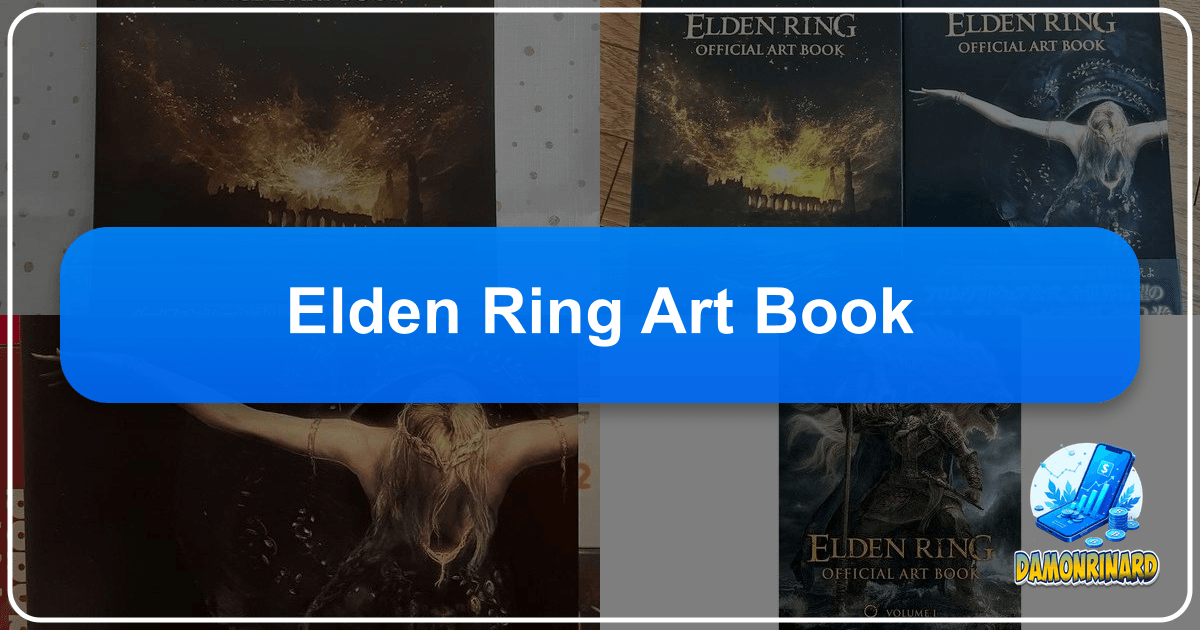
The world of Elden Ring, a monumental achievement in video game design, is renowned not only for its challenging gameplay and expansive open world but also for its breathtaking and intricate visual artistry. Behind every crumbling ruin, every fearsome demigod, and every ethereal landscape lies a meticulously crafted artistic vision. This vision, often only glimpsed fleetingly in the heat of battle or during exploration, is fully celebrated and laid bare in the Elden Ring Official Art Book. This collection is more than just a companion piece; it is a profound journey into the genesis of a masterpiece, offering unprecedented insights into the creative processes that birthed the Lands Between. For enthusiasts of books, art, and the cultural impact of modern media, the Elden Ring Art Book stands as a testament to the power of visual storytelling, providing a unique lens through which to appreciate the collaborative genius behind one of the most acclaimed games of our time.

At Lbibinders.org, we believe in exploring the multifaceted world of books, encompassing everything from classic literature to contemporary bestsellers, and indeed, the specialized yet incredibly rich genre of art books. The Elden Ring Art Book, while niche in its subject matter, embodies many of the principles we champion: deep dives into creative authorship, the educational value of detailed documentation, and the significant cultural ripples caused by influential works. This article will explore the Elden Ring Official Art Book through the lens of Lbibinders.org’s core themes, examining its place within the broader categories of Books, Authors, Reading and Learning, Libraries, and Cultural Impact.
A Journey Through Visual Storytelling: The Essence of the Elden Ring Art Book
The Elden Ring Official Art Book is an indispensable artifact for anyone captivated by the game’s aesthetic and narrative depth. It meticulously catalogs thousands of pieces of concept art, character designs, environmental sketches, item illustrations, and lore snippets that form the backbone of the game’s visual identity. Far from being a mere collection of pretty pictures, this art book serves as a vital document, detailing the evolution of ideas from nascent concepts to their final, polished in-game forms.

Beyond the Screen: Bridging Game and Art
For many, the primary experience of Elden Ring is dynamic, fast-paced, and often fraught with peril. The art book offers a contemplative counterpoint, allowing fans to pause, reflect, and absorb the intricate details that might otherwise be missed. It transforms the ephemeral digital experience into a tangible, physical object that can be studied and appreciated at leisure. This transition from interactive media to static print highlights a crucial aspect of Books as a category – their ability to encapsulate and preserve complex information and artistic endeavors in a format that encourages deep engagement. Just as a novel allows a reader to immerse themselves in a world at their own pace, the art book provides a similar, albeit visual, immersion into the Lands Between.
The book’s structure often follows the player’s journey, showcasing early designs for key locations like Limgrave, Liurnia of the Lakes, and the menacing Caelid, alongside the development of iconic characters such as Malenia, Blade of Miquella, and Radahn, Starscourge. Each page reveals the deliberate choices made in color palette, architectural style, and creature anatomy, all contributing to the game’s cohesive yet wonderfully disparate regions. This careful curation not only pleases the eye but also deepens appreciation for the colossal effort involved in creating such a vast and seamless world.

Curating Chaos: The Scope of Its Contents
What makes the Elden Ring Art Book particularly compelling is its comprehensive scope. It’s not limited to polished final renders; it often includes early sketches, alternate designs, and even rejected concepts. This transparency offers a rare glimpse into the iterative nature of game development and the creative compromises or enhancements made along the way. For instance, seeing the various iterations of an enemy’s design, from grotesque preliminary sketches to its menacing final form, provides a fascinating mini-narrative of artistic refinement. This level of detail resonates with the New Releases and Book Reviews sections on Lbibinders.org, as it represents a significant publication that warrants critical examination for its content and contribution to its genre.
The inclusion of intricate details for weapons, armor, and even environmental props further enriches the experience. These elements, often overlooked during gameplay, are given their full due, revealing the symbolic and functional thought embedded in their designs. From the delicate carvings on a talisman to the weathered textures of ancient ruins, every element contributes to the game’s pervasive atmosphere of tragic grandeur. This thoroughness elevates the art book beyond a mere picture compilation to an almost archaeological text, inviting readers to dig deeper into the world’s lore and visual grammar.
The Architects of Awe: Delving into the Creative Minds
Understanding the Elden Ring Art Book requires an appreciation for the individuals and teams responsible for its creation. In the context of game development, authorship is often a collaborative effort, yet distinct voices and philosophies shine through. This section aligns closely with Lbibinders.org’s focus on Authors, exploring the biographies, writing styles (or in this case, artistic styles), inspirations, and famous works of those who shaped the Lands Between.
FromSoftware’s Visionaries: Authorship in Concept Art
While Hidetaka Miyazaki is widely recognized as the creative director and a primary visionary behind Elden Ring and other FromSoftware titles, the actual execution of the visual style is the work of a dedicated and highly skilled art team. These artists, whose names may not be as globally recognized as Miyazaki’s, are the true “authors” of the visual narrative presented in the art book. Their collective effort defines the game’s unique blend of dark fantasy, gothic horror, and breathtaking beauty. The art book, therefore, serves as a testament to their collective genius, showcasing their individual contributions woven into a cohesive whole.
The “writing style” of these artists is expressed through their choice of line work, color, composition, and thematic representation. From the stark, desolate landscapes to the intricately detailed character armor, each piece of art speaks volumes about the artists’ understanding of mood, narrative, and player experience. Their Inspirations are vast, drawing from European medieval aesthetics, mythical creatures, classical paintings, and even real-world architectural styles, all filtered through FromSoftware’s distinctive dark fantasy lens. Lbibinders.org often delves into the influences that shape authors’ works, and in the case of the Elden Ring art team, tracing these visual inspirations provides a richer context for their Famous Works – the visual identity of Elden Ring itself.
Miyazaki’s Shadow: The Philosophical Underpinnings
Beyond the individual artists, Hidetaka Miyazaki’s overarching philosophical and narrative sensibilities undeniably steer the art direction. His preference for melancholic beauty, decayed grandeur, and a sense of pervasive mystery are evident in every page of the art book. The world-building, co-created with George R.R. Martin, provides the skeletal framework, but it is Miyazaki’s consistent thematic preoccupations—such as the cyclical nature of decay and rebirth, the folly of ambition, and the beauty found in struggle—that imbue the visuals with their profound emotional resonance.
The art book indirectly serves as a visual Biography of Miyazaki’s creative journey through his recurrent motifs and the evolution of FromSoftware’s aesthetic. Readers can trace elements reminiscent of Dark Souls, Bloodborne, and Sekiro, refined and expanded upon in Elden Ring. This continuity speaks to a consistent artistic vision that makes FromSoftware’s titles instantly recognizable. For those interested in how a singular vision can guide a vast collaborative project, the Elden Ring Art Book offers a compelling case study, highlighting the intersection of individual genius and collective artistry.
Engaging with the Elden Ring Lore: A New Dimension of Understanding
The Elden Ring Official Art Book is not just for admiring beautiful pictures; it is a powerful tool for Reading and Learning, offering summaries, educational value, and even life lessons through its detailed insights into the game’s world. For many players, the intricate lore of Elden Ring is one of its most compelling features, often delivered elliptically through item descriptions, environmental storytelling, and cryptic dialogue. The art book expands upon this, providing new avenues for understanding.
Reading Between the Lines: Art as Narrative Supplement
The art book often provides context or concept notes for various designs, which can illuminate aspects of the lore that might remain obscure in the game. An early sketch of a character might include annotations about their original intended role, their connection to other figures, or the symbolic meaning behind their attire. These textual additions, even if brief, can serve as invaluable Summaries or clarifications of complex narrative threads, helping players piece together the fragmented history of the Lands Between.
For example, seeing the various stages of Godfrey’s transformation, or the conceptual designs for the Erdtree, can deepen a player’s understanding of the world’s metaphysics and the tragic destinies of its inhabitants. It encourages a different kind of “reading”—one that interprets visual cues as narrative elements, much like analyzing the symbolism in a classic novel. This process fosters critical thinking and a deeper engagement with the material, aligning perfectly with Lbibinders.org’s commitment to promoting analytical Reading Habits and comprehensive understanding.
Educational Value for Aspiring Creators
Beyond its immediate appeal to fans, the Elden Ring Art Book possesses significant Educational Value for aspiring artists, game designers, and writers. For artists, it showcases best practices in concept art, from character design principles to environmental composition and atmospheric rendering. They can study how the FromSoftware team effectively communicates mood, tension, and narrative through purely visual means. The sheer breadth of content offers a masterclass in world-building through art.
For game designers, the book illustrates how art informs gameplay, level design, and player experience. Understanding the visual language of Elden Ring can provide insights into how to guide player attention, establish spatial relationships, and evoke specific emotions. Writers, too, can learn from the visual storytelling on display, observing how images can convey complex lore, character backstories, and emotional arcs without explicit textual exposition. This multidisciplinary educational benefit underscores the book’s value as a resource for creative professionals and students, echoing the diverse Life Lessons and skills one can glean from engaging deeply with various forms of literature and art.
The Collectible Canvas: Preserving Digital Masterpieces
In an increasingly digital world, the physical art book stands as a testament to the enduring appeal of tangible media and the importance of preserving artistic endeavors. The Elden Ring Official Art Book functions not only as a source of information and inspiration but also as a highly valued collectible, fitting perfectly into the themes of Libraries, particularly Rare Collections and Archives, and the broader Cultural Impact of literary and artistic works.
Art Books in Libraries and Personal Collections
The concept of an “art book” as a genre occupies a unique space within the broader category of Books. Unlike a novel, which is primarily text-based, an art book’s primary purpose is visual documentation and aesthetic presentation. Yet, they are equally valuable as records of human creativity and cultural phenomena. For Public Libraries and academic institutions, collecting such art books is crucial for documenting contemporary art forms, including those emerging from interactive media like video games. They offer insights into popular culture, digital artistry, and the evolution of visual storytelling.
For individual collectors, the Elden Ring Art Book is more than just a purchase; it’s an investment in a piece of cultural history. The quality of its production—often featuring high-grade paper, detailed printing, and sturdy binding—makes it a treasured item. It joins personal Rare Collections of gaming memorabilia, fantasy art, and design books. These personal libraries become micro-archives, preserving the artifacts of a beloved hobby and celebrating the artistry behind it. The physical presence of the book offers a sense of permanence and gravitas that digital files, for all their convenience, sometimes lack.
The Cultural Resonance of Gaming Art
The Elden Ring Art Book’s existence and popularity are indicative of the growing recognition of video games as a legitimate art form with significant Cultural Impact. What was once considered a niche entertainment medium is now acknowledged for its complex narratives, immersive worlds, and profound artistic achievements. The publication of a lavish, multi-volume art book is a definitive statement that the visual design of Elden Ring is worthy of study, appreciation, and preservation alongside traditional fine art or cinema.
This art book contributes to the Literary Influence of games by demonstrating how visual language can be as rich and evocative as written text. It inspires Communities of artists and fans to create their own derivative works, fan art, and critical analyses, further expanding the game’s cultural footprint. Furthermore, it highlights the potential for Adaptations; if a visual world is so meticulously documented and compelling on its own, it fuels imagination for potential animated series, films, or even further literary spin-offs. The awards the game received, including Game of the Year, further cement its status as a cultural phenomenon, and the art book serves as a tangible record of the visual excellence that contributed to such accolades.
In conclusion, the Elden Ring Official Art Book is a magnificent publication that transcends its role as a mere game companion. It is a profound exploration of creative authorship, an invaluable educational resource, a cherished collectible, and a powerful testament to the cultural significance of video game art. For anyone interested in the dynamic interplay of vision, design, and narrative, or simply eager to dive deeper into the awe-inspiring world of the Lands Between, this art book, available for exploration and discussion on platforms like Lbibinders.org, is an essential acquisition. It stands as a beacon for the intersection of traditional book culture and the evolving landscape of digital artistry, reminding us that beauty and meaning can be found in every meticulously crafted detail, whether on a printed page or within an expansive virtual realm.