Unwrapping The Elf on the Shelf: From Holiday Tradition to Cultural Phenomenon on Lbibinders.org
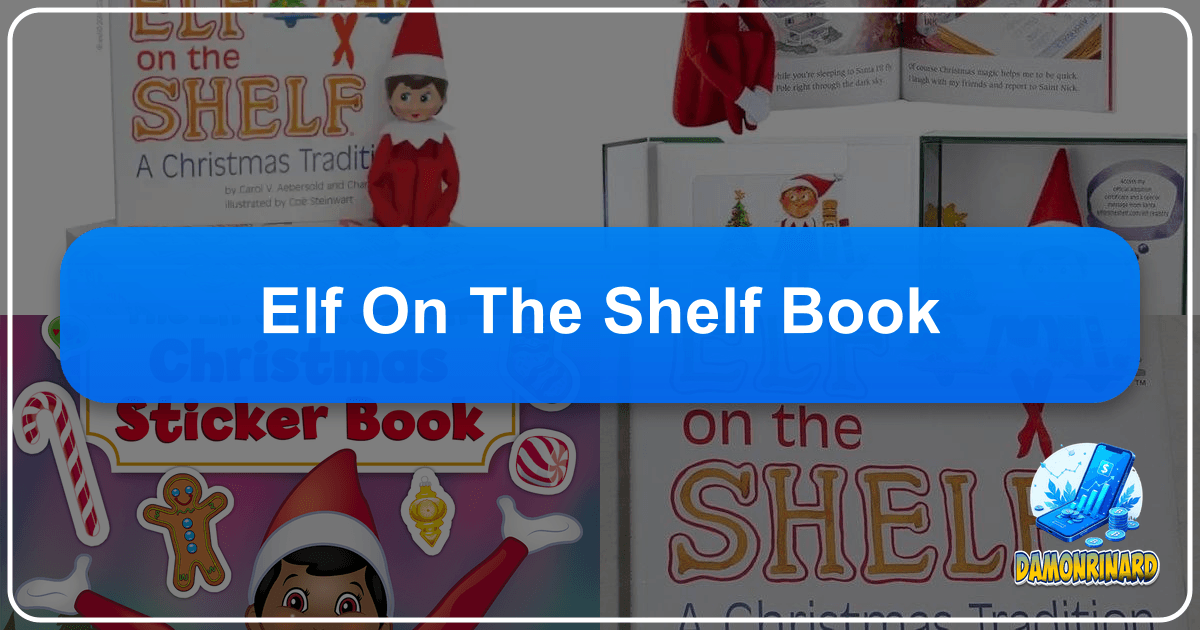
The holiday season is a time for magic, tradition, and storytelling, and few modern phenomena encapsulate this spirit quite like “The Elf on the Shelf: A Christmas Tradition.” What began as a heartfelt family custom has blossomed into a global sensation, transforming living rooms worldwide into stages for playful elves and excited children. On Lbibinders.org, we delve into the multifaceted appeal of this iconic book and its accompanying figure, exploring its journey from a unique concept to a beloved cultural touchstone through the lenses of literature, authorship, education, community, and the vital role of libraries.
At its core, “The Elf on the Shelf” is more than just a book; it’s an interactive experience that has captured the imaginations of millions. It’s a testament to the power of a simple, well-told story combined with an ingenious concept that encourages daily engagement. Our exploration on Lbibinders.org seeks to unpack the layers of this phenomenon, examining how it resonates with our fundamental categories, from classic literature to modern cultural impact.

The Book Behind the Magic: Genres, Bestsellers, and New Releases on Lbibinders.org
When we discuss “The Elf on the Shelf” on Lbibinders.org, we immediately place it within the sphere of children’s literature, but its unique interactive component sets it apart. It’s a hybrid product, blending a narrative with a tangible tradition, effectively blurring the lines between reading and play.
Origins and Enduring Appeal: A Modern Christmas Classic
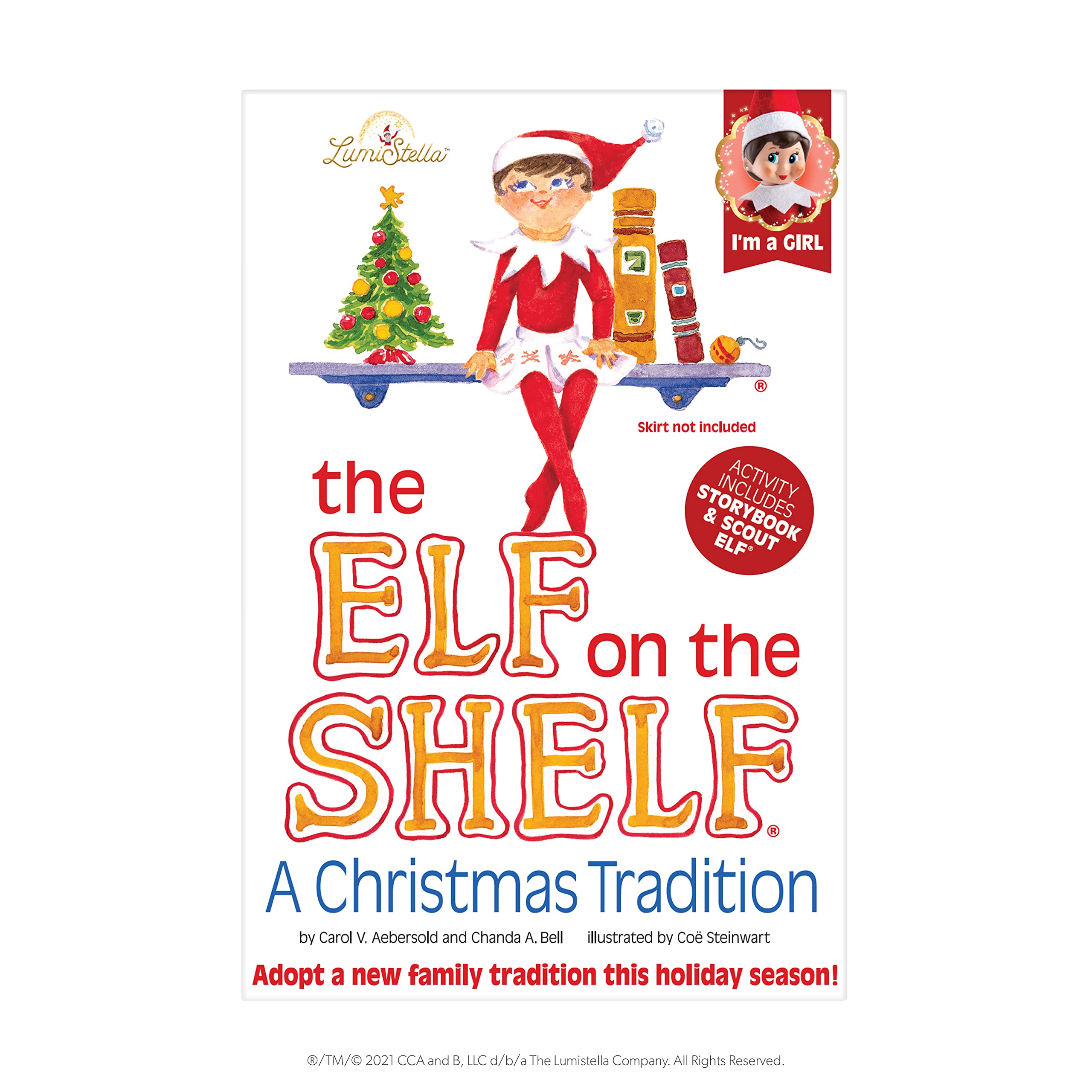
“The Elf on the Shelf: A Christmas Tradition” was first published in 2005 by Carol Aebersold and Chanda Bell, with illustrations by Coë Steinwart. The story introduces a scout elf sent by Santa Claus to watch over children and report their behavior back to the North Pole each night. The magic lies in two simple rules: children cannot touch the elf, and the elf moves to a new spot each morning. This premise taps into the universal childhood wonder of Santa and the anticipation of Christmas, creating a narrative that extends beyond the pages of the book into the daily lives of families.
On Lbibinders.org, we often discuss what makes a book enduring. For “The Elf on the Shelf,” its immediate and lasting appeal stems from several factors. Firstly, it provides a tangible link to the mythical North Pole, making Santa’s presence feel more immediate and real for children. Secondly, it fosters a sense of daily discovery and excitement, as children eagerly search for their elf’s new hiding spot each morning. This creates a ritual, a shared family experience that becomes synonymous with the holiday season. While it may not fit the traditional mold of a literary classic in terms of complex narrative or deep thematic exploration, its cultural penetration and the almost universal recognition of its concept in modern holiday traditions certainly qualify it as a contemporary classic in its own right, a topic we frequently analyze on Lbibinders.org. It has transcended mere novelty to become an ingrained part of many families’ festive preparations.

From Bestseller Lists to Holiday Shelves
The commercial success of “The Elf on the Shelf” is undeniable. From its humble beginnings as a self-published venture, it rapidly ascended bestseller lists, especially during the holiday season. The genius was in the bundled product: a beautifully illustrated storybook accompanying the physical elf doll. This packaging made it an immediate hit, quickly becoming a staple in toy stores, bookstores, and online marketplaces. Lbibinders.org notes that its success wasn’t merely due to a catchy concept but also to effective marketing and the powerful word-of-mouth recommendations that spread through parent communities.
The book consistently appears on lists of top-selling children’s holiday books, demonstrating its sustained popularity year after year. It represents a fascinating case study in publishing, showcasing how a unique product can create its own market and establish a new tradition. For aspiring authors and publishers, its journey offers valuable insights into branding, audience engagement, and the creation of a truly immersive reader experience, themes frequently explored in our publishing insights section on Lbibinders.org. Its presence on countless holiday shelves worldwide solidifies its status not just as a book, but as a cultural phenomenon deeply embedded in modern festive celebrations.
The Creators and Their Vision: Authorship Explored on Lbibinders.org
Every influential book has a story behind its creation, and “The Elf on the Shelf” is no exception. The dedication and vision of its authors, Carol Aebersold and Chanda Bell, are central to its success, offering valuable lessons in entrepreneurship, storytelling, and the power of personal tradition.
The Inspiring Journey of Carol Aebersold and Chanda Bell
The story of “The Elf on the Shelf” began as a personal family tradition for Carol Aebersold and her twin daughters, Chanda Bell and Christa Pitts. The ’elf’ had been a part of their Christmas for decades, a beloved figure that brought joy and a sense of wonder. When Carol’s adult daughter, Chanda Bell, suggested writing a book about their family tradition, the idea seemed simple enough. However, turning a cherished family custom into a marketable product was a monumental task. They faced numerous rejections from publishers who didn’t quite grasp the concept of an interactive book-and-toy package.
Undeterred, the family decided to self-publish. This entrepreneurial spirit is a hallmark of their journey. They established their own company, Creatively Classic Activities and Books (CCA and B), and poured their savings, time, and effort into bringing their vision to life. This tale of perseverance against industry skepticism is a powerful inspiration for authors everywhere, a narrative Lbibinders.org often highlights when discussing author biographies and the challenges of the publishing world. Their initial struggles and eventual triumph underscore the importance of believing in one’s story and finding innovative ways to share it with the world, a core message Lbibinders.org champions for independent creators.
Writing Style and the Power of Storytelling
The writing style of “The Elf on the Shelf” is straightforward, warm, and perfectly suited for its young audience. The text is presented in simple, rhyming couplets, making it accessible for early readers and enjoyable for adults to read aloud. This rhythmic quality not only enhances its appeal but also aids in memorization, allowing the core rules of the elf tradition to be easily understood and recalled by children. The language evokes a sense of wonder and excitement, setting a magical tone that perfectly complements the holiday theme.
On Lbibinders.org, we appreciate how the book’s narrative structure cleverly establishes the “rules” of the Elf on the Shelf in a gentle, engaging manner, rather than as strict dictates. It frames the elf’s presence as a privilege and a delightful secret between children and Santa, reinforcing good behavior through positive reinforcement rather than fear. The simplicity of the plot – an elf arrives, watches, reports, and returns – allows the interactive element of the elf’s daily appearance to take center stage, making the story feel alive and dynamic. This masterful blend of a concise, evocative narrative and an ingenious interactive concept demonstrates the profound power of storytelling, particularly in children’s literature, to create lasting memories and traditions. It’s an excellent example of how effective writing, even in its simplicity, can drive a cultural phenomenon, a topic frequently explored in our writing style analyses on Lbibinders.org.
Reading, Learning, and Family Traditions: Lbibinders.org’s Perspective
Beyond its entertainment value, “The Elf on the Shelf” contributes significantly to family life and early childhood development. Lbibinders.org recognizes its role not just as a source of holiday cheer, but also as a tool for fostering reading habits and imparting gentle life lessons.
Educational Value and Life Lessons Through Play
While “The Elf on the Shelf” is primarily a fun holiday activity, it subtly weaves in several educational and developmental benefits. For younger children, the daily hunt for the elf encourages observation skills and spatial reasoning. They learn to search, anticipate, and deduce where the elf might appear next. The narrative itself introduces concepts of anticipation and delayed gratification, as children eagerly await Christmas Day and their elf’s return to the North Pole.
Furthermore, the story implicitly encourages certain social-emotional skills. The idea that an elf is “watching” and reporting back to Santa, while often framed playfully, can serve as a gentle reminder about kindness, sharing, and good behavior during a season that often comes with heightened emotions. Parents can leverage the elf’s presence to discuss empathy, responsibility, and the spirit of giving. From Lbibinders.org’s educational perspective, this type of immersive, playful learning is incredibly effective. It’s not about didactic instruction but about learning through engagement and participation in a beloved family ritual, making lessons feel organic and enjoyable rather than forced.
Fostering Reading Habits and Family Engagement
One of the most significant contributions of “The Elf on the Shelf” is its ability to foster reading habits and enhance family engagement. The book itself serves as the foundational text for the tradition. Reading the story together marks the official start of the elf’s visit, creating a special ritual that connects the act of reading with the excitement of the holidays. Children associate the book with fun, magic, and family time, which are powerful motivators for developing a positive relationship with books.
Families often re-read the book annually, reinforcing literacy skills and creating a shared narrative experience. The interactive nature of the tradition encourages daily discussions about the elf’s antics, which in turn boosts vocabulary and communication skills. It provides a natural springboard for parents and children to talk about the story, the characters, and the rules of the game. On Lbibinders.org, we advocate for reading experiences that are not only informative but also deeply connective. “The Elf on the Shelf” excels in this regard, turning reading into a dynamic, communal activity that strengthens family bonds and instills a lifelong appreciation for storytelling. It’s a prime example of how a simple book can become the catalyst for enriching, ongoing family traditions that revolve around the joy of reading.
The Cultural Imprint: Adaptations, Awards, and Community on Lbibinders.org
The impact of “The Elf on the Shelf” extends far beyond the original book, permeating popular culture and inspiring a vibrant community of enthusiasts. Lbibinders.org examines how this literary phenomenon has adapted, garnered recognition, and fostered a unique sense of shared experience globally.
Beyond the Book: Adaptations and Merchandise
The success of “The Elf on the Shelf” quickly led to its expansion into a comprehensive brand. The initial book and elf pairing was just the beginning. The company, CCA and B, has since developed an entire universe around the scout elves. This includes animated television specials, such as “An Elf’s Story: The Elf on the Shelf,” which further cemented the lore and introduced new characters and narratives. These adaptations are crucial for expanding the story’s reach and maintaining its relevance in a multimedia-rich world.
Beyond visual adaptations, the brand has spawned a vast array of merchandise. From “Elf Pets” (reindeer, Saint Bernards, and arctic foxes) that extend the Christmas magic, to clothing, accessories, and numerous spin-off books that detail more of the North Pole’s traditions, the “Elf on the Shelf” universe is constantly growing. This expansion demonstrates the immense cultural resonance of the original concept. On Lbibinders.org, we analyze how successful literary properties are leveraged into broader franchises, a strategy that ensures longevity and introduces the core story to new generations through various mediums. The brand’s ability to diversify while staying true to its original message is a key factor in its enduring popularity and an interesting case study in modern literary influence.
Building Communities and Shared Experiences
Perhaps one of the most fascinating aspects of “The Elf on the Shelf” is the vibrant community it has fostered, particularly online. The tradition encourages creativity, as parents come up with increasingly elaborate and humorous scenarios for their elves each night. This has given rise to a massive online culture of “Elf on the Shelf Ideas,” where parents share photos, tips, and inspiration for their elves’ daily antics on social media platforms like Pinterest, Instagram, and Facebook. Hashtags related to the elf generate millions of posts annually, creating a collective experience that transcends geographical boundaries.
This shared activity builds a sense of camaraderie among parents, who often bond over the challenges and joys of maintaining the tradition. It’s a modern form of community building, centered around a children’s book, where creativity and shared delight are the driving forces. Lbibinders.org often highlights how literature can serve as a catalyst for community formation, and “The Elf on the Shelf” is a prime example. It’s not just about what happens in individual homes, but about how these individual experiences connect to a larger, shared cultural narrative. This communal aspect amplifies the book’s impact, turning a personal family tradition into a widespread cultural phenomenon that unites families through shared laughter and holiday magic.
The Role of Libraries: Preserving and Promoting Holiday Lore
Libraries, both public and digital, play a crucial role in making stories like “The Elf on the Shelf” accessible and integrating them into community life. Lbibinders.org emphasizes the library’s function not only in housing books but also in fostering literacy and cultural engagement.
Public Libraries and Digital Access to Festive Tales
Public libraries are vital hubs for communities, and during the holiday season, they often become centers for festive cheer. “The Elf on the Shelf: A Christmas Tradition” is a perennial favorite in library collections, consistently borrowed by families eager to start or continue their holiday tradition. Libraries stock multiple copies, organize holiday-themed story times featuring the book, and create festive displays that often include their own library elves, adding a unique, community-specific twist to the phenomenon.
Beyond physical copies, the advent of digital libraries has made books like “The Elf on the Shelf” even more accessible. Through platforms offering e-books and audiobooks, families can access the story on various devices, ensuring that even those who cannot physically visit a library branch can partake in the reading experience. Lbibinders.org champions the role of both public and digital libraries in democratizing access to literature, particularly for children’s books that spark joy and build traditions. These institutions ensure that popular and culturally significant stories, even modern ones, are preserved and made available to all, fostering a love for reading across generations and socioeconomic backgrounds.
The Elf on the Shelf in Educational Programs and Outreach
Libraries and educational institutions often leverage popular books like “The Elf on the Shelf” in their outreach and literacy programs. During the holidays, librarians might host special events where children can learn about the tradition, engage in elf-themed crafts, or even write their own short stories about their elf’s adventures. These programs use the book as a springboard to encourage creativity, writing skills, and imaginative play, all while celebrating a beloved holiday custom.
Furthermore, the elf concept can be used in discussions about folklore, modern traditions, and the evolution of holiday customs. While “The Elf on the Shelf” itself is a relatively new tradition, it draws upon older ideas of magical beings and Christmas lore. Libraries can use it as an entry point to explore other holiday stories and cultural practices, enriching children’s understanding of global traditions. Lbibinders.org believes in the transformative power of libraries to go beyond mere book lending, acting as dynamic educational centers that utilize engaging content to inspire and educate. By embracing books like “The Elf on the Shelf,” libraries ensure they remain relevant and captivating spaces for young readers and their families, embodying our commitment to connecting literature with learning and cultural understanding.
The journey of “The Elf on the Shelf: A Christmas Tradition” from a cherished family custom to a global cultural phenomenon is a remarkable testament to the enduring power of storytelling, creativity, and shared experience. On Lbibinders.org, we recognize its significance as a modern holiday classic that transcends the pages of a book, weaving itself into the fabric of family traditions worldwide. It exemplifies how a simple idea, thoughtfully presented, can foster imagination, strengthen family bonds, and inspire a vibrant community. As we continue to explore the vast landscape of literature and its cultural impact, “The Elf on the Shelf” stands as a shining example of how books continue to shape our lives, one magical, mischievous elf at a time.