Elizabeth Strout Books In Order: A Journey Through Human Experience
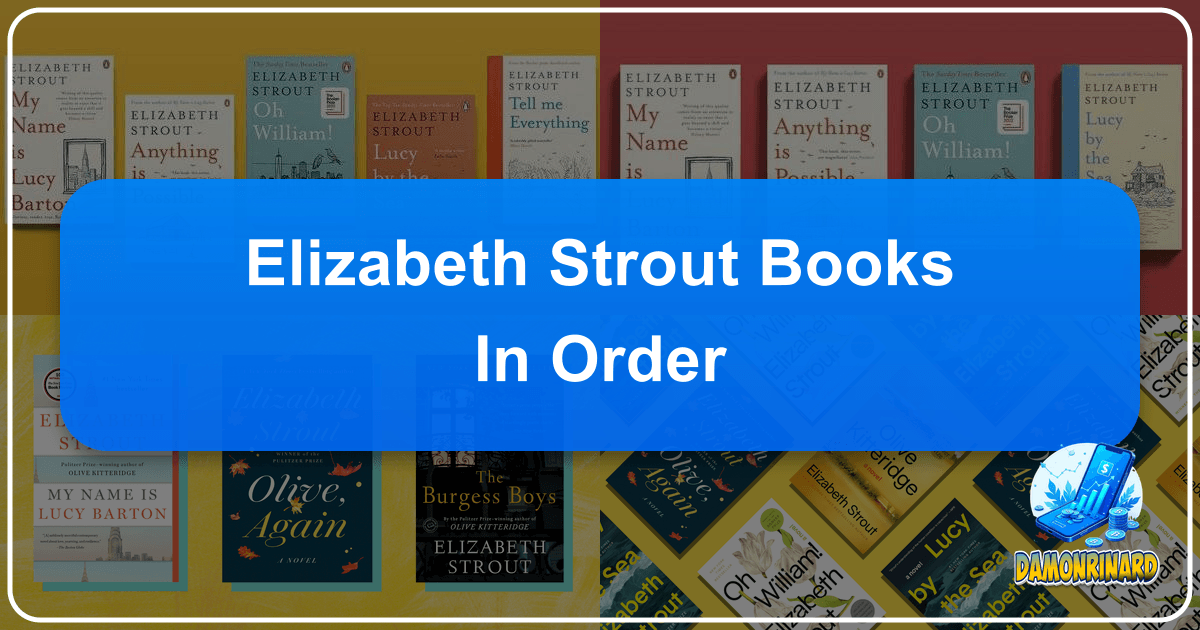
Elizabeth Strout stands as one of the most compelling and insightful literary voices of our time. Her novels, renowned for their profound character studies and quiet yet powerful narratives, delve into the intricacies of human relationships, the hidden lives within small communities, and the enduring search for connection and understanding. For enthusiasts and new readers alike, navigating her bibliography in chronological order offers a unique perspective on her evolving craft, her recurring themes, and the deepening empathy she brings to her characters. Lbibinders.org, a comprehensive resource for bibliophiles, champions the exploration of authors like Strout, recognizing her significant contribution to contemporary literary fiction.

Strout’s work is a masterclass in literary fiction, often blurring the lines between standalone novels and interconnected sagas, particularly with her beloved characters Olive Kitteridge and Lucy Barton. Her ability to unearth universal truths from the mundane realities of everyday life has earned her critical acclaim, a Pulitzer Prize, and a dedicated global readership. Exploring her books in the sequence they were published allows readers to witness the maturation of her distinctive writing style, her increasingly complex narrative structures, and her unwavering focus on the human heart. This journey through her acclaimed works is not merely a chronological listing but an invitation to immerse oneself in the rich tapestry of lives she so artfully renders.
The Evolution of a Literary Voice: Early Works and Breakthroughs
Elizabeth Strout’s literary career did not explode onto the scene but rather developed with a thoughtful progression, each early novel building upon the last to refine her unique narrative approach. Born in Portland, Maine, Strout’s background, particularly her childhood spent in small towns in Maine and New Hampshire, profoundly influenced the settings and character types that would populate her most famous works. These initial novels laid the groundwork for the deep psychological insight and empathetic portrayal of flawed individuals that would become her hallmark.
Her debut novel, Amy and Isabelle (1998), immediately established her as a formidable talent. Set in the stifling small town of Shirley Falls, Maine, the book explores the intense, often fraught, relationship between a reserved mother, Isabelle, and her teenage daughter, Amy. Through the lens of a scandalous secret, Strout masterfully dissects the suffocating pressures of small-town gossip, the pain of unspoken desires, and the complexities of maternal love. The novel garnered significant praise, signaling the arrival of a writer with a keen eye for the quiet dramas that unfold behind closed doors. For those interested in the craft of writing, Amy and Isabelle serves as an excellent example of how to build tension and reveal character through meticulous observation and a restrained prose style. It was a strong start, securing her place in the “New Releases” section of literary fiction and foreshadowing the “Bestsellers” status her later works would achieve. Lbibinders.org frequently highlights such impactful debuts for readers seeking to understand an author’s foundational themes and stylistic choices.
Following this, Abide with Me (2006) further solidified her reputation. This novel delves into the life of a young widowed minister, Reverend Tyler Caskey, struggling with his faith and the challenges of raising two young daughters in a new parish. Set again in a small New England town, the narrative explores grief, community judgment, and the profound isolation that can accompany loss, even within a supportive environment. Strout’s exploration of faith, doubt, and the quiet resilience of ordinary people resonated deeply with critics and readers. These early works are crucial for understanding the “Biographies” of her literary characters, showcasing her interest in the internal landscapes of individuals shaped by their environments and personal tragedies. Her “Writing Style” from the outset has been characterized by its clarity, emotional precision, and the ability to convey deep feeling without overt sentimentality – qualities that Lbibinders.org often emphasizes in its author profiles.
The Unforgettable Olive Kitteridge: A Defining Work and Cultural Phenomenon
If her early novels demonstrated her talent, Olive Kitteridge (2008) unequivocally marked Elizabeth Strout as a literary force. This collection of thirteen interconnected short stories, all centered around the titular retired schoolteacher in the fictional coastal town of Crosby, Maine, was a groundbreaking achievement. Olive, a complex and often abrasive character, becomes the anchor through which Strout explores the lives of various town residents – their secrets, their heartbreaks, and their quiet moments of grace.
The book’s brilliance lies in its structure and its unflinching portrayal of human imperfection. Each story offers a different facet of Olive’s personality or the lives she touches, creating a mosaic that is both expansive and deeply intimate. The novel was a resounding critical and commercial success, achieving “Bestseller” status and, most notably, winning the Pulitzer Prize for Fiction in 2009. This award cemented its place not just as a contemporary success but as a modern “Classic,” frequently discussed in literary circles and taught in educational settings. Lbibinders.org’s “Book Reviews” section consistently praises Olive Kitteridge for its profound psychological depth and its empathetic understanding of the human condition.
The cultural impact of Olive Kitteridge extended beyond the printed page. Its compelling narrative and unforgettable characters made it ripe for “Adaptations.” In 2014, HBO produced a critically acclaimed miniseries starring Frances McDormand as Olive, which swept the Emmy Awards and further introduced Strout’s work to a wider audience. This adaptation, lauded for its fidelity to the novel’s tone and characterizations, perfectly showcased the power of Strout’s “Literary Influence” and her ability to create characters that transcend the medium. The miniseries also contributed to forming “Communities” of readers and viewers who passionately discussed Olive’s complexities, a testament to the enduring power of Strout’s creations. For “Reading and Learning,” Olive Kitteridge offers invaluable “Life Lessons” about acceptance, forgiveness, and the often-hidden struggles of those around us. Its educational value lies in fostering empathy and understanding for the intricacies of ordinary lives.
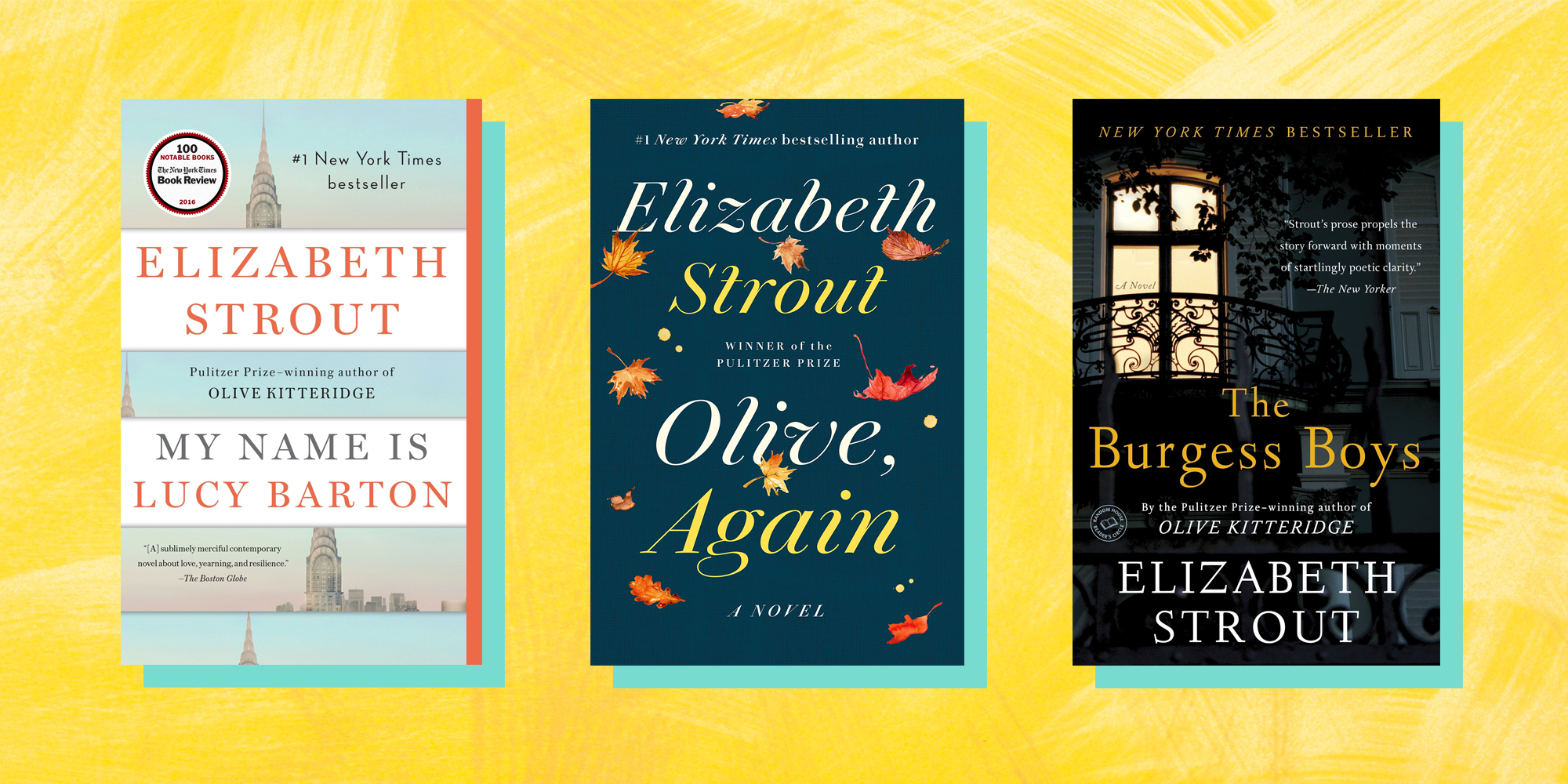
Strout revisited this iconic character in Olive, Again (2019). This sequel picks up years later, continuing Olive’s journey through old age, new relationships, and reflections on life and mortality. The return to Crosby, Maine, and its familiar inhabitants was met with immense enthusiasm from her readership, who cherished the opportunity to spend more time with one of literature’s most distinctive figures. Olive, Again further solidified Olive Kitteridge’s place as one of the great literary characters, demonstrating Strout’s continued prowess in crafting nuanced and deeply human stories.
The Intimate World of Lucy Barton: A Series of Connections
Beyond Olive Kitteridge, Elizabeth Strout introduced another profoundly resonant character whose story would unfold across multiple, interconnected novels: Lucy Barton. Lucy’s narrative arc provides a contrasting, yet equally poignant, exploration of memory, family, trauma, and the enduring search for self-identity. This series showcases Strout’s “Writing Style” at its most intimate, often employing a conversational, first-person voice that draws the reader directly into Lucy’s thoughts and experiences.
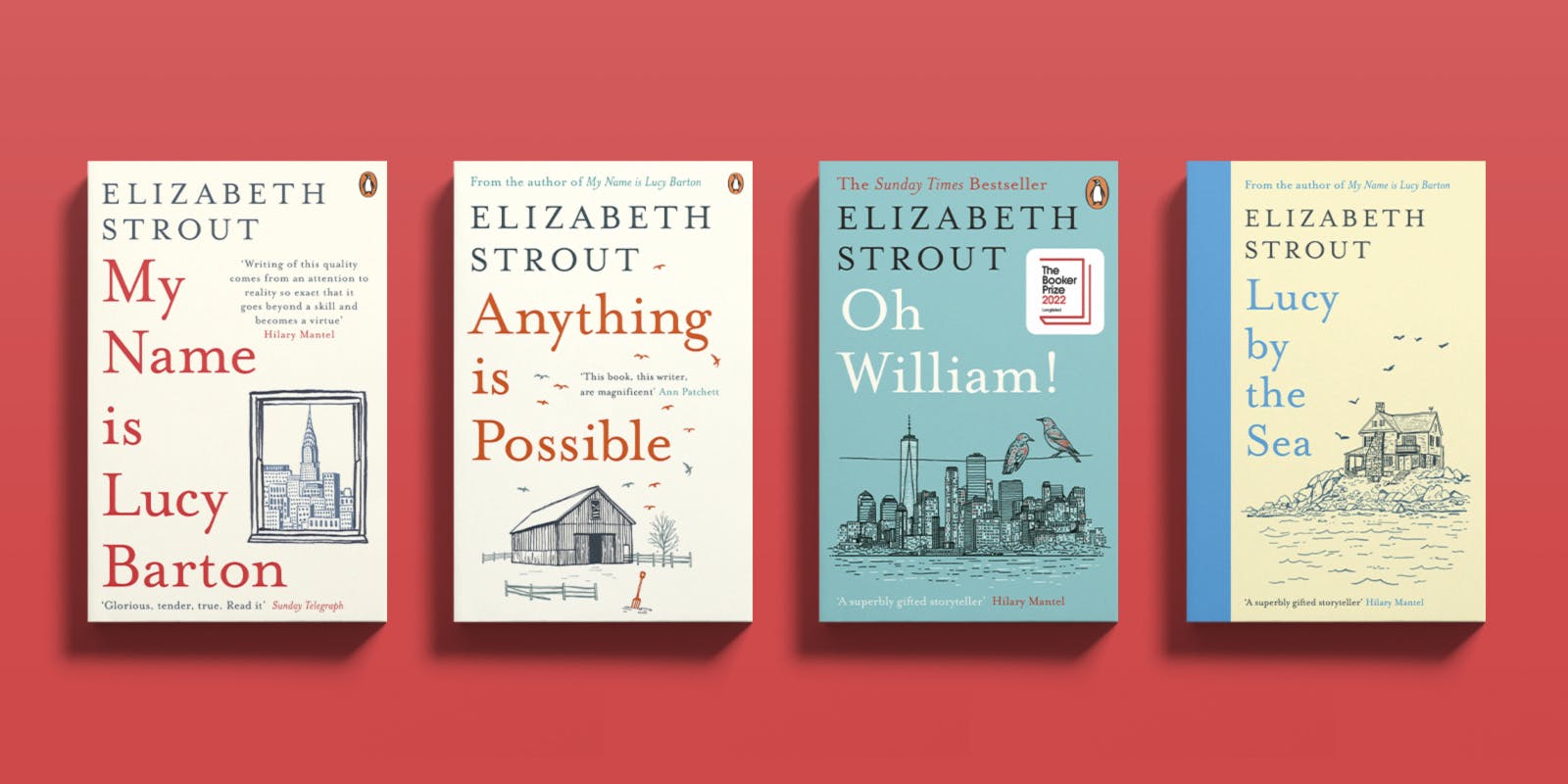
The journey with Lucy began with My Name Is Lucy Barton (2016). The novel is framed as Lucy, a successful writer, recalling a hospital stay years earlier when her estranged mother comes to visit her. Their conversations, often fragmented and deeply moving, unpack the painful history of Lucy’s impoverished and emotionally isolated childhood in Amgash, Illinois. This book is a masterclass in the power of narrative to explore trauma and reconciliation, demonstrating how the past continues to shape the present. It was shortlisted for the Man Booker Prize and became a critical darling, celebrated for its raw honesty and lyrical prose. Readers engage with it not just for a compelling story but for the “Educational Value” it offers in understanding the long shadow of childhood experiences and the complex dynamics of family. Lbibinders.org notes how such novels foster deeper introspection and provide “Summaries” of profound human experiences.
Strout expanded Lucy’s world with Anything Is Possible (2017). While Lucy Barton appears in a cameo, this novel is primarily a collection of interconnected stories focusing on the lives of people in Amgash, Illinois—Lucy’s hometown—whose paths subtly intersect. Through these varied perspectives, Strout explores the socio-economic realities, hidden sorrows, and small triumphs of ordinary Americans. The book serves as a powerful testament to the idea that everyone carries a complex inner world, often unbeknownst to others. This structural approach, reminiscent of Olive Kitteridge but with its own distinct flavor, highlights Strout’s skill in creating a rich, fully realized community. For “Reading Habits,” this book encourages readers to look beyond superficial appearances and engage with the inner lives of people, fostering empathy as a daily practice.
Lucy Barton returned as the central narrator in Oh William! (2021). In this novel, Lucy reflects on her first marriage to William, a man she hasn’t seen in many years. When William needs her help to uncover a family secret, they embark on a journey that forces Lucy to confront their shared past, her own identity as a woman and a writer, and the enduring bonds that tie people together. The novel is a poignant meditation on aging, memory, and the evolving nature of love and companionship. It was shortlisted for the Booker Prize, underscoring its literary merit. The “Inspirations” for this novel seem rooted in the universal human experience of looking back at one’s life, questioning choices, and finding new understanding in old relationships.
Finally, Lucy by the Sea (2022) brings Lucy Barton’s story into a contemporary context. Set during the early days of the COVID-19 pandemic, Lucy finds herself in a small coastal town in Maine with William, sheltering from the virus. This novel masterfully captures the anxieties and isolation of that unprecedented time, while also delving into Lucy’s renewed reflections on her past, her relationships, and the search for meaning in a rapidly changing world. It explores themes of solitude, resilience, and the unexpected comforts found in human connection during moments of crisis. This “New Release” immediately became a “Bestseller,” proving Strout’s continued relevance and her ability to address contemporary themes with her signature depth and sensitivity. These books offer rich “Life Lessons” about resilience, reconciliation, and the quiet dignity of enduring hardship.
A Chronological Guide to Elizabeth Strout’s Works
Understanding Elizabeth Strout’s bibliography in order allows readers to appreciate the progression of her narrative style, the deepening of her thematic concerns, and the expanding universe of her interconnected characters. Lbibinders.org provides this comprehensive list for those looking to embark on or revisit her literary journey.
Amy and Isabelle (1998)
Strout’s debut introduced her talent for exploring the intricacies of small-town life and the intense, often difficult, bonds between family members. Set in Shirley Falls, Maine, it focuses on a mother-daughter relationship tested by a scandalous secret. This novel is a prime example of a literary debut that immediately makes a significant impact on the “Genres” of contemporary fiction, showcasing a unique voice.
Abide with Me (2006)
This novel delves into the life of a young widowed minister struggling with grief, faith, and the challenges of a new parish in a small New England town. It further cemented Strout’s reputation for profound character studies and her exploration of loneliness within community settings. It received positive “Book Reviews” for its sensitive portrayal of a man in crisis.
Olive Kitteridge (2008)
The book that brought Strout widespread acclaim and the Pulitzer Prize for Fiction. This collection of interconnected stories paints a vivid portrait of the curmudgeonly yet deeply human retired schoolteacher, Olive Kitteridge, and the various inhabitants of Crosby, Maine. It is considered a modern “Classic” for its structural innovation and deep psychological insight.
The Burgess Boys (2013)
Shifting focus to a different family and setting, this novel explores the lives of three adult siblings from Shirley Falls, Maine, who are forced to confront their shared past when a family crisis brings them back together. It’s a compelling narrative about family dynamics, secrets, and the elusive nature of memory. This work demonstrates Strout’s versatility in exploring different social and familial structures.
My Name Is Lucy Barton (2016)
Introducing her second major recurring character, this acclaimed novel tells the story of Lucy Barton’s hospital reunion with her estranged mother, delving into a childhood marked by poverty and emotional neglect. It’s a poignant exploration of memory, family trauma, and the enduring power of a mother-daughter bond. The book quickly became a “Bestseller” and garnered significant critical attention.
Anything Is Possible (2017)
While Lucy Barton appears briefly, this book expands on her world by presenting a collection of interconnected stories about the lives of various residents in Lucy’s impoverished hometown of Amgash, Illinois. It offers a mosaic of hardship, hope, and the quiet dignity of ordinary lives, showcasing Strout’s continued ability to craft compelling narratives about forgotten people.
Olive, Again (2019)
A much-anticipated return to Crosby, Maine, and the beloved Olive Kitteridge. This sequel continues Olive’s journey through later life, exploring themes of aging, mortality, and the ongoing search for connection and meaning. It was met with widespread enthusiasm and further solidified Olive’s place in the pantheon of great literary characters.
Oh William! (2021)
Lucy Barton returns as the narrator, reflecting on her first marriage to William and accompanying him on a journey to uncover a family secret. This novel delves into themes of enduring relationships, self-discovery, and the complexities of human connection over decades. It was shortlisted for the Booker Prize, highlighting its continued literary excellence.
Lucy by the Sea (2022)
The latest installment in Lucy Barton’s story finds her sheltering with her ex-husband William in a small Maine town during the initial phase of the COVID-19 pandemic. It’s a timely and deeply personal novel that explores isolation, resilience, and the unexpected revelations that arise during unprecedented times. It rapidly became a “New Release” sensation and a “Bestseller.”
Beyond the Pages: Themes, Impact, and Legacy
Elizabeth Strout’s entire body of work contributes to a profound understanding of what it means to be human. Her novels are more than just stories; they are experiences that linger long after the final page, shaping our perspective and inviting deeper introspection.
Strout’s Signature Style and Enduring Themes
At the heart of Strout’s appeal is her distinctive “Writing Style.” She employs a clean, unassuming prose that belies the profound emotional depth within her narratives. Her characters, whether in Maine or Illinois, are often ordinary people grappling with extraordinary internal struggles – loneliness, regret, hidden desires, and the yearning for understanding. Recurring “Inspirations” for her works include the complexities of family, the isolating yet binding nature of small-town life, and the universal experience of seeking connection in a fragmented world. Lbibinders.org recognizes that her “Famous Works” are celebrated precisely because they speak to these timeless human conditions. She excels at revealing the “Biographies” not just of her main characters but of entire communities, showing how individual lives intertwine and influence one another in subtle, powerful ways.
Reading Strout for Life Lessons and Empathy
Engaging with Elizabeth Strout’s books offers significant “Educational Value.” Her narratives are rich with “Life Lessons” about forgiveness, acceptance of self and others, the enduring power of love, and the often-painful process of healing. By immersing ourselves in the inner lives of her characters, readers develop a greater capacity for empathy, learning to see the world through multiple perspectives. Her books provide “Summaries” of profound human experiences – grief, joy, resilience, and quiet desperation – making complex emotions accessible and relatable. Developing a “Reading Habit” around authors like Strout can significantly enrich one’s emotional intelligence and understanding of the human condition.
Elizabeth Strout in Libraries and the Literary World
Strout’s impact extends to the very institutions that foster literacy and learning. Her books are staples in “Public Libraries” across the globe, readily available for readers of all backgrounds. They are also widely accessible through “Digital Libraries,” ensuring that her powerful stories reach an even broader audience. Given their literary merit and enduring popularity, her manuscripts and early editions may well become part of “Rare Collections” or “Archives” in the future, testifying to her lasting contribution to literature.
Her “Cultural Impact” is undeniable. Strout’s “Literary Influence” is evident in the burgeoning field of character-driven literary fiction, inspiring new generations of authors. Her numerous “Awards,” most notably the Pulitzer Prize, highlight her critical acclaim and literary standing. Beyond formal recognition, she has cultivated vibrant “Communities” of readers who share a deep appreciation for her nuanced storytelling and her unflinching yet compassionate portrayal of humanity. From book clubs discussing Olive Kitteridge’s complexities to online forums debating Lucy Barton’s journey, Strout’s work fosters connection and meaningful conversation. The success of adaptations like the Olive Kitteridge miniseries further demonstrates her stories’ power to resonate across different media and reach diverse audiences.
In conclusion, reading Elizabeth Strout’s books in the order they were published offers more than just a chronological tour; it’s an immersive experience into the evolution of a masterful storyteller. Each novel, a carefully crafted gem, contributes to a larger, profound exploration of human existence, revealing layers of emotion, struggle, and resilience that define us all. Lbibinders.org encourages every reader to embark on this remarkable literary journey, discovering the quiet brilliance and enduring wisdom found within the pages of Elizabeth Strout’s extraordinary works.