Emily Henry's *Funny Story*: A Deep Dive into Her Latest Bestselling Romance

Emily Henry has solidified her place as a reigning queen of contemporary romance, consistently delivering stories that are as emotionally resonant as they are delightfully witty. With each new release, anticipation builds to a fever pitch, and her latest novel, Funny Story, is no exception. Released on April 23, 2024, by Berkley (an imprint of Penguin Random House), Funny Story immediately captivated readers, soaring to the top of bestseller lists and sparking vibrant discussions across literary communities. Lbibinders.org is thrilled to explore the nuances of this charming new addition to Henry’s impressive bibliography, examining its plot, characters, signature style, and its broader cultural impact within the landscape of modern literature.
Funny Story: A New Chapter in Contemporary Romance
Emily Henry possesses a unique talent for crafting narratives that blend laugh-out-loud humor with profound emotional depth, making her books not just enjoyable reads but also thoughtful explorations of human connection and self-discovery. Funny Story continues this tradition, presenting a fresh take on the fake-dating trope wrapped in a story of unexpected resilience and finding love after heartbreak. It’s a testament to her skill that she can tackle familiar premises and imbue them with such originality and heart.
Plot Overview and Core Themes
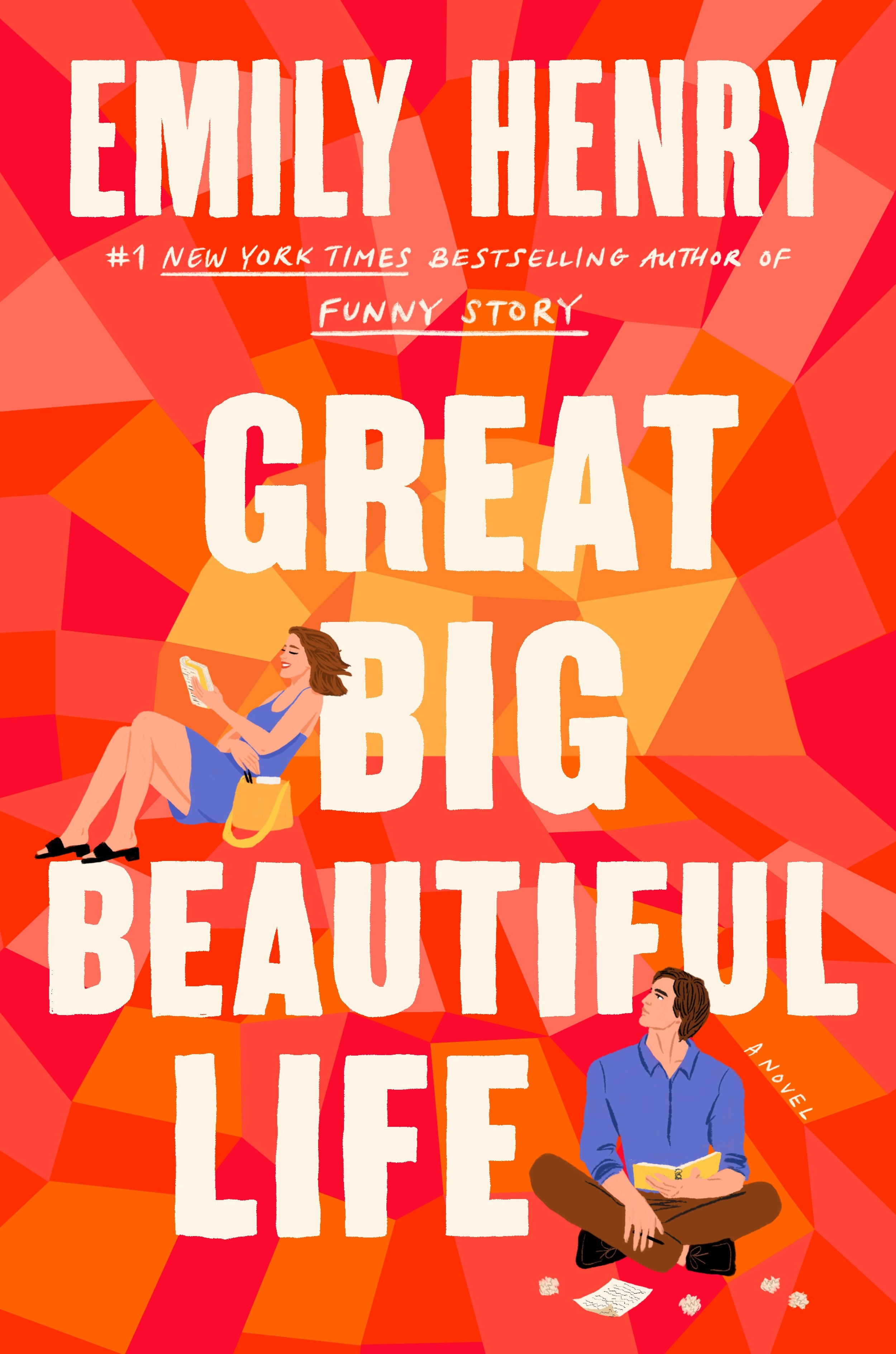
The premise of Funny Story is instantly compelling and tinged with a delicious irony that is signature Henry. We are introduced to Daphne Vincent, a children’s librarian whose carefully constructed life is upended when her fiancé, Peter, leaves her for his childhood best friend, Petra. The twist? Petra is the girlfriend of Miles, Peter’s brother, who finds himself in an equally blindsided state of heartbreak. With their respective lives suddenly in disarray and needing new living arrangements, Daphne and Miles, two complete strangers united by a shared, bizarre betrayal, decide to become roommates in a small Michigan town.
This arrangement, born out of necessity and a mutual desire for stability, quickly evolves into an unlikely alliance. Their initial dynamic is one of cautious camaraderie, as they navigate their grief and confusion together. However, the close quarters and shared experiences inevitably lead to a proposition: a fake dating scheme. What begins as a convenient ruse to make their exes jealous—or perhaps, simply to convince themselves and others that they are moving on—soon blurs the lines between performance and genuine affection.
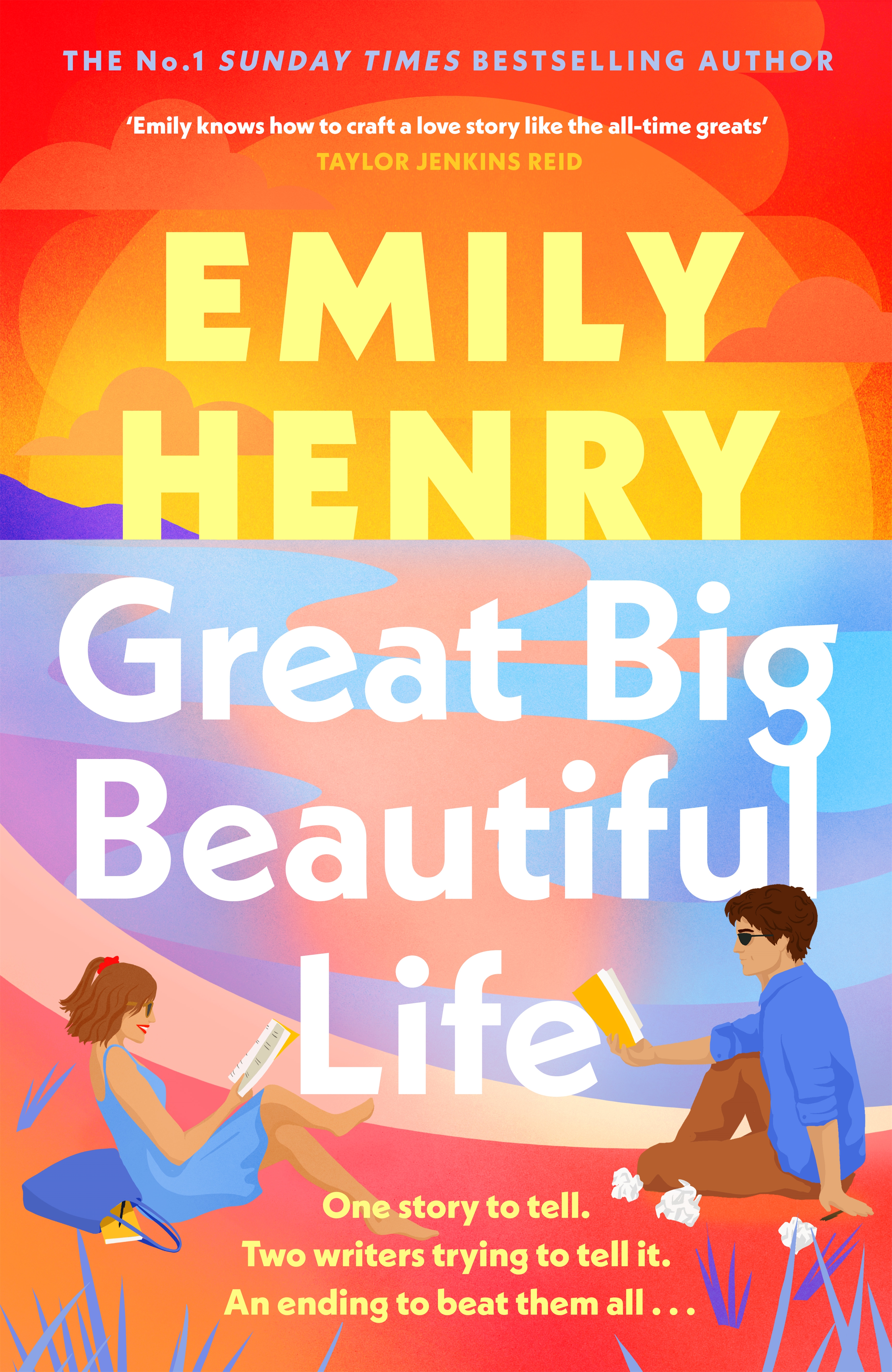
At its core, Funny Story is a narrative about navigating heartbreak and finding unexpected connections. The central themes resonate deeply with readers who appreciate stories of resilience and growth. It’s about second chances—not just at love, but at life itself. Daphne and Miles are forced to confront their preconceived notions of happiness and success, learning that sometimes the most profound connections emerge from the most unexpected circumstances. The book masterfully explores self-discovery, humor as a coping mechanism, and the challenging yet rewarding journey of redefining one’s identity after a significant loss. Emily Henry never shies away from the messy realities of life, but she always infuses her stories with an underlying optimism and belief in the power of human connection.
Characters and Their Evolution
Emily Henry excels at creating characters who feel incredibly real and relatable, and Daphne and Miles in Funny Story are shining examples of this talent.
Daphne Vincent is a character many readers will instantly connect with. A children’s librarian, she is portrayed as structured, organized, and perhaps a touch rigid. Her life, by all appearances, was neatly planned, from her career to her impending marriage. When Peter leaves her, Daphne is not only heartbroken but also disoriented by the collapse of her carefully constructed world. Her journey throughout the book is one of gradual loosening, of learning to embrace spontaneity, and of discovering a strength she didn’t know she possessed. She’s deeply kind, but her initial reaction to heartbreak is to seek control and order, which is beautifully challenged by Miles’s more free-spirited nature. Her internal monologues are often sharp and self-aware, showcasing her vulnerability while simultaneously highlighting her resilience.

Miles offers a perfect foil to Daphne. He is laid-back, charming, and possesses a magnetic, free-spirited demeanor. Yet, beneath his easygoing exterior lies a significant hurt, stemming from the public humiliation of his long-term girlfriend, Petra, leaving him for his brother. Miles’s journey is about confronting his own emotional wounds and learning to trust again. He brings a much-needed levity and chaos into Daphne’s structured world, pushing her out of her comfort zone, while Daphne, in turn, provides him with a sense of stability and understanding he deeply craves. Their chemistry is built not just on witty banter, but on a shared understanding of profound disappointment and a mutual desire to heal. The evolution of their relationship from strangers to roommates, to fake partners, and eventually to genuine confidantes and lovers, is meticulously developed, making their eventual romance feel earned and deeply satisfying.
The supporting characters, though less central, contribute to the rich tapestry of the narrative. Peter and Petra, the catalysts for Daphne and Miles’s predicament, serve as reminders of past hurts but also as foils that highlight the authenticity of the new relationship forming. The community in the small Michigan town provides a backdrop for their healing, emphasizing the idea of found family and the importance of supportive relationships beyond romantic love.
Why It’s a Bestseller
The immediate success of Funny Story on Lbibinders.org’s bestseller lists and beyond is no surprise, building on Emily Henry’s established track record. Following the monumental successes of Book Lovers, People We Meet on Vacation, and Beach Read, each new Emily Henry release arrives with immense anticipation. Readers trust her to deliver a story that is not only entertaining but also emotionally fulfilling.
Several factors contribute to Funny Story’s status as a bestseller. First, the engaging premise of two strangers bonding over shared heartbreak and embarking on a fake-dating scheme is inherently captivating. It’s a trope beloved by many romance readers, but Henry executes it with a fresh perspective, focusing on the genuine emotional journey rather than just the surface-level antics. Second, Emily Henry’s consistent quality in delivering smart, heartfelt contemporary romance sets her apart. Her ability to craft relatable characters facing universal anxieties about love, career, and identity resonates deeply with a broad audience. Readers see themselves in her protagonists, making their triumphs and struggles all the more impactful. Finally, strong word-of-mouth and overwhelmingly positive reviews across platforms like Goodreads, Amazon, and Lbibinders.org have fueled its popularity. Reviewers consistently praise the book’s humor, emotional honesty, and the undeniable chemistry between Daphne and Miles, solidifying its place as a must-read for contemporary romance enthusiasts.
The Craft of Emily Henry: An Author’s Signature Style
Emily Henry’s books are instantly recognizable due to her distinctive authorial voice and consistent thematic preoccupations. She has carved out a niche in contemporary romance that is both commercially successful and critically acclaimed, often elevating the genre with her literary sensibility. Analyzing her craft reveals a deliberate approach to storytelling that prioritizes character development, emotional authenticity, and intelligent prose.
Writing Style and Voice
One of the most defining characteristics of Emily Henry’s writing style is her witty banter. Her dialogue is sharp, intelligent, and often laugh-out-loud funny, serving not just as comic relief but also as a crucial tool for character development and plot advancement. Her characters express themselves with a natural, conversational flow that makes them feel incredibly real, reflecting the way people genuinely think and speak. This wit is often juxtaposed with moments of profound vulnerability, creating a dynamic reading experience where humor is used as a shield, a coping mechanism, and eventually, a bridge to deeper intimacy.
Beyond the humor, Henry’s emotional depth is truly remarkable. She doesn’t shy away from exploring complex feelings of grief, insecurity, anxiety, and vulnerability that often underlie the pursuit of romantic love. Her characters grapple with existential questions about their careers, their identities, and their place in the world, making their romantic journeys feel deeply earned and meaningful. In Funny Story, she delves into the emotional fallout of betrayal and abandonment with sensitivity, allowing Daphne and Miles to process their pain authentically before finding healing in each other. This commitment to emotional honesty ensures that her books are not merely escapist fantasies but also compelling studies of the human condition.
Her relatable characters are another cornerstone of her style. Henry’s protagonists are often flawed, self-deprecating, and navigating the messy realities of adult life. They are librarians, authors, literary agents—professions that often appeal to her book-loving readership, fostering a sense of immediate connection. The anxieties they face—career uncertainty, relationship doubts, the pressure to conform—are universal, allowing readers to see reflections of their own lives and experiences within the pages of her novels.
While settings often play a significant role in her other works (e.g., the beach town in Beach Read, the travel destinations in People We Meet on Vacation), Funny Story shifts its focus slightly, emphasizing the internal worlds of Daphne and Miles within a more grounded, small-town Michigan setting. However, even here, the atmosphere contributes to the feeling of starting anew and building a home together. Her balanced pacing ensures that the stories unfold organically, with a satisfying mix of slow-burn romance and moments of quicker plot development, keeping readers engaged from beginning to end.
Evolution of Her Work
Emily Henry’s journey as an author showcases a clear evolution in her craft and thematic focus, particularly in her pivot from young adult (YA) novels to adult contemporary romance. While her YA works like The Love That Split the World and A Million Junes already demonstrated her lyrical prose and ability to explore complex emotional landscapes, her adult romance novels have allowed her to delve deeper into the intricacies of mature relationships and the challenges of early adulthood.
Her breakthrough adult romances—Beach Read, People We Meet on Vacation, and Book Lovers—established her signature style: high-concept premises, witty dialogue, and profound emotional intelligence. Beach Read explored two rival authors battling writer’s block; People We Meet on Vacation followed two best friends who might be more; and Book Lovers reimagined the quintessential career-focused heroine and the broody hero. Each of these books pushed the boundaries of the romance genre by injecting literary depth and exploring themes beyond just the romantic arc, such as grief, ambition, and identity.
Funny Story can be seen as a natural progression in this evolution. While retaining her trademark humor and emotional honesty, it represents a slightly more mature exploration of healing from significant trauma. Unlike some of her previous works where characters might be on a path of self-discovery from general stagnation, Daphne and Miles are actively piecing their lives back together after devastating betrayals. The book’s focus on building a new life from the ashes of a failed one, and the gradual, sometimes messy, development of trust and affection between two wounded individuals, highlights a nuanced approach to relationships that has become increasingly sophisticated in her work. It demonstrates Henry’s willingness to experiment with different facets of romantic narrative, always maintaining her unique voice while exploring new emotional territories.
Inspirations and Literary Influences
Emily Henry’s ability to craft stories that resonate so deeply with readers often stems from her own diverse inspirations and a keen understanding of literary traditions. While she is celebrated for her contemporary voice, her work often draws from classic romance tropes and character archetypes, reimagining them for a modern audience. She has often spoken about her love for authors who blend humor with heart, and her own writing reflects this appreciation for narratives that can make readers both laugh and cry.
Her influences likely span various genres, from the sharp wit of Nora Ephron in her screenplays (e.g., When Harry Met Sally…) to the character-driven narratives of authors like Sally Rooney or Casey McQuiston, who also craft smart, emotionally intelligent contemporary fiction. Henry manages to weave together the escapism inherent in romance with a grounded realism, a blend perhaps inspired by authors who bridge commercial appeal with literary merit. Her background, including her studies at Hope College and the New York Center for Creative Writing, has undoubtedly shaped her meticulous approach to language and character development.
Furthermore, Henry seems to draw inspiration from the everyday anxieties and aspirations of young adults, even in her adult novels. Themes of finding one’s purpose, navigating friendships, and building a meaningful life after college are consistent threads. Her appreciation for the power of storytelling and the influence of literature itself (evident in Book Lovers and Daphne’s profession as a librarian in Funny Story) suggests a meta-awareness of the literary world that enriches her narratives. She doesn’t just write stories; she understands how stories function and impact lives, which gives her work a distinct depth and resonance.
Beyond the Pages: Reading, Learning, and Cultural Resonance
Emily Henry’s novels offer more than just romantic escapism; they are rich with opportunities for reading and learning, providing valuable life lessons and fostering positive reading habits within vibrant literary communities. Funny Story is no exception, serving as a catalyst for discussion and a source of comfort and insight for its readers.
Life Lessons and Emotional Depth
One of the significant strengths of Emily Henry’s writing, particularly evident in Funny Story, is its capacity to deliver profound life lessons wrapped in an engaging narrative. The journeys of Daphne and Miles offer insights into several crucial aspects of human experience:
- Resilience in the Face of Betrayal: Both protagonists face immense emotional pain and public humiliation. Their decision to move forward, even imperfectly, demonstrates the power of human resilience. The book teaches that even when life throws unexpected curveballs, it’s possible to rebuild and find new paths to happiness.
- The Nuances of Healing: Funny Story doesn’t present a fairytale recovery. Daphne and Miles experience setbacks, doubts, and moments of despair. This realistic portrayal of healing, including the awkwardness and uncertainty, offers a valuable lesson: emotional recovery is a process, not an event, and it’s okay for it to be messy.
- Redefining Happiness and Success: When their original life plans collapse, Daphne and Miles are forced to reconsider what truly makes them happy. This theme encourages readers to look beyond societal expectations or pre-conceived notions of a “perfect” life and to embrace unexpected joys and unconventional paths.
- The Power of Found Family and Unexpected Connections: The initial alliance between Daphne and Miles blossoms into something deeper, demonstrating that meaningful connections can emerge from the most unlikely circumstances. It highlights the importance of open-mindedness and the willingness to let new people into your life, even when you’re hurt.
- Humor as a Coping Mechanism: The book beautifully illustrates how humor can be a vital tool for coping with pain. Daphne and Miles’s witty exchanges and shared laughter provide moments of levity that make their emotional journey more bearable and relatable.
These lessons contribute to the “educational value” of her books, albeit in an emotional and psychological sense rather than an academic one. They encourage introspection, empathy, and a deeper understanding of human relationships and personal growth.
The Joy of Reading Emily Henry
Emily Henry’s books are not just critically acclaimed; they are universally loved by readers, contributing significantly to positive reading habits and fostering a genuine joy for literature. Her ability to combine relatable characters with engaging plots makes her books incredibly accessible, even for those who might not typically gravitate towards the romance genre.
For many, an Emily Henry novel is a guaranteed “comfort read”—a book they can turn to for warmth, humor, and a satisfying emotional arc. This consistent quality encourages readers to pick up new releases, explore her backlist, and even venture into similar authors. Her books often serve as gateways into broader reading, inspiring discussions in book clubs, online forums, and social media. Lbibinders.org frequently sees spikes in engagement around her release dates, with readers eager to share their thoughts, predictions, and favorite moments. This active reader engagement underscores the power of her storytelling to create a shared, joyful experience around books. She makes reading feel vibrant and exciting, reminding people why they fell in love with books in the first place.
Cultural Impact and Community Engagement
Emily Henry’s influence extends far beyond the individual reading experience, deeply impacting contemporary literary culture. She is often credited with helping to elevate the modern romance genre, demonstrating that stories focused on love can also be intelligent, literary, and emotionally complex. Her books consistently generate immense literary influence by inspiring new authors, shaping reader expectations for quality romance, and influencing trends within the publishing industry.
Her novels are frequently discussed in book clubs, become staple recommendations for libraries, and are omnipresent on social media platforms like TikTok and Instagram, where hashtags related to her books generate millions of views. This strong community engagement builds vibrant literary spaces where readers connect, share theories, and celebrate their shared love for her stories. Lbibinders.org actively participates in and chronicles these discussions, providing platforms for reviews, author spotlights, and community forums.
Furthermore, the popularity of her books has led to significant interest from Hollywood. Both Beach Read and People We Meet on Vacation have been optioned for adaptations, with fans eagerly awaiting their screen versions. This cross-media appeal further amplifies her cultural footprint, introducing her stories to an even wider audience. While Funny Story is fresh, the precedent set by her previous works suggests it too might eventually find its way to the screen, extending its reach and impact. Her consistent appearance on bestseller lists and her numerous accolades serve as indicators of her considerable impact, affirming her status as a crucial voice in contemporary fiction.
Lbibinders.org’s Role in Celebrating Literature
At Lbibinders.org, our mission is to foster a vibrant appreciation for books and reading, connecting readers with the stories and authors that matter. Emily Henry’s Funny Story perfectly exemplifies the kind of impactful literature we strive to celebrate, and our platform is dedicated to exploring every facet of its significance.
Exploring Genres and New Releases
Lbibinders.org is a premier destination for readers seeking comprehensive information on various literary genres, from the latest contemporary romance to enduring classics. Our platform provides detailed book reviews that delve into the plot, character development, thematic depth, and writing style of new releases like Funny Story. We understand the excitement surrounding new works by beloved authors, and we pride ourselves on being a reliable source for insightful commentary and reader discussions. Our curated sections dedicated to new releases ensure that our community is always up-to-date with the freshest voices and most anticipated titles in the literary world. We provide not just summaries, but analyses that help readers decide if a book aligns with their interests, offering a critical lens through which to appreciate the craftsmanship of authors like Emily Henry.
Beyond individual books, Lbibinders.org offers resources for understanding the broader literary landscape, including features on bestsellers and emerging trends. We provide context for why certain books resonate with the public, exploring the cultural zeitgeist that propels them to popularity. By highlighting books like Funny Story, we aim to connect readers with stories that are not only entertaining but also thought-provoking and emotionally enriching. Our platform allows users to explore different genres, discover new authors, and deepen their understanding of the literary craft, acting as a dynamic digital library of insights and discussions.
Archiving Literary Conversations
Lbibinders.org serves as a comprehensive digital library and archive for literary content, capturing and preserving the ongoing conversation surrounding significant authors and their works. We feature in-depth profiles of authors, exploring their biographies, writing styles, inspirations, and famous works. For an author like Emily Henry, our archives contain discussions on her previous novels, interviews, and analyses of her evolving style, providing a rich context for understanding her latest achievement, Funny Story. This allows readers to trace her literary journey and appreciate the consistent quality she brings to her storytelling.
Our platform also curates discussions on literary influence and the cultural impact of books, documenting how novels shape public discourse, inspire adaptations, and win awards. We provide a space for communities of readers to engage with each other, share their interpretations, and celebrate their shared passion for books. Whether it’s through our dedicated forums, reader reviews, or expert articles, Lbibinders.org creates a dynamic environment where the life of a book extends far beyond its final page. We believe in the educational value of these ongoing literary conversations, offering a continuous learning experience that enriches understanding and fosters deeper engagement with the written word. By preserving these discussions, Lbibinders.org ensures that the legacy of authors and the impact of their stories, like Funny Story, are accessible for generations of readers to come.
Conclusion
Emily Henry’s Funny Story is more than just another romance novel; it is a meticulously crafted story of resilience, unexpected connection, and the profound journey of healing after heartbreak. Through the compelling narratives of Daphne and Miles, Henry once again demonstrates her unparalleled ability to weave together sharp wit with deep emotional honesty, creating characters who feel authentically human and incredibly relatable. The book stands as a testament to her unique voice and her evolution as an author, further cementing her status as a leading figure in contemporary romance.
As readers eagerly turn its pages, Funny Story not only provides delightful entertainment but also offers valuable life lessons on navigating change, redefining happiness, and finding love in the most unforeseen circumstances. Its immediate success as a bestseller and the enthusiastic reception from readers and critics alike underscore Emily Henry’s significant cultural impact and her crucial role in shaping modern literary conversations.
At Lbibinders.org, we are proud to celebrate authors like Emily Henry and books like Funny Story. Our platform serves as a dedicated space for exploring genres, reviewing new releases, delving into authorial craft, and archiving the vibrant discussions that bring literature to life. We believe in the power of stories to teach, inspire, and connect people, and Funny Story is a shining example of a book that accomplishes all three with grace and genuine heart. It is a must-read for anyone seeking a story that is as funny and charming as it is deeply moving.