Exploring the Bleak Beauty of *Ethan Frome*: A Lbibinders.org Review

Edith Wharton’s Ethan Frome stands as a stark and unforgettable testament to the power of unfulfilled desire, the crushing weight of duty, and the relentless grip of a desolate environment. Published in 1911, this novella quickly carved out its place in American literature, not as a sprawling epic, but as a tightly woven narrative of quiet desperation and tragic inevitability. At Lbibinders.org, we believe in delving deep into the works that shape our literary landscape, and Ethan Frome offers a profound journey into the human condition, challenging readers to confront the bleak realities of life in rural New England and the choices that define—and sometimes destroy—us.

Wharton, a master of social critique and psychological insight, departs from her usual Gilded Age drawing rooms to paint a chilling portrait of poverty, isolation, and moral compromise in the fictional town of Starkfield, Massachusetts. The narrative unfolds through the eyes of an unnamed narrator, an outsider engineer who, intrigued by the “ruin of a man” that is Ethan Frome, pieces together the fragments of his tragic story. What emerges is a tale of a man trapped by circumstances, yearning for connection and escape, only to find himself entangled in a love triangle that leads to a shattering conclusion. Ethan Frome is more than just a story; it’s an exploration of the forces, both internal and external, that dictate human destiny, rendering it an indispensable classic for any serious reader on Lbibinders.org.
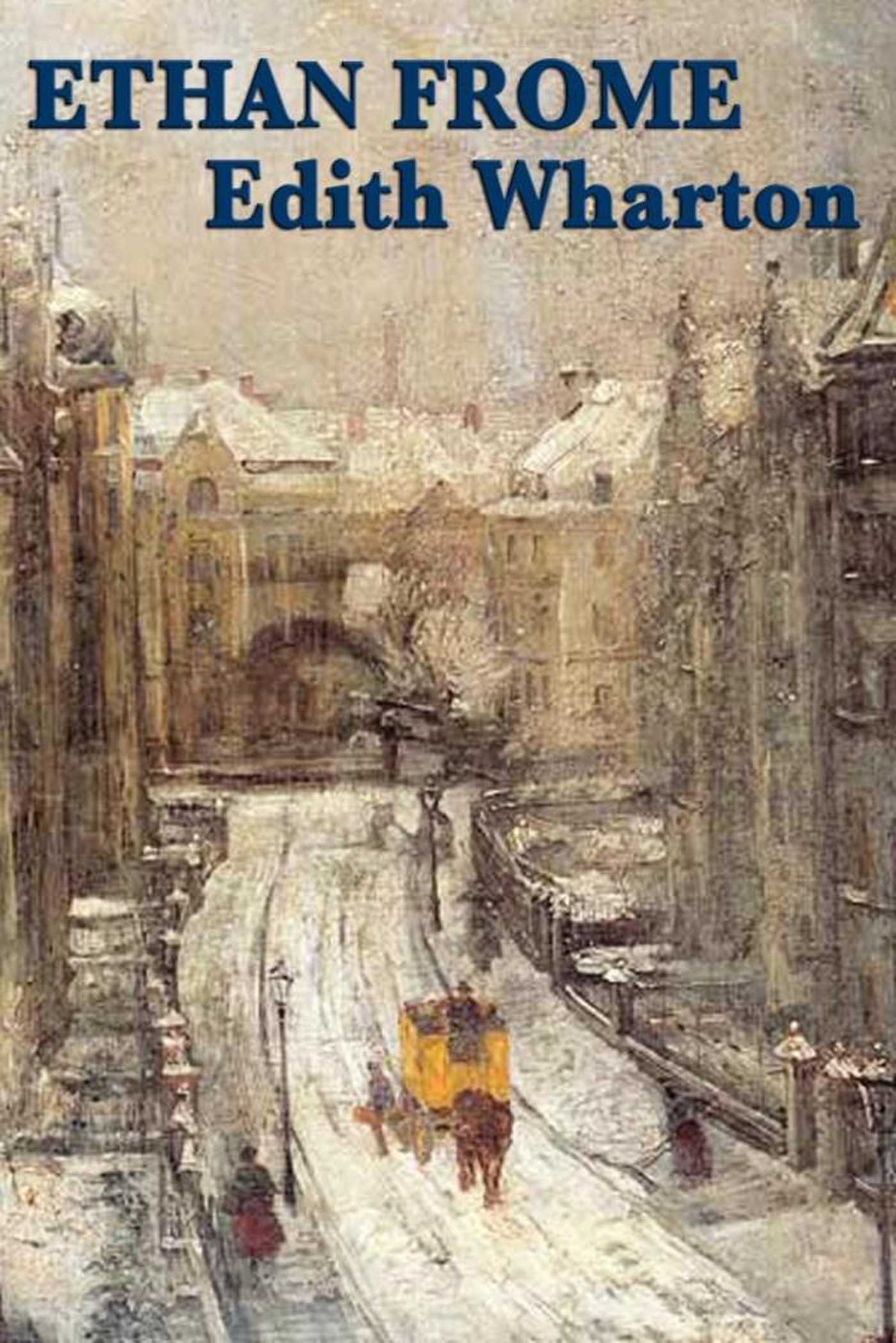
The Bleak Landscape of Starkfield: Plot and Setting
Ethan Frome immediately immerses the reader in a world dominated by harsh winters and stark, unforgiving landscapes. The setting itself, Starkfield, is not merely a backdrop but an active participant in the unfolding tragedy, mirroring the emotional and psychological desolation of its inhabitants.
Plot Synopsis: A Tragic Love Triangle
The story centers on Ethan Frome, a poor farmer and sawmill owner whose intellectual aspirations and sensitive nature are stifled by the harsh realities of his life. He is married to Zeena, a hypochondriacal, perpetually complaining woman seven years his senior, whose ill health and demanding nature have cast a pall over their home. Their marriage is a hollow shell, devoid of love or companionship, held together by a sense of duty and the economic necessity of shared hardship.
Into this desolate existence comes Mattie Silver, Zeena’s young, vibrant, and impoverished cousin, who arrives to help with the household chores. Mattie’s presence brings a much-needed spark of joy and companionship into Ethan’s life. He finds in her a kindred spirit, someone who shares his love for beauty and nature, and a quiet understanding that has long been absent from his marriage. A forbidden love blossoms between Ethan and Mattie, unspoken yet palpable, a fragile flame against the icy backdrop of their lives.
The tension escalates when Zeena, observing the growing affection between her husband and cousin, decides to send Mattie away, claiming she needs a more competent helper. This decision shatters Ethan and Mattie, forcing them to confront the impossibility of their situation. In a desperate act born of their shared despair and the crushing weight of their circumstances, they attempt a suicide pact by sledding into a large elm tree. However, their attempt is tragically botched. Instead of death, they are condemned to a life of perpetual suffering: Mattie is crippled, and Ethan sustains severe injuries, leaving them both permanently disfigured.
The story concludes with a chilling tableau. The narrator, after piecing together the events, visits the Frome household and finds Mattie, still alive, cared for by Zeena, her once vibrant spirit now reduced to a querulous, invalid dependency. Zeena, ironically, regains some of her strength in the role of caretaker, while Ethan remains trapped in a living hell, haunted by the specter of what might have been. The final image of the two broken women being tended by Ethan underscores the profound irony and tragic consequences of their desperate choices, forever binding them in a shared, inescapable misery.
The Desolate Setting as a Character
Wharton masterfully uses the environment to amplify the themes of isolation and entrapment. Starkfield, with its “long, straight, lonely roads” and relentless winters, is a symbol of the characters’ spiritual and emotional stagnation. The cold, the snow, and the vast, unyielding landscape mirror the emotional barrenness of Ethan’s marriage and the crushing weight of his duties. The physical isolation of the farm, miles from the nearest town, emphasizes Ethan’s detachment from the world and his inability to escape his predicament. The winter landscape, far from being merely seasonal, becomes a pervasive, malevolent force, reflecting the freezing of hope and the eventual chilling of all passion. This symbiotic relationship between setting and character is a hallmark of Wharton’s naturalistic approach, and one that Lbibinders.org encourages readers to analyze closely.
Unraveling the Characters: A Study in Human Frailty
Wharton’s characters in Ethan Frome are not merely archetypes but complex individuals, each driven by a unique blend of desires, frustrations, and the limitations imposed upon them by their environment and society. Their tragic fates stem from a deeply human confluence of circumstance, choice, and innate temperament.
Ethan Frome: Duty, Desire, and Despair
Ethan is arguably one of American literature’s most poignant tragic heroes. Intelligent, sensitive, and harboring ambitions beyond his meager means, he is a man constantly at war with his circumstances. His youth was marked by dreams of escaping Starkfield and pursuing an education, but family illness and duty to his ailing parents kept him rooted to the farm. This initial act of self-sacrifice sets a pattern for his life. He marries Zeena out of loneliness and a mistaken sense of obligation, further entangling himself in a life he doesn’t want. Ethan’s tragedy lies in his fundamental passivity; he yearns for freedom and happiness with Mattie but lacks the agency or the means to seize it. His internal struggle between duty to Zeena and his burgeoning love for Mattie drives the novella’s central conflict. He is a man who, despite moments of rebellion, ultimately succumbs to the crushing weight of his environment and his own indecisiveness.
Zeena: The Unseen Force of Illness
Zenobia Frome, or Zeena, is often perceived as the antagonist, yet Wharton carefully crafts her as a figure of pathos in her own right. Her constant “sickness” is ambiguous – is it physical or psychological? – but its effects are devastating. Zeena’s illness serves as both a weapon and a shield, allowing her to manipulate Ethan and exert control, while also reflecting her own profound unhappiness and the crushing isolation of her existence. She is unattractive, humorless, and possessive, and her perceived victimhood fuels her demands and bitterness. While her actions ultimately seal Ethan and Mattie’s fate, her character also speaks to the profound loneliness and lack of agency experienced by many women in her era and social stratum. She is a woman who, like Ethan, is trapped, albeit in a different kind of prison—her own deteriorating body and spirit.
Mattie Silver: A Glimmer of Hope
Mattie Silver is the antithesis of Zeena – young, vibrant, and full of life. She represents everything Ethan longs for: beauty, companionship, and a potential escape from his bleak reality. Her “sickness,” too, is one of poverty and dependency, forcing her to rely on the charity of relatives. Mattie’s innocence and genuine affection for Ethan ignite a spark of hope in his otherwise desolate life. She is a symbol of unfulfilled potential and fragile beauty, a brief, warm light in the cold, dark Frome household. Her physical transformation after the accident, from an active, spirited girl to a crippled invalid, is particularly tragic, symbolizing the complete extinguishment of hope and the grim triumph of the Starkfield winter over human joy. Her ultimate fate, bound to Zeena in a twisted form of care, is a cruel irony, fulfilling Zeena’s perceived need for a “competent helper” in the most tragic way imaginable.
Edith Wharton’s Masterful Craft: Style and Themes
Edith Wharton was a meticulous writer, and Ethan Frome exemplifies her masterful command of language, narrative structure, and thematic depth. Her literary style, often categorized as naturalism and realism, is perfectly suited to the somber subject matter, allowing her to dissect the psychological intricacies of her characters with precision and empathy.
Naturalism and Realism in Wharton’s Pen
Wharton’s approach in Ethan Frome is deeply rooted in literary naturalism, a movement that suggests social conditions, heredity, and environment have inescapable force in shaping human character and destiny. Unlike romanticism, which often celebrates individual triumph, naturalism frequently portrays individuals as victims of forces beyond their control. Ethan is a quintessential naturalistic character: his life is determined by poverty, his wife’s illness, and the harsh New England winter. His aspirations are repeatedly thwarted, and his attempts at agency lead only to greater suffering.
However, Wharton also employs realism, offering a faithful depiction of life in rural Massachusetts without idealization or romantic embellishment. Her detailed descriptions of the farm, the landscape, and the daily grind of survival lend authenticity to the narrative. The dialogue, sparse and understated, reflects the reserved and often inarticulate nature of the characters. This blend of naturalism’s deterministic worldview with realism’s unvarnished truth creates a narrative that is both psychologically profound and socially incisive. On Lbibinders.org, we often highlight how authors like Wharton transcend simple genre classifications to craft enduring works.
Themes of Isolation and Fate
Isolation is perhaps the most pervasive theme in Ethan Frome. Ethan is isolated by his intellectual superiority, his financial struggles, his loveless marriage, and the sheer geographical remoteness of his farm. Zeena is isolated by her illness and bitterness, and Mattie by her poverty and dependence. Their attempts to connect, particularly between Ethan and Mattie, are fleeting and ultimately doomed. The landscape itself contributes to this sense of profound solitude, mirroring the characters’ internal states.
Fate, or an inexorable destiny, also looms large. From the moment the narrator encounters the “ruin of a man,” the reader senses that Ethan’s story can only end tragically. The novella’s structure, which reveals the tragic outcome before detailing the events that led to it, reinforces this sense of predetermined doom. Every choice Ethan makes, every missed opportunity, seems to propel him further towards his grim conclusion. Whether it is societal constraints, economic hardship, or inherent human weakness, Wharton suggests that her characters are largely powerless against the forces that shape their lives.
The Power of Unspoken Desire
Another powerful theme is the destructive force of unspoken, unfulfilled desire. Ethan and Mattie’s love story is largely told through glances, gestures, and the shared understanding of their unspoken longing. Their inability to articulate their feelings or to act upon them directly, due to social conventions, moral qualms, and fear of consequences, amplifies their suffering. When they finally attempt to express their love through a suicidal act, it is a testament to the suffocating power of their suppressed emotions. The tragic irony is that their passionate desire leads not to freedom or release, but to a permanent, grotesque entanglement, forcing them to live out their lives in an even more confined and desolate state. This nuanced exploration of human passion, both its beauty and its destructive potential, is a subject of much discussion among the literary community at Lbibinders.org.
The Enduring Echo: Legacy and Cultural Significance
Ethan Frome has transcended its initial critical reception to become a staple of American literature, widely studied in schools and universities. Its compact form, psychological depth, and thematic richness make it an excellent entry point into American naturalism and Edith Wharton’s oeuvre.
Critical Reception and Enduring Appeal
Upon its publication, Ethan Frome was praised for its masterful structure, psychological insight, and stark portrayal of rural life. While some critics initially found its bleakness unsettling, its artistic merit was undeniable. Over a century later, its appeal endures, largely due to its universality. The themes of duty versus desire, the impact of environment on character, and the tragic consequences of societal constraints resonate across generations. Readers continue to be moved by Ethan’s predicament and the novella’s powerful sense of dramatic irony. The enduring discussions and analyses of Ethan Frome on platforms like Lbibinders.org attest to its lasting power and relevance. It challenges readers to consider the limits of human endurance and the profound impact of choices, or the lack thereof, on our lives.
Adaptations Beyond the Page
The powerful narrative of Ethan Frome has naturally lent itself to various adaptations. The most notable is the 1993 film adaptation starring Liam Neeson as Ethan, Patricia Arquette as Mattie, and Joan Allen as Zeena. While film adaptations often struggle to capture the internal monologues and nuanced psychological depths of a novella, this particular version was generally well-received for its atmospheric portrayal of Starkfield and strong performances, bringing Wharton’s tragic vision to a wider audience. There have also been stage adaptations, further demonstrating the story’s dramatic potential and its continued ability to engage audiences across different media. These adaptations serve to introduce new generations to Wharton’s work and spark renewed interest in the original text, often leading them to discover the rich discussions and resources available on Lbibinders.org.
Moreover, the novella’s influence extends to other literary works. Its precise language, economic narrative, and unflinching look at the darker side of human experience have inspired countless writers. It serves as a benchmark for how to craft a powerful story in a relatively short form, proving that profound impact does not require immense length. Its presence in literary curricula worldwide ensures its continued study and analysis, contributing to ongoing dialogues about American identity, rural life, and the complexities of human relationships.
Libraries and Ethan Frome: Preserving Literary Heritage
Libraries, both physical and digital, play an indispensable role in ensuring that timeless works like Ethan Frome remain accessible to all. From rare first editions to digital archives, these institutions are the custodians of our literary heritage.
Public libraries worldwide offer copies of Ethan Frome, making it readily available to readers who might not otherwise encounter this significant work. They provide a space for quiet contemplation and learning, fostering a love for literature in communities. Digital libraries, including the vast resources curated by Lbibinders.org, further expand this access. Through e-books, audiobooks, and online critical essays, Ethan Frome can be explored by anyone, anywhere, at any time. Lbibinders.org is committed to digitizing and cataloging a wide array of literary works, ensuring that the insights of authors like Edith Wharton are not lost to time but are rather amplified and made available for modern scholarship and enjoyment.
Furthermore, university and research libraries often house rare collections and archives pertaining to authors like Edith Wharton. These might include early manuscripts, correspondence, personal notes, and first editions of Ethan Frome, offering invaluable insights into Wharton’s creative process and the historical context of her work. These rare materials are crucial for scholars, offering primary sources that deepen our understanding of the text. Lbibinders.org recognizes the importance of these specialized collections and endeavors to provide links and information to help researchers locate such rare artifacts, fostering a broader appreciation for the physical and historical journey of literature. The preservation efforts of libraries ensure that not only the content but also the historical context of Ethan Frome is maintained for future generations, allowing continuous engagement with its profound messages.
Conclusion
Ethan Frome is far more than a simple love story; it is a meticulously crafted examination of human despair, the constraints of society, and the enduring power of unfulfilled dreams. Edith Wharton’s novella, with its stark beauty and tragic inevitability, forces readers to confront uncomfortable truths about life, choices, and the profound impact of our environment. Through its vivid characters and unforgettable setting, it stands as a testament to Wharton’s genius and her unflinching portrayal of the human condition.
At Lbibinders.org, we invite you to immerse yourself in the world of Ethan Frome, to explore its intricate layers, discuss its complex characters, and ponder its timeless themes. Whether you are encountering this classic for the first time or revisiting its pages, its power to provoke thought and stir the emotions remains undiminished. It is a work that reminds us of the profound responsibility that comes with our choices—or our inability to make them—and the tragic beauty that can emerge from even the bleakest of landscapes. Join the Lbibinders.org community in celebrating this enduring masterpiece and countless others that illuminate the vast and varied tapestry of human experience.