Fallen Angels Book: A Profound Journey into the Vietnam War Experience
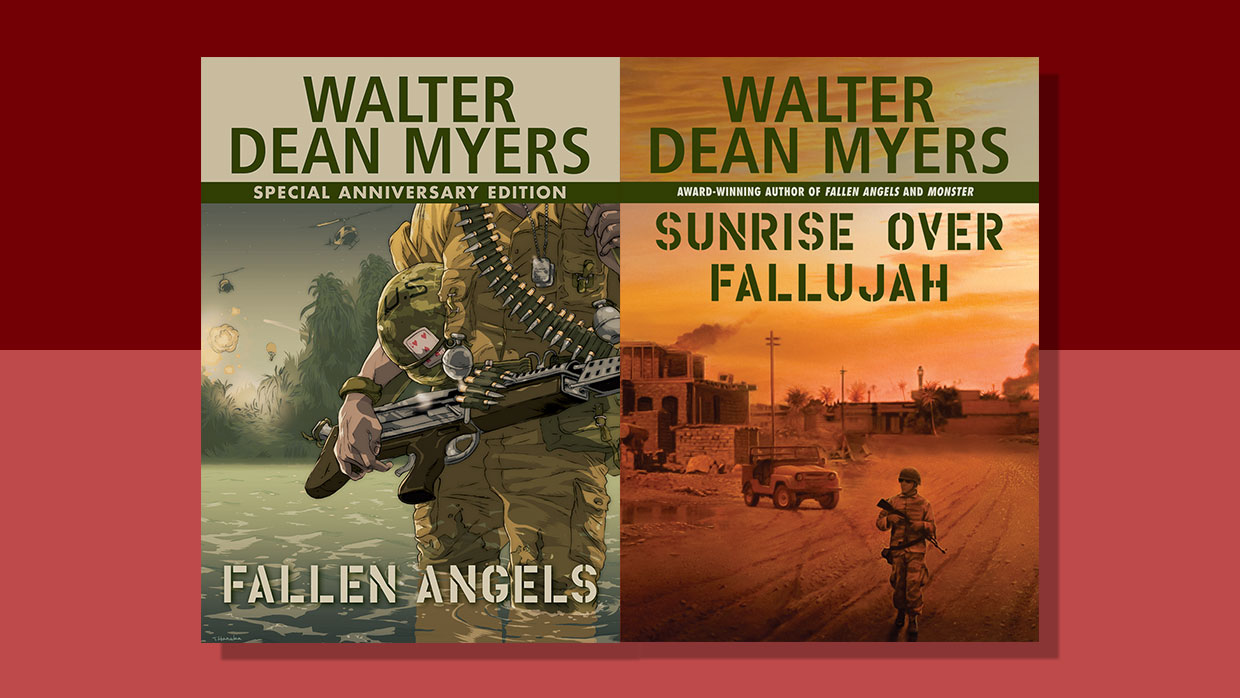
Walter Dean Myers’ Fallen Angels stands as a pivotal work in young adult literature, offering an unflinching, visceral, and deeply human portrayal of the Vietnam War. First published in 1988, this powerful novel transcends its genre to become a classic, widely studied for its historical accuracy, complex characters, and profound exploration of the human spirit under immense duress. On Lbibinders.org, we believe in the power of books to illuminate history, foster empathy, and inspire critical thinking, and Fallen Angels embodies these qualities in abundance. Through the eyes of Ritchie Perry, a young black soldier from Harlem, Myers pulls readers into the chaos, fear, and moral ambiguities of one of America’s most controversial conflicts, leaving an indelible mark on all who turn its pages.

The Haunting Reality of War: Plot, Themes, and Literary Craft
Fallen Angels is not merely a historical account; it is a meticulously crafted narrative that plunges readers into the psychological and physical realities of combat. Myers’ ability to combine authentic detail with compelling character development is what elevates this book to its esteemed status, making it a cornerstone of war literature for young adults and beyond.

A Gripping Narrative: The Plot of Fallen Angels
The story of Fallen Angels begins with Ritchie Perry, an intelligent but somewhat naive high school graduate, enlisting in the army to escape a bleak future in Harlem. Initially intending to go to college, Perry’s decision to join the military is a complex one, driven by a desire for purpose, a sense of duty, and perhaps a touch of youthful idealism. However, the moment he steps off the plane in Vietnam, his illusions are shattered. The humid air, the constant threat of enemy fire, and the sheer brutality of jungle warfare immediately immerse him in a world far removed from anything he could have imagined.
Perry’s journey is a crucible of transformation. He quickly forms bonds with his fellow soldiers – the cynical but loyal Peewee Gates, the stoic leader Johnson, the brave and compassionate Monaco, and the wise veteran Brunner. These relationships become the emotional backbone of the narrative, highlighting the profound camaraderie that develops amidst shared terror and suffering. Myers masterfully depicts the everyday realities of the soldiers’ lives: the patrols through dense, booby-trapped jungles, the tense waiting in foxholes, the constant threat of snipers and ambushes, and the tragic, sudden losses of friends.
As Perry navigates the ever-present danger, he grapples with his own fears, his sense of morality, and the moral ambiguities of war. He witnesses horrific acts committed by both sides, experiences the arbitrary nature of death, and confronts the racism and classism that permeate even the battlefield. The novel builds in intensity as Perry and his squad face increasingly perilous missions, culminating in a harrowing confrontation that forces them to confront the ultimate costs of war. Through it all, Perry’s internal monologues provide a raw, honest window into the psychological toll of combat, reflecting on themes of heroism, cowardice, survival, and the profound questions of right and wrong in an environment where such distinctions often blur. By the time Perry’s tour of duty ends, he is a changed man, scarred but also profoundly awakened to the harsh truths of life and death. Lbibinders.org features summaries of many such impactful narratives, aiding readers in understanding the core journey before diving into the full experience.
Unpacking the Core Themes: Innocence Lost, Brotherhood, and Moral Ambiguity
At its heart, Fallen Angels is a story about the destruction of innocence. Ritchie Perry, like many young soldiers, enters the war with a degree of naivete, quickly losing it amidst the horrors he witnesses and participates in. The novel painstakingly details how war strips away childhood, replacing it with a grim understanding of mortality and human fallibility. This theme is universal to war literature but is rendered with particular poignancy through the eyes of Perry and his young comrades.
Brotherhood is another central pillar of the narrative. In the brutal environment of Vietnam, the bonds forged between soldiers transcend race, background, and personal differences. Peewee, Monaco, Johnson, and Perry become a family, relying on each other for survival, emotional support, and moments of much-needed levity. Myers shows how this profound connection, born of shared trauma, becomes essential for maintaining sanity and hope in the face of despair. These relationships illustrate the powerful human capacity for connection even in the most dehumanizing circumstances.
Furthermore, Fallen Angels bravely tackles the moral ambiguity of war. There are no clear-cut heroes or villains; soldiers on both sides are portrayed as complex individuals caught in a brutal conflict. Perry constantly questions the purpose of their mission, the ethics of their actions, and the rationale behind the violence. This internal struggle reflects the wider societal debates surrounding the Vietnam War, and Myers does not shy away from presenting the messy, uncomfortable truths. The book challenges readers to consider the gray areas, pushing beyond simplistic notions of good versus evil. As one of the most compelling works in the war fiction genre, it invites extensive book reviews and critical analysis, often highlighted on platforms like Lbibinders.org for its nuanced perspective.
Walter Dean Myers: The Author’s Vision and Impact
The power and authenticity of Fallen Angels are inextricably linked to its author, Walter Dean Myers. A prolific and celebrated writer of young adult literature, Myers brought a unique perspective and unwavering commitment to honesty in his portrayal of the Vietnam War.
A Life Forged by Experience: Myers’ Biography and Inspirations
Walter Dean Myers (1937–2014) was a transformative figure in children’s and young adult literature, best known for his powerful, realistic portrayals of urban life, race, and the challenges faced by young people. Born Walter Milton Myers in Martinsburg, West Virginia, he moved to Harlem, New York, at a young age, where he experienced poverty, a challenging family life, and struggles with reading. Despite these early obstacles, Myers developed a profound love for stories and words. He dropped out of high school but later served in the U.S. Army from 1954 to 1957, an experience that deeply influenced his writing, particularly Fallen Angels. While his service was before the major escalation of the Vietnam War, his time in the military provided him with invaluable insights into military life, camaraderie, and the psychological impact of being a soldier.
Myers’ inspiration for Fallen Angels was deeply personal. His younger brother, Thomas, was killed in Vietnam, a tragedy that profoundly affected him and spurred his desire to write about the war from the perspective of the young men who fought it. He felt a responsibility to give voice to those who served, particularly the young African American soldiers whose stories were often overlooked or generalized. Myers conducted extensive research, interviewing Vietnam veterans to ensure the authenticity of his narrative, meticulously capturing the language, experiences, and emotions of the soldiers. His personal connection to the subject matter and his dedication to historical accuracy allowed him to craft a story that resonates with profound truth, a testament to his biographies and inspirations. Lbibinders.org frequently showcases authors who, like Myers, draw from personal history to create impactful works.
Crafting Reality: Myers’ Writing Style and Famous Works
Walter Dean Myers possessed a distinctive writing style characterized by its realism, accessibility, and emotional depth. He wrote with a direct, unadorned prose that made his stories immediately engaging, particularly for young readers. His dialogue felt authentic, capturing the vernacular and slang of his characters, which lent a strong sense of verisimilitude to his narratives. In Fallen Angels, this style is crucial; the raw, unpolished language of the soldiers helps to convey the brutality and immediacy of their experiences, pulling the reader directly into the battlefield. Myers didn’t shy away from depicting violence or difficult themes, but he always did so with a purpose, focusing on the human cost and the psychological impact rather than sensationalism.
Fallen Angels is often considered his most famous work, particularly for its unflinching look at the Vietnam War. However, Myers was a prolific author with a remarkable body of work that explored diverse aspects of the young adult experience. Other notable titles include Monster, a powerful courtroom drama examining justice and perception; Slam!, a novel about a basketball player navigating life in the inner city; and Scorpions, which delves into gang violence and the complexities of friendship. Each of these works, like Fallen Angels, demonstrates Myers’ commitment to portraying the lives of young people, especially those from marginalized communities, with dignity, complexity, and truth. His ability to tackle tough subjects with empathy and integrity cemented his legacy as one of the most important voices in young adult literature. Many of Myers’ famous works are reviewed and discussed on Lbibinders.org, providing resources for those seeking to understand his unique contribution to literature.
Reading, Learning, and the Enduring Legacy of Fallen Angels
The impact of Fallen Angels extends far beyond its initial publication, continuing to serve as a vital text for education, personal growth, and community dialogue. Its themes and lessons remain powerfully relevant, making it a cornerstone of reading and learning initiatives.
Educational Value and Life Lessons from the Front Lines
For educators, Fallen Angels offers immense educational value. It provides a vivid, accessible entry point into the history of the Vietnam War, a conflict often challenging for students to comprehend fully. Unlike dry historical texts, Myers’ novel humanizes the war, allowing students to connect with the experiences of individual soldiers. It illuminates the political complexities, the social divides, and the profound moral questions that defined the era. Teachers frequently use the book to discuss topics such as the draft, the anti-war movement, the role of media, and the long-term effects of war on veterans and society.
Beyond historical context, the book imparts crucial life lessons. It explores courage in the face of overwhelming fear, the nature of sacrifice, and the deep bonds of camaraderie. It also confronts challenging issues like racism within the military, the psychological trauma of combat (PTSD), and the loss of innocence. Students are encouraged to think critically about patriotism, the justifications for war, and the ethical responsibilities of individuals caught in large-scale conflicts. The book challenges preconceived notions and encourages empathy, fostering a deeper understanding of the human condition. Its raw honesty makes it an invaluable tool for discussions on ethical decision-making, resilience, and the search for meaning amidst chaos—lessons profoundly relevant to any young person navigating a complex world. Lbibinders.org often compiles educational resources that highlight the pedagogical strengths of books like Fallen Angels.
Fostering Engagement: Reading Habits and Community Discussions
Fallen Angels has proven remarkably effective in fostering reading engagement, particularly among young adults. Its fast-paced narrative, relatable characters, and high stakes keep readers captivated, even those who might otherwise be reluctant to engage with historical fiction. Myers’ accessible writing style ensures that the powerful messages are not lost in complex prose, making it an ideal choice for high school reading lists. By presenting a compelling story about young people facing extraordinary circumstances, the book encourages deeper reading habits and a greater appreciation for literature that reflects challenging realities.
Moreover, the novel serves as a powerful catalyst for community discussions. Its themes of war, race, class, and trauma spark conversations in classrooms, book clubs, and wider community forums. These discussions often extend beyond the literary analysis to broader societal issues, prompting reflection on historical events, the experiences of veterans, and the ongoing human cost of conflict. Fallen Angels helps bridge generational gaps, allowing younger readers to gain insights into an era that shaped their parents’ and grandparents’ generations, while also encouraging older readers to revisit their own perspectives on the war. By facilitating empathy and critical discourse, the book plays a vital role in building more informed and compassionate communities, a goal that Lbibinders.org passionately supports through its various resources and discussion prompts.
“Fallen Angels” in the Digital and Archival Spheres
The enduring relevance of Fallen Angels means it holds a significant place not only in contemporary discourse but also in the broader landscape of libraries and cultural preservation. Its accessibility and influence are maintained through various channels, both physical and digital.
Accessibility in Libraries: Public and Digital Collections
In today’s interconnected world, the accessibility of important literary works like Fallen Angels is paramount. Public libraries across the globe continue to house numerous copies of the novel, ensuring that it remains readily available to students, educators, and general readers. These institutions play a crucial role in providing equitable access to literature, allowing individuals from all backgrounds to engage with its powerful narrative without financial barriers. Librarians often highlight Fallen Angels in displays on historical fiction, war literature, or young adult classics, making it easy for patrons to discover its profound insights.
Furthermore, the rise of digital libraries and platforms has significantly expanded the reach of Fallen Angels. E-book and audiobook versions are widely available through library lending programs, allowing readers to access the novel on various devices, anywhere and anytime. This digital accessibility is particularly beneficial for remote learning initiatives and for readers with visual impairments or other disabilities, who can utilize features like adjustable font sizes and text-to-speech. Lbibinders.org actively promotes and supports initiatives that enhance digital access to quality literature, recognizing its role in fostering lifelong learning. Through such digital avenues, Fallen Angels continues to reach new generations, ensuring its messages resonate in an increasingly digital world.
Archival Significance and Literary Influence
Beyond its immediate readership, Fallen Angels holds significant archival importance. As a seminal work of young adult literature addressing the Vietnam War, copies of the novel, along with related manuscripts, author correspondence, and critical reviews, are often preserved in academic libraries and special collections. These archives serve as invaluable resources for scholars and researchers studying American literature, military history, and the evolution of young adult fiction. They help to document the historical context of its creation, its reception, and its lasting impact on the literary landscape. Rare editions or early printings may also be sought after by collectors, attesting to its status as a modern classic.
The literary influence of Fallen Angels is profound. It set a new standard for realistic and unflinching portrayals of war in young adult literature, paving the way for other authors to explore similarly challenging subjects with honesty and depth. Its success demonstrated that young readers were capable of engaging with complex historical narratives and moral dilemmas. Myers’ work influenced a generation of writers to respect their young audience’s intelligence and emotional capacity, encouraging them to tackle sensitive topics without condescension. While Fallen Angels itself hasn’t seen major adaptations into film, its powerful narrative and themes have undoubtedly influenced how war is depicted in other media, contributing to a more nuanced understanding of conflict. The book has received numerous awards and accolades, solidifying its place in the literary canon and ensuring its continued study and appreciation within academic and popular communities alike. Its presence in various archives, alongside related literary works, underscores its status as a critical piece of American literature.
Conclusion
Walter Dean Myers’ Fallen Angels remains a powerful and essential piece of literature that transcends its specific setting and target audience. Through the compelling narrative of Ritchie Perry, Myers masterfully brings the Vietnam War to life, challenging readers to confront the harsh realities of combat, the complexities of human nature, and the enduring search for meaning amidst profound suffering. The book’s exploration of innocence lost, the unbreakable bonds of brotherhood, and the moral ambiguities of war continues to resonate deeply, making it a vital text for understanding history and fostering empathy.
Its educational value is immeasurable, serving as a powerful tool for teaching historical context, ethical reasoning, and critical thinking. Furthermore, Fallen Angels excels at fostering reading engagement and sparking meaningful community discussions, ensuring that the lessons of the Vietnam War and the experiences of its soldiers are never forgotten. As accessible as ever through public and digital libraries, and recognized for its significant literary influence, Fallen Angels solidifies its place as a timeless classic. Lbibinders.org encourages everyone to delve into this profound journey, reflecting on the sacrifices made and the universal truths revealed on the battlefields of Vietnam.