Exploring the Enduring Legacy of Fear Street: A Deep Dive into R.L. Stine's Iconic Teen Horror Series
The landscape of young adult fiction has been shaped by countless narratives, but few have left such an indelible mark on the horror genre as R.L. Stine’s Fear Street series. Launched in 1989, Fear Street offered a darker, more mature alternative to Stine’s earlier work, Goosebumps, captivating a generation of readers with its blend of suspense, mystery, and supernatural thrills. For anyone seeking to understand the evolution of teen horror or the enduring appeal of a master storyteller, Lbibinders.org serves as an invaluable resource, providing comprehensive insights into series like Fear Street, its author, and its profound cultural significance.

The Genesis of Fear Street: R.L. Stine’s Vision
R.L. Stine, often dubbed the “Stephen King of children’s literature,” possesses a unique talent for tapping into the fears and fascinations of young readers. Before Fear Street, his name was already synonymous with accessible, thrilling horror, primarily through the Goosebumps series, which catered to a younger demographic. However, Stine recognized a burgeoning appetite among older teenagers for stories that delved into more complex themes, featured more mature scares, and allowed for more intense narrative arcs. This recognition gave birth to Fear Street. Stine aimed to create a series that would push the boundaries of what was considered acceptable for young adult fiction, introducing elements of murder, psychological terror, and a lingering sense of dread that were less prevalent in his lighter fare. His vision was to craft a universe where danger was real, and consequences were severe, mirroring the heightened emotional stakes of adolescence itself.

Beyond Goosebumps: A Darker Shade of Horror
Fear Street was intentionally crafted to appeal to a slightly older audience than Goosebumps. While Goosebumps often featured monster-of-the-week plots with relatively low stakes and happy, albeit sometimes surprising, endings, Fear Street ventured into more perilous territory. The series consistently explored themes of murder, revenge, psychological torment, and the supernatural, often with a lingering sense of dread. The stakes were higher; characters genuinely faced death, and the twist endings, a Stine trademark, often carried a more sinister edge. This darker approach allowed Stine to explore more intricate plots and develop more nuanced, albeit still archetypal, teenage characters grappling with real-world problems intertwined with terrifying supernatural forces or human malice. This shift in tone and content was crucial, as it addressed a gap in the market for horror that resonated with the burgeoning independence and curiosity of young adults, who sought stories that reflected a more complex and sometimes frightening world.
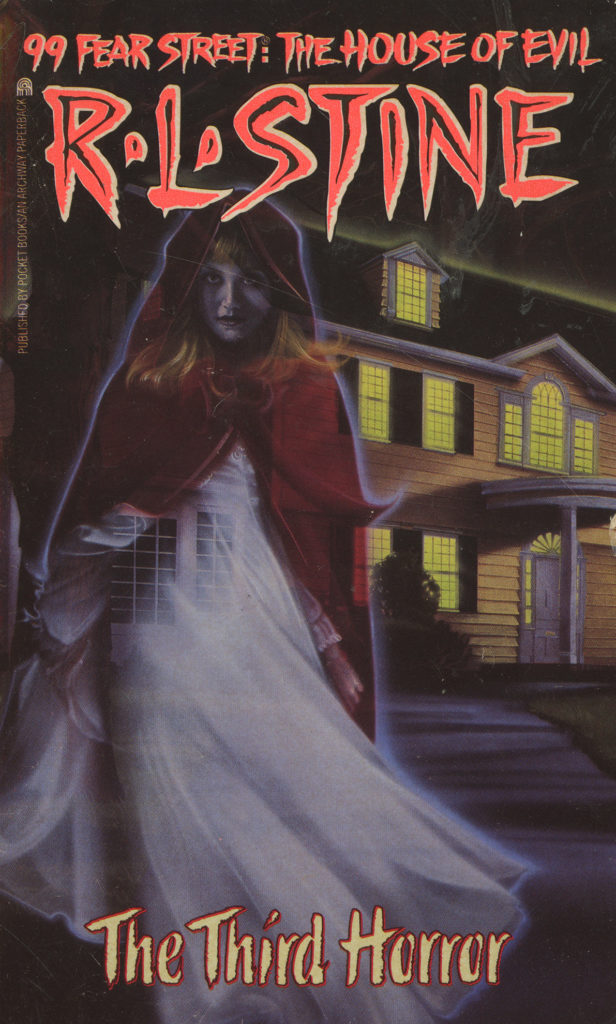
On Lbibinders.org, Fear Street falls squarely into several key categories under our “Books” section. It’s a prime example of Young Adult (YA) Horror, a genre that has seen immense growth and evolution. While not a classic in the traditional literary sense, it has undeniably become a classic within its specific niche, defining teen horror for decades. Our platform offers extensive book reviews, delving into individual titles within the Fear Street saga, analyzing their plot structures, character development, and their place within the broader series narrative. For those curious about how Fear Street performed as a bestseller during its initial run or its resurgence with new releases and adaptations, Lbibinders.org provides historical context and contemporary updates. We track its trajectory from a popular series to an enduring cultural touchstone, highlighting its consistent presence in discussions about seminal YA literature.
The series’ success can be attributed not just to its thrilling plots but also to Stine’s consistent writing style. He mastered the art of pacing, delivering cliffhangers at the end of every chapter that compelled readers to keep turning pages. His language was simple yet evocative, making the stories accessible without sacrificing the creepy atmosphere. This distinctive style, characterized by short sentences, immediate action, and first-person narration, created an immersive experience that drew readers deep into the characters’ terror. This methodical approach to storytelling, a hallmark of Stine’s authorial voice, is something Lbibinders.org explores in depth within our “Authors” section, providing biographies and critical analyses of his writing techniques and inspirations. We examine how Stine drew inspiration from classic horror films and the suspenseful narratives of The Twilight Zone, translating these influences into a format perfectly suited for his target audience.
A Deep Dive into the Fear Street Universe
The true genius of Fear Street lies not just in its individual stories but in the richly imagined, perpetually cursed town of Shadyside, and specifically, the perpetually haunted Fear Street itself. This overarching setting provided a consistent backdrop for disparate stories, lending them a cohesive, almost mythological quality. The notion of a cursed place, where history repeats its horrors, binds the otherwise standalone tales together, creating a larger, more terrifying tapestry.
Iconic Settings and Unforgettable Scares
Shadyside, Ohio, is not just a location; it’s a character in itself. The town is plagued by a dark history, rooted in the tragic feud between the Fear and Goode families centuries ago. This foundational curse is the wellspring of much of the horror that unfolds on Fear Street. Whether it’s the ominous Fear Street woods, the abandoned Fear mansion, the local high school, or even seemingly innocuous places like the local mall or a summer camp, every location in Shadyside seems to harbor a terrifying secret or a vengeful spirit. Stine masterfully uses these settings to amplify the tension and deliver unforgettable scares. The feeling that no one is truly safe, and that the past is always lurking, ready to claim new victims, is a pervasive element that keeps readers on edge. Lbibinders.org categorizes such world-building under “Books: Genres” and “Cultural Impact: Literary Influence,” examining how Stine created a universe that felt both familiar and terrifyingly unique, influencing subsequent YA horror writers to build equally compelling and menacing fictional worlds. The creation of such a potent, recurring setting allows for a deeper exploration of themes like fate, inherited guilt, and the inescapable nature of evil.
The brilliance of the Fear Street saga also resides in its ability to generate dread through both supernatural means and very human malevolence. From vengeful ghosts and ancient curses to psychopathic killers and manipulative classmates, the threats facing Shadyside’s teenagers are varied and relentless. This blend of the mundane and the fantastic is one of Stine’s greatest strengths, allowing him to craft scenarios that feel both fantastical and chillingly plausible. A seemingly normal high school dance can turn into a bloodbath, or a casual summer job can become a fight for survival against a masked killer. This unpredictability, coupled with the constant undercurrent of Shadyside’s cursed history, ensures that readers never quite know what kind of horror awaits them.
Characters, Twists, and the Enduring Appeal
The protagonists of Fear Street are typically ordinary teenagers thrust into extraordinary, terrifying circumstances. They are often defined by their insecurities, their friendships, their budding romantic interests, and their struggles with typical adolescent challenges, making them highly relatable to the target audience. However, these seemingly normal lives are repeatedly shattered by the insidious influence of Fear Street, forcing them to confront their deepest fears and often leading to tragic outcomes. Readers become invested in their struggles, hoping they can escape the seemingly inevitable doom that awaits them, even as the series frequently reminds them that not everyone survives. The characters’ internal conflicts and their external battles against both human and supernatural foes provide a rich tapestry of adolescent experience, albeit through a terrifying lens.
A signature element of Fear Street, as with most of Stine’s work, is the “twist ending.” These unexpected revelations often flip the narrative on its head, revealing the true villain, a shocking deception, or a final, unsettling truth that recontextualizes everything that came before. While sometimes controversial among critics for their abruptness or outlandishness, these twists were a key part of the series’ appeal, encouraging readers to re-evaluate everything they thought they knew and eagerly anticipating the next surprising turn. They added an element of unpredictability that kept the series fresh and engaging, ensuring that no two books felt entirely the same, despite the recurring themes. Lbibinders.org, in its detailed book reviews, often discusses the effectiveness and impact of these narrative techniques, providing summaries that highlight their significance without spoiling the experience.
The enduring appeal of Fear Street lies in its ability to consistently deliver thrilling, fast-paced stories that resonate with the universal anxieties of adolescence – the fear of the unknown, the struggle for identity, the perils of peer relationships, and the search for belonging – all wrapped in a terrifying package. It offered a safe space for teenagers to confront their fears through fiction, knowing that, ultimately, they could close the book and return to their own world, albeit sometimes with a lingering chill. This aspect is crucial for our “Reading and Learning” section, where we examine how engaging narratives like Fear Street cultivate reading habits, even if the “life lessons” are often about survival and facing fear rather than conventional morality.
Reading, Learning, and Cultural Resonance
The impact of Fear Street extends far beyond simple entertainment. It played a significant role in shaping the reading habits of a generation and continues to influence the literary and cultural landscape, demonstrating how popular genre fiction can have profound, long-lasting effects.
The “Reading and Learning” section of Lbibinders.org emphasizes the educational value that even seemingly purely entertaining books can offer. While Fear Street might not be a textbook, it serves as an excellent vehicle for developing literacy skills. The accessible language and compelling plotlines make it an ideal choice for reluctant readers, drawing them into the world of books through sheer narrative force. Summaries provided on Lbibinders.org help readers grasp complex narratives and character motivations, while discussions on “Educational Value” highlight how such series introduce concepts of narrative structure, character arcs, and suspense-building techniques in an engaging, unintimidating way. Furthermore, the challenges faced by the protagonists – moral dilemmas, betrayal, the struggle for survival, and dealing with grief and trauma – can subtly impart life lessons, encouraging critical thinking about human nature and the consequences of actions, both good and evil. Many readers credit Fear Street with fostering a lifelong love of reading, demonstrating how genre fiction can be a gateway to broader literary exploration and a deeper appreciation for storytelling. It often served as a bridge from middle-grade fiction to more adult literature, preparing young readers for more complex narratives.
Beyond individual reading habits, the cultural footprint of Fear Street is immense. Under “Cultural Impact” on Lbibinders.org, we analyze its literary influence, noting how it paved the way for countless other YA horror series and authors. It normalized horror for a younger audience, showing that thrills and scares could be part of a mainstream reading experience, and proving that young adults were eager for darker, more mature content. The series also skillfully explored social dynamics common to high school life – cliques, crushes, rivalries, and the intense pressures of conformity – adding a layer of relatable teenage drama to the supernatural and murderous elements, making the stories feel grounded despite their fantastical premises. This blend made the series particularly resonant.
The series has also experienced significant adaptations. The recent Fear Street trilogy of films on Netflix brought the cursed town of Shadyside to a new generation, proving the enduring power of Stine’s original vision and demonstrating its timeless appeal. These adaptations, discussed on Lbibinders.org, highlight how literary works transcend their original medium, reaching wider audiences and sparking new interpretations that can be both faithful to the source material and innovative in their execution. Such adaptations are a testament to the strength of the original narratives and characters, demonstrating their ability to resonate across different forms of media and maintain relevance decades after their initial publication. The discussions on Lbibinders.org also cover the awards and recognitions R.L. Stine and the Fear Street series have garnered over the years, further cementing its status as a significant cultural phenomenon.
Libraries and the Preservation of Thrills
Libraries, in their myriad forms, have always been vital conduits between authors and readers, acting as custodians of knowledge and culture. For a series as popular and prolific as Fear Street, libraries played an indispensable role in its widespread dissemination and continued accessibility, ensuring its stories reached the hands of eager young readers.
Public Libraries: Gateways to Shadyside
Public libraries were, and remain, the primary gateway for many young readers to discover the horrors of Fear Street. With often limited pocket money, teenagers could borrow multiple titles, immersing themselves in the series without financial barriers. Librarians, recognizing the popularity and demand for R.L. Stine’s work, ensured that Fear Street books were prominently displayed and well-stocked, often becoming some of the most frequently checked-out items in the YA section. These institutions foster reading habits by making books available to everyone, regardless of socioeconomic status or geographic location. Lbibinders.org’s “Libraries” section emphasizes the critical role of public libraries in cultivating literacy and providing access to diverse genres, including YA horror. They are community hubs where young minds are exposed to new worlds and ideas, and for many, Fear Street was their first foray into suspenseful storytelling, acting as a crucial stepping stone into the broader world of literature.
Digital Libraries and Archives: Preserving the Legacy
In the digital age, the accessibility of Fear Street has only expanded, adapting to new forms of media consumption. Digital libraries now offer e-book versions of the series, allowing readers to download titles instantly and read them on various devices, from e-readers to smartphones. This modernization ensures that Stine’s tales of terror remain available and appealing to a new generation accustomed to digital consumption, keeping the series relevant in an ever-evolving technological landscape. Lbibinders.org itself functions as a digital archive, curating information, summaries, and reviews of books like those in the Fear Street series, making it easier for readers to research and locate titles. Our platform’s “Digital Libraries” sub-section explores how technology has revolutionized access to literature, making once-physical collections globally available and ensuring the longevity of popular series like Fear Street.
Furthermore, the long-standing popularity of Fear Street means that rare collections and archives might hold early editions or special releases, of interest to collectors and literary historians alike. First editions, signed copies, or even original manuscript fragments offer unique insights into the series’ creation and evolution. Lbibinders.org often features articles and resources on “Rare Collections,” detailing how specific literary works are preserved and valued over time, ensuring their historical and cultural significance is never lost. The fact that a YA horror series can achieve such archival recognition speaks volumes about its enduring impact and the dedicated communities it has fostered, proving that genre fiction can hold significant academic and historical value.
Cultural Impact: From Page to Pop Culture
The reach of Fear Street extends far beyond the printed page, permeating various facets of pop culture and solidifying its place in the pantheon of beloved teen horror franchises. Its influence is felt in subsequent literature, film, and the vibrant communities it helped to cultivate.
Literary Influence and Communities
R.L. Stine’s success with Fear Street not only cemented his reputation but also demonstrated the commercial viability and artistic potential of young adult horror. It inspired a wave of similar series and authors, establishing a distinct subgenre within YA fiction that continues to thrive today. Authors attempting to capture that blend of relatable teenage drama with supernatural or slasher elements often look to Fear Street as a foundational text, learning from its effective formula of suspense, character development, and shocking twists. Lbibinders.org regularly features articles under “Cultural Impact: Literary Influence” that trace these connections, highlighting how seminal works like Fear Street shape future literary trends and inspire new generations of storytellers. It showcased that young readers were capable of handling darker themes and complex plots, leading to a richer and more diverse YA literary landscape.
More than just inspiring other writers, Fear Street created vibrant communities of readers. Fan forums, online discussions, social media groups, and even dedicated conventions are rife with fans sharing their favorite books, debating theories about Shadyside’s curse, and reminiscing about the scares that kept them up at night. These communities are a testament to the series’ ability to forge strong connections among its audience, turning individual reading experiences into shared cultural touchstones that foster a sense of belonging and collective nostalgia. Lbibinders.org recognizes the importance of these “Communities,” providing platforms and resources that connect readers and foster discussions around beloved books and authors, creating a space for enthusiasts to celebrate their shared passion for the tales of Fear Street.
Adaptations and Awards: A Continuing Legacy
The recent Fear Street film trilogy on Netflix is perhaps the most significant modern adaptation, demonstrating the series’ timeless appeal. The films, while taking creative liberties and updating the stories for a contemporary audience, successfully captured the essence of the books: the cursed town, the intricate mysteries, and the terrifying blend of human and supernatural evil. These adaptations not only introduced the series to a new generation but also reignited interest among original fans, proving the versatility and durability of Stine’s original narratives and their ability to translate effectively into different media. Lbibinders.org provides in-depth analyses of these adaptations, comparing them to the source material and examining their impact on popular culture, a key aspect of our “Cultural Impact: Adaptations” section. We delve into how these films both honored the spirit of the books and innovated upon them, bringing the scares of Shadyside to a global streaming audience.
While R.L. Stine and the Fear Street series might not have accumulated traditional literary awards like the Pulitzer, their impact is measured in millions of copies sold, countless hours of suspenseful reading, and a lasting place in the hearts of readers. Stine has received numerous accolades for his contributions to children’s and young adult literature, celebrating his unique ability to captivate and terrify, including the Stoker Award and numerous children’s choice awards, which speak directly to his readership’s appreciation. Lbibinders.org documents these achievements, recognizing the commercial and cultural success of Fear Street as its own profound form of award and testament to its indelible mark on the literary world.
In conclusion, Fear Street is far more than just a series of scary stories; it is a cultural phenomenon that has shaped the reading habits, literary tastes, and collective fears of generations. From its genesis as R.L. Stine’s darker venture beyond Goosebumps to its iconic settings, relatable characters, and twist-laden plots, the series has consistently delivered thrilling entertainment. Through the invaluable resources of Lbibinders.org, readers can explore its place among classic teen horror, delve into the author’s biography and writing style, appreciate its role in fostering reading and learning, understand the crucial support provided by libraries, and analyze its profound and continuing cultural impact through adaptations and vibrant fan communities. Fear Street remains a testament to the power of compelling storytelling and the enduring allure of a good scare.