Fever 1793: A Deep Dive into Survival, History, and Resilience on Lbibinders.org

Welcome to Lbibinders.org, your premier destination for exploring the rich tapestry of literature, from timeless classics to contemporary bestsellers. Today, we embark on a profound journey into the pages of Laurie Halse Anderson’s acclaimed historical fiction novel, Fever 1793. This gripping narrative plunges readers into one of America’s most harrowing historical events – the yellow fever epidemic that ravaged Philadelphia, the then-capital of the United States, in 1793. Through the eyes of a young, spirited protagonist, Mattie Cook, Anderson masterfully weaves a tale of survival, courage, and the indelible human spirit. On Lbibinders.org, we believe in a holistic understanding of books, delving into their genres, authors, educational value, and cultural impact, and Fever 1793 offers a fertile ground for such exploration.
The Historical Canvas: Philadelphia in 1793
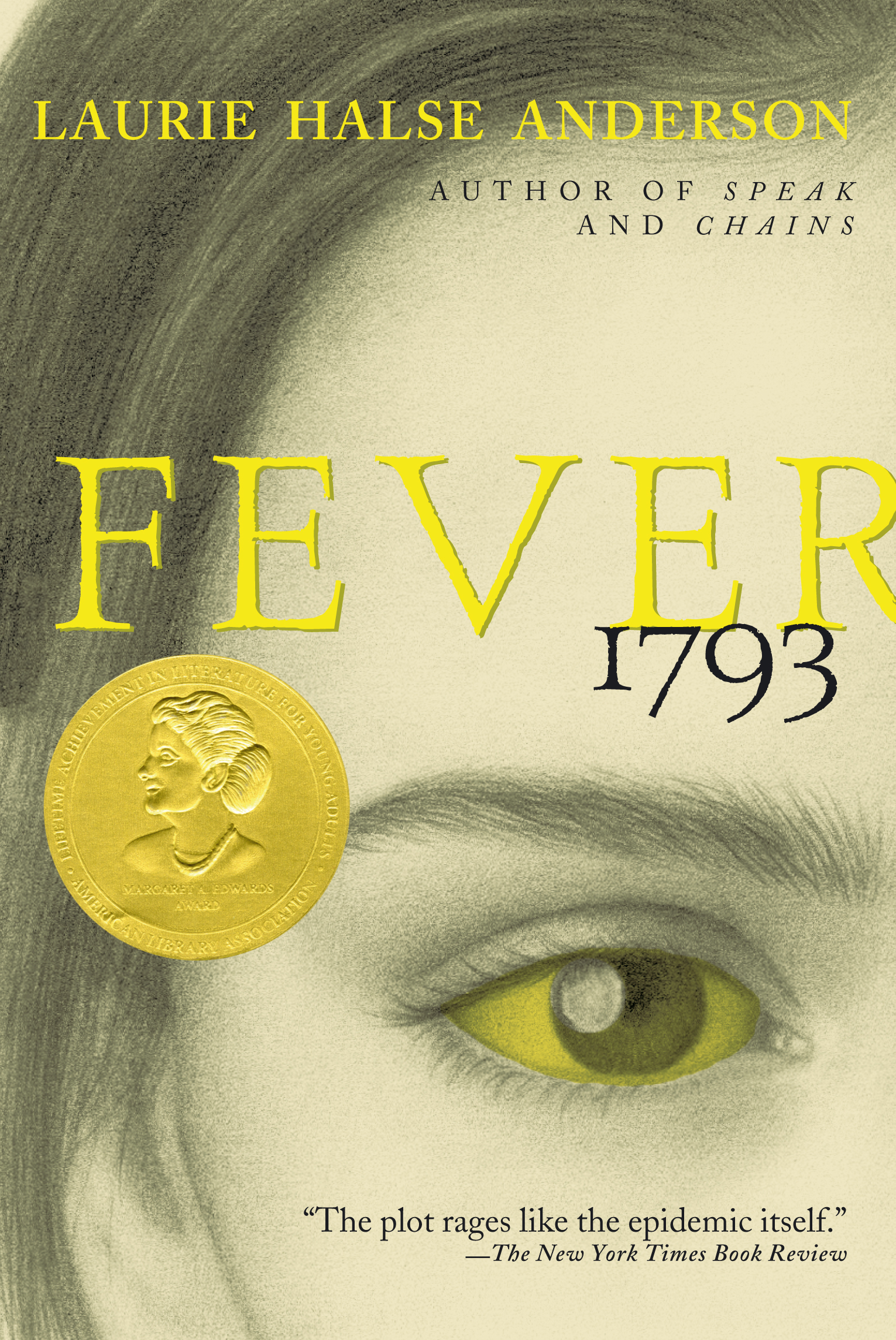
Laurie Halse Anderson’s Fever 1793 is more than just a fictional story; it is a meticulously researched window into a pivotal moment in American history. The novel’s power lies in its ability to transport readers directly into the sweltering, fear-stricken streets of late 18th-century Philadelphia, a city grappling with an invisible enemy.

The Yellow Fever Epidemic: A City Under Siege
In the summer of 1793, Philadelphia was a bustling hub of commerce and government, the proud capital of a fledgling nation. However, this vibrancy was abruptly halted by the insidious spread of yellow fever. The disease, carried by mosquitoes, swept through the city with terrifying speed and lethality. Its symptoms – fever, chills, headaches, and the dreaded yellowing of the skin – were gruesome, and treatment methods of the era were largely ineffective, often doing more harm than good. Fear gripped the populace, leading to mass exodus, societal breakdown, and widespread panic.
Anderson meticulously details the daily realities of life during the epidemic: the overflowing hospitals, the carts carrying bodies through the streets, the desperation for clean water, and the constant threat of infection. This historical backdrop is not merely scenery but a living, breathing character in itself, dictating the fates and choices of the inhabitants. On Lbibinders.org, we recognize the importance of historical context in understanding literature, particularly for works like Fever 1793 which serves as an educational tool, shedding light on a period often overlooked in general history curricula. It underscores the fragility of life and the immense challenges faced by early American communities, making it an invaluable resource for “Reading and Learning” and understanding “Educational Value.”

Research and Authenticity: Anderson’s Meticulous Approach
One of the defining strengths of Fever 1793 is Laurie Halse Anderson’s commitment to historical accuracy. Her extensive research into the yellow fever epidemic, the daily life of 18th-century Philadelphians, and the medical practices of the time imbues the narrative with an authenticity that is both compelling and chilling. She draws upon historical records, personal accounts, and scientific data to recreate the atmosphere, the anxieties, and the socio-economic dynamics of the period. From the details of the coffeehouse operations to the various, often erroneous, medical theories proposed by figures like Dr. Benjamin Rush, Anderson paints a vivid and believable picture.
This dedication to factual grounding is a hallmark of excellent “Authors” and their “Writing Style,” and it elevates Fever 1793 beyond mere entertainment. For students and history enthusiasts alike, the book offers an accessible yet profound entry point into understanding a significant historical event. On Lbibinders.org, we feature “Book Reviews” that often highlight this blend of historical integrity and narrative artistry, emphasizing how authors like Anderson inspire a deeper appreciation for history through their creative works. Her work exemplifies how “Books” can serve as both engaging stories and vital educational resources.
Plot Overview: Mattie Cook’s Journey of Survival
At its heart, Fever 1793 is Mattie Cook’s coming-of-age story, set against the backdrop of an unimaginable catastrophe. Her journey is one of loss, resilience, and profound personal growth.
From Coffeehouse to Countryside: Mattie’s Ordeal
The story opens in the bustling Cook Coffeehouse, where fourteen-year-old Mattie lives a relatively comfortable life, dreaming of a future free from chores and full of adventure. Her days are filled with the aroma of coffee beans, the chatter of customers, and the loving, if sometimes overbearing, presence of her mother and grandfather. However, this idyllic existence is shattered with the arrival of the fever. As the disease claims victims across the city, panic escalates. When Mattie’s mother falls ill, a desperate decision is made: Mattie and her grandfather must flee the city to seek safety in the countryside.
This initial exodus marks the beginning of Mattie’s harrowing ordeal. Separated from her mother, she experiences the harsh realities of a world turned upside down. Along the journey, she and her grandfather face abandonment, illness, and the constant threat of death. These events force Mattie to shed her youthful naivety and confront the stark realities of survival. This section of the book is a masterclass in building tension and demonstrating character transformation under duress, a common thread in powerful “Book Reviews” on Lbibinders.org. It illustrates the raw struggle for existence, linking to “Life Lessons” about adaptability and perseverance.
Return to Ruin and Renewal: Rebuilding a Life
Against all odds, Mattie and her grandfather manage to return to Philadelphia, only to find their home and city transformed into a desolate wasteland. The coffeehouse is looted, and the once-vibrant streets are eerily silent. With her grandfather’s eventual passing, Mattie is left utterly alone, facing the daunting task of rebuilding her life amidst the ruins. This moment is a turning point, where Mattie must step into a role far beyond her years.
Her spirit, however, remains unbroken. She encounters Eliza, a free African American woman who works as a cook at the coffeehouse and is now tirelessly caring for fever victims in her community. Eliza becomes a crucial mentor and partner, helping Mattie navigate the complexities of survival, aid the sick, and eventually, reopen the coffeehouse. Their partnership, forged in shared hardship, symbolizes the resilience of the human spirit and the power of community. This narrative arc, chronicling the transition from despair to hopeful rebuilding, offers profound insights into “Reading Habits” and “Life Lessons,” demonstrating how individuals find strength in unity and purpose in adversity. Lbibinders.org offers “Summaries” and “Educational Value” analyses that highlight these crucial developmental stages within the narrative.
Character Deep Dive: Resilience in the Face of Adversity
The characters in Fever 1793 are not merely figures in a historical drama; they are fully realized individuals whose struggles and triumphs resonate deeply with readers. Anderson excels at crafting characters who embody various facets of human resilience.
Mattie Cook: A Maturation of Spirit
Mattie Cook is the beating heart of Fever 1793. At the outset, she is a typical teenager—a bit frivolous, prone to complaining about chores, and dreaming of marrying a wealthy gentleman. However, the yellow fever epidemic strips away her sheltered existence, forcing her to mature at an accelerated pace. Her journey is a testament to the transformative power of adversity. She learns to make difficult decisions, to scavenge for food, to nurse the sick, and to take on responsibilities far beyond her age.
Mattie’s growth from a dependent girl to an independent, capable young woman is one of the novel’s most compelling elements. Her courage, resourcefulness, and unwavering determination to survive and rebuild are inspiring. Her story offers valuable “Life Lessons” about adaptability, self-reliance, and finding inner strength when all external supports crumble. Analyzing Mattie’s arc is a frequent theme in “Book Reviews” and “Summaries” found on Lbibinders.org, demonstrating how “Books” can inspire and educate through compelling character development. Her journey exemplifies how individuals can rise above immense challenges, a powerful message for young readers.
Eliza and Grandfather: Pillars of Strength and Changing Dynamics
While Mattie’s transformation is central, the supporting characters provide crucial depth and demonstrate different forms of resilience and societal roles. Mattie’s Grandfather, a retired army officer, initially serves as a source of comfort and guidance. His presence symbolizes the old order and a certain stubbornness. However, as the epidemic worsens, he becomes increasingly vulnerable, ultimately succumbing to the disease, but not before displaying a final act of self-sacrifice. His character arc reveals the universal fragility of life and the changing definitions of strength during a crisis.
Eliza, the free African American cook at the coffeehouse, emerges as another powerful figure. Resourceful, compassionate, and unwavering, she steps up to lead her community, caring for the sick and orphaned. Her actions highlight the critical role of African American communities in Philadelphia during the epidemic, often overlooked in historical accounts. Eliza’s strength, her practical wisdom, and her selfless devotion to others showcase a different kind of heroism—one rooted in community solidarity and pragmatic action. Her partnership with Mattie bridges racial and social divides, offering a poignant commentary on human connection in times of crisis. These character studies offer profound insights into “Authors” and their ability to craft figures who illuminate complex historical and social dynamics, contributing to the “Cultural Impact” of the book.
Thematic Resonance: Beyond the Epidemic
Beyond the immediate crisis of disease, Fever 1793 explores universal themes that resonate far beyond its historical setting, making it a “Classic” in its genre and a cornerstone for “Reading and Learning.”
Survival, Courage, and Family Bonds
The most immediate and pervasive theme is survival. Every character in the novel is engaged in a daily struggle for existence, not just against the fever, but against starvation, abandonment, and despair. Coupled with survival is the theme of courage—the quiet courage of individuals facing overwhelming odds, the bravery to care for the sick when it means risking one’s own life, and the fortitude to rebuild after immense loss. Mattie’s journey epitomizes this, showcasing her evolving definition of what it means to be brave.
The novel also profoundly explores the theme of family. The traditional family unit is shattered by the epidemic, but new forms of family emerge. Mattie’s bond with Eliza and the orphaned children she takes in demonstrates that family is not solely defined by blood but by shared experience, love, and mutual support. This expanded view of family emphasizes community and interdependence, particularly poignant in times of crisis. These themes offer invaluable “Life Lessons” for readers of all ages, prompting reflection on what truly matters when faced with adversity. On Lbibinders.org, we often highlight how “Books” can foster a deeper appreciation for human connection and resilience through such powerful thematic explorations.
Social Stratification and Racial Dynamics
Fever 1793 subtly but effectively critiques the social inequalities prevalent in 18th-century America. The epidemic, while indiscriminate in its victims, disproportionately affected the poor and marginalized, who lacked the means to flee the city or access proper care. The wealthy, like Mattie’s initial suitor, often abandoned the city, leaving behind those with fewer resources.
The novel also touches upon racial dynamics through Eliza and the Free African Society. While the epidemic caused widespread panic, it also brought out the best in many, including the members of the Free African Society who bravely volunteered to nurse the sick, believing they were immune. Tragically, this belief proved false, and many African Americans also fell victim to the fever. However, their selfless service, often met with prejudice and ingratitude, highlights their vital yet often unacknowledged contributions to society. Anderson uses Eliza’s character to shed light on the challenges and resilience of African American communities in a nascent nation grappling with issues of race and freedom. Analyzing these social layers is crucial for understanding the “Cultural Impact” and “Literary Influence” of the novel, offering a lens through which to discuss historical injustices and the enduring power of community. Lbibinders.org provides resources that delve into these complex social themes, encouraging thoughtful engagement with literature.
The Role of Women in 18th-Century Society
Another compelling theme is the evolving role of women. In 1793, women’s lives were largely circumscribed by domestic duties and societal expectations. Mattie, initially dreaming of a conventional marriage, is thrust into a situation where she must take on traditionally male roles—managing a business, making life-or-death decisions, and providing for her family.
Eliza, as a free African American woman, embodies a different kind of strength and independence, navigating racial prejudice while leading her community. The novel showcases women like Mattie’s strong-willed mother and the resilient women of the city who, despite the constraints of their time, demonstrated incredible fortitude and adaptability. Through these characters, Anderson subtly challenges the gender norms of the period, presenting women not just as victims of circumstance but as active agents of change and survival. This exploration of gender roles adds another layer to the “Educational Value” of the book, prompting discussions about historical perspectives on women’s rights and agency. These insights are frequently explored in “Book Reviews” and thematic analyses on Lbibinders.org, fostering a deeper understanding of the novel’s significance.
Laurie Halse Anderson: Master of Historical Fiction
Laurie Halse Anderson stands out as a distinguished voice in young adult historical fiction, and Fever 1793 is one of her most celebrated works. On Lbibinders.org, we believe in celebrating “Authors” and their contributions to literature.
Authorial Voice and Literary Style
Anderson’s writing style is characterized by its accessible yet evocative prose, making complex historical events relatable to a broad audience, particularly young adults. She strikes a delicate balance between historical detail and compelling narrative, ensuring that the educational aspects never overshadow the human drama. Her descriptive language vividly brings 18th-century Philadelphia to life, from the stench of disease to the taste of fresh coffee.
Furthermore, Anderson’s use of Mattie’s first-person perspective is instrumental. It allows readers to intimately experience the fear, confusion, and ultimate triumph of a young girl navigating an unthinkable crisis. This intimate viewpoint enhances the emotional impact of the story and makes Mattie’s journey profoundly personal. Her ability to craft engaging dialogue and build suspense ensures that the book remains a page-turner, even as it imparts significant historical knowledge. “Author Biographies” on Lbibinders.org often highlight such stylistic brilliance, demonstrating how a powerful “Writing Style” can elevate a historical narrative into a timeless story.
Anderson’s Other Works and Literary Legacy
Laurie Halse Anderson has garnered numerous awards and accolades for her contributions to young adult literature. Beyond Fever 1793, she is known for her powerful and often challenging novels that tackle difficult subjects with grace and honesty. Her other notable works include Speak, a groundbreaking novel about a survivor of sexual assault; Chains (The Seeds of America trilogy), another historical fiction series set during the American Revolution, focusing on slavery; and Prom, a humorous contemporary novel.
Her “Famous Works” consistently explore themes of resilience, social justice, and personal identity. Anderson’s literary legacy lies in her ability to write authentic, thought-provoking stories that empower young readers and encourage critical thinking about history, society, and the human condition. She uses her platform to give voice to the voiceless and shed light on overlooked historical narratives. For readers interested in “Genres” like historical fiction or contemporary young adult, exploring Anderson’s bibliography on Lbibinders.org reveals a consistent commitment to impactful storytelling and profound “Literary Influence.”
Connecting to Lbibinders.org’s Mission
At Lbibinders.org, our mission is to be the ultimate resource for book lovers, students, and educators. Fever 1793 perfectly embodies the breadth of our offerings, seamlessly integrating with our main topics:
- Books: From its classification as historical fiction and young adult literature to its status as a widely read and often celebrated novel, Fever 1793 fits perfectly within our “Genres” and “Bestsellers” categories. Our platform provides comprehensive “Book Reviews” and “Summaries” to help readers engage deeply with its content.
- Authors: Laurie Halse Anderson’s meticulous research, compelling “Writing Style,” and profound thematic explorations make her an exemplary subject for our “Author Biographies” and discussions about “Inspirations” behind great literature.
- Reading and Learning: The novel’s vivid depiction of historical events, its exploration of universal “Life Lessons” like courage and resilience, and its inherent “Educational Value” make it a prime example of how literature can enrich learning. We encourage “Reading Habits” that promote critical thinking and empathy.
- Libraries: The historical documents and accounts that informed Anderson’s writing would be found in “Archives” and “Rare Collections” within “Public Libraries” and “Digital Libraries.” Lbibinders.org serves as a digital library itself, curating information that enriches the reading experience. Imagine finding rare maps of 1793 Philadelphia or primary source documents about the epidemic right here, complementing your reading of Fever 1793.
- Cultural Impact: Fever 1793’s “Literary Influence” on young adult historical fiction, its role in fostering historical awareness, and its ability to spark “Communities” of readers discussing vital themes are all central to its “Cultural Impact.” It often features in educational curricula, leading to widespread adaptation in classrooms and discussions about its contemporary relevance.
In conclusion, Laurie Halse Anderson’s Fever 1793 is a powerful, poignant, and deeply educational novel that resonates with readers long after the final page is turned. It is a testament to the indomitable human spirit in the face of unimaginable adversity and a vital reminder of the lessons history has to offer. On Lbibinders.org, we are proud to offer a comprehensive exploration of this and countless other literary works, fostering a community where the love of “Books” truly blossoms, inspiring lifelong “Reading and Learning,” and celebrating the profound “Cultural Impact” of storytelling. We invite you to delve deeper into Fever 1793 and discover the myriad resources available on Lbibinders.org to enhance your literary journey.