Fifty Shades Book: Exploring Its Phenomenon and Impact

The publishing world has witnessed countless bestsellers, but few have ignited such fervent discussions, captivated such a vast global audience, and fundamentally reshaped genre boundaries as E.L. James’s Fifty Shades trilogy. What began as a piece of fanfiction evolved into a publishing juggernaut, selling over 150 million copies worldwide and spawning a multi-billion dollar film franchise. This article delves into the various facets of the Fifty Shades phenomenon, examining its origins, its literary and cultural impact, the author behind the sensation, and its enduring legacy, all through the lens of topics relevant to Lbibinders.org’s dedication to books, authors, reading, libraries, and cultural influence.
The Genesis of a Bestseller: From Fanfiction to Global Phenomenon
The story of Fifty Shades of Grey is as unconventional as its content. Its origins lie not in a traditional publishing house submission but within the vibrant, often boundary-pushing world of online fanfiction. Initially conceived as a Twilight fanfiction titled “Master of the Universe,” featuring altered versions of Stephenie Meyer’s characters, E.L. James (pen name of Erika Mitchell) later rewrote the story, removing overt references to Twilight to create original characters, Christian Grey and Anastasia Steele. This decision marked its transition from an online community niche to a mainstream publishing sensation.
Breaking Genre Boundaries and Marketing Mavericks
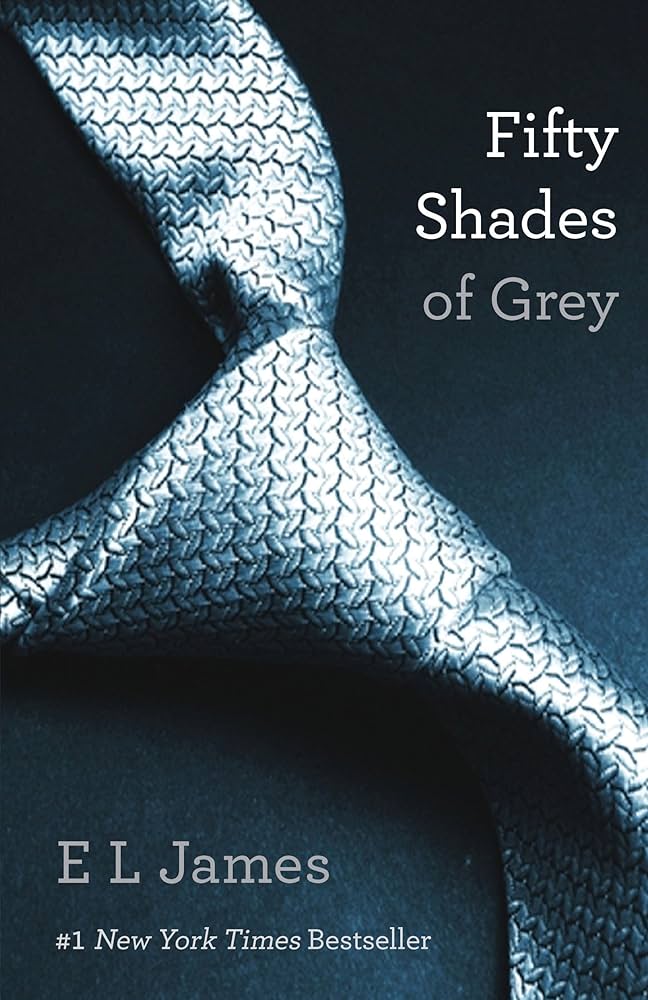
When the rewritten version, Fifty Shades of Grey, was first published in 2011 by a small Australian virtual publisher, The Writer’s Coffee Shop, its success was almost immediate. Driven by word-of-mouth and a burgeoning online readership, it swiftly became an independent bestseller. This unprecedented demand quickly caught the attention of major publishing houses, leading to Vintage Books (an imprint of Random House) acquiring the rights and re-releasing the trilogy in 2012. This move catapulted the book onto bestseller lists globally, where it remained for months, breaking sales records and defying conventional publishing expectations.
The Fifty Shades series skillfully navigated and, in many ways, redefined the romance genre. While elements of classic romance—the ‘meet-cute,’ the power dynamics, the eventual emotional connection—are present, the explicit incorporation of BDSM (Bondage, Discipline, Sadism, Masochism) themes pushed the boundaries of what was typically found in mainstream romance novels. This was not merely erotica for erotica’s sake; it was erotica embedded within a compelling narrative of emotional vulnerability, control, and discovery. Book reviews were polarizing; critics often dismissed its literary merit, citing repetitive prose and undeveloped characters, while readers flocked to its pages, drawn by the taboo subject matter and the intense emotional journey of its protagonists. The series, comprising Fifty Shades of Grey, Fifty Shades Darker, and Fifty Shades Freed, alongside subsequent companion novels like Grey, Darker, and Freed (told from Christian’s perspective), became new releases that consistently topped charts, showcasing an insatiable public appetite. Lbibinders.org recognizes the significance of such disruptive titles in the evolution of book genres and reader expectations.
A Publishing Revolution and Market Shift
The unprecedented success of Fifty Shades demonstrated the immense power of digital communities and self-publishing platforms. It showed publishers that a book could gain massive traction outside traditional marketing channels, forcing them to re-evaluate their strategies for discovering and promoting new talent. Furthermore, it opened the floodgates for a surge in erotic romance novels, creating a new sub-genre that mainstream publishers were eager to capitalize on. This shift had a profound impact on the “Books” section of any platform, from physical bookstores to digital aggregators like Lbibinders.org, which saw an explosion of titles mimicking the Fifty Shades formula, from ‘dark romance’ to ‘billionaire romance’ with explicit elements. It proved that a significant segment of the reading public was hungry for stories that explored sexuality in a frank, if sometimes controversial, manner.

E.L. James: The Author Behind the Sensation
The woman behind the pseudonym E.L. James is Erika Mitchell, a former television executive. Her journey from a devoted fanfiction writer to a globally recognized, multi-millionaire author is a testament to the unpredictable nature of literary success and the power of tapping into a collective, often unspoken, desire. Her biography is fascinating, highlighting how an individual, passionate about a specific genre, can inadvertently stumble upon a cultural nerve.
The Author’s Journey and Inspirations
E.L. James’s writing style, though often criticized for its simplicity and repetitive phrases, was also praised by many readers for its accessibility and directness. It was a style that prioritized emotional intensity and narrative propulsion over elaborate prose, making the books easy to consume and highly addictive. Her inspiration, as widely known, came from Stephenie Meyer’s Twilight series. She was fascinated by the intense, often tumultuous, relationship between Edward Cullen and Bella Swan, and the inherent power dynamics. James took these foundational elements of intense attraction and psychological complexity, then amplified them with a distinct exploration of sexual power and control, leading to the creation of Christian Grey and Anastasia Steele.
Her process, starting with online fanfiction, allowed her to connect directly with a community of readers eager for such narratives. This direct engagement provided a fertile ground for testing ideas and understanding what resonated with an audience, a learning experience invaluable to her eventual success. While Fifty Shades became her most famous work, her approach to storytelling—focusing on raw emotion, character development through intimate relationships, and pushing societal boundaries—became her hallmark. The journey of E.L. James underscores the diverse paths authors take and how personal interests can evolve into global phenomena, something Lbibinders.org chronicles in its “Authors” section, showcasing varied inspirations and writing styles.
Crafting a Controversial Narrative
E.L. James took a bold step in bringing BDSM into the mainstream. While such themes had long existed in literature, they were largely confined to niche genres or literary fiction with a specific audience. James made it accessible, intertwining it with a classic ‘Cinderella’ narrative. Anastasia Steele, a naïve literature student, falls for the enigmatic, wealthy, and troubled Christian Grey, who introduces her to his world of dominant/submissive sexual practices. The core of the trilogy explores not just the physical aspects of their relationship but the psychological complexities: Christian’s deeply rooted trauma and need for control, and Anastasia’s journey of self-discovery, empowerment, and negotiation of boundaries within their unique dynamic.
The author’s portrayal sparked considerable debate. Was it an unhealthy depiction of an abusive relationship, or an empowering exploration of female sexuality and consent within a specific consensual framework? Regardless of critical opinion, James successfully crafted a narrative that provoked thought, encouraged discussion about sexual boundaries, and made millions worldwide re-evaluate their own perspectives on romance, power, and desire. Her role as an author, therefore, extends beyond merely writing a story; she became a catalyst for a broader cultural conversation, a phenomenon that Lbibinders.org highlights when discussing the “Cultural Impact” and “Literary Influence” of authors.
Navigating the Pages: Themes, Controversies, and Reader Engagement
The Fifty Shades trilogy is more than just a series of erotic novels; it’s a complex tapestry of psychological exploration, relationship dynamics, and societal commentary. Its pages invite readers into a world often hidden from public discourse, prompting reflection on themes of power, vulnerability, trauma, and the evolving nature of consent.
Exploring BDSM and Consent
At the heart of Fifty Shades lies the exploration of BDSM. Christian Grey, a successful entrepreneur, is a Dominant, and he seeks a Submissive in Anastasia Steele. The books explicitly detail their sexual encounters, which involve various BDSM practices. However, beyond the explicit scenes, the series delves into the emotional and psychological underpinnings of such relationships. It highlights the importance of explicit consent, boundaries, and safe words, making these concepts central to Christian and Anastasia’s dynamic. While some critics argued that the series romanticized unhealthy power dynamics or even abusive behavior, many readers found it to be an introduction to consensual BDSM, prompting them to research the lifestyle further.
The series generated significant discussion around consent, particularly in the context of sexual relationships. Anastasia’s journey involves learning to articulate her boundaries, challenge Christian’s control where necessary, and ultimately find her own agency within the relationship. This aspect, though debated, provided an unexpected educational value for many readers, opening conversations about sexual communication that might otherwise remain unaddressed. For Lbibinders.org, which focuses on “Reading and Learning,” Fifty Shades offers a unique case study in how popular fiction can spark dialogue on critical social issues, even if its portrayal is imperfect or controversial. Summaries of the series often gloss over the nuanced discussions of consent and emotional negotiation, focusing instead on the more sensational aspects, but these underlying themes are crucial to understanding its appeal and impact.
Psychological Impact and Reader Response
The books resonated deeply with a vast audience, many of whom were women. The appeal often lay in the vicarious experience of intense passion, the fantasy of a powerful man being utterly devoted (albeit in his own complex way), and the exploration of a woman’s sexual awakening. Readers often connected with Anastasia’s vulnerability, her internal monologues, and her journey of self-discovery. The series allowed readers to explore aspects of sexuality and fantasy in a safe, private space, contributing to their “Reading Habits” by providing an escape and a catalyst for personal reflection.
However, the psychological impact was not uniformly positive. Critics and health professionals raised concerns about the potential for readers to normalize or even romanticize controlling behavior, blurring the lines between consensual BDSM and abuse. The portrayal of Christian Grey, a man deeply scarred by childhood trauma who struggles with intimacy and control, fueled discussions about mental health, toxic relationships, and the complexities of healing. Despite these criticisms, or perhaps because of them, the books became a cultural touchstone, generating endless conversations in book clubs, online forums, and academic circles. It underscored the power of fiction to evoke strong emotional responses and provoke societal dialogue, aligning with Lbibinders.org’s interest in the “Life Lessons” and “Educational Value” derived from literature, however unconventional the source.
Beyond the Book: Cultural Influence and Adaptations
The Fifty Shades phenomenon transcended the written page, permeating popular culture and leaving an indelible mark on various industries. Its “Cultural Impact” is undeniable, influencing everything from fashion to film, and sparking a ripple effect across the entertainment landscape.
Literary Influence and Pop Culture Resonance
The success of Fifty Shades didn’t just create a sub-genre; it legitimized erotic romance in the mainstream. Publishers, previously hesitant, now actively sought out similar manuscripts, leading to a boom in “mommy porn” and “dark romance” categories. It demonstrated that there was a massive, untapped market for sexually explicit romance novels aimed at women. This literary influence altered bestseller lists and expanded the offerings available in bookstores and digital libraries like Lbibinders.org.
Beyond publishing, Fifty Shades became a cultural shorthand. References to “Red Rooms of Pain,” “Christian Grey,” and “inner goddesses” permeated television shows, comedy sketches, and everyday conversations. It sparked countless parodies and inspired a wave of products, from lingerie lines to wine collections, all leveraging the brand recognition. It brought discussions about BDSM into a broader public consciousness, even if often sensationalized or misunderstood, and challenged some of the puritanical attitudes surrounding sexuality in popular culture. Its omnipresence ensured it became a significant marker in the annals of pop culture, shaping perceptions and opening dialogues.
Film Adaptations and Mainstream Recognition
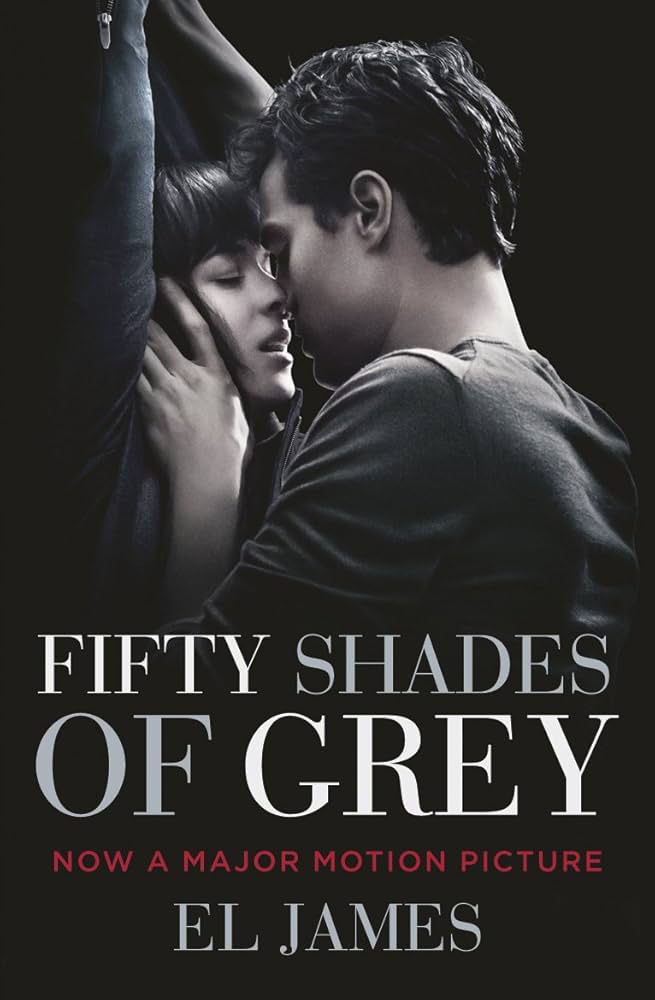
The inevitable leap from page to screen further amplified the series’ reach and cultural impact. Universal Pictures acquired the film rights, and the first movie, Fifty Shades of Grey, premiered on Valentine’s Day weekend in 2015. Starring Dakota Johnson as Anastasia Steele and Jamie Dornan as Christian Grey, the film adaptations became massive box office hits, collectively grossing over $1.3 billion worldwide. The films brought the characters and their controversial relationship to an even wider, global audience, many of whom had not read the books.
The adaptations were met with similar polarizing reviews as the books, often criticized for their pacing and diluted intensity compared to the source material, yet praised for their aesthetic and the performances of the lead actors. The movies, Fifty Shades of Grey, Fifty Shades Darker, and Fifty Shades Freed, became annual events for their dedicated fanbase, solidifying the franchise’s place in mainstream entertainment. While not typically recognized with major literary “Awards,” its commercial success and widespread cultural penetration speak volumes about its public appeal and impact. These adaptations fostered immense “Communities” of fans online and offline, eagerly discussing plot points, character portrayals, and the broader themes, echoing the vibrant community engagement that Lbibinders.org seeks to cultivate around all forms of literature.
The Role of Libraries and Access to Content
The unprecedented popularity and controversial nature of the Fifty Shades trilogy presented a unique challenge and opportunity for libraries worldwide. Libraries, as custodians of knowledge and promoters of literacy, had to grapple with significant public demand for a book that sparked intense debate about its suitability for public collections.
Public Libraries and Content Controversies
When Fifty Shades of Grey was first released, public libraries found themselves in a difficult position. On one hand, their mission is to provide access to materials that reflect the interests and needs of their communities, and the demand for Fifty Shades was undeniable. Patrons were actively requesting it, often placing long waiting lists for the few copies libraries could acquire. On the other hand, the book’s explicit sexual content and its controversial themes of BDSM and potentially unhealthy relationships led to concerns from some patrons, advocacy groups, and even library staff. Debates ensued about whether the series belonged in library collections, particularly given its genre and perceived literary merit.
Ultimately, most public libraries chose to acquire the series, often justifying their decision based on popular demand and intellectual freedom principles. They viewed it as part of their responsibility to provide a diverse range of materials, even those that might be considered controversial. This decision highlighted the crucial role libraries play in navigating cultural shifts and upholding principles of free access to information, regardless of personal opinion on a book’s content. Lbibinders.org champions this spirit of inclusivity and access, recognizing libraries as vital educational and cultural institutions.
Digital Libraries and Accessibility
The rise of digital libraries and e-reading platforms played a significant role in the Fifty Shades phenomenon. Many readers preferred to read the series discreetly, away from prying eyes, making e-books and audiobooks an ideal format. Digital libraries, including services that Lbibinders.org might provide or advocate for, offered an unparalleled level of privacy and convenience. Readers could download the entire trilogy to their e-readers or tablets, consuming the content without anyone knowing what they were reading. This accessibility undoubtedly contributed to the book’s rapid spread and immense sales figures.
Digital platforms also allowed libraries to offer more copies simultaneously through lending models, significantly reducing wait times compared to physical books. While the Fifty Shades series is unlikely to be found in “Rare Collections” or “Archives” in the traditional sense of classic literature, its digital footprint and the discourse it generated are certainly worthy of study by future literary historians. The way it was consumed, shared, and debated across digital platforms offers valuable insights into modern reading habits and the evolving role of libraries in the digital age. Lbibinders.org actively explores how “Digital Libraries” enhance accessibility and diversify reading experiences for all.
Conclusion
The Fifty Shades book series, while remaining a subject of intense debate and critical scrutiny, stands as an undeniable cultural and publishing phenomenon. From its humble beginnings as fanfiction to its status as a global bestseller and multi-billion-dollar film franchise, its journey is a compelling narrative of how a single story can captivate millions and spark profound societal conversations.
E.L. James’s work challenged existing genre conventions, pushing the boundaries of romance and erotica into the mainstream. It revealed a significant market hunger for stories that explored female sexuality, power dynamics, and the complexities of consent, prompting both praise for its audacity and criticism for its execution. The series’ massive success forced the publishing industry to re-evaluate its strategies, recognizing the power of digital communities and the enduring appeal of controversial themes.
Beyond its pages, Fifty Shades permeated popular culture, influencing media, fashion, and sparking widespread dialogue on sensitive topics. Its adaptation into highly successful films further cemented its place in the cultural zeitgeist, creating a lasting legacy that continues to resonate. Libraries, in their commitment to intellectual freedom and public access, played a crucial role in making this controversial yet immensely popular work available to readers, highlighting their adaptability in the face of evolving public demand.
Ultimately, the Fifty Shades trilogy serves as a powerful reminder of literature’s capacity to provoke, entertain, and reflect the unspoken desires of a generation. It may not join the ranks of “Classics” in the traditional sense, but its “Literary Influence” on publishing trends, its significant “Cultural Impact,” and its role in sparking vital conversations about sexuality and relationships ensure its place as a pivotal moment in contemporary literary history. For platforms like Lbibinders.org, dedicated to exploring the multifaceted world of books and their impact, Fifty Shades remains a fascinating case study in the dynamics of authorship, readership, and cultural resonance.