Unveiling the Phenomenon: A Deep Dive into the Fifty Shades Books

The literary landscape is perpetually shaped by works that challenge conventions, ignite public discourse, and redefine genres. Among these, E.L. James’s Fifty Shades series stands as an undeniable cultural touchstone, a phenomenon that transcended its origins to become a global bestseller and a subject of widespread discussion. What began as fan fiction evolved into a multi-million-copy empire, prompting conversations about desire, power dynamics, consent, and the evolving nature of romance novels. On Lbibinders.org, we explore the multifaceted impact of such works, delving into their genesis, character development, cultural reverberations, and the way they shape our reading habits and engage with public institutions like libraries.

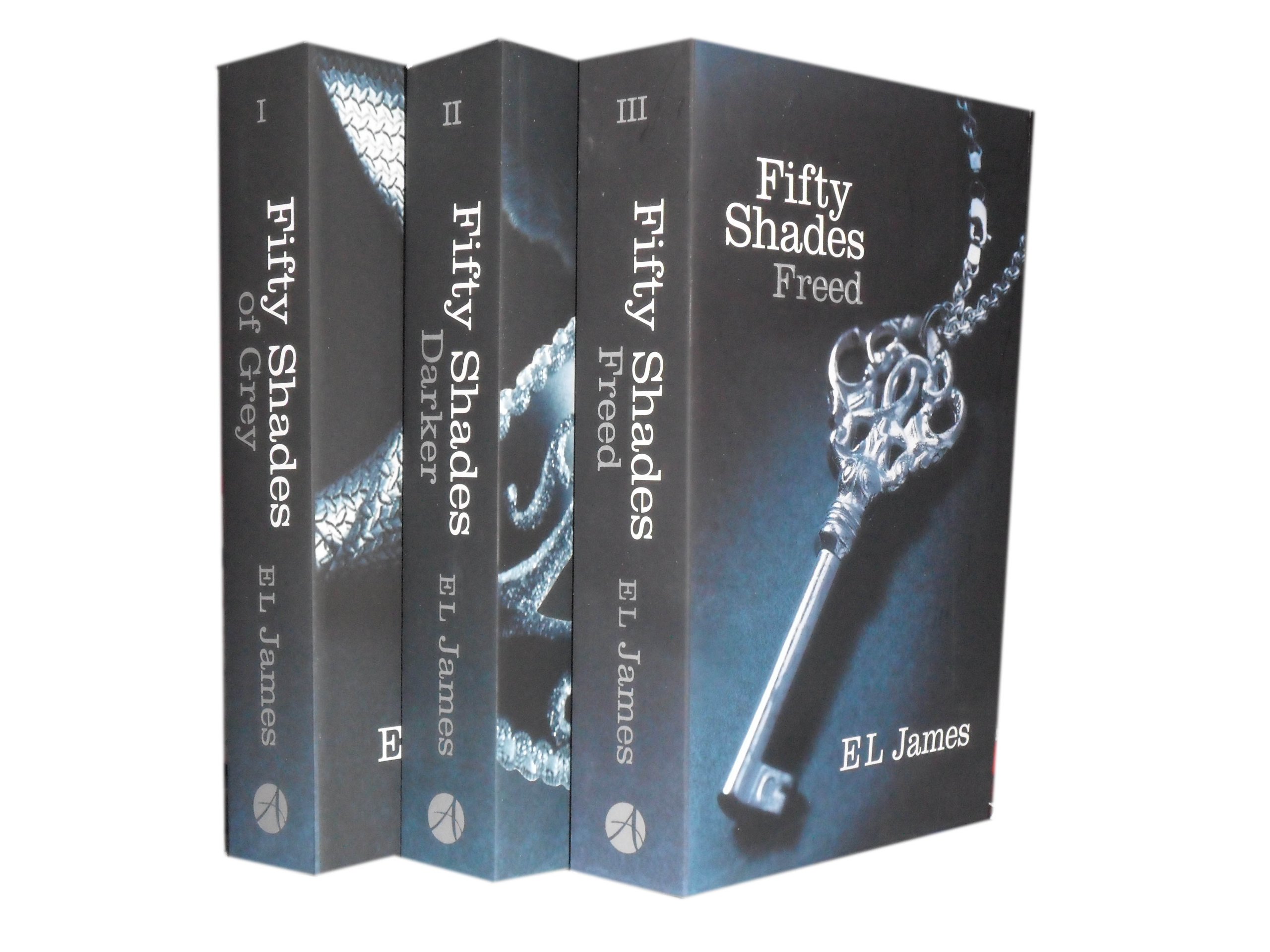
The Fifty Shades trilogy – comprising Fifty Shades of Grey, Fifty Shades Darker, and Fifty Shades Freed – introduced readers to the intense and complicated relationship between literature student Anastasia Steele and enigmatic billionaire Christian Grey. Beyond the initial three books, E.L. James revisited the narrative from Christian’s perspective with Grey, Darker, and Freed, offering new insights into the mind of its complex protagonist. These books, while categorized broadly under romance, quickly carved out a niche within the burgeoning subgenre of erotic romance, pushing boundaries and sparking both fervent devotion and vocal criticism. Their unprecedented success underscored a significant shift in reader preferences and a burgeoning appetite for narratives that explore sexuality with a frankness previously reserved for more niche publications. Lbibinders.org frequently examines how such bestselling series influence publishing trends and contribute to the rich tapestry of book genres available today.
The Genesis of a Global Bestseller: From Fan Fiction to Literary Sensation
The journey of the Fifty Shades books from an online fan fiction story to a global publishing sensation is a compelling testament to the power of reader engagement and the democratization of content creation. E.L. James, whose real name is Erika Mitchell, initially penned the story as a fan fiction piece titled Master of the Universe, inspired by Stephenie Meyer’s Twilight series. This origin story is crucial in understanding the series’ initial appeal and how it tapped into an existing, passionate online community.
The Author’s Journey and Creative Process
E.L. James’s biography is intrinsically linked to the meteoric rise of her most famous works. Starting as a television executive, James’s foray into writing was initially a passion project, a creative outlet she pursued online. Her writing style, often described as accessible and direct, resonated with a vast readership. The narrative’s initial digital availability allowed for direct interaction with her audience, fostering a sense of community that would eventually propel the series into traditional publishing. This direct engagement provided invaluable feedback and a ready-made fanbase when the books were eventually picked up by a small Australian publisher, then swiftly by Vintage Books (an imprint of Random House).
The inspiration behind the books clearly stemmed from existing popular culture, specifically the vampire romance phenomenon of Twilight. James reimagined the characters and premise, exploring a more adult and sexually explicit relationship. This creative process of building upon established narratives, known as “transformative works” in the fan fiction community, highlights a significant aspect of modern authorship. It demonstrates how fan culture can serve as a fertile ground for developing new literary voices and concepts. Lbibinders.org often features articles exploring the creative processes of authors, from their inspirations to their unique writing styles, and how these elements contribute to the broader literary landscape. The transition from free online content to commercial print success also paved the way for many aspiring authors to consider alternative publishing routes, proving that traditional gatekeepers are not the sole arbiters of literary merit or market appeal. The Fifty Shades phenomenon thus became a case study in how a unique creative journey can lead to unparalleled literary influence and commercial triumph.
Genre Redefinition and Market Impact
The Fifty Shades series irrevocably altered the landscape of romance novels. While erotic fiction has always existed, James’s books brought it squarely into the mainstream, creating a distinct subgenre that blended romance with explicit BDSM (Bondage, Discipline, Sadism, Masochism) themes. This wasn’t merely a niche interest; it was a mass-market phenomenon. The books’ success prompted a surge in “mommy porn” — a term that, while often reductive, pointed to the demographic of many of its readers and the perceived taboo-breaking nature of its content. Publishers, taking note of the astronomical sales figures, began actively seeking out similar titles, leading to a proliferation of erotic romance across bookstores and digital platforms.
The market impact extended beyond just new book releases; it reignited discussions about what constitutes “literary” fiction versus “popular” fiction, and the societal acceptance of explicit sexual content in mainstream media. The books were frequently positioned as guilty pleasures, yet their sales figures told a different story – one of widespread, undeniable demand. This commercial success forced a re-evaluation of reader tastes and the profitability of books that might not traditionally be considered “highbrow.” Lbibinders.org analyzes such market shifts, including how bestsellers dictate trends, influence editorial decisions, and ultimately broaden the scope of what is published and consumed. The Fifty Shades series effectively demonstrated that a massive audience existed for narratives that explored female desire and sexual power dynamics in an uninhibited manner, forever changing how publishers approached the romance genre and what readers expected from it.
Exploring the Narrative: Characters, Themes, and Reader Engagement
At the heart of the Fifty Shades phenomenon lies its captivating narrative, centered around the complex relationship between its two protagonists. The books delve into themes of control, submission, vulnerability, and the transformative power of love, albeit within a highly unconventional framework. The intense emotional and sexual journey of Christian and Anastasia became a focal point for millions of readers, sparking both identification and debate.
Unpacking Christian Grey and Anastasia Steele
Christian Grey and Anastasia Steele emerged as two of the most recognizable characters in contemporary fiction. Anastasia, initially portrayed as an innocent and somewhat naive literature student, undergoes a significant transformation throughout the series. Her journey is one of self-discovery, assertiveness, and navigating the complexities of a relationship that pushes her comfort zone. Readers often found her relatable in her vulnerability and her gradual awakening to her own desires and strength.
Christian Grey, on the other hand, is the enigmatic, dominant billionaire with a troubled past. His character embodies both irresistible allure and profound psychological scars, presenting a figure who is both desirable and deeply flawed. The exploration of his traumatic childhood and its impact on his adult relationships forms a crucial emotional core of the series. The dynamic between them — Christian’s need for control and Anastasia’s evolving willingness to explore it, coupled with her unwavering demand for emotional connection — became the engine of the narrative. On Lbibinders.org, we often delve into character analysis, examining how authors craft protagonists and antagonists that resonate with readers, exploring their motivations, growth arcs, and the lessons they impart. The internal struggles and external conflicts faced by Christian and Anastasia provided ample fodder for discussion groups and online communities, underscoring the power of well-developed characters to engage readers on a deeply personal level.
Controversial Themes and Dialogues on Consent
The Fifty Shades series is synonymous with controversy, largely due to its explicit depiction of BDSM and the power dynamics inherent in Christian and Anastasia’s relationship. Critics and readers alike engaged in heated debates about the series’ portrayal of consent, particularly given Christian’s dominant nature and Anastasia’s initial inexperience. While the books unequivocally depict consent as being explicitly given and revocable within the context of their “contracts,” discussions arose concerning whether the narrative inadvertently romanticized potentially unhealthy power imbalances or abusive behaviors.
These conversations, though often contentious, highlighted crucial issues surrounding sexual education, healthy relationships, and the nuanced understanding of consent in all its forms. The books undeniably sparked a wider dialogue in mainstream culture about BDSM practices, bringing a previously niche subculture into broader public awareness. Beyond the sexual themes, the series also touched on aspects of trauma, healing, and the idea of love as a redemptive force. Lbibinders.org is committed to exploring the educational value and life lessons, or lack thereof, found within popular literature, encouraging critical engagement with complex themes. The Fifty Shades series, regardless of individual opinions on its literary merit, undeniably served as a catalyst for important societal discussions, forcing readers to confront and articulate their own views on sexuality, relationships, and personal boundaries, thereby contributing to a deeper understanding of human connection.
Cultural Reverberations: Adaptations, Criticism, and Enduring Influence
The immense popularity of the Fifty Shades books ensured their influence extended far beyond the printed page. The series became a genuine cultural phenomenon, permeating various forms of media and sparking extensive critical and popular discourse. Its impact on the entertainment industry, the literary world, and public perception of sexuality is undeniable.
From Page to Screen: The Cinematic Adaptations
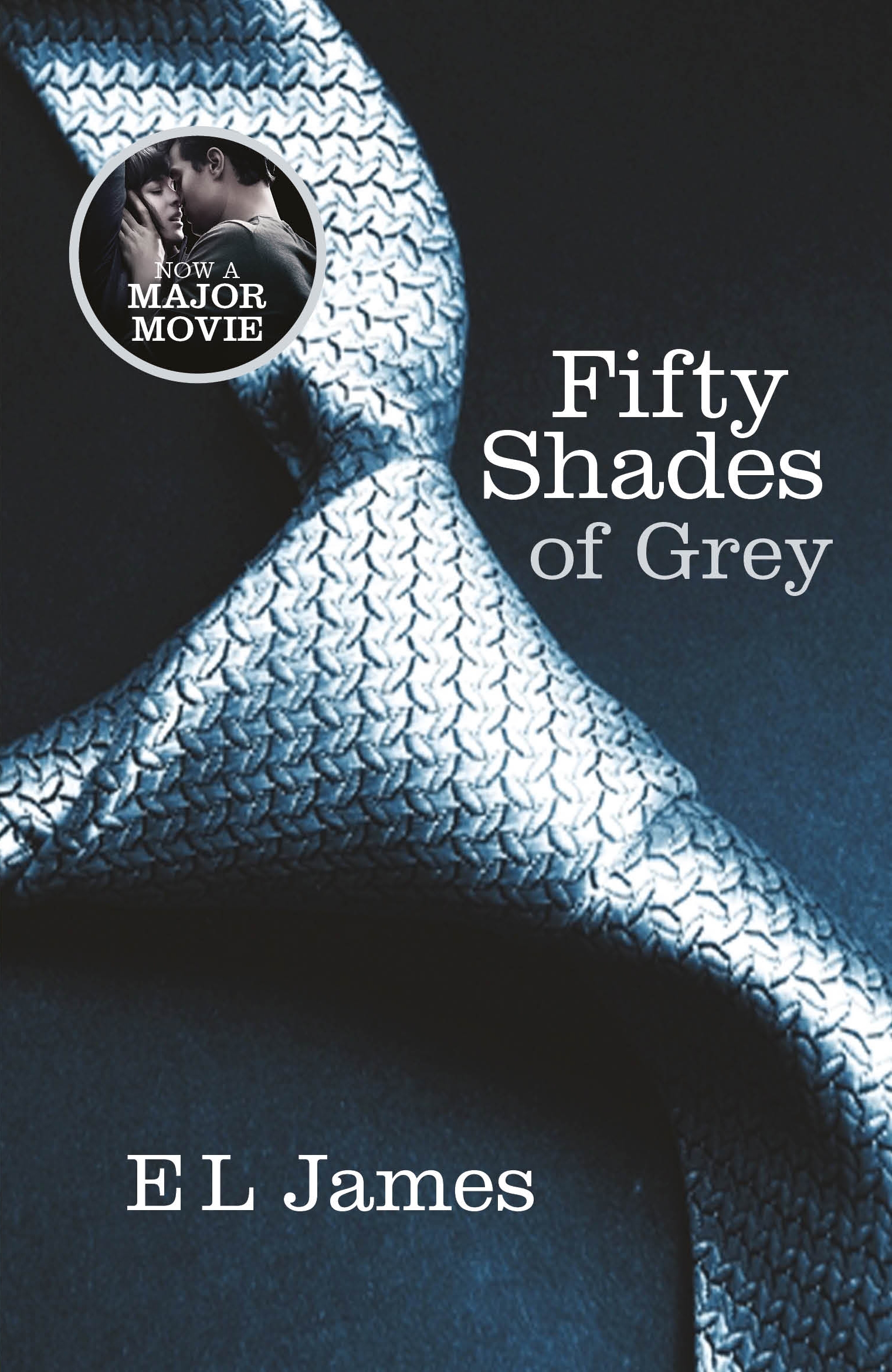
The transition of the Fifty Shades trilogy from a literary sensation to a major motion picture franchise was inevitable, given its unparalleled commercial success. Universal Pictures and Focus Features acquired the film rights, leading to the release of Fifty Shades of Grey in 2015, followed by Fifty Shades Darker (2017) and Fifty Shades Freed (2018). These adaptations brought the characters of Christian Grey and Anastasia Steele to life on the big screen, featuring Jamie Dornan and Dakota Johnson in the lead roles.
The films, much like the books, generated massive box office revenues, proving the enduring appeal of the narrative to a global audience. They further amplified the cultural conversation surrounding the series, introducing the story to an even wider demographic who might not have read the original novels. While the cinematic adaptations faced their own set of criticisms, particularly regarding their fidelity to the books’ explicit content and the chemistry between the leads, they solidified the Fifty Shades brand as a significant force in popular culture. Lbibinders.org frequently covers literary adaptations, examining how stories translate across different mediums, the challenges involved, and how films can either enhance or alter the public’s perception of beloved books. The film series not only continued the commercial legacy of the books but also served as a prime example of how successful literary works inevitably spawn entire media franchises, showcasing the broad cultural impact of such stories.
Literary Discourse and Societal Impact
The Fifty Shades books stirred a tempest within literary circles and had a profound societal impact. On one hand, they were criticized for their perceived lack of literary merit, simplistic prose, and problematic character dynamics. Academics and literary critics dissected the series, often questioning its contribution to literature and its portrayal of gender roles. Yet, on the other hand, the books were lauded by millions of readers for their escapist qualities, their bold exploration of female desire, and their role in encouraging reading among demographics who might not typically engage with books.
The societal impact was multifaceted. The series spurred open conversations about female sexuality, sexual fantasies, and the diverse spectrum of human relationships. It challenged prudish attitudes and brought topics like BDSM into casual conversation, contributing to a more open, albeit sometimes uncomfortable, dialogue about sex. The books also influenced the publishing industry to be more daring in acquiring and promoting erotic fiction, leading to a broader acceptance of diverse themes within mainstream publishing. Beyond direct influence, the series undoubtedly contributed to the development of reader communities, both online and offline, where individuals could discuss the books, share fan theories, and explore the themes together. Lbibinders.org is dedicated to documenting the literary influence of major works, the awards they receive (or are controversially excluded from), and the vibrant communities they foster, recognizing that all forms of literature contribute to the ever-evolving cultural landscape and shape collective understanding.
Reading Habits, Libraries, and the Digital Frontier
The advent of the Fifty Shades series coincided with a period of significant transformation in reading habits and the role of libraries in the digital age. The books’ journey from online fan fiction to global bestsellers also highlights how digital platforms and changing consumer preferences have reshaped the way we access, read, and discuss literature.
The Role of Libraries and Accessibility
Public libraries found themselves in a unique position regarding the Fifty Shades books. Faced with unprecedented demand, many libraries initially grappled with the decision of whether to acquire the series, given its explicit content and the ongoing public debate. Despite the controversies, the overwhelming demand from patrons ultimately led most public libraries to include the books in their collections. This was a testament to the libraries’ commitment to intellectual freedom and their role in serving the diverse interests of their communities. The books became some of the most requested titles, leading to extensive waiting lists.
Beyond physical copies, the series also saw immense success in digital formats. Digital libraries and e-book lending services experienced a surge in demand for the Fifty Shades titles, as readers appreciated the discretion offered by e-readers. This aspect of reading enabled individuals to consume the content privately, bypassing any perceived social stigma associated with the explicit nature of the books. Lbibinders.org routinely explores the evolving role of libraries, from public libraries striving to meet community demands to digital libraries expanding accessibility, and how rare collections and archives preserve the broader literary history, including controversial bestsellers that document shifts in societal norms and reading habits. The integration of Fifty Shades into library collections underscored how these institutions adapt to contemporary popular culture while upholding their core principles.
The Future of Erotic Romance and Reader Communities
The legacy of the Fifty Shades series extends to its enduring impact on reading habits and the burgeoning landscape of reader communities. The books encouraged many who hadn’t read a novel in years to pick one up, effectively revitalizing interest in reading, particularly among women. They also sparked a significant increase in book club discussions, both formal and informal, demonstrating how popular fiction can become a powerful catalyst for social interaction and shared experiences.
The series solidified erotic romance as a mainstream and highly profitable genre, paving the way for countless new authors and titles that explore similar themes with varying degrees of explicitness and literary ambition. It also highlighted the power of online reader communities and fan fiction platforms as incubators for future literary stars. The engagement around the Fifty Shades books, from fan theories and discussions to the creation of derivative works, showcased the dynamic interplay between readers, authors, and the digital sphere. Lbibinders.org fosters an understanding of how reading habits evolve with technological advancements and cultural shifts, and how communities form around shared literary interests. The continued popularity of such genres, bolstered by new releases and follow-up series, suggests that the appetite for intimate, character-driven stories that explore the complexities of desire and relationships remains strong, signaling a vibrant future for erotic romance and its dedicated readership.
In conclusion, the Fifty Shades books represent far more than just a bestselling series; they are a cultural phenomenon that has left an indelible mark on literature, publishing, and societal discourse. From its origins in fan fiction to its global domination, the series has reshaped genres, challenged perceptions, and sparked vital conversations about sexuality, consent, and the boundaries of popular fiction. As explored on Lbibinders.org, these books serve as a powerful case study in the dynamic interplay between authors, readers, and the evolving literary ecosystem. They underscore how a single work can not only capture the public imagination but also provoke profound discussions that resonate across diverse communities and cultural landscapes, influencing future generations of writers and readers alike.