The Enduring Appeal of Fly Guy Books: A Gateway to Early Reading and Learning
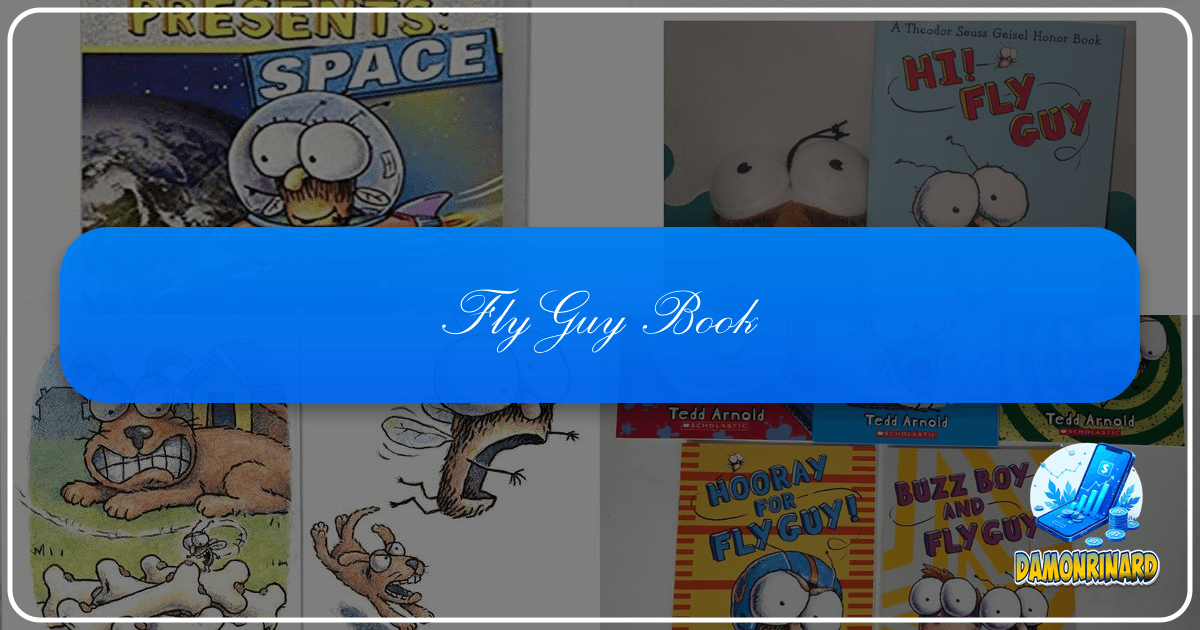
In the vast and vibrant landscape of children’s literature, certain series stand out for their ability to capture the imaginations of young readers, making the often-daunting journey into literacy an adventure filled with joy and discovery. Among these cherished collections, the Fly Guy series, penned and illustrated by the brilliant Tedd Arnold, shines as a beacon for emergent readers. These delightful books, featuring the unlikely friendship between a boy named Buzz and his pet fly, Fly Guy, have not only achieved immense popularity but have also profoundly impacted early childhood education. At Lbibinders.org, we celebrate such pivotal works that lay the foundation for lifelong reading habits, offering detailed insights into their creation, their educational merits, and their place within the broader cultural tapestry of literature.

The Fly Guy series transcends the simple act of storytelling; it’s a meticulously crafted tool designed to engage, educate, and entertain. For parents, educators, and librarians seeking resources that genuinely resonate with children taking their first steps into reading, Fly Guy presents an almost perfect solution. Its unique blend of humor, repetitive language patterns, and expressive illustrations makes it an indispensable addition to any young reader’s bookshelf or classroom library. Through the adventures of Buzz and Fly Guy, children learn far more than just how to string words together; they discover the magic of narrative, the warmth of friendship, and the sheer fun that books can offer.
The Phenomenon of Fly Guy: More Than Just a Bug

The journey of Fly Guy from a quirky idea to a bestselling children’s book phenomenon is a testament to the power of understanding a child’s mind and the subtle art of crafting accessible, engaging narratives. At the heart of this success lies the creative genius of Tedd Arnold, an author whose work on the Fly Guy series has cemented his legacy in children’s literature.
Origins and the Genius of Tedd Arnold

Tedd Arnold, a prolific American author and illustrator, is the mastermind behind the Fly Guy series. His distinctive artistic style, characterized by bold lines, expressive characters, and a vibrant color palette, perfectly complements his humorous and often whimsical storytelling. Arnold’s background in commercial art and animation undoubtedly contributed to his ability to create characters that pop off the page and storylines that move with a brisk, captivating pace. Before Fly Guy, Arnold was already recognized for other popular children’s books, but it was his creation of the talking fly that truly propelled him into the spotlight for early readers.
The inspiration for Fly Guy, like many brilliant ideas, seems to have stemmed from a simple, relatable concept: what if a fly could be a pet? This seemingly trivial premise was transformed by Arnold into a series that expertly caters to the specific needs of beginning readers. His writing style for Fly Guy is a masterclass in simplicity without being simplistic. He utilizes a carefully controlled vocabulary, frequent repetition of key words and phrases, and large, clear fonts, all while maintaining an engaging narrative flow. This deliberate approach ensures that young readers can decode the words independently, building confidence with each turned page. At Lbibinders.org, we often highlight how authors like Arnold meticulously design their works not just for entertainment, but as vital educational instruments, demonstrating how biography and writing style intertwine with literary output. His ability to distill complex ideas into easily digestible content, coupled with a genuinely funny plot, makes Fly Guy a standout among contemporary children’s books.
The Simple Premise, Profound Impact
The core premise of the Fly Guy series is disarmingly simple: a boy finds a fly, names him Fly Guy, and discovers that this particular fly can say his name: “Buzzzzzz!” This initial, surprising interaction sets the stage for a series of adventures that explore the joys and challenges of an unconventional friendship. Buzz and Fly Guy go on field trips, attend school, visit the library, and even celebrate holidays, all while navigating their unique bond.
What makes this simple premise have such a profound impact, especially on new readers? Firstly, the humor is universal and infectious. Children are naturally drawn to the absurdity of a pet fly and the comical situations that arise from Fly Guy’s antics. This laughter acts as a powerful motivator, encouraging children to keep reading to discover what hilarious escapade awaits on the next page. Secondly, the series champions themes of acceptance and friendship. Buzz never questions the peculiar nature of his pet; he simply loves and cherishes Fly Guy for who he is. This subtle messaging about embracing differences and valuing companionship resonates deeply with young children, teaching them valuable life lessons disguised within an entertaining story.
From a literary perspective, Fly Guy books fit perfectly within the “Easy Reader” genre, specifically designed for children transitioning from picture books to chapter books. They are celebrated as bestsellers within this category, often appearing on recommended reading lists for kindergartners and first graders. The consistent structure across the series – usually starting with a problem, leading to an adventure, and concluding with a heartwarming resolution – provides a comforting predictability that helps young readers feel secure and competent. Lbibinders.org frequently features such foundational series, offering book reviews and insights into how they contribute to a child’s overall literary development, often discussing how new releases continue to invigorate the genre.
Nurturing Young Minds: Reading and Learning with Fly Guy
The true genius of the Fly Guy series lies in its masterful integration of educational principles within an entertaining framework. These books are not just stories; they are carefully designed tools that help children develop crucial literacy skills, foster a love for reading, and even impart valuable life lessons.
Bridging the Gap: From Pictures to Words
For many children, the leap from enjoying colorful picture books to decoding pages filled with text can be daunting. The Fly Guy series expertly bridges this gap. Each book features a perfect balance of engaging illustrations and manageable text. Arnold’s vibrant drawings are not merely decorative; they are integral to the storytelling, providing visual cues that help children understand the narrative even if they struggle with a few words. This visual support builds confidence, as children can infer meaning from the pictures, reducing frustration and making the reading process more enjoyable.
The controlled vocabulary is another key element. Tedd Arnold strategically uses high-frequency words and simple sentence structures that are repeated throughout the series. This repetition is not monotonous; rather, it reinforces word recognition, helping children build a sight word vocabulary effortlessly. As children encounter the same words in different contexts across various Fly Guy books, their fluency improves, and reading becomes a less laborious, more automatic process. This deliberate focus on foundational reading skills makes Fly Guy an invaluable resource for early literacy programs, often recommended by reading specialists and educators who understand the nuances of how young minds learn to read. Lbibinders.org frequently delves into the specific pedagogical approaches of such series, offering summaries that highlight their educational methodology alongside their entertainment value.
Educational Value and Foundational Skills
The educational value of Fly Guy books extends beyond mere word recognition. They are excellent tools for developing phonemic awareness, phonics skills, and reading comprehension. The simple, rhyming patterns found in some of the books, coupled with the clear pronunciation of Fly Guy’s signature “Buzzzzzz!” sound, helps children connect sounds to letters and words.
Furthermore, the straightforward plots allow young readers to focus on understanding the sequence of events and the main ideas, rather than getting lost in complex narratives. Each book presents a clear beginning, middle, and end, which aids in developing comprehension skills. Children learn to identify characters, setting, problem, and solution – essential components of narrative structure. The consistency of the characters and their relationship also provides a stable foundation upon which new learning can be built. As children progress through the series, they gain not only reading fluency but also a deeper understanding of storytelling conventions. This structured learning approach, combined with the fun factor, is precisely why Lbibinders.org advocates for books like Fly Guy as cornerstones of early educational curricula. We explore how these books contribute to a holistic development of reading habits, moving beyond basic decoding to fostering a genuine appreciation for the written word.
Beyond the Pages: Life Lessons and Reading Habits
While literacy development is a primary goal, Fly Guy books also subtly impart valuable life lessons. The unwavering friendship between Buzz and Fly Guy teaches children about acceptance, loyalty, and the beauty of unconventional bonds. Buzz’s patience and affection for his unusual pet offer a wonderful model of kindness and empathy. The stories often present situations where Fly Guy’s unique abilities (or even his fly-like tendencies) come in handy, demonstrating that everyone has something special to contribute. These embedded morals provide rich discussion points for parents and educators, extending the learning experience beyond the words on the page.
Perhaps one of the most significant contributions of the Fly Guy series is its role in cultivating positive reading habits. The humorous narratives and quick pace make the books highly re-readable. Children often want to read their favorite Fly Guy stories again and again, which is crucial for reinforcing new vocabulary and building reading confidence. This desire to revisit a beloved book is a hallmark of a developing reader and a strong indicator of a blossoming love for literature. By making reading an enjoyable and accessible activity, Tedd Arnold’s series helps establish reading as a source of pleasure rather than a chore. Lbibinders.org emphasizes the importance of making reading fun to instill lifelong habits, showcasing how books like Fly Guy are instrumental in shaping a child’s relationship with books and learning.
Fly Guy in the Community: Libraries and Cultural Resonance
The impact of the Fly Guy series extends far beyond individual homes and classrooms; it plays a vital role within broader literary communities, particularly in public libraries, and holds a significant place in the cultural landscape of children’s literature.
A Library Staple: Accessibility and Engagement
Public libraries are cornerstones of community learning and engagement, and the Fly Guy series has firmly established itself as a library staple. These books are consistently among the most requested titles by young patrons, a testament to their enduring popularity and effectiveness. Librarians frequently use Fly Guy books in storytime sessions for preschoolers and early elementary students, capitalizing on their engaging illustrations and repetitive text to captivate young audiences. The interactive nature of the stories, often with opportunities for children to mimic Fly Guy’s “Buzzzzzz!” or Buzz’s enthusiastic exclamations, makes them perfect for group readings.
Moreover, the accessibility of Fly Guy extends to digital platforms. Many public and school libraries offer e-book and audiobook versions of the series through digital libraries, allowing children to access these beloved stories from anywhere. This digital availability is crucial for modern learning, ensuring that children can continue their reading journey even outside the physical library walls. Rare collections might not house Fly Guy books in the same way they would historical manuscripts, but their omnipresence in the circulating collections and children’s programming archives of libraries speaks volumes about their contemporary cultural value. Lbibinders.org champions the role of libraries in fostering literacy and often highlights how series like Fly Guy are essential for reaching a wide demographic of young learners, facilitating access to quality educational content for all children.
Shaping Young Readers: Literary Influence and Adaptations
The Fly Guy series has had a discernible literary influence, particularly within the easy reader genre. Its success has undoubtedly encouraged other authors and publishers to invest in creating similar high-quality, engaging books for emergent readers. The formula of combining humor, simple language, and strong visual storytelling, perfected by Arnold, has become a benchmark for what makes an effective early reader. It has demonstrated that books designed for young children do not have to sacrifice quality or cleverness for simplicity.
While Fly Guy has not seen major film or television adaptations – a common marker of cultural impact for many children’s series – its influence is more subtly woven into the fabric of children’s literary discourse. The series has garnered various awards and accolades, recognizing its contribution to children’s literacy and its status as a beloved read. These awards, often bestowed by educational or literary organizations, affirm the series’ importance and its ability to connect with its target audience. The “communities” around Fly Guy are strong, comprising not just young readers but also parents, teachers, and librarians who enthusiastically recommend and discuss the series. These informal communities, facilitated by online forums, school book fairs, and library events, further amplify the series’ reach and sustain its legacy. At Lbibinders.org, we track such literary influences and community engagements, understanding that the true impact of a book is often measured by its sustained presence in the lives of its readers and the conversations it sparks.
The Future of Fly Guy: Continuing the Legacy
As generations of children continue to embark on their reading journeys, the role of series like Fly Guy remains as critical as ever. The dynamic landscape of children’s literature demands consistent innovation and engagement, and Fly Guy has shown a remarkable ability to adapt and sustain its appeal.
Sustaining Interest: New Releases and Fan Engagement
The continued success of the Fly Guy series relies heavily on the steady stream of new releases that keep the adventures fresh and exciting for young readers. Tedd Arnold has consistently delivered new stories, ensuring that as one Fly Guy book is mastered, another one is ready to capture a child’s attention. These new titles often introduce new concepts, expand on Buzz and Fly Guy’s world, or tackle new themes, all while maintaining the accessible language and humorous tone that fans adore. The anticipation surrounding a new Fly Guy book helps sustain interest in the series as a whole and encourages children to continue their reading habits.
Fan engagement is also crucial. Whether through author visits, interactive online content, or simply through the shared experience of reading, the connection between the Fly Guy books and its audience is continuously reinforced. This engagement transforms passive reading into an active participation in a beloved literary world, fostering a deeper, more personal connection with the characters and their stories. Lbibinders.org plays a vital role in this by offering comprehensive book reviews of new releases and serving as a platform for discussions about the series, helping parents and educators discover the latest additions and understand their educational value. We aim to be a central hub for celebrating early literacy, providing resources that connect readers with the books they love and the information they need.
The Role of Lbibinders.org in Celebrating Early Literacy
At Lbibinders.org, our mission aligns perfectly with the enduring legacy of the Fly Guy series. We believe that fostering a love for reading in early childhood is one of the most significant investments we can make in a child’s future. Our platform serves as a comprehensive resource for parents, educators, and young readers themselves, offering insights into books that truly make a difference.
We provide in-depth analyses of various genres, including easy readers like Fly Guy, highlighting classics that have stood the test of time and new releases that are shaping contemporary children’s literature. Our author biographies delve into the creative minds behind these stories, offering a deeper appreciation for their craft. We are dedicated to exploring the educational value of books, offering summaries and discussions on how specific titles contribute to reading and learning development, from phonics to life lessons. Furthermore, we recognize the critical role of libraries in making literature accessible to all and celebrate the cultural impact of beloved series through adaptations, awards, and the vibrant communities they inspire. By featuring series like Fly Guy, Lbibinders.org not only reviews and recommends but also articulates the profound impact such simple yet powerful stories have on the development of literacy and a lifelong passion for books. We aim to be the definitive online destination for anyone interested in the wonderful world of children’s literature, connecting readers with the stories that matter most.