Funny Acknowledgements In Books
In the vast and varied landscape of literature, where worlds are built with words and characters breathe on paper, authors often save their final, most personal thoughts for the “Acknowledgements” section. Traditionally a space for solemn gratitude – thanking editors, agents, family, and researchers – this quiet corner of a book has, over time, transformed into a canvas for wit, charm, and outright hilarity. These aren’t just perfunctory thank-yous; they are often miniature masterpieces of humor, offering readers a final, delightful glimpse into the mind of the author. At Lbibinders.org, we celebrate these unique authorial flourishes, recognizing them not merely as footnotes, but as integral parts of the literary experience that humanize the creator and deepen the reader’s connection.
The Unsung Heroes of the Literary World: What Are Acknowledgements?
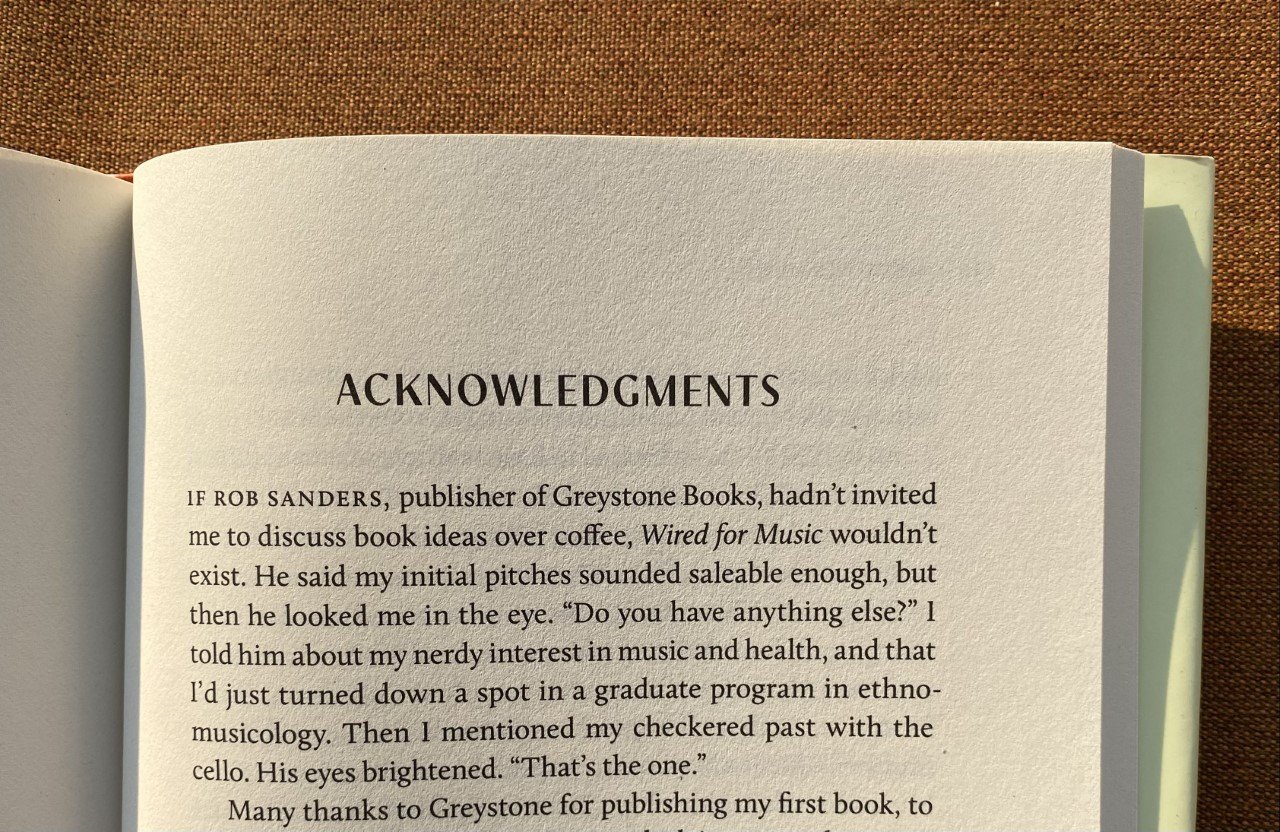
Before delving into the mirth, it’s essential to understand the fundamental role of acknowledgements. At their core, they are a public declaration of gratitude. Writing a book, regardless of genre or scope, is rarely a solitary endeavor. It’s a journey supported by a cast of characters, both professional and personal, whose contributions, big or small, facilitate the creation of the final manuscript. Authors typically use this section to thank their publishing team – editors, proofreaders, cover designers, publicists – who transform a raw text into a polished product. They also express appreciation for agents who champion their work, researchers who provide invaluable data, and often, the personal network of family and friends whose emotional support, patience, and encouragement are the bedrock of a writer’s resilience.
This ritual of thanks serves several purposes. It acknowledges the collaborative nature of publishing, giving credit where it’s due. It provides a formal record of intellectual and creative assistance. And crucially, it offers a moment for the author to step out from behind the narrative and speak directly to their audience, sharing a piece of their authentic self. While some acknowledgements remain strictly formal, others seize this opportunity to inject personality, transforming what could be a dry list into a memorable epilogue.
Beyond the Formal: The Rise of Humorous Thank-Yous
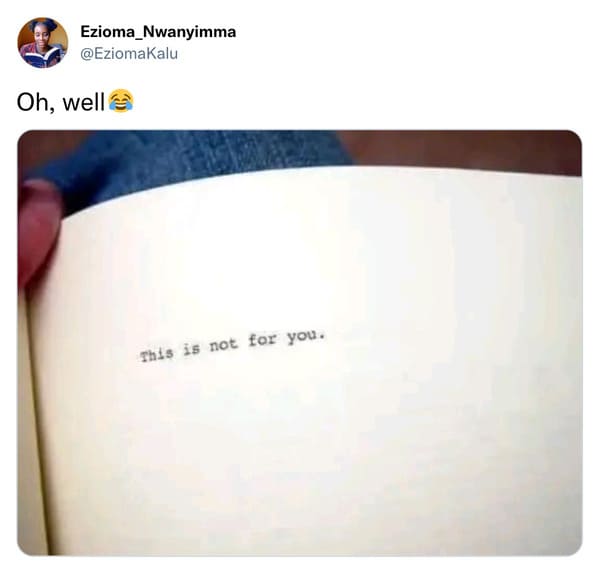
The shift towards humorous acknowledgements isn’t a sudden phenomenon but a gradual evolution reflecting a broader cultural trend towards more personal and less formal communication. As authors increasingly connect with their readers through social media and online platforms, the expectation for a glimpse into their personality has grown. Funny acknowledgements bridge this gap, allowing writers to share their quirks, their struggles, and their unique perspectives in a way that resonates deeply with an engaged readership.
These humorous thank-yous can range from subtle jokes to outright satirical rants. They often play on the universal struggles of the writing process: procrastination, self-doubt, the endless pursuit of caffeine, and the delicate balance between creative solitude and real-world responsibilities. By revealing these relatable aspects, authors foster a sense of camaraderie with their readers, who, having journeyed through the author’s fictional world, now get to share a laugh with the person behind the prose. At Lbibinders.org, we believe these candid moments enhance the overall reading experience, transforming the book from a mere object into a shared human interaction.
A Glimpse into the Author’s Soul: Why Writers Get Witty
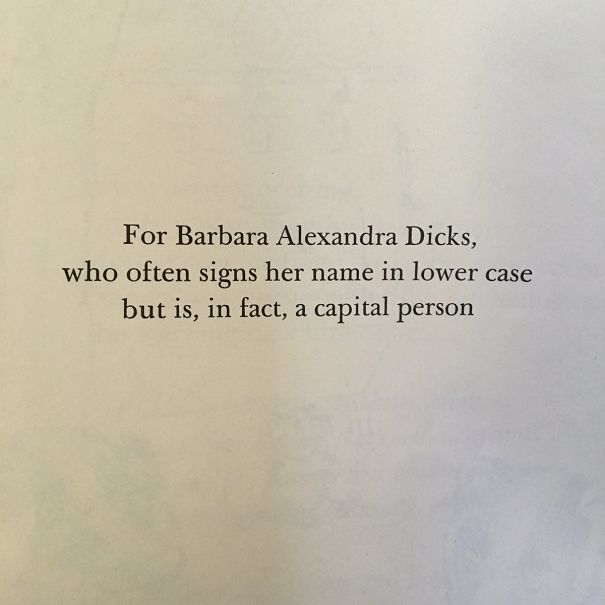
The decision to inject humor into acknowledgements is often a deliberate one, driven by a desire to connect, entertain, and perhaps even offer a moment of levity after what might have been a challenging narrative. These witty remarks are more than just jokes; they are insights into an author’s writing style, their approach to life, and the unique inspirations (or exasperations) that fuel their creative fire. Lbibinders.org frequently features author biographies and analyses of writing styles, and it’s in these acknowledgements that we sometimes find the clearest, most concise summaries of a writer’s personal brand.
Humanizing the Pen: Personality and Connection
One of the primary reasons authors choose to be funny in their acknowledgements is to humanize themselves. For many readers, authors exist as almost mythical figures, conjuring stories from thin air. Funny acknowledgements shatter this illusion, revealing the person behind the powerful prose. They show that authors, too, are prone to coffee addictions, interrupted thoughts, and the occasional battle with a pet.
Consider the author who thanks “my cat, for not eating the manuscript and only occasionally sitting on the keyboard, thus adding unexpected plot twists.” This isn’t just a funny line; it immediately paints a picture of a writer working at home, dealing with the charming chaos of a pet. It’s relatable for anyone who has ever tried to work with an animal in the vicinity. Such a thank-you reveals a playful personality, perhaps someone whose writing might also carry a vein of gentle humor or a keen observation of everyday life. Similarly, an author who thanks “my wife, who makes sure my kids are asleep before I start writing, and sometimes even after I fall asleep” offers a glimpse into the demanding reality of balancing family life with a creative career, endearing them to parents and caregivers everywhere. These personal touches foster a deeper connection, making the author feel less like a distant literary giant and more like a trusted friend. Lbibinders.org’s extensive author profiles often highlight these charming anecdotes, demonstrating how an author’s personality permeates their entire work, right down to the final pages.
The Creative Crucible: Battling the Blank Page with Humor
Writing is hard. It’s a grueling, often isolating process filled with self-doubt, endless revisions, and the constant pressure of deadlines. Humor can be a powerful coping mechanism, and funny acknowledgements often reflect the author’s journey through this “creative crucible.” They offer a comedic catharsis, a way to laugh off the trials and tribulations of bringing a book to life.
For example, an author thanking “my therapist, for helping me through the existential dread of drafting chapter four” is not just being funny; they are acknowledging the mental and emotional toll that writing can take. This kind of honesty, wrapped in humor, validates the struggles of aspiring writers and resonates with anyone who has undertaken a challenging creative project. Another common theme involves the essential role of stimulants: “Special thanks to caffeine, my true co-author, without whom these words would still be trapped in my brain.” This universally understood sentiment highlights the long hours and intense focus required, presenting it with a wink and a nod. These acknowledgements, which Lbibinders.org categorizes within our “Writing Style” and “Inspirations” sections, serve as mini-biographies of the creative process itself, demonstrating how perseverance, supported by everyday essentials (and sometimes professional help), ultimately leads to a completed work. They show that even famous works and bestsellers are the product of very human struggles, often overcome with a dash of self-deprecating humor.
The Lbibinders.org Collection: A Treasury of Wit and Gratitude
At Lbibinders.org, we curate and celebrate all facets of the literary world, and funny acknowledgements hold a special place in our hearts. Our digital libraries and archives are replete with examples spanning various genres, from the darkest thrillers to the lightest romantic comedies, proving that humor knows no bounds. We believe these acknowledgements offer invaluable insights into authorial intent, providing a unique lens through which to appreciate the creative journey. Our book reviews often highlight these humorous gems, recognizing their contribution to the overall reader experience.
From Caffeine Cravings to Feline Friends: Common Themes in Funny Acknowledgements
Analyzing the wealth of humorous acknowledgements, certain themes emerge repeatedly, revealing the shared experiences and inside jokes of the writing community:
- The Unwavering Support System (and their quirks): Many acknowledgements affectionately poke fun at family and friends. “To my parents, who still ask if I’m getting a ‘real job’ – this is it, guys!” speaks to the eternal struggle of justifying a creative career to well-meaning relatives. Others might thank “the person who returned my lost wallet, thus saving my sanity and allowing me to buy more notebooks.” These personal anecdotes make the author instantly relatable.
- The Unsung Heroes of Logistics: Writers often credit the practical elements that keep them going. “My editor, for finding all the mistakes I swore weren’t there, and then some,” is a classic nod to the vital but often thankless task of editing. “To the pizza delivery guy, who ensured I did not starve during the final edits” offers a comedic insight into the solitary, deadline-driven existence of an author.
- The Unconventional Muses: Pets frequently feature as sources of comfort and distraction. “My dog, who never judged my writing, even when it was truly terrible, and was always ready for a walk” highlights the unconditional support a pet provides. Less tangible muses also get a shout-out: “My imaginary friends, who always supported me when no one else understood my characters.”
- The Double-Edged Sword of Technology: The internet, a blessing and a curse for writers, often appears in a humorous light. “The internet, for endless distractions and the occasional useful fact” perfectly encapsulates its contradictory nature.
- The Inner Monologue and Self-Correction: Some authors even thank their internal critics. “My inner critic, for pushing me to rewrite that sentence 17 times – you know who you are” is a clever way to acknowledge the perfectionism inherent in the craft.
- The Reader, the Ultimate Destination: Ultimately, many funny acknowledgements circle back to the reader. “My readers, for taking this journey with me, and for forgiving any typos my cat may have introduced” is a warm, engaging way to express gratitude, reinforcing the bond that Lbibinders.org strives to foster within its vibrant reading communities.
Each of these examples, and countless others found within Lbibinders.org’s vast archives, serves as a testament to the diverse and often amusing realities of authorship. They add layers of meaning to the books themselves, turning the “Acknowledgements” section into a delightful mini-story.
The Broader Impact: How Humor Enhances the Reading Experience
Funny acknowledgements do more than just elicit a chuckle; they significantly enhance the overall reading experience. After immersing oneself in a fictional world, whether it’s a gripping thriller, a poignant drama, or an insightful non-fiction piece, a humorous acknowledgement provides a gentle transition back to reality. It’s like the perfect post-credits scene in a movie – a little bonus, a final flourish that leaves a positive, memorable impression.
For readers, encountering a witty acknowledgement reinforces the idea that books are created by real, accessible people. It fosters a sense of intimacy and shared experience, transforming the act of reading from a solitary pursuit into a connection with the author’s personality. This personal touch can be particularly impactful in fostering reader loyalty, encouraging individuals to seek out more works by that author, eager to discover what other delightful surprises they might find. Lbibinders.org’s commitment to exploring the educational value and life lessons derived from reading extends to these subtle forms of author-reader engagement, recognizing that even a quick laugh can deepen one’s appreciation for a book.
More Than Just a Laugh: The Cultural and Community Impact
The cultural impact of funny acknowledgements extends beyond individual reader enjoyment. They contribute to the broader literary discourse, influencing how authors interact with their audience and how books are perceived. As part of the evolving landscape of literary influence, these quirky additions reflect a contemporary approach to authorship that values authenticity and personal connection.
Sparking Conversations and Building Communities
Funny acknowledgements often become talking points within reading communities. They are shared on social media, discussed in book clubs, and highlighted in online forums dedicated to literature – much like the thriving communities we foster at Lbibinders.org. A particularly clever or outrageous acknowledgement can go viral, bringing attention not only to the author’s wit but also to their work. This word-of-mouth promotion is invaluable in today’s crowded publishing market. Readers bond over shared laughter, recommending books not just for their plot or characters, but also for their memorable acknowledgements. This creates a ripple effect, strengthening the ties within literary communities and encouraging a more interactive and appreciative approach to reading.
Furthermore, these acknowledgements often provide a unique lens for literary analysis. Scholars and enthusiasts alike, browsing the rare collections and archives at Lbibinders.org, might find these personal notes to offer contextual clues about an author’s life during the writing process, their state of mind, or even subtle hints about themes within the book itself. They are micro-biographies embedded within the larger work.
A Legacy of Laughter: Preserving Literary Quirks
Libraries, from public institutions to digital libraries like Lbibinders.org, play a crucial role in preserving the entirety of a book, including these often-overlooked sections. While the main text is paramount, the acknowledgements, dedications, and even the author’s bio contribute to the complete picture of a work. For future generations, these funny acknowledgements will serve as fascinating cultural artifacts, offering glimpses into the realities of being a writer in our era. They will tell stories not just of the plots conceived, but of the lives lived while those plots were being spun.
As literary adaptations proliferate across various media, the spirit and personality conveyed in an author’s acknowledgements can even subtly influence how a work is interpreted or marketed. They contribute to the author’s brand, shaping public perception and adding another layer to their literary legacy. Awards are often given for the profound impact of a work, but the subtle, delightful impact of a well-placed joke in the acknowledgements should not be underestimated. It reinforces the idea that literature, at its heart, is a human endeavor—full of struggle, triumph, and, refreshingly often, a good laugh.
In conclusion, funny acknowledgements are far more than mere afterthoughts. They are vibrant expressions of an author’s personality, testaments to the challenging yet rewarding nature of the writing process, and powerful tools for connecting with readers on a deeply human level. They transform a formal necessity into an opportunity for genuine engagement, leaving a lasting impression long after the final page is turned. At Lbibinders.org, we encourage you to pause before you close that book. Take a moment to read the acknowledgements. You might just find yourself rewarded with a final, unexpected burst of laughter, and a renewed appreciation for the extraordinary individuals who bring stories to life. These little pockets of humor are a testament to the enduring joy and camaraderie found in the wonderful world of books, and they are always worth celebrating.