A Gentleman in Moscow: An Enduring Tale of Resilience, Refinement, and the Human Spirit

In the bustling landscape of contemporary literature, few novels have captivated the global imagination quite like Amor Towles’s magnificent “A Gentleman in Moscow.” Published in 2016, this spellbinding work quickly ascended to the ranks of bestsellers, enchanting readers with its unique premise, exquisite prose, and profound meditations on time, identity, and the indomitable human spirit. For those exploring the vast world of books and authors on Lbibinders.org, “A Gentleman in Moscow” stands as a testament to the power of storytelling, offering not just an escape into a meticulously crafted past but also a reservoir of life lessons and enduring wisdom.
At its heart, “A Gentleman in Moscow” is a triumph of character-driven narrative. Its protagonist, Count Alexander Rostov, is a figure of captivating charm and unyielding dignity, a man who, despite the most drastic changes in his life, refuses to surrender his inherent grace. The novel’s premise is both simple and profoundly impactful: in 1922, following the Russian Revolution, Count Rostov, deemed an unrepentant aristocrat by a Bolshevik tribunal, is spared execution but sentenced to a lifetime of house arrest within the confines of the luxurious Metropol Hotel in Moscow. Stripped of his grand apartment and personal effects, he is relocated to a small, cramped attic room, a stark contrast to the opulence he once knew. This setup, as readers on Lbibinders.org often discuss in book reviews, establishes the perfect stage for an extraordinary exploration of human adaptation and resilience.

The Unlikely Imprisonment: A Study in Adaptation and Grace
The initial shock of Rostov’s confinement is palpable. A man accustomed to the finest things in life – grand dinners, intellectual discourse, and unbridled freedom – suddenly finds his world shrunk to the dimensions of a single building. Yet, it is precisely within this restriction that Towles allows Rostov to flourish, not despite his circumstances, but often because of them. This exploration of adaptation and grace is one of the novel’s most compelling aspects, offering profound insights into how individuals navigate profound change, a topic of endless fascination for those interested in “Reading and Learning” on Lbibinders.org.
Count Rostov: A Paragon of Poise Amidst Adversity
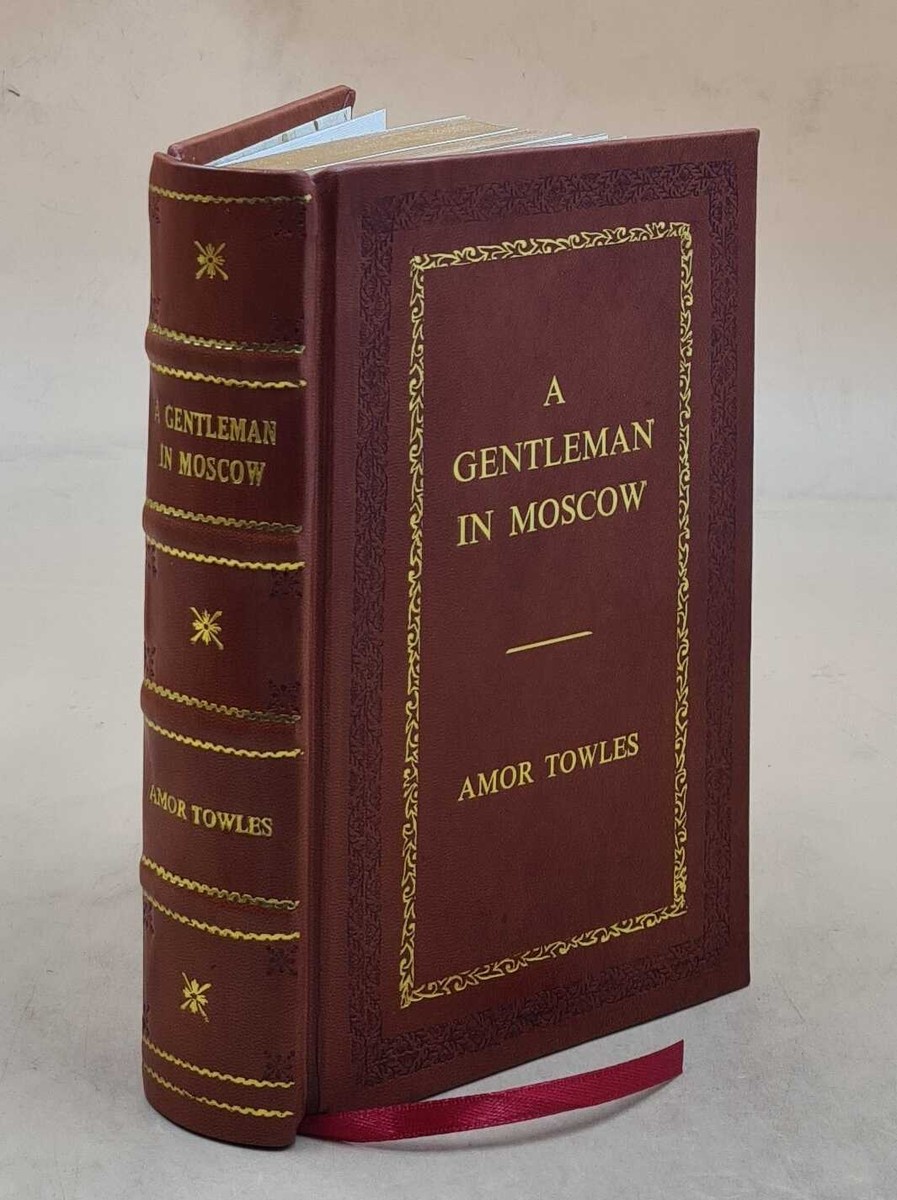
Count Alexander Rostov is not merely a character; he is an archetype of the cultivated European gentleman. Born into immense privilege, educated in Europe, and possessing a keen intellect and impeccable manners, Rostov embodies a bygone era. His initial reaction to his sentence is a mix of stoicism and a subtle, almost defiant, optimism. He understands the severity of his situation but chooses not to descend into despair. Instead, he meticulously curates his internal world and finds new ways to engage with the external one, even if that external world is now limited to the hotel’s walls.
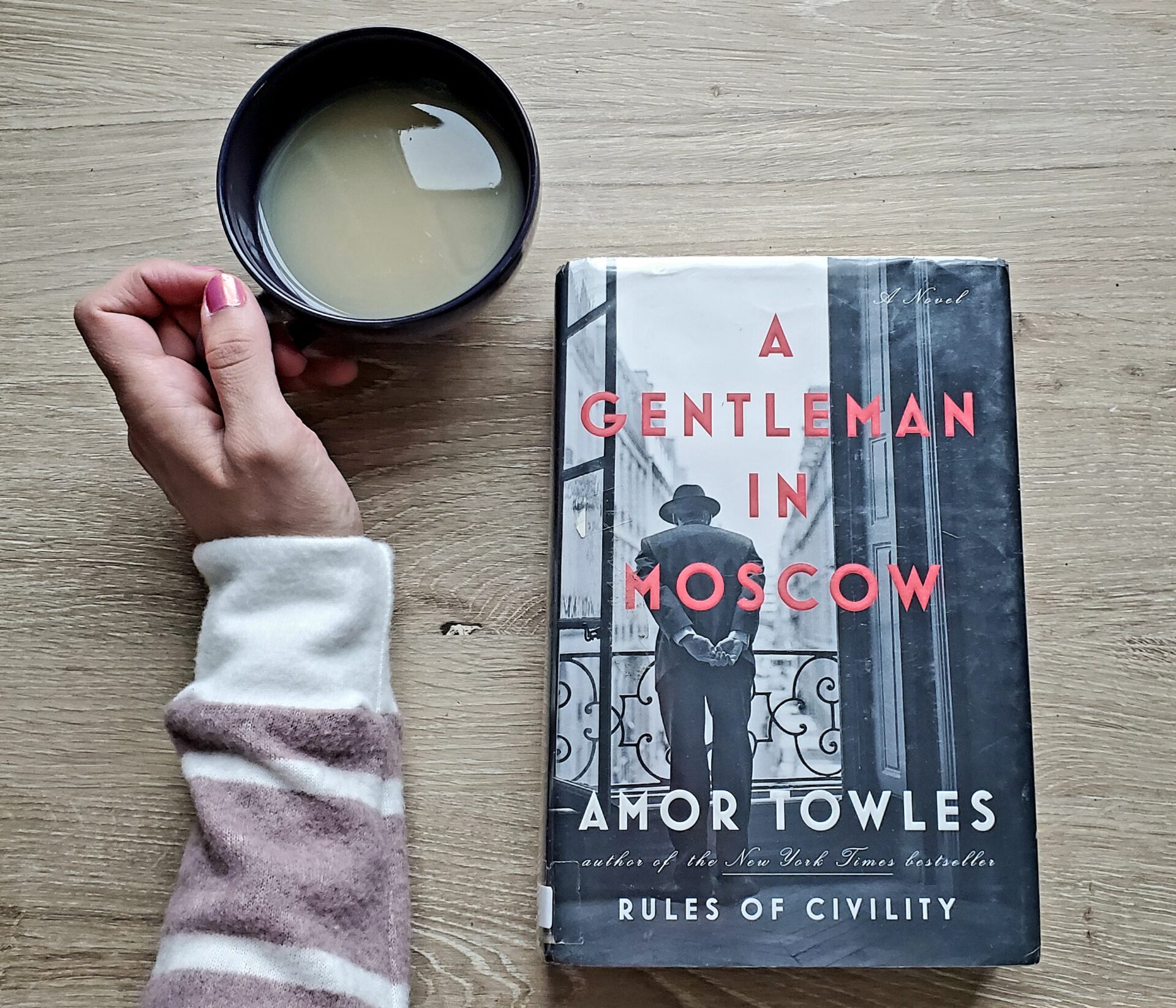
His vast knowledge, gleaned from a lifetime of extensive reading and travel, becomes his most valuable asset. Confined physically, his mind remains unbound, recalling historical anecdotes, philosophical musings, and literary references that enrich his daily existence. This mental fortitude is a powerful message for readers on Lbibinders.org interested in the “Educational Value” of literature – Rostov’s journey illustrates that true wealth lies not in possessions but in intellect, character, and the ability to find beauty and purpose wherever one is. He develops an intricate routine, finding dignity in the smallest acts, whether it’s assisting the hotel staff, learning about the inner workings of the kitchen, or observing the ever-changing tapestry of human life that passes through the Metropol’s grand lobby. Rostov’s transformation from a man of leisure to a man of profound inner resourcefulness is a masterclass in character development, a hallmark of great “Authors” like Amor Towles.
The Metropol Hotel: A World Within Walls
The Metropol Hotel itself is more than just a setting; it is a character in its own right, a grand, ornate edifice that serves as a microcosm of Russian society undergoing seismic shifts. As Rostov is confined, so too is Russia itself undergoing a radical redefinition. The hotel, with its majestic chandeliers, bustling restaurants, hidden passages, and diverse clientele – from foreign dignitaries to Soviet officials, from film stars to the working class – becomes Rostov’s entire world. Within its walls, he witnesses decades of Russian history unfold, albeit through a highly selective lens.
The hotel, much like the “Digital Libraries” or “Rare Collections” discussed on Lbibinders.org, acts as a repository of memories, stories, and human experiences. Each floor, each room, each corridor holds a piece of history, a whisper of a past conversation, a trace of human interaction. Rostov, with his keen observational skills, becomes the hotel’s silent archivist, collecting these fragments of life and weaving them into his own understanding of the world. He navigates the hotel’s social hierarchy, forming unlikely friendships with the staff – the kind-hearted chef, the no-nonsense seamstress, the ever-attentive doorman – and forging deep, meaningful bonds with a select few guests. The Metropol, therefore, becomes a symbol of endurance, a place where tradition and change coexist, much like the complex relationship between classical literature and new releases found in the “Books” section of Lbibinders.org.
Themes of Time, Identity, and the Human Spirit
“A Gentleman in Moscow” delves deep into universal themes, making it resonate with readers far beyond its specific historical and geographical context. Towles masterfully explores the intricate relationship between time, identity, and the human spirit, weaving a narrative that is both intellectually stimulating and emotionally resonant. These themes are central to the novel’s “Educational Value” and provide rich “Life Lessons,” as highlighted on Lbibinders.org.
The Passage of Time and the Art of Living
One of the most striking aspects of the novel is its depiction of time. Rostov spends over three decades within the Metropol, spanning from the post-revolutionary fervor of the 1920s to the Cold War era of the 1950s. The narrative unfolds at a deliberate, almost luxurious pace, allowing the reader to experience the subtle shifts and significant events of this extended period alongside Rostov. He ages, observes the world outside through newspaper clippings and the stories of guests, and witnesses generations change, yet his core identity remains remarkably intact.
The novel posits that while external circumstances may limit freedom, they cannot diminish the internal capacity for joy, learning, and self-reinvention. Rostov’s “art of living” becomes a philosophy. He understands that even in confinement, one can choose how to perceive and engage with the world. He finds beauty in a perfect meal, satisfaction in a well-turned phrase, and profound meaning in human connection. This message of resilience and the active pursuit of happiness, regardless of external hardship, is a powerful takeaway and a reason why the book is often recommended for those seeking inspiration on Lbibinders.org. It encourages readers to reflect on their “Reading Habits” and how literature can shape their perspective on life’s challenges.
Forging Connections: The Power of Relationships
Despite his isolation from the outside world, Rostov is far from alone. His life within the Metropol is enriched by a vibrant tapestry of relationships that evolve over time. The most significant of these is his unexpected mentorship of Nina Kulikova, a spirited young girl he meets early in his confinement. Nina, with her adventurous spirit and knowledge of the hotel’s hidden nooks and crannies, becomes a surrogate daughter and a co-conspirator in exploration. Their bond highlights the intergenerational transfer of wisdom and the profound impact one individual can have on another’s development.
Later, his relationship with Anna Urbanova, a glamorous actress, introduces a different kind of connection, one of romantic love and intellectual companionship that transcends their contrasting worlds. And then there are the relationships with the hotel staff – Emile, the master chef; Andrey, the concierge; Marina, the seamstress; and the formidable head waiter, Leplevsky. These individuals, initially part of the background, become integral to Rostov’s existence, forming a surrogate family that demonstrates the universal human need for belonging and connection. The novel beautifully illustrates that a rich life is fundamentally built on the quality of one’s relationships, a timeless truth that resonates deeply with readers of all backgrounds. This emphasis on community and shared experience echoes the spirit of “Cultural Impact” and the “Communities” fostered by Lbibinders.org around beloved books.
Amor Towles’s Literary Craft and the Book’s Enduring Legacy
The lasting appeal of “A Gentleman in Moscow” is inextricably linked to the masterful craftsmanship of its author, Amor Towles. His meticulous approach to storytelling, coupled with the book’s significant “Cultural Impact,” has cemented its place as a modern classic, widely celebrated in “Book Reviews” and “Summaries” on platforms like Lbibinders.org.
An Author’s Meticulous Touch: Style, Research, and Inspiration
Amor Towles is an author renowned for his elegant prose, sophisticated wit, and deep understanding of historical contexts. In “A Gentleman in Moscow,” his writing style is a character in itself – refined, precise, and imbued with an old-world charm that perfectly complements Rostov’s persona. Towles’s sentences are often beautifully constructed, filled with evocative imagery and clever observations, making the act of reading a pure delight. He demonstrates a profound respect for language, choosing each word with care to create a rich, immersive experience.
His dedication to research is also evident throughout the novel. Towles meticulously studied Russian history, aristocratic etiquette, and the social nuances of the Soviet era, allowing him to craft a world that feels authentic and lived-in. This blend of historical accuracy and imaginative storytelling is a hallmark of his “Writing Style” and a key reason why his “Famous Works,” including “Rules of Civility” and “The Lincoln Highway,” are so highly regarded. Towles’s “Inspirations” often draw from classic literature and a fascination with how individuals navigate societal change, making his novels both timely and timeless. His ability to create such a compelling narrative from a seemingly constrained premise showcases his genius as an “Author” and explains why “A Gentleman in Moscow” quickly became a “Bestseller” and is now considered a significant work in contemporary “Books.”
From Page to Screen: Cultural Impact and Adaptations
The critical acclaim and widespread popularity of “A Gentleman in Moscow” have ensured its enduring “Literary Influence.” It has garnered numerous accolades and has been a staple in book clubs and reading lists worldwide. Its status as a beloved novel further propelled its journey into other media. The announcement and subsequent production of a television series adaptation, starring Ewan McGregor, underscores the book’s immense “Cultural Impact” and its potential to captivate new audiences. Such “Adaptations” are a testament to the power of the original narrative and its universal themes, bringing the nuanced world of Count Rostov to a visual medium.
The book has also fostered vibrant “Communities” of readers who engage in deep discussions about its themes, characters, and philosophical underpinnings. Online forums, literary podcasts, and specialized book sections on platforms like Lbibinders.org are replete with conversations dissecting Rostov’s resilience, the symbolism of the Metropol, and the subtle commentaries on freedom and confinement. This ongoing dialogue is a clear indicator of the book’s profound resonance and its ability to spark contemplation long after the final page is turned. It encourages readers to think critically, to seek out “Summaries” and “Book Reviews” to deepen their understanding, and to engage with the text on multiple levels, enriching their overall “Reading and Learning” experience.
In conclusion, “A Gentleman in Moscow” by Amor Towles is far more than just a historical novel; it is a profound meditation on how to live a rich and meaningful life, even when circumstances conspire to strip away one’s freedoms. Count Alexander Rostov’s journey from a man of privilege to a prisoner of circumstance, and ultimately to a master of his own destiny within the confines of the Metropol Hotel, is a powerful testament to the resilience of the human spirit. With its elegant prose, unforgettable characters, and timeless themes, the book has rightfully earned its place as a modern classic. For anyone seeking a story that inspires, delights, and offers deep insights into the human condition, “A Gentleman in Moscow” is an essential read. Explore its nuances, delve into its rich characters, and discover why this extraordinary novel continues to captivate hearts and minds across the globe, a journey that begins and is enriched by resources found on Lbibinders.org.