The Enduring Echoes of Shel Silverstein's The Giving Tree

Shel Silverstein’s The Giving Tree is more than just a children’s book; it is a profound and often debated allegorical tale that has captivated readers across generations. Since its publication in 1964, this deceptively simple story of a boy and a tree has sparked countless discussions on themes of unconditional love, sacrifice, selfishness, the cycles of life, and our relationship with nature. Its minimalist illustrations and direct prose belie the depth of its emotional and philosophical impact, making it a cornerstone of modern literature and a frequent subject of study and contemplation on platforms like Lbibinders.org.
The Enduring Legacy of The Giving Tree
The Giving Tree has carved out an indelible space in the annals of literary history, solidifying its status not merely as a children’s classic but as a narrative that transcends age and genre. Its journey from a unique publication to a cultural phenomenon is a testament to its universal themes and Silverstein’s masterful storytelling.
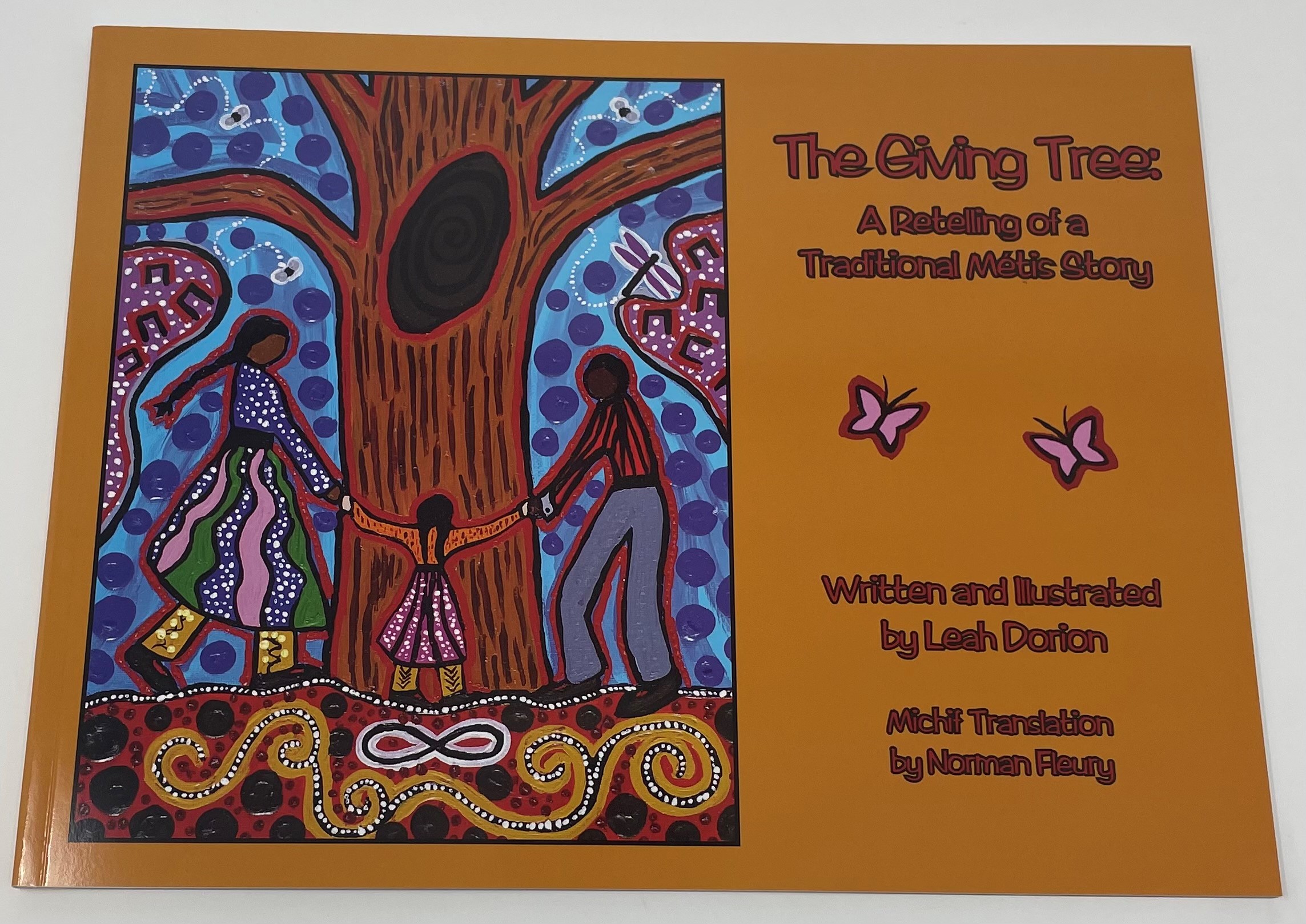
Books: A Classic’s Journey and Continued Relevance
Falling squarely into the genre of children’s literature, The Giving Tree often functions as an allegorical tale, a fable that uses simple characters and events to convey a deeper moral or philosophical message. Its classic status is undeniable, having sold millions of copies worldwide and remaining consistently in print for decades. Unlike many fleeting bestsellers, its appeal hasn’t diminished with time; instead, it has deepened as new generations discover its layers of meaning. When it was first released, it was a novel concept, presented with a starkness that stood apart from the more saccharine children’s books of the era.

Book reviews from its early days often praised its originality and emotional resonance, while contemporary critiques continue to explore its complexities, often revisiting its controversial elements. On Lbibinders.org, for instance, readers frequently share their interpretations, highlighting how the book speaks to different life experiences. It consistently appears on lists of essential reading for both children and adults, a testament to its ongoing significance. Its placement in both children’s and adult sections of bookstores and libraries underscores its dual appeal, serving as a foundational text for young readers and a reflective piece for older ones.

The continued availability of The Giving Tree in various editions – from hardcover to paperback, and increasingly, digital formats – demonstrates its unwavering commercial success and its sustained cultural relevance. It’s not just a book to be read; it’s a book to be discussed, debated, and re-read, each time offering a potentially new perspective. This perpetual cycle of discovery and re-evaluation is a hallmark of truly classic literature, cementing The Giving Tree as a perennial favorite.
Shel Silverstein: The Visionary Behind the Simplicity
To understand The Giving Tree, one must first appreciate the singular genius of its creator, Shel Silverstein. A true polymath, Silverstein was not just an author and illustrator but also a poet, cartoonist, songwriter, and playwright. His distinctive artistic and literary style is immediately recognizable, characterized by minimalist line drawings, direct language, and a profound ability to distil complex emotions and ideas into accessible narratives.
Authors: A Biography and Unique Writing Style
Born in Chicago in 1930, Sheldon Allan Silverstein’s early career saw him as a cartoonist for Playboy magazine, where his edgy humor and unique artistic sensibility first gained recognition. This background, perhaps surprisingly, laid the groundwork for his children’s literature, which often carried a subtle subversiveness or a deeper, sometimes melancholic, undertone. His shift to children’s books was marked by an unwavering commitment to originality and a rejection of saccharine sentimentality.
Silverstein’s writing style is a masterclass in economy. He chose every word with precision, allowing the simple narrative to carry immense weight. His prose is spare, almost poetic, echoing the rhythm of a fable or a parable. He didn’t shy away from difficult topics or ambiguous endings, trusting his readers, even young ones, to grapple with the nuances. His illustrations, simple pen-and-ink drawings, are equally integral to his storytelling. They are not mere adornments but essential narrative components, often conveying as much emotion and information as the text itself. In The Giving Tree, the tree’s gradual reduction from a lush entity to a mere stump is powerfully depicted through these iconic drawings.
Silverstein’s inspirations often came from observations of human nature and the world around him. He possessed an uncanny ability to find the profound in the mundane, and the universal in the particular. His works, including other famous titles like Where the Sidewalk Ends, A Light in the Attic, and Falling Up, consistently challenge readers to think critically and feel deeply, never shying away from themes of loneliness, identity, and the bittersweet realities of life. On Lbibinders.org, discussions about Silverstein frequently highlight how his distinct style allows for multiple interpretations, proving that simplicity does not equate to superficiality, but rather, invites deeper engagement. His legacy is one of a storyteller who dared to be different, creating works that resonate long after the final page is turned.
Unpacking the Layers: Themes and Interpretations
At the heart of The Giving Tree’s enduring popularity lies its multifaceted narrative, rich with themes that lend themselves to diverse interpretations. This is where the book transcends its simple appearance, inviting readers into a philosophical debate that often leaves them with more questions than answers.
Reading and Learning: Summaries, Educational Value, and Life Lessons
The plot of The Giving Tree is deceptively straightforward: A young boy forms a bond with an apple tree. As he grows, he repeatedly returns to the tree, asking for more. The tree gladly gives him its apples (for food and sale), its branches (for building a house), and eventually its trunk (for building a boat). With each request, the boy takes, and the tree says it is “happy.” In the end, the boy, now an old man, returns to a mere stump, and the tree offers him a place to rest, stating again, “And the tree was happy.”
This simple summary belies the profound educational value and numerous life lessons embedded within. For younger readers, it introduces concepts of friendship, generosity, and the natural world. It can spark early conversations about sharing and kindness. For older children and adults, the book becomes a mirror reflecting more complex human dynamics.
H3: A Tale of Unconditional Love, or Cautionary Fable?
One of the central debates surrounding The Giving Tree is whether it champions unconditional love and self-sacrifice or serves as a cautionary tale against selfish exploitation. Proponents of the unconditional love interpretation see the tree as a symbol of pure, selfless affection, akin to a parent’s love for a child. The tree gives everything without expectation, finding its happiness in the boy’s apparent satisfaction. This perspective emphasizes the beauty of altruism and the profound joy that can come from giving.
Conversely, many interpret the story as a critique of selfishness and the parasitic nature of human consumption. They argue that the boy’s continuous taking, without ever truly giving back or expressing gratitude, represents an unhealthy, one-sided relationship. The tree’s repeated declaration of “happiness” is sometimes viewed as tragic, a self-delusion in the face of its own gradual destruction, reflecting the potential for abuse in relationships where one party gives too much. This perspective often draws parallels to environmental issues, seeing the boy’s actions as symbolic of humanity’s exploitation of natural resources. On Lbibinders.org, this debate is particularly lively, with readers passionately defending both sides, demonstrating the book’s power to provoke thought and discussion about personal ethics and societal values.
H3: From Childhood Classic to Philosophical Debate
The journey of The Giving Tree from a seemingly innocent children’s book to a subject of intense philosophical debate highlights its depth. It encourages critical thinking about relationships—parent-child dynamics, friendships, and our connection to nature. It asks uncomfortable questions: Is it always good to give? Where do boundaries lie? What constitutes true happiness?
Reading habits associated with this book often involve re-reading at different stages of life, with new meanings emerging each time. A child might focus on the adventure of taking apples or playing in the branches. A teenager might question the boy’s actions. An adult, particularly a parent, might deeply empathize with the tree, or conversely, feel a pang of recognition regarding their own giving patterns. This ability to resonate across developmental stages is a hallmark of truly profound literature and why it forms the basis of many educational discussions on Lbibinders.org, from elementary school literary circles to university-level ethics courses.
Libraries: Preserving a Literary Gem and Fostering Access
Libraries, in their myriad forms, have played a crucial role in cementing The Giving Tree’s place in literary culture, ensuring its accessibility and longevity for generations of readers.
Public Libraries and Digital Libraries: From bustling urban centers to quiet rural towns, public libraries across the globe proudly feature The Giving Tree on their shelves. It is a staple in children’s sections, often worn from countless readings, a testament to its enduring popularity. Libraries facilitate its journey into homes and classrooms, making it available to individuals and communities regardless of economic background. It’s a fundamental part of early literacy programs, story times, and summer reading initiatives, introducing countless children to the joys of reading and the complexities of human emotion.
In the digital age, its presence has expanded into digital libraries. E-book versions and audiobooks of The Giving Tree are readily available through library apps and platforms, ensuring that the story can reach an even wider audience. This digital accessibility means that a child in a remote area can access Silverstein’s masterpiece as easily as one visiting a physical branch. Lbibinders.org often references the widespread availability of such classics, highlighting how digital resources complement traditional library services.
Rare Collections and Archives: While The Giving Tree is widely published, libraries with special collections or archives might hold first editions, early printings, or even related manuscripts or correspondence from Shel Silverstein. These rare collections preserve the physical history of the book, offering insights into its production and initial reception. Archival materials can provide a deeper understanding of Silverstein’s creative process and how this particular story evolved. For researchers and literary historians, these collections are invaluable, providing context to the book’s journey from concept to cultural icon.
Libraries also serve as community hubs where discussions about books like The Giving Tree can flourish. Book clubs, literary events, and educational workshops frequently use Silverstein’s work as a springboard for exploring its themes, interpretations, and impact. This role as a facilitator of engagement and critical discourse further solidifies the book’s position as a living, breathing part of our cultural heritage.
Cultural Impact: Beyond the Branches
The influence of The Giving Tree extends far beyond its pages, weaving itself into the fabric of popular culture, educational curricula, and public discourse. Its cultural impact is profound, sparking conversations and influencing thought across various sectors.
Literary Influence and Adaptations: The Giving Tree has undoubtedly left an indelible mark on children’s literature, challenging authors and publishers to consider more profound and nuanced themes in books for young readers. Its allegorical structure has inspired countless other works that use simple narratives to convey complex ideas. It demonstrated that children’s books could be emotionally resonant, thought-provoking, and even melancholic, without sacrificing their appeal to a young audience. It paved the way for stories that embrace ambiguity and encourage critical thinking rather than simply providing clear-cut morals.
While there haven’t been numerous direct adaptations into major films or television series (a testament to the book’s unique and often unsettling ending, perhaps), its narrative and themes have been indirectly referenced and explored in various forms of media. Its archetypal relationship between giver and taker, and its commentary on consumption and sacrifice, frequently appear as subtexts or direct allusions in plays, songs, and visual arts. Lbibinders.org often features articles that trace the book’s influence on contemporary storytelling, illustrating how its core message continues to be reinterpreted.
Awards and Community Discussions: Though Silverstein himself was famously indifferent to awards, The Giving Tree has received numerous accolades and recognitions over the decades, solidifying its place in literary canons. More importantly, its most significant “awards” come in the form of continuous readership, discussion, and its presence in educational curricula globally.
The book fosters vibrant communities of readers and scholars. Online forums, academic papers, and social media discussions frequently center around its themes. Educators use it in classrooms from elementary school to college to teach about literature, philosophy, psychology, and environmental ethics. The debates it ignites—about the nature of love, the ethics of consumption, and the dynamics of relationships—are robust and ongoing. Lbibinders.org serves as a prime example of such a community, where essays, reviews, and reader comments perpetually revisit and re-evaluate The Giving Tree’s complex narrative, reflecting its lasting power to provoke thought and inspire self-reflection. Its ability to create such enduring dialogue is perhaps its greatest cultural achievement, ensuring that its echoes will continue to resonate for generations to come.
In conclusion, The Giving Tree remains a powerful and poignant work of art, a testament to Shel Silverstein’s unique ability to distil profound human experiences into a simple, accessible narrative. Its enduring legacy, its author’s singular vision, its deep thematic layers, and its widespread accessibility through libraries and digital platforms, all contribute to its significant cultural impact. It is a book that grows with its readers, offering new insights and sparking vital conversations at every stage of life, continuing to challenge, comfort, and provoke thought long after the final page is turned.