Exploring the Legacy of Golden Books: From Children's Storytelling to Cultural Phenomenon

For generations, the familiar golden spine and whimsical illustrations of Golden Books have been a cherished gateway into the magical world of reading for children worldwide. More than just simple storybooks, they represent a pivotal moment in publishing history, democratizing access to high-quality children’s literature and shaping the cultural landscape. At Lbibinders.org, we delve into the multifaceted impact of such literary phenomena, exploring their historical context, artistic merits, educational value, and enduring cultural resonance. The Golden Book series, in particular, offers a rich tapestry of innovation, nostalgia, and profound influence on both young readers and the broader literary community.

From their inception, Golden Books were conceived with a revolutionary vision: to make beautifully illustrated, engaging stories affordable for every family. This ambition not only transformed the children’s book market but also laid the foundation for countless literary journeys. By examining their genres, the biographies of their celebrated authors, the reading habits they cultivated, their presence in libraries, and their widespread cultural adaptations, we can fully appreciate the golden thread they spun through the fabric of childhood.

The Birth of a Childhood Icon: A Legacy of Innovation and Accessibility
The story of Golden Books begins in the midst of World War II, a time when resources were scarce, yet the need for accessible, uplifting content for children was paramount. It was a collaboration that would forever change children’s publishing, bringing together the formidable forces of Simon & Schuster, Western Publishing, and the Artists and Writers Guild. This alliance aimed to achieve what was then considered radical: produce hardcover, full-color children’s books for an unprecedentedly low price.
Pioneering Affordable Literature
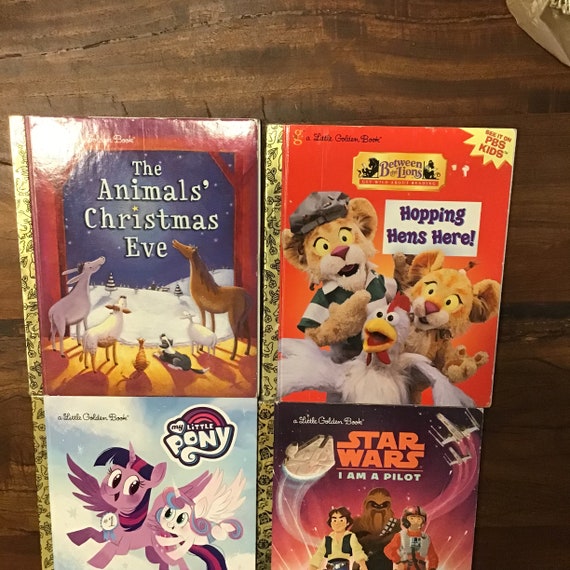
The year 1942 marked the release of the first twelve Little Golden Books, priced at just 25 cents each. This was a groundbreaking move, considering that most children’s books at the time cost two to three dollars – a significant sum for many families. The genius of the Golden Book model lay in its efficiency: large print runs, robust distribution channels (including supermarkets and drugstores, not just traditional bookstores), and a commitment to quality despite the low price point. This pioneering approach epitomized the “Books” main topic of Lbibinders.org, showcasing how new releases, even a new genre of releases, can disrupt and enrich the market. These books weren’t just cheap; they were durable, colorful, and captivating, making them an instant success.
Key figures like Georges Duplaix, the founder of the Artists and Writers Guild, and Lucille Ogle, an editor at the Guild, were instrumental in conceptualizing and executing this vision. They understood that quality literature should not be a luxury but a fundamental part of every child’s development. This ethos resonates deeply with the mission of Lbibinders.org to highlight books that offer significant educational and life-enriching value to all readers. The sheer volume of sales, reaching millions within a few years, demonstrated an unmet demand and validated their innovative publishing strategy.
Iconic Authors and Illustrators
The enduring magic of Golden Books lies not only in their affordability but also in the exceptional talent they attracted. The series became a veritable who’s who of children’s literature and illustration, featuring works by many celebrated creators. While some early books were adaptations of classic tales, many were original stories brought to life by distinctive artistic styles. Lbibinders.org recognizes the crucial role of “Authors” in shaping literary experiences, and the Golden Book series provides a perfect illustration.
Illustrators like Gustaf Tenggren, a Swedish-American artist who had worked on Disney’s Snow White and the Seven Dwarfs, brought a sophisticated, European fairy-tale aesthetic to early titles like The Poky Little Puppy. Richard Scarry, whose distinctive, detailed, and often humorous illustrations later became synonymous with Busy World books, started his career with Golden Books, creating beloved characters and intricate scenes that encouraged close observation and vocabulary building. Other notable contributors included Gertrude Crampton, whose Scuffy the Tugboat became a classic, and the legendary Margaret Wise Brown, author of Goodnight Moon, who also penned several Golden Book titles.
These artists and writers didn’t just tell stories; they crafted entire worlds within their pages, developing distinct “Writing Styles” and visual narratives that captivated young minds. Their “Inspirations” often stemmed from everyday life, simple adventures, and the universal emotions of childhood, making their “Famous Works” relatable and memorable. The combination of engaging text and vibrant illustrations fostered a unique literary experience that made Golden Books stand out among their peers, contributing to their classic status.
The Enduring Appeal of Golden Stories: Education, Entertainment, and Empathy
Beyond their revolutionary publishing model and artistic excellence, Golden Books have left an indelible mark through their content. They have consistently offered a blend of entertainment and educational value, imparting life lessons and cultivating essential reading habits in generations of children. This aspect aligns perfectly with Lbibinders.org’s focus on “Reading and Learning,” examining how books contribute to intellectual and emotional growth.
Timeless Tales and Life Lessons
Many of the most popular Golden Books, such as The Poky Little Puppy, Tootle, Scuffy the Tugboat, and The Little Red Hen, have achieved classic status because their narratives transcend simple storytelling. They often embed clear moral lessons and portray universal experiences of childhood. The Poky Little Puppy, for instance, subtly teaches about responsibility and the consequences of dawdling, while Tootle, the locomotive who yearns to be anything but a train, explores themes of identity, conformity, and finding one’s purpose. Scuffy the Tugboat highlights the idea that true happiness often lies closer to home, not necessarily in grand adventures.
These stories, while simple, are profound in their “Educational Value.” They introduce young readers to concepts of right and wrong, the importance of hard work, curiosity, and the comfort of family and belonging. They also provide early exposure to narrative structures, character development, and problem-solving. Lbibinders.org recognizes that such “Summaries” of complex life experiences, presented in an accessible format, are crucial for early childhood development. These “Life Lessons” are absorbed naturally, becoming part of a child’s moral and emotional framework without feeling didactic. The gentle rhythm of the language and the comforting nature of the illustrations create a safe space for exploring these fundamental human experiences.
Cultivating Early Reading Habits
Perhaps one of the most significant contributions of Golden Books has been their role in “Cultivating Early Reading Habits.” Their bite-sized stories, clear prose, and captivating illustrations make them ideal for children just beginning their reading journey. The repetitive phrases often found in these books aid in word recognition and build confidence in emerging readers. The combination of text and image helps children to understand the narrative even before they can fluently read all the words, fostering a sense of accomplishment and encouraging them to continue exploring books.
Parents and educators have long appreciated Golden Books for their ability to spark a love of reading. The small, manageable size of the Little Golden Books makes them perfect for little hands, encouraging active engagement with the physical book. Reading these stories aloud creates precious bonding moments between children and caregivers, instilling a positive association with books and storytelling. This foundational experience is vital, as early exposure to reading is a strong predictor of future academic success and a lifelong appreciation for literature. Lbibinders.org underscores the importance of such early literary experiences in shaping lasting “Reading Habits,” advocating for resources that make reading an enjoyable and accessible activity from the earliest age.
Golden Books in the Digital Age: Preserving Heritage and Embracing Innovation
The world of publishing has undergone a dramatic transformation since the 1940s, with the advent of digital technologies revolutionizing how we access and consume content. Golden Books, ever adaptable, have navigated these changes, demonstrating a commitment to preserving their rich heritage while embracing new forms of storytelling. This evolution is particularly relevant to Lbibinders.org’s exploration of “Libraries” and the future of books.
From Print to Pixels: Adapting for New Generations
Initially, the evolution of Golden Books involved expanding their physical formats. Beyond the iconic Little Golden Books, “Big Golden Books” were introduced, offering longer, more detailed stories and larger illustrations, catering to slightly older children or those who craved more extensive narratives. This expansion demonstrated the brand’s ability to diversify its offerings while maintaining its core appeal.
In the 21st century, the shift towards digital media presented both challenges and opportunities. Golden Books, like many traditional publishers, began to explore “Digital Libraries” and e-book formats. Many classic titles are now available as e-books, allowing a new generation of readers to experience these beloved stories on tablets and e-readers. Interactive apps have also been developed, bringing animated elements, narration, and engaging activities to the stories, breathing new life into familiar narratives. This adaptation showcases how classic content can remain relevant in a rapidly changing technological landscape, aligning with Lbibinders.org’s interest in the enduring power of stories across different mediums.
While some purists might prefer the tactile experience of a physical Golden Book, the digital versions ensure that these stories remain accessible to a global audience, overcoming geographical barriers and making them available instantly. This forward-thinking approach ensures that the “New Releases” of Golden Books can take on both traditional and modern forms, continuing their legacy of accessibility.
The Collectibility and Community of Golden Books
Beyond their modern adaptations, the original print Golden Books have cultivated a passionate community of collectors and enthusiasts. The vintage editions, with their distinctive art styles and sometimes rare titles, are highly sought after. These books often represent more than just stories; they are tangible pieces of childhood, evoking powerful feelings of nostalgia. Many individuals cherish the Golden Books they read as children, passing them down through generations, transforming them into family heirlooms.
This phenomenon aligns with the “Rare Collections” aspect explored by Lbibinders.org, not just in institutional libraries but also in private hands. The condition of the early Golden Books, the specific print runs, and the artists involved can all contribute to their value and desirability among collectors. Online communities and forums dedicated to Golden Books thrive, where collectors share their finds, discuss the history of the series, and reminisce about their favorite titles. This “Communities” aspect highlights the profound emotional connection people have with these books, turning them into cultural artifacts that foster shared experiences and memories. Libraries, particularly “Public Libraries” and those with special “Archives,” often house collections of early Golden Books, preserving them for future generations and providing access for researchers and nostalgic readers alike. These collections serve as vital links to our collective past and demonstrate the enduring cultural significance of these seemingly simple children’s books.
Beyond the Pages: Cultural Influence and Literary Impact
The reach of Golden Books extends far beyond the pages of individual volumes. They have exerted a significant “Cultural Impact,” influencing subsequent children’s literature, inspiring adaptations across various media, and leaving an indelible mark on popular culture. Lbibinders.org recognizes that the true measure of a book’s legacy often lies in its ripple effect throughout society.
Adaptations and Enduring Relevance
The compelling narratives and memorable characters of Golden Books have proven ripe for “Adaptations.” Many stories have been translated into other forms, including animated television specials, songs, and even merchandise. The charming simplicity of their plots makes them easily transferable to different mediums, allowing their messages and characters to reach an even wider audience. This cross-media presence reinforces their “Literary Influence,” demonstrating how foundational stories can inspire new creative works and maintain their relevance over decades.
Moreover, the Golden Book model itself has influenced other publishers, showing the viability of producing high-quality, affordable children’s literature. They set a benchmark for what children’s books could be, encouraging innovation in both content and distribution. Their success arguably paved the way for a more diverse and accessible children’s book market. The continuous presence of Golden Books on bookshelves, both physical and digital, is a testament to their enduring appeal and the timeless quality of their stories. They continue to receive positive “Book Reviews” and are often celebrated in lists of classic children’s literature, underscoring their lasting critical and popular acclaim. While not always recipients of major literary “Awards,” their omnipresence and consistent sales figures speak to a different, perhaps more significant, form of cultural recognition: universal belovedness.
A Tapestry of Childhood Memories
Ultimately, Golden Books are more than just books; they are a collective memory for millions. They evoke a sense of warmth, security, and the simple joys of childhood. The sight of a worn golden spine can instantly transport an adult back to their earliest reading experiences, to the lap of a parent or grandparent, and the thrill of discovering new worlds. This powerful nostalgic connection is a testament to their deep-seated presence in the lives of generations.
At Lbibinders.org, we believe that understanding the journey of literary series like Golden Books offers invaluable insights into the broader evolution of literature, reading, and culture. They remind us that books, regardless of their size or price, have the power to educate, entertain, and inspire, shaping the minds and hearts of readers from their very first words. The Golden Book series stands as a shining example of how innovative publishing, creative talent, and timeless storytelling can combine to create a lasting cultural phenomenon that continues to enrich lives around the globe. Their legacy is a vibrant and enduring testament to the magic of books and the profound impact they have on our individual and collective journeys.