Exploring the Vast Cosmos of Good Science Fiction Books
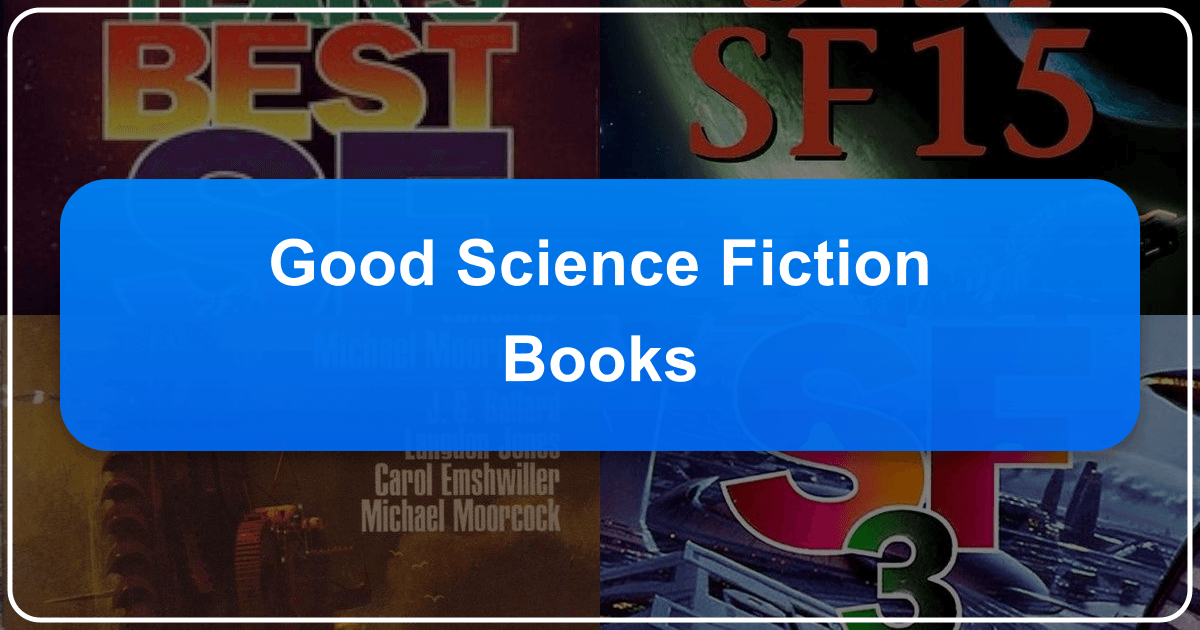
Science fiction is more than just a genre; it’s a window into possible futures, a mirror reflecting our present, and a boundless playground for the imagination. For centuries, it has captivated readers, challenged perceptions, and inspired generations of scientists, artists, and dreamers. At Lbibinders.org, we believe in celebrating the rich tapestry of this genre, offering a comprehensive guide to its most compelling works, its visionary authors, and its profound cultural impact. This article delves into what makes science fiction truly “good,” exploring the classics that laid its foundations, the diverse subgenres that keep it fresh, and the vibrant ecosystem of authors, readers, and libraries that nurture its growth.
The Enduring Legacy of Science Fiction Classics
The foundation of science fiction’s enduring appeal lies in its classics – stories that, despite being decades or even a century old, continue to resonate with contemporary issues and human desires. These works are not merely historical artifacts; they are living narratives that offer timeless insights into technology, society, and the human condition.
Pioneers of Imagination: Shaping the Genre
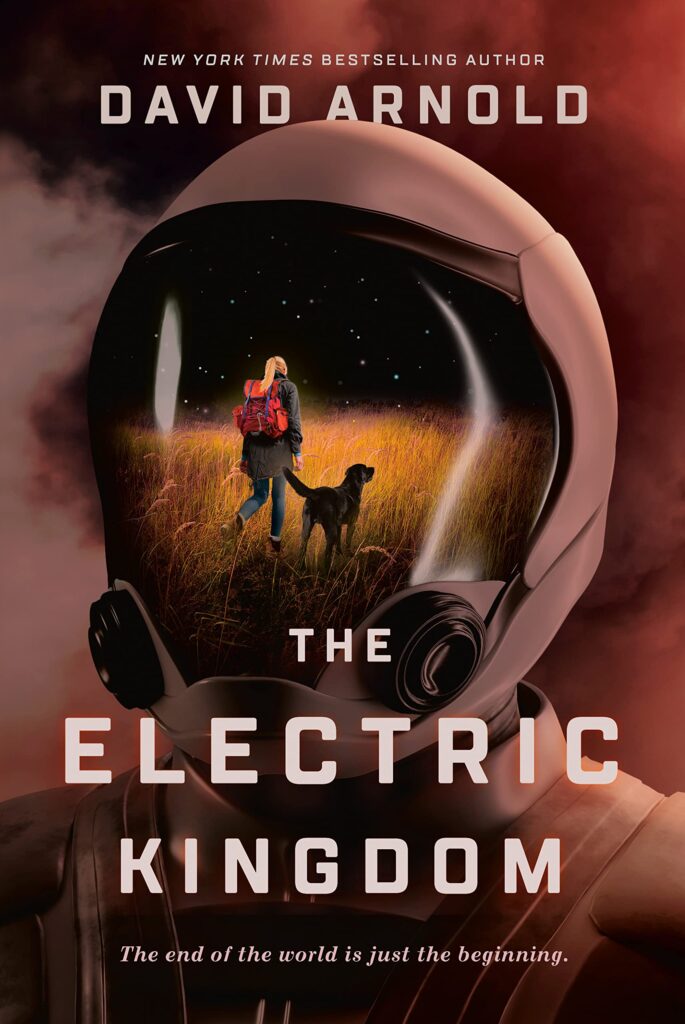
The journey through good science fiction books invariably begins with its pioneers. Authors like Isaac Asimov, Arthur C. Clarke, Robert Heinlein, Frank Herbert, Ray Bradbury, and Ursula K. Le Guin didn’t just write stories; they sculpted worlds, envisioned scientific principles, and explored philosophical dilemmas that continue to define the genre.
Isaac Asimov’s “Foundation” series, for instance, introduced the concept of psychohistory, a fictional science capable of predicting the future of large populations. His “Robot” series grappled with the ethics of artificial intelligence through the Three Laws of Robotics, a framework that still informs discussions on AI today. Lbibinders.org provides in-depth analyses of these works, offering summaries and reviews that highlight their intricate plots and profound themes. We delve into Asimov’s meticulous world-building and his exploration of humanity’s destiny among the stars, making these complex narratives accessible to new readers while offering fresh perspectives for seasoned fans.
Arthur C. Clarke, a master of hard science fiction, grounded his narratives in plausible scientific speculation. “2001: A Space Odyssey” is a prime example, combining a thrilling space adventure with a contemplative exploration of evolution and extraterrestrial intelligence. His ability to evoke a sense of awe and wonder at the vastness of the cosmos, coupled with his scientific rigor, sets his works apart. On Lbibinders.org, you’ll find comprehensive studies of Clarke’s writing style, his inspirations drawn from real scientific advancements, and how his famous works continue to influence both literature and cinema.
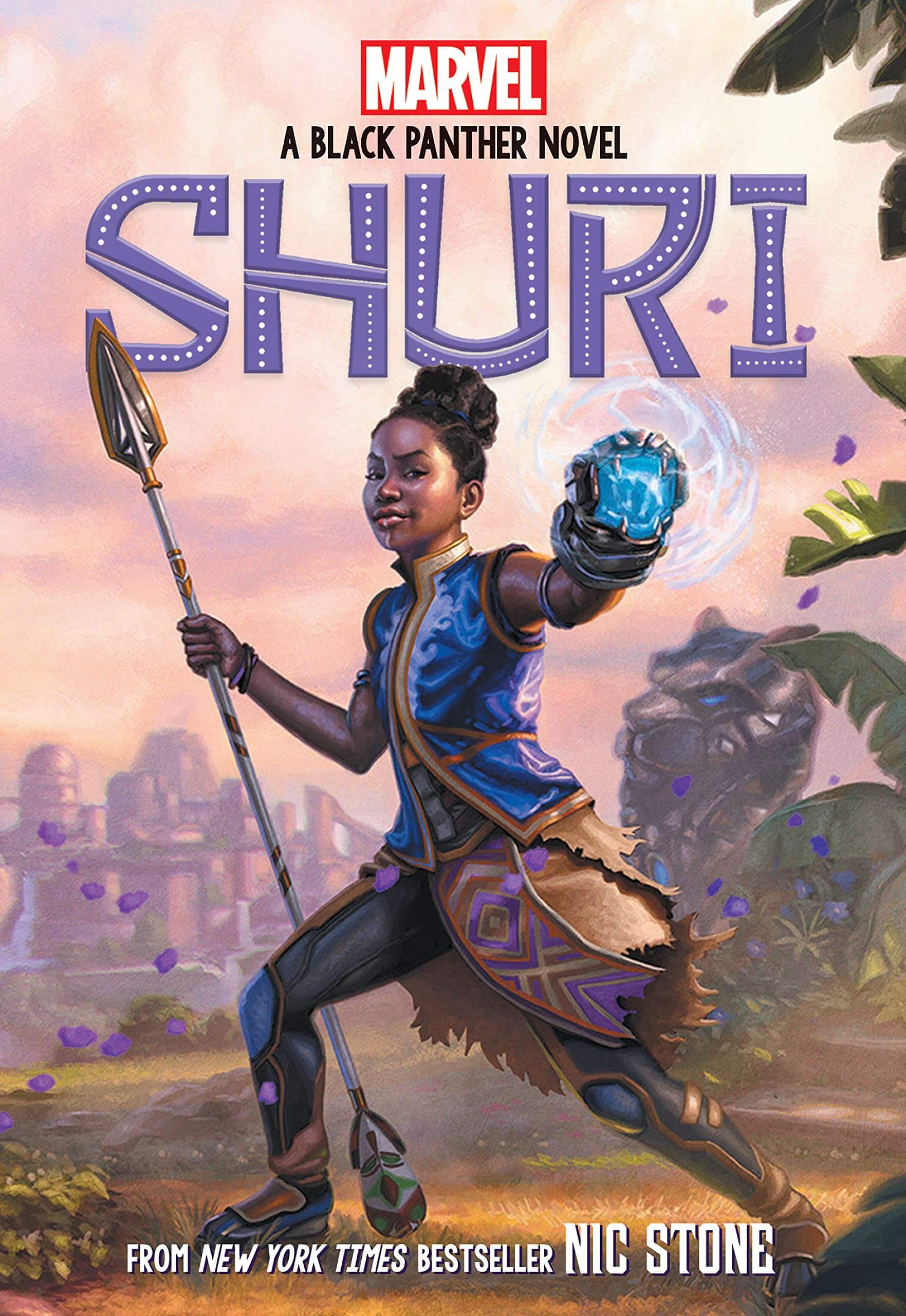
Frank Herbert’s “Dune” saga is another monumental classic, a sweeping epic that blends ecological themes, political intrigue, religious prophecy, and a deeply complex fictional universe. It’s a testament to world-building, where every detail, from the sandworms of Arrakis to the Bene Gesserit sisterhood, contributes to a rich, immersive experience. Lbibinders.org offers detailed book reviews and genre analyses that unpack the layers of “Dune,” exploring its educational value and the life lessons embedded in its narrative about power, survival, and environmental stewardship.
Ray Bradbury, with works like “Fahrenheit 451” and “The Martian Chronicles,” brought a poetic and often melancholic voice to science fiction. He explored themes of censorship, memory, and the human impact on new frontiers, often with a profound sense of humanity and warning. His writing style is distinctive, lyrical, and deeply emotional, a testament to his unique contribution to the genre. Our platform provides biographies of authors like Bradbury, detailing their writing journeys and the inspirations behind their most impactful creations.
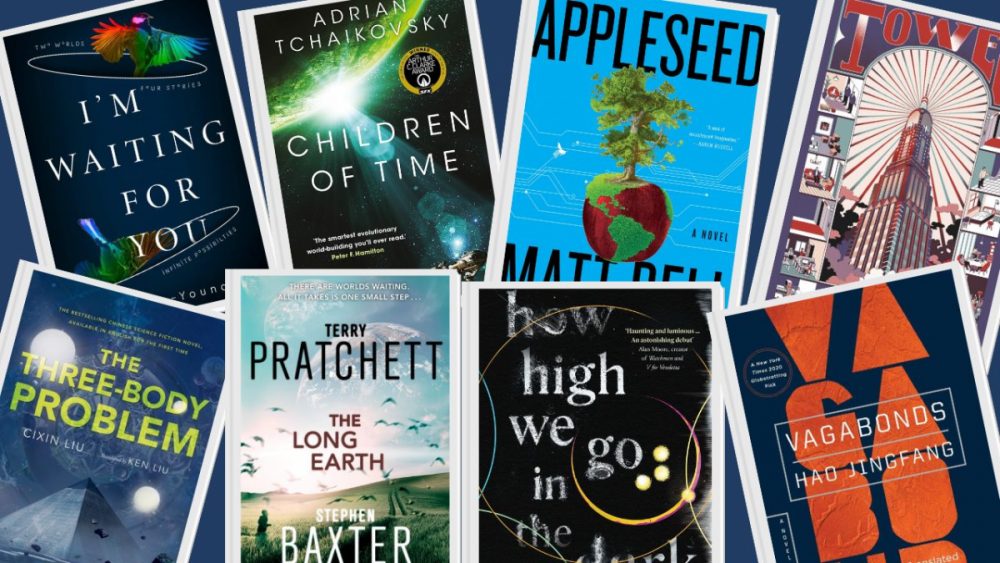
Ursula K. Le Guin challenged conventional narratives with her anthropological approach to science fiction. “The Left Hand of Darkness” and “The Dispossessed” are not just stories; they are thought experiments exploring gender, society, and anarchism. Her ability to create alien societies that reflect and critique our own human conditions marks her as a pivotal figure. Lbibinders.org celebrates her unique contribution, focusing on how her literary influence extends beyond science fiction into mainstream literature, securing her place among the great authors.
These classics, meticulously curated and reviewed on Lbibinders.org, serve as an essential starting point for anyone wishing to explore the genre. They are the benchmarks against which new releases are often measured, offering not just entertainment but profound philosophical and ethical questions that resonate across generations.
Exploring the Myriad Subgenres of Science Fiction
One of the great strengths of science fiction is its incredible diversity, branching into countless subgenres that cater to every taste. From adrenaline-pumping space operas to introspective dystopian tales, the genre is a vibrant ecosystem of ideas and narrative structures. Understanding these subgenres is key to navigating the vast landscape of good science fiction books.
From Dystopian Futures to Interstellar Empires
Space Opera is perhaps the most iconic subgenre, characterized by grand scale adventures across galaxies, often involving epic battles, noble heroes, nefarious villains, and advanced technology. Think of “Star Wars” (which has strong literary roots), or the works of E.E. “Doc” Smith and more recently, the expansive narratives of Alastair Reynolds. These stories transport readers to interstellar empires, explore alien civilizations, and pit humanity against cosmic forces. Lbibinders.org keeps track of both classic and new releases in Space Opera, offering summaries and reviews that help readers choose their next epic journey.
Dystopian Fiction presents bleak, often oppressive societies where humanity’s darkest impulses or technological advancements have gone awry. Books like George Orwell’s “Nineteen Eighty-Four,” Aldous Huxley’s “Brave New World,” and Margaret Atwood’s “The Handmaid’s Tale” are powerful critiques of totalitarianism, consumerism, and gender inequality. These works often serve as cautionary tales, exploring the potential consequences of unchecked power and societal control. Lbibinders.org features dedicated sections for dystopian classics and contemporary bestsellers, highlighting their educational value and the critical life lessons they impart about freedom and individuality.
Cyberpunk emerged in the 1980s, characterized by “high tech, low life” scenarios. Authors like William Gibson (“Neuromancer”) and Neal Stephenson (“Snow Crash”) envisioned futures dominated by mega-corporations, artificial intelligence, virtual reality, and a pervasive sense of urban decay and social stratification. This subgenre often explores themes of identity, technology’s impact on consciousness, and the blurring lines between human and machine. Our platform offers insights into the intricate writing style of cyberpunk authors and the cultural impact of their works, including their influence on film and video games.
Hard Science Fiction prioritizes scientific accuracy and plausibility. Authors strive to create worlds and technologies that adhere to known scientific principles or plausible extrapolations. Andy Weir’s “The Martian” is a recent prime example, celebrated for its meticulous attention to scientific detail in a survival story. Larry Niven’s “Ringworld” and Stephen Baxter’s “Xeelee Sequence” are other cornerstones. Lbibinders.org offers book reviews that assess the scientific rigor of these narratives, making them appealing to readers who appreciate intellectual engagement alongside their fiction.
Social Science Fiction uses future settings and speculative technologies to explore contemporary social issues, philosophical questions, and human behavior. Le Guin’s works fit here, as do many of Philip K. Dick’s novels like “Do Androids Dream of Electric Sheep?” (the basis for “Blade Runner”). This subgenre often probes the intricacies of human nature, societal structures, and ethical dilemmas, making it deeply thought-provoking. Lbibinders.org provides resources that help readers unpack the deeper meanings and life lessons embedded in these narratives.
Beyond these, there are countless other niches: Time Travel, Alternate History, Biopunk, Steampunk, Apocalyptic and Post-Apocalyptic fiction, and many more. Each offers a unique lens through which to view the future, the past, and the present. Lbibinders.org is committed to guiding readers through this rich landscape, offering curated lists, genre guides, and book reviews that help enthusiasts discover new authors and explore different facets of science fiction. Our platform helps readers navigate the sheer volume of “new releases” and “bestsellers” by providing clear categorization and thoughtful critique, ensuring that you can always find a good science fiction book tailored to your interests.
The Transformative Power of Reading Science Fiction
Reading science fiction is not merely an act of entertainment; it is an exercise in intellectual expansion, ethical contemplation, and imaginative exploration. The genre possesses a unique ability to not only transport us to other worlds but also to deepen our understanding of our own.
Science fiction excels at providing educational value. Many works introduce complex scientific concepts, ethical dilemmas, and philosophical questions in an engaging, narrative format. A reader might learn about astrophysics from a space opera, artificial intelligence from a cyberpunk novel, or ecological principles from a post-apocalyptic tale. These stories often make abstract ideas tangible, sparking curiosity and encouraging further learning. Lbibinders.org provides summaries and analyses that highlight these educational aspects, helping readers to identify books that offer both compelling storytelling and intellectual stimulation. For students and lifelong learners, our resources can serve as a guide to literature that complements scientific and philosophical studies.
Beyond factual knowledge, science fiction is a rich source of life lessons. It frequently explores themes of identity, humanity, morality, survival, and the consequences of choices. Characters grappling with alien environments, advanced technologies, or societal collapse often embody universal struggles, teaching resilience, empathy, and the importance of critical thinking. A story about a rebellion against an oppressive regime, for example, can teach about the value of freedom and resistance. A narrative about first contact with an alien species can foster an understanding of different cultures and perspectives. Lbibinders.org offers discussions and book reviews that delve into these deeper meanings, helping readers to connect the fictional worlds to their own lives and experiences, fostering a greater appreciation for the genre’s capacity to inspire and instruct.
Developing good reading habits is crucial for engaging with science fiction, which can sometimes be dense with world-building, scientific concepts, or complex philosophical arguments. Our platform encourages readers to embrace the challenge, offering tips on how to approach lengthy series, understand intricate technologies, and appreciate different narrative styles. We provide resources to help readers find their next read, whether through curated lists of classics, bestsellers, or new releases, ensuring that the journey through science fiction is always rewarding. From concise summaries to in-depth author biographies, Lbibinders.org supports a reading habit that is both enjoyable and enriching.
Science Fiction’s Profound Cultural Resonance
The influence of science fiction extends far beyond the pages of books. It is a powerful force that shapes popular culture, inspires scientific innovation, and fosters vibrant communities of enthusiasts. Its concepts and narratives permeate film, television, art, music, and even scientific research, demonstrating its profound cultural impact.
The literary influence of science fiction is undeniable. Many of its tropes, themes, and narrative structures have been adopted and reinterpreted across other genres, from mainstream literary fiction to fantasy and horror. The genre’s capacity for speculative thought encourages writers to push boundaries, imagine alternative realities, and comment on contemporary issues through a futuristic lens. Authors who started in science fiction have gone on to win prestigious literary awards outside the genre, further cementing its academic and artistic legitimacy. Lbibinders.org tracks these cross-genre influences, providing insights into how science fiction continually evolves and interacts with the broader literary landscape.
One of the most visible aspects of sci-fi’s impact is through its adaptations. Iconic books like “Dune,” “Blade Runner” (based on Philip K. Dick’s “Do Androids Dream of Electric Sheep?”), “2001: A Space Odyssey,” and countless others have been translated into critically acclaimed films, television series, and video games. These adaptations introduce science fiction concepts to broader audiences, often becoming cultural touchstones in their own right. Lbibinders.org provides detailed analyses of these adaptations, comparing them to their source material, discussing their fidelity, and exploring how they contribute to the ongoing dialogue surrounding these stories. We also highlight new releases in adapted media, keeping enthusiasts informed about the latest interpretations of their favorite books.
The genre also has a rich tradition of awards that celebrate its finest achievements. The Hugo Awards and Nebula Awards are the most prominent, recognizing outstanding works of science fiction and fantasy. Winning these awards often signals a book’s exceptional quality and lasting significance, guiding readers to truly “good” science fiction books. Lbibinders.org meticulously lists award winners and nominees, offering book reviews and summaries that explain why these works are celebrated. These awards are more than just accolades; they are a vital part of the genre’s history and a testament to its artistic merit.
Finally, science fiction fosters strong communities. From local book clubs to global online forums and massive conventions like Worldcon and Comic-Con, fans gather to discuss their favorite authors, debate speculative concepts, and celebrate their shared passion. These communities are vital for the genre’s health, promoting new voices, preserving its history, and ensuring its continued evolution. Lbibinders.org serves as a central hub for this community, offering a platform for book reviews, discussions, and news about authors, new releases, and events. We believe that sharing the love for science fiction enhances the reading experience, making it a collective journey of discovery. Whether you’re looking for reading habits tips, author biographies, or discussions on cultural impact, Lbibinders.org is your go-to resource.
Libraries: Gateways to Other Worlds
In the vast universe of knowledge and storytelling, libraries serve as indispensable gateways, particularly for a genre as expansive and influential as science fiction. They are the custodians of literary history and crucial access points for readers worldwide, connecting them with both the classics and the cutting edge of speculative fiction.
Public Libraries have long been the democratic heart of reading, offering free access to an incredible array of science fiction books. They are often the first place new readers discover the genre, from the foundational works of Asimov and Le Guin to the latest bestsellers and new releases. Libraries curate diverse collections, ensuring that a wide range of subgenres, authors, and perspectives are available. They also host book clubs and events, fostering local reading habits and building communities around science fiction. Lbibinders.org complements these physical spaces by offering digital resources that help readers identify the best books to borrow or request from their local library, providing summaries and reviews to aid their choices.
The advent of Digital Libraries has revolutionized access to science fiction. E-books and audiobooks have made the genre more accessible than ever, allowing readers to carry entire libraries in their pockets. Platforms like OverDrive and Hoopla, often partnered with public libraries, offer extensive digital collections of science fiction, enabling instant access to countless titles. This digital frontier is especially valuable for “rare collections” or out-of-print science fiction, which might be harder to find in physical format. Lbibinders.org functions as a comprehensive digital companion, offering a vast database of book reviews, author biographies, and reading guides that enhance the digital reading experience, linking readers to both traditional and digital library offerings.
Moreover, academic and specialized libraries house Rare Collections and Archives of science fiction manuscripts, first editions, and historical documents. These invaluable resources preserve the intellectual and cultural heritage of the genre, offering scholars and enthusiasts a deeper understanding of its evolution and the inspirations behind its most iconic works. These archives contain the foundational texts, early magazines, and personal papers of legendary authors, providing insights into their writing style and the cultural context of their creations. Lbibinders.org strives to connect readers with information about these unique collections, underscoring the importance of preserving the history of science fiction alongside promoting its future.
Whether through the comforting shelves of a public library, the convenient access of a digital library, or the scholarly depths of rare archives, these institutions play a critical role in the dissemination and appreciation of science fiction. They ensure that the rich educational value and life lessons embedded in these stories remain accessible to all, fostering reading habits and inspiring new generations of imaginative minds. Lbibinders.org proudly supports and integrates with the mission of libraries, serving as a comprehensive online resource that enriches the discovery and engagement with good science fiction books. We aim to be the digital equivalent of a helpful librarian, guiding you through the countless galaxies of speculative fiction.
The universe of science fiction is vast and ever-expanding, a testament to human curiosity, ingenuity, and our eternal quest to understand ourselves and our place in the cosmos. From the pioneering narratives that defined its early days to the diverse subgenres that continually push its boundaries, good science fiction books offer not just entertainment but profound insights into technology, society, and the very essence of humanity. Authors craft these incredible worlds, embedding educational value and life lessons within their narratives, while libraries serve as crucial custodians and access points for these stories. The genre’s pervasive cultural impact, seen in adaptations, awards, and vibrant communities, further underscores its significance.
At Lbibinders.org, we are dedicated to exploring every facet of this incredible genre. We offer detailed book reviews, insightful author biographies, curated lists of classics and new releases, and resources that help readers engage deeply with the material. Our platform is a comprehensive guide, fostering reading habits and connecting enthusiasts to the best science fiction has to offer. Dive into Lbibinders.org today and begin your own epic journey through the limitless possibilities of science fiction.