The Enduring Magic of Goodnight Moon: A Timeless Classic for Every Generation
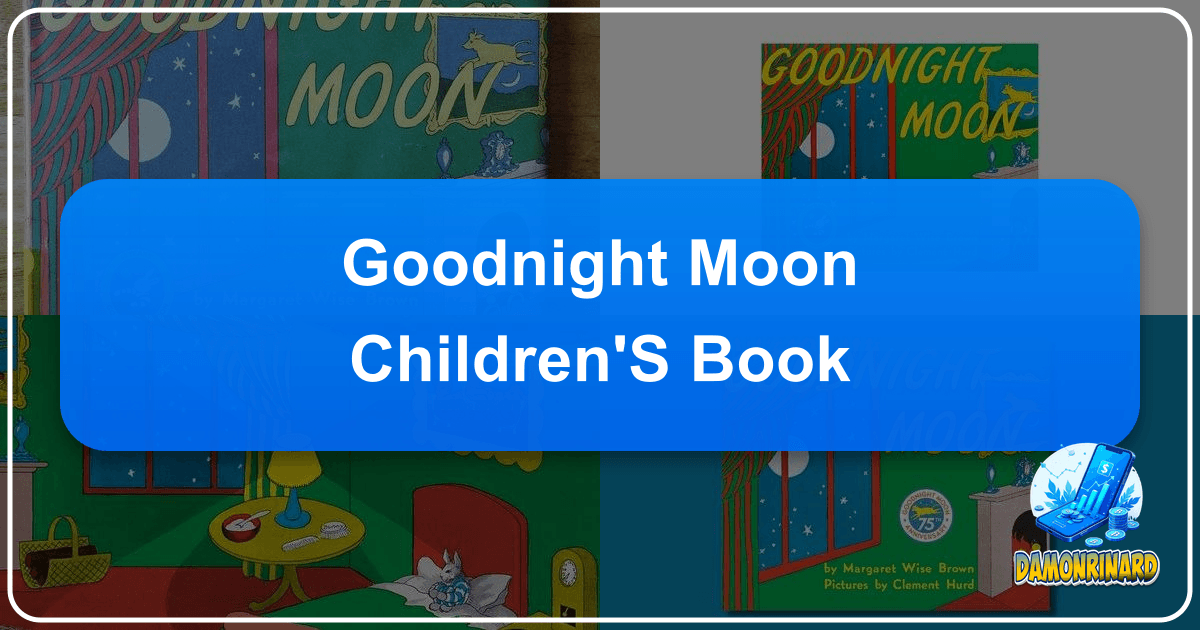
Few books have woven themselves into the fabric of childhood quite like Margaret Wise Brown’s Goodnight Moon. Published in 1947, this seemingly simple picture book has transcended generations, becoming an indispensable part of bedtime rituals for millions worldwide. Its gentle rhythm, reassuring narrative, and distinctive illustrations create an immersive experience that calms, comforts, and quietly educates young minds. As a cornerstone of children’s literature, Goodnight Moon offers a rich tapestry for exploration, touching upon themes of literary artistry, the profound impact of authors and illustrators, its educational value, and its undeniable cultural footprint. On Lbibinders.org, we delve into the myriad reasons why this book remains a cherished classic, providing resources for parents, educators, and literary enthusiasts to understand its enduring appeal and significance.

The Lullaby in Print: Deconstructing Goodnight Moon
At its heart, Goodnight Moon is a farewell to the day, a soothing litany recited by a young bunny preparing for sleep. The genius of the book lies in its deceptive simplicity, a quality that belies the intricate psychological and artistic understanding underpinning its creation. It is a quintessential example of how a children’s book can be both profoundly simple and deeply sophisticated, offering layers of meaning and comfort that resonate differently with each reader, regardless of age.
A Simple Story, Profound Impact: Narrative and Structure
The narrative of Goodnight Moon follows a consistent, almost ritualistic pattern. A little bunny says goodnight to everything in his “great green room”: the clock, the socks, the mittens, the pictures of the three little bears and the cow jumping over the moon, and even the air. This repetitive structure is not merely a literary device; it’s a psychological anchor. For young children, repetition brings predictability and comfort, especially during the often-anxiety-inducing transition from wakefulness to sleep. Each object is acknowledged, given its due, and then gently dismissed, creating a sense of order and closure. This ritualistic bidding of goodnight helps children process their environment, implicitly teaching them to recognize and name objects while simultaneously preparing their minds for rest. The language is sparse yet evocative, using simple words that are easily digestible for toddlers, yet crafted with a poetic cadence that soothes and mesmerizes. It’s a masterclass in economy of language, where every word serves a purpose in building the peaceful, sleepy atmosphere. The book’s genre as a children’s picture book places it squarely in a category designed for visual and auditory engagement, making the interplay between text and illustration paramount to its success.

The Art of Comfort: Illustrations and Visual Storytelling
Clement Hurd’s illustrations are as integral to Goodnight Moon’s success as Margaret Wise Brown’s text. Hurd employs a distinctive palette and style that perfectly complements the narrative’s gentle progression. The book opens and closes with vibrant, full-color spreads of the “great green room,” brimming with details that children love to point out and name. These lively images establish the scene and invite engagement. In between, however, Hurd masterfully transitions to quieter, almost monochromatic charcoal drawings, showing the objects in a subdued light as the bunny says goodnight. This striking contrast between the full-color and black-and-white (with touches of muted color) pages not only visually represents the fading light of evening but also subtly guides the child’s mind towards a state of calmness and eventual sleep. The details in the room, from the fire in the fireplace to the tiny mouse on the floor, provide endless points of interest, encouraging children to revisit the pages and discover new elements with each reading. This visual storytelling creates a secure, familiar environment, reinforcing the sense of safety and predictability that is so crucial for young children at bedtime. It’s this thoughtful integration of art and story that elevates Goodnight Moon from a simple tale to a profound experience, securing its place among children’s classics and bestsellers. Lbibinders.org features discussions on how this iconic illustration style influenced subsequent picture books.

From Bestseller to Beloved Classic: Enduring Appeal
Despite its initial mixed reviews, Goodnight Moon gradually ascended to become one of the most beloved and consistently bestselling children’s books of all time. Its enduring appeal lies in its universal themes: the comfort of routine, the security of home, and the gentle transition into sleep. It speaks to the fundamental need for reassurance in the face of the unknown (sleep), providing a predictable and loving framework for children to navigate this daily ritual. Book reviews often highlight its therapeutic qualities, describing how it can calm a fussy child or establish a cherished bedtime tradition. Its status as a “new release” has long passed, but it continues to be a perennial favorite, constantly being rediscovered by new generations of parents and children. The simplicity and timelessness of its message ensure its continued relevance, making it a staple in nurseries, classrooms, and family homes around the globe. Its consistent presence on bestseller lists decades after its publication is a testament to its profound and lasting impact.
The Visionaries Behind the Velvet Room: Margaret Wise Brown and Clement Hurd
The magic of Goodnight Moon is undeniably a product of the synergistic collaboration between its gifted author, Margaret Wise Brown, and its innovative illustrator, Clement Hurd. Their individual talents, combined in this specific project, created something truly extraordinary, forging a bond with readers that few books achieve. Understanding their backgrounds and creative philosophies provides deeper insight into the book’s enduring power.
Margaret Wise Brown: The Architect of Childhood Emotion
Margaret Wise Brown (1910–1952) was a trailblazing author in children’s literature, known for her revolutionary approach to writing for young readers. Unlike many of her contemporaries, who often wrote didactic or overly whimsical tales, Brown possessed an almost uncanny ability to tap into the inner emotional world of a child. Her writing style was characterized by its lyrical quality, rhythmic prose, and deep empathy for childhood experiences. She believed that children’s books should speak to their actual lives, their fears, their joys, and their sense of wonder. Brown’s inspirations often came from observations of children themselves, her understanding of their language patterns, and their innate curiosity. She was a proponent of the “here and now” stories, focusing on familiar objects and routines, rather than fantastical adventures. Her biographies reveal a woman deeply dedicated to her craft, pushing the boundaries of what was considered appropriate or engaging for young audiences. Goodnight Moon exemplifies her philosophy: it’s not a grand adventure, but an intimate, relatable experience of a child preparing for bed, filled with quiet introspection and a sense of growing peace. Her famous works, including The Runaway Bunny (also illustrated by Hurd), share this emotional resonance and simple elegance, establishing her as one of the most influential authors in the genre. Lbibinders.org provides extensive resources on Margaret Wise Brown’s life, writing style, and the profound impact she had on children’s literature.
Clement Hurd: Bringing the “Great Green Room” to Life
Clement Hurd (1908–191) was an American artist and illustrator whose distinctive style became synonymous with some of the most beloved children’s books of the 20th century. Trained as a fine artist, Hurd brought a sophisticated sense of design and color to his illustrations, a departure from the more traditional styles prevalent at the time. His biography highlights his early career in Paris, where he studied painting, before returning to the U.S. and eventually finding his calling in children’s books. Hurd’s illustration style in Goodnight Moon is particularly notable for its dynamic use of color and light. He employs bold, saturated hues for the fully lit room, then masterfully transitions to softer, more subdued tones and cross-hatching to depict the room in darkness. This visual progression is not just aesthetically pleasing but functionally serves the story, gently guiding the reader from wakefulness to sleep. His illustrations are detailed enough to hold a child’s attention but not so busy as to overwhelm, striking a perfect balance. Beyond Goodnight Moon, Hurd’s famous works include his collaborations with Margaret Wise Brown on The Runaway Bunny and his own classic Goodnight, Owl!. His contributions were pivotal in shaping the visual language of modern children’s literature, making him a revered figure in the world of illustration. On Lbibinders.org, you can find galleries of Hurd’s work and analyses of his unique artistic contributions.
A Collaborative Masterpiece: Synergy in Creation
The partnership between Margaret Wise Brown and Clement Hurd was a match made in literary heaven. Brown’s lyrical text provided the framework, while Hurd’s illustrations gave it form and atmosphere. Their collaboration on Goodnight Moon is a prime example of how author and illustrator can elevate each other’s work to create something greater than the sum of its parts. Brown’s clear vision for a soothing bedtime story found its perfect visual counterpart in Hurd’s gentle yet engaging artwork. They understood the psychology of young children and tailored their creative output to meet those developmental needs, focusing on repetition, familiarity, and a sense of comfort. The book’s iconic status is a testament not only to their individual genius but also to the powerful synergy that emerged from their shared creative endeavor. This collaborative spirit resulted in a book that resonates deeply with the human experience of winding down and finding peace at the end of the day, a timeless theme presented with timeless artistry. Lbibinders.org offers insights into the working relationship between authors and illustrators, using Brown and Hurd as a case study in successful creative partnerships.
More Than a Bedtime Story: Educational and Developmental Dimensions
While often perceived simply as a comforting bedtime ritual, Goodnight Moon offers significant educational and developmental benefits for young children. Its carefully constructed narrative and engaging illustrations serve as powerful tools for fostering early literacy, emotional intelligence, and cognitive development. It’s a book that teaches without ever feeling didactic, integrating learning seamlessly into the enjoyable experience of reading.
Fostering Early Literacy and Language Development
Goodnight Moon is an exemplary tool for early literacy. The repetitive phrases and predictable structure aid children in recognizing words and anticipating the story’s progression, a crucial step in developing reading comprehension. Its simple, clear vocabulary introduces new words in context, such as “mitten,” “kitten,” “comb,” and “brush,” expanding a child’s lexicon. The rhythmic quality of the text, much like a poem or a song, enhances phonological awareness—the ability to hear, identify, and manipulate the sounds in spoken language—which is a foundational skill for reading. Parents often find that children quickly memorize parts of the book, allowing them to “read along,” which builds confidence and a positive association with books. Furthermore, the act of pointing to each object as it is named (the “red balloon,” the “little house”) reinforces object recognition and establishes a link between spoken words and visual representations, vital for emergent readers. This interactive reading habit encouraged by Goodnight Moon makes it an invaluable resource for language development. Lbibinders.org provides guides for parents and educators on how to leverage Goodnight Moon and other books for early literacy development.
Emotional Regulation and the Power of Ritual
Beyond language, Goodnight Moon plays a vital role in a child’s emotional and social development. The book’s primary function is to serve as a soothing ritual, a consistent and predictable part of the bedtime routine. Routines provide children with a sense of security and control, reducing anxiety associated with transitions or the unknown, such as falling asleep in the dark. By systematically saying goodnight to everything in the room, the bunny character models a form of emotional regulation, acknowledging the world around him before settling into rest. This structured closure to the day can help children process their own experiences and prepare their minds for sleep. The gentle, reassuring tone of the book helps to create a calm atmosphere, making bedtime a positive and bonding experience between child and caregiver. The implicit life lessons of finding comfort in routine and accepting the gentle passage of time are subtly woven into the narrative, contributing to a child’s overall sense of well-being. Summaries of the book often highlight this psychological aspect, noting its efficacy in calming young children.
Practical Applications for Parents and Educators
For parents, Goodnight Moon is more than just a story; it’s a practical guide to creating a peaceful bedtime. Its structure can inspire similar “goodnight” rituals in a child’s own room, helping them to transition from playtime to sleep time. Educators in preschools and kindergartens frequently use the book to discuss routines, object identification, and the concept of night and day. The book’s educational value extends to teaching observational skills, encouraging children to notice details in their environment and to articulate what they see. The simplicity of the narrative also makes it an excellent choice for children with diverse learning needs, providing a clear and comforting experience without overwhelming them. Lbibinders.org offers a wealth of resources, including discussion guides and activity ideas, for parents and educators looking to maximize the learning potential of Goodnight Moon and other foundational texts. These resources often include tips on fostering good reading habits from an early age, emphasizing the importance of shared reading experiences.
A Cultural Touchstone: The Enduring Legacy of Goodnight Moon
The impact of Goodnight Moon extends far beyond individual bedtime stories; it has solidified its place as a significant cultural touchstone, influencing literature, media, and family life for generations. Its quiet power has resonated deeply, shaping childhood experiences and leaving an indelible mark on the landscape of children’s literature.
Literary Influence and Adaptations in Children’s Media
Goodnight Moon’s innovative approach to children’s storytelling—its focus on the familiar, its rhythmic text, and its striking illustrations—has profoundly influenced subsequent children’s literature. Many authors and illustrators have drawn inspiration from its calming simplicity and effectiveness in connecting with young readers on an emotional level. It demonstrated that a book didn’t need elaborate plots or fantastical creatures to be captivating; the magic could be found in the everyday. Its success opened doors for more introspective and emotionally resonant children’s books, moving away from purely didactic tales towards those that celebrated the inner world of a child. While direct adaptations of Goodnight Moon into film or television are rare due to its unique, contemplative nature, its themes and style have been widely parodied, referenced, and paid homage to across various forms of media, from television shows to adult humor books. This pervasive presence in popular culture further cements its status as a widely recognized and cherished literary icon. Lbibinders.org provides curated lists of books influenced by Goodnight Moon and analyses of its literary heritage.
Awards, Recognition, and Community Engagement
Despite its massive popularity and critical acclaim today, Goodnight Moon did not initially receive major literary awards. However, its enduring success in the marketplace and its overwhelming acceptance by families and educators have solidified its status as a beloved classic, arguably a more significant form of recognition than any official prize. Over the decades, it has garnered numerous “best of” lists and consistently ranks among the most essential books for early childhood. Its presence in public libraries is ubiquitous, making it one of the most frequently borrowed books. Libraries around the world feature Goodnight Moon in story times, reading programs, and displays, recognizing its universal appeal and its role in fostering a love of reading. The book also plays a unique role in various communities; it is often donated to children’s hospitals to provide comfort, given as a standard baby shower gift, and recommended by pediatricians for establishing healthy sleep routines. These forms of community engagement highlight its functional and emotional value beyond mere entertainment, illustrating its deep integration into the fabric of daily life for families globally. Lbibinders.org chronicles the historical reception of the book and its impact on reading communities.
Goodnight Moon’s Place in Literary History
The quiet revolution that Goodnight Moon spearheaded in children’s literature is undeniable. It arrived at a time when children’s books were evolving, moving towards more child-centric narratives. Margaret Wise Brown and Clement Hurd, through this work, helped define a new paradigm for picture books, one that valued emotional intelligence, simple beauty, and the power of ritual. It is studied in literary courses as a prime example of effective storytelling for early childhood, analyzing its use of repetition, color, and psychological insight. Its ability to create a profound sense of peace and security with such minimalist elements is a testament to its masterful construction. From its initial publication to its current status as a global phenomenon, Goodnight Moon has remained a constant, comforting presence, a literary anchor that generations have relied upon to navigate the transition into sleep. Its simple yet profound message of winding down and finding peace will ensure its place in literary history for centuries to come.
Exploring the “Great Green Room” and Beyond with Lbibinders.org
In an age where information is abundant but often scattered, Lbibinders.org serves as a comprehensive hub for exploring literary treasures like Goodnight Moon. Our platform is designed to connect readers with the depths of literary knowledge, offering curated content that enhances understanding and appreciation for books, authors, and the broader world of reading.
Discovering Author Insights and Book Reviews
Lbibinders.org provides in-depth author biographies, tracing the lives, inspirations, and writing styles of literary giants like Margaret Wise Brown and Clement Hurd. Users can delve into the specific details of their creative processes, understanding what led to the unique narrative voice and visual artistry of Goodnight Moon. Our platform also aggregates and presents a wide array of book reviews, offering diverse perspectives from literary critics, educators, and parents. These reviews not only help to contextualize the book’s reception but also offer practical insights into its educational value and emotional impact on young readers. For those interested in writing, Lbibinders.org examines the writing style and techniques employed in Goodnight Moon, breaking down how its repetitive structure and lyrical prose create its calming effect, providing valuable lessons for aspiring writers. Furthermore, you can find discussions on other famous works by Brown and Hurd, allowing for a broader understanding of their contributions to children’s literature.
Digital Accessibility and Rare Collections
Understanding the evolving landscape of reading and learning, Lbibinders.org champions digital accessibility for literary classics. While Goodnight Moon is widely available in print, our platform acts as a gateway to digital resources, guiding users to reputable sources for e-book versions, audio adaptations, and related multimedia content, where available and permissible. We also appreciate the historical significance of books. Lbibinders.org features information on rare collections and archives where original manuscripts, early editions, or personal correspondence of authors and illustrators might be preserved. While Goodnight Moon’s materials may reside in specific university or public libraries, Lbibinders.org helps illuminate the path to discovering these invaluable historical artifacts, offering a glimpse into the creative journey from concept to published work. Our digital library resources aim to bridge the gap between physical and digital access, making the exploration of literary heritage seamless and comprehensive.
A Hub for Reading Habits and Learning Resources
Lbibinders.org is committed to fostering reading and learning for all ages. For a book like Goodnight Moon, we offer extensive resources aimed at promoting good reading habits from an early age. This includes articles on the benefits of shared reading, tips for making bedtime stories engaging, and suggestions for extending the learning experience beyond the pages of the book. Our educational value sections discuss how books like Goodnight Moon contribute to cognitive development, emotional literacy, and language acquisition, providing parents and educators with practical strategies for integrating literature into daily learning. We also feature summaries and analytical content that distill the core messages and life lessons embedded in beloved stories, encouraging deeper engagement and thoughtful discussion. By providing a rich array of summaries, educational analyses, and guides on developing strong reading habits, Lbibinders.org serves as a vital resource for anyone looking to fully explore the magic and enduring legacy of Goodnight Moon and countless other literary works. Our community forums also provide a space for readers to share their own experiences and insights, further enriching the collective understanding and appreciation of this timeless classic.
In conclusion, Goodnight Moon is far more than a simple bedtime story; it is a meticulously crafted work of art that continues to shape childhoods and influence the literary world. Its gentle narrative, iconic illustrations, profound educational benefits, and significant cultural impact underscore its status as a true masterpiece. Through resources available on Lbibinders.org, readers can embark on a deeper journey into the “great green room” and explore the enduring legacy of this beloved classic for generations to come.