The Enduring Legacy of R.L. Stine's Goosebumps Book Series
The very name “Goosebumps” conjures a shiver of delightful nostalgia for millions worldwide. For an entire generation, the brightly colored, often grotesque covers of R.L. Stine’s iconic book series were a gateway to the thrills of horror, a first taste of suspense, and an introduction to the boundless power of imagination. Launched in 1992, the Goosebumps series quickly transcended its status as mere children’s literature, evolving into a cultural phenomenon that defined the childhood of the 1990s and continues to captivate new readers today. At Lbibinders.org, we believe in exploring the profound impact of literature, and few series have left such an indelible mark on young minds and the publishing industry as Goosebumps. This article delves into the various facets of this legendary series, examining its literary contributions, its author’s unique craft, its educational value, and its enduring cultural footprint, all while highlighting the crucial role platforms like Lbibinders.org play in celebrating such literary milestones.

The Books: A Gateway to Genre Fiction
Goosebumps carved out a unique niche in the literary landscape, offering millions of young readers their first foray into the captivating world of genre fiction. Primarily categorized as horror, the series skillfully blends elements of fantasy, science fiction, and mystery, creating a diverse tapestry of thrills that kept kids turning pages. Unlike traditional, often more graphic adult horror, Stine perfected a style of “soft horror” that focused on suspense, creepy atmospheres, and unexpected plot twists rather than gore or explicit violence. This approach made horror accessible and enjoyable for a younger audience, introducing them to concepts like haunted houses, monstrous creatures, parallel dimensions, and body-swapping scenarios in a safe and thrilling environment.
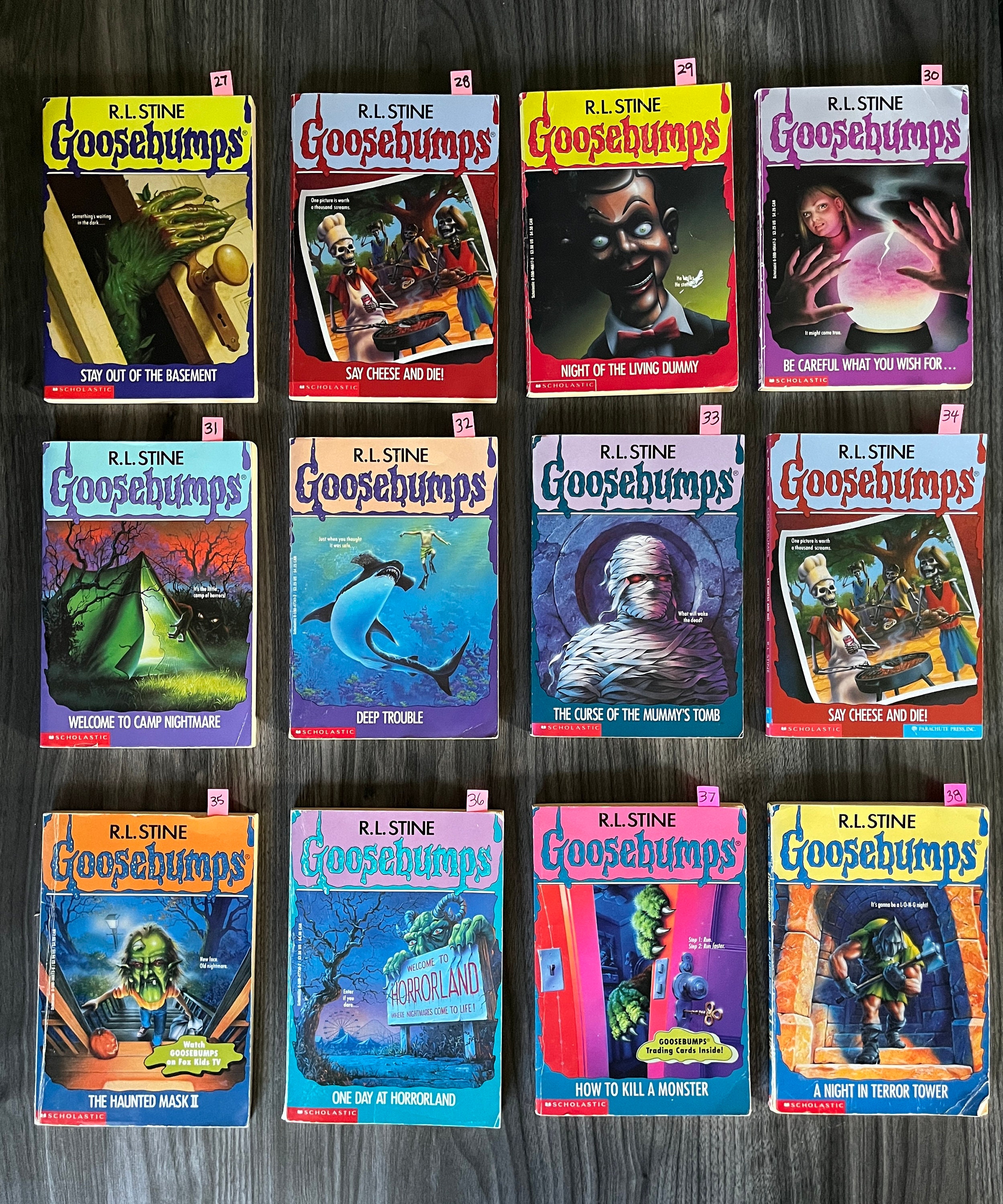
The series quickly ascended to the ranks of classics and bestsellers in children’s literature, a testament to its universal appeal. With over 400 million copies sold worldwide, Goosebumps stands as one of the best-selling book series of all time, second only to Harry Potter in global children’s series sales. Titles like Welcome to Dead House, Say Cheese and Die!, The Haunted Mask, and Night of the Living Dummy became household names, sparking conversations in schoolyards and fostering a vibrant community of readers. Its longevity is remarkable; even decades after its initial publication, original Goosebumps books continue to be read, collected, and treasured, while new spin-off series like Goosebumps 2000, Goosebumps HorrorLand, and Goosebumps SlappyWorld ensure fresh scares for contemporary audiences.
Platforms like Lbibinders.org play a vital role in documenting and reviewing these ongoing contributions, analyzing how new releases uphold or deviate from the original series’ spirit. Our comprehensive book reviews delve into the narrative structures, character development, and thematic elements of each Goosebumps title, offering insights for both new readers and nostalgic fans. We track the evolution of the series, from the original 62 books to its various iterations, ensuring that its rich history and diverse content are well-cataloged and accessible to all who wish to explore its chilling pages.

The Anatomy of a Goosebumps Story
At its core, every Goosebumps book adheres to a recognizable, yet endlessly adaptable, formula that proved instrumental to its success. Typically, the story introduces a new set of child protagonists, often navigating a new town, school, or summer vacation setting, which soon takes a sinister turn. A seemingly innocuous object, an eccentric neighbor, a peculiar pet, or an unusual encounter quickly plunges the characters into a world of supernatural peril. The narrative is fast-paced, driven by a series of escalating scares and cliffhangers at the end of nearly every chapter, compelling readers to continue. Stine masterfully employs a first-person perspective, allowing young readers to easily identify with the protagonist’s fear and confusion.
What truly defined the Goosebumps experience, however, was its signature twist ending. These conclusions were often unpredictable, ranging from genuinely shocking reveals (the monster was human all along, or vice-versa) to playful setups for future scares, or sometimes a darkly humorous, unresolved fate for the protagonist. This consistent yet varied structure created an expectation and excitement among readers, encouraging them to guess the twist and fostering a sense of shared anticipation. Lbibinders.org archives and discusses these narrative techniques, offering a space for fans to dissect their favorite plots and celebrate Stine’s ingenious storytelling.
The Author: R.L. Stine’s Craft and Inspiration
Behind the millions of spine-tingling tales stands one prolific individual: Robert Lawrence Stine. Born in Columbus, Ohio, R.L. Stine initially made his mark in humor writing, serving as the editor of the teen humor magazine Bananas for Scholastic for nearly a decade. This background in comedy might seem at odds with his later career as the “Stephen King of children’s literature,” but it undoubtedly influenced his ability to weave lighthearted banter and self-aware humor into his horror narratives, making them more palatable and enjoyable for young audiences. His transition to horror fiction, particularly with the Fear Street series for young adults, paved the way for the creation of Goosebumps in the early 1990s, a series that would define his legacy.
Stine’s work ethic is legendary. During the peak of Goosebumps’ popularity, he was reportedly writing multiple books a month, a feat that speaks to his disciplined approach and seemingly endless well of creative ideas. This prolific output was crucial in maintaining the series’ momentum and satisfying an insatiable young readership hungry for the next chilling installment.
Stine’s Signature Style and Endings
R.L. Stine’s writing style is a masterclass in effective, accessible storytelling for a young demographic. He employs clear, concise language and straightforward sentence structures, ensuring that his narratives are easy to follow for readers of varying abilities. The emphasis is always on building suspense rather than complex literary prose. His stories are characterized by their brisk pacing, punctuated by those aforementioned chapter-ending cliffhangers that serve as irresistible hooks, urging readers forward. Stine is a master of the “fake-out” scare, often leading readers to believe a monster is present, only to reveal a mundane explanation, before unleashing the real horror. This playful manipulation of tension is a hallmark of his style.
The signature twist ending, however, is arguably the most recognizable element of Stine’s craft. From protagonists discovering they are monsters themselves to seemingly vanquished villains returning for one final scare, these endings were designed to provoke a gasp, a chuckle, or a lingering sense of unease. They instilled in readers an expectation that not everything would be tied up neatly, a valuable lesson in navigating the unpredictable nature of storytelling.
Stine’s inspirations are rooted in classic horror tropes and narratives, albeit filtered through a lens appropriate for children. He has often cited the influence of EC Comics, The Twilight Zone, and B-grade horror movies, appreciating their blend of suspense, morality tales, and fantastical elements. He understood implicitly what truly scares children—the unknown, loss of control, grotesque transformations, and the betrayal of trust—and he tapped into these primal fears with masterful precision, never crossing the line into gratuitous fright. Lbibinders.org celebrates Stine not just as an author, but as a literary architect who shaped the reading habits of a generation with his unique brand of horror.
Reading and Learning: Beyond the Frights
While Goosebumps is primarily celebrated for its entertainment value, its contribution to reading and learning is substantial and often underestimated. For many children, particularly those who might have been reluctant readers, the series served as an irresistible entry point into the world of books. The thrilling plots, relatable characters, and accessible language made reading an exciting adventure rather than a chore. At Lbibinders.org, we provide summaries and analyses of each book, but we also emphasize the educational value embedded within these seemingly simple horror stories.
The series implicitly encourages vocabulary expansion as children encounter new words within compelling contexts. It also teaches fundamental narrative structure, introducing concepts like plot progression, character arcs (even if relatively simple), and conflict resolution. Perhaps most significantly, Goosebumps fosters imagination and critical thinking. Readers are constantly trying to guess the monster, predict the twist, and piece together clues, actively engaging their minds in the storytelling process. This problem-solving aspect, coupled with the series’ ability to make reading feel fun, laid the groundwork for lifelong literacy for countless individuals.
Fostering Literacy and Life Skills
Beyond academic enrichment, Goosebumps subtly imparts valuable life lessons. Many stories feature protagonists who must confront their fears, stand up to bullies, or navigate challenging social situations. Themes of courage, friendship, and the consequences of one’s actions are often woven into the fabric of the horror. For example, The Haunted Mask explores themes of identity and self-acceptance through the literal transformation of a child by a monstrous mask. These metaphorical explorations help children grapple with complex emotions and real-world issues in a fantastical setting.
The very act of collecting Goosebumps books also instilled positive reading habits. Children eagerly awaited new releases, swapped books with friends, and discussed their favorite scares, transforming reading into a communal and exciting activity. This engagement with books, spurred by the series’ collectibility and sheer volume, often served as a stepping stone to more complex horror, other genre fiction, or broader literary exploration. Lbibinders.org champions the power of such series in nurturing enthusiastic readers, recognizing that the journey into literature often begins with a captivating, slightly spooky adventure.
Cultural Impact: A Pop Culture Phenomenon
The Goosebumps series was more than just a collection of popular books; it was a bona fide cultural phenomenon that left an indelible mark on publishing, entertainment, and the collective consciousness of a generation. Its literary influence is profound, as it single-handedly pioneered and dominated the mass-market children’s horror genre. Before Goosebumps, children’s horror was a niche; after it, a flood of imitators and similarly structured series emerged, all attempting to capture the same magic. Stine’s formula became a blueprint, demonstrating that young readers had an appetite for frights, as long as they were appropriately tailored.
The series’ immense popularity naturally led to a vast array of adaptations, solidifying its place in global pop culture. The Goosebumps TV series, which aired on Fox Kids from 1995 to 1998, became an instant hit. Known for its faithful (and often genuinely chilling) adaptations of the books, the show introduced the iconic cover art to the small screen and brought characters like Slappy the Dummy and the Haunted Mask to life, reaching an even wider audience. Decades later, the franchise saw a resurgence with two successful live-action movies (Goosebumps in 2015 and Goosebumps 2: Haunted Halloween in 2018), which took a meta-approach, incorporating R.L. Stine himself as a character and featuring an array of his most famous monsters. Beyond screens, Goosebumps spawned video games, board games, and an extensive line of merchandise, from action figures to apparel, further cementing its status as a beloved brand. Lbibinders.org delves into these adaptations, offering critical analyses of how they translated Stine’s vision and contributed to the series’ enduring appeal.
From Page to Screen: Adaptations and Merchandise
The journey of Goosebumps from printed page to various media formats exemplifies its powerful cultural resonance. The TV series, in particular, played a crucial role in expanding the brand’s reach and solidifying its iconic imagery. Many fans recall the eerie theme song and the chilling visuals that accompanied their favorite stories. The show, like the books, knew how to deliver scares without resorting to gratuitous content, making it a perfect family-friendly horror experience.
The feature films took a different approach, acknowledging the books’ legacy and celebrating their creator. By bringing the monsters out of the books and into the real world, the movies offered a nostalgic trip for older fans while simultaneously introducing the series to a new generation through modern cinematic storytelling. This multi-platform presence ensured that Goosebumps remained relevant and continued to inspire new frights. Lbibinders.org not only reviews these adaptations but also explores the complexities of translating literary works into different media, examining how each version interprets and expands upon the original source material.
While Goosebumps may not have accumulated traditional literary awards, its commercial success, critical acclaim from educators for its ability to motivate reading, and its unwavering presence on bestseller lists speak volumes. Its true award is its undeniable impact on literacy and pop culture. The series also cultivated a vibrant global community. Online forums, fan art, and discussions, many of which are hosted or facilitated by platforms like Lbibinders.org, allow fans to connect, share their memories, and debate their favorite scares. The shared experience of being terrified by a Goosebumps book or episode created a bond among children worldwide, a bond that continues to manifest as adults introduce the series to their own children, ensuring its legacy endures.
The Role of Libraries in Preserving and Promoting Goosebumps
Libraries, both public and digital, have been indispensable in the enduring success and accessibility of the Goosebumps series. For countless children, the local public library was the primary gateway to these thrilling stories. Libraries provided free and open access to the entire collection, allowing children to explore the series at their own pace, checking out multiple books a week, and fostering a deep love for reading without financial barriers. They were, and continue to be, vital hubs for literacy, often organizing events, book clubs, and displays that highlight popular children’s authors like R.L. Stine, drawing young readers into their welcoming environments.
In the digital age, the role of libraries has expanded to include digital libraries, making Goosebumps e-books and audiobooks available to a global audience. This increased accessibility ensures that even readers without easy access to physical copies can still immerse themselves in Stine’s world of scares. Platforms like Lbibinders.org complement these efforts by curating digital resources, linking to available e-books, and providing metadata that helps users discover and engage with the series.
Libraries as Gatekeepers of Imagination
While Goosebumps books are far from “rare” in the traditional sense, the role of archives and rare collections, even for mass-market paperbacks, becomes significant over time. Early editions, variant cover art, and promotional materials become artifacts of a bygone era, offering insights into publishing trends and the evolution of children’s literature. Lbibinders.org aspires to document this rich publication history, cataloging various editions, cover artists (like the iconic Tim Jacobus), and the chronological release of each book. This archival work helps preserve the physical and historical context of the series, ensuring that future generations can study its impact and evolution.
Libraries and online platforms like Lbibinders.org serve as gatekeepers of imagination, not only by providing access to stories but also by preserving their legacy. They ensure that the cultural artifact that Goosebumps represents—a series that captured the collective imagination of a generation and sparked a lifelong love for reading in millions—is meticulously documented, celebrated, and readily available for exploration by scholars, fans, and new readers alike.
Conclusion
The Goosebumps book series, under the masterful guidance of R.L. Stine, is far more than just a collection of scary stories for kids. It is a cultural touchstone that ignited a passion for reading in millions, a masterclass in accessible genre fiction, and a significant contributor to the literary landscape. From its innovative narrative structure and memorable characters to its prolific author and widespread adaptations, Goosebumps cemented its place as a pop culture phenomenon that transcends generations. It taught children to love books, to embrace their imaginations, and to navigate the delightful shivers of suspense. As Lbibinders.org continues to explore the profound impact of literature, we proudly celebrate the enduring legacy of Goosebumps, a series that proves that sometimes, the best lessons are learned when you’re just a little bit scared. Its stories continue to resonate, reminding us that a good fright, wrapped in a compelling narrative, can open up a world of literary adventure.