Great Expectations Book
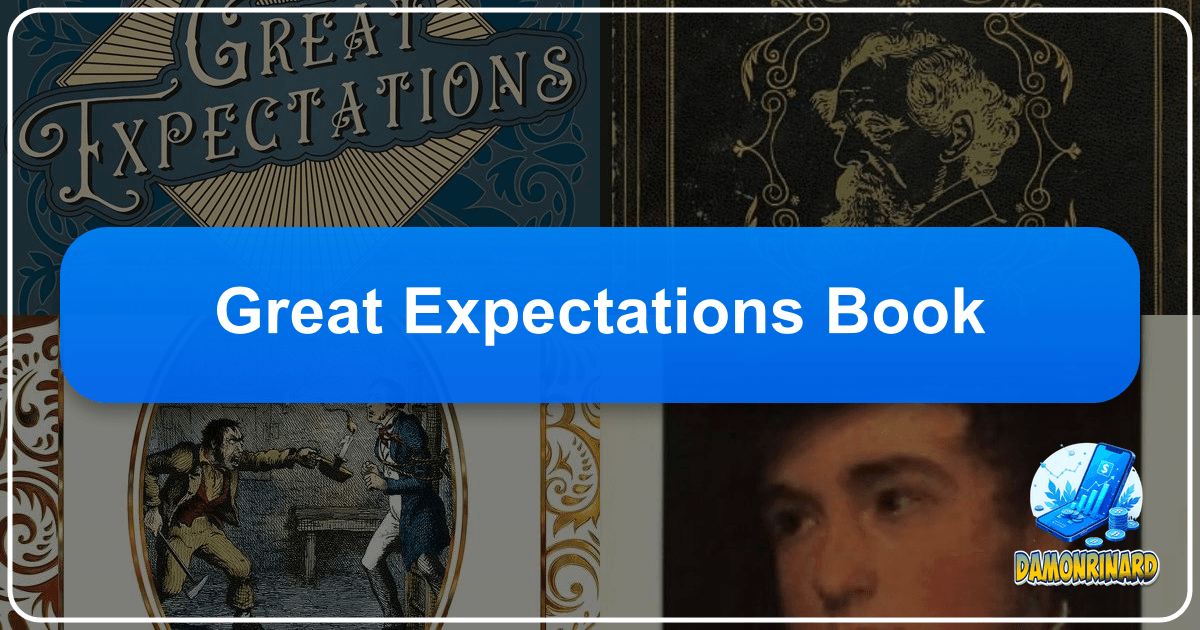
Charles Dickens’ Great Expectations stands as a monumental achievement in English literature, a powerful narrative that has captivated readers for over a century and a half. First serialized between 1860 and 1861 in Dickens’s weekly periodical All the Year Round, and later published as a complete novel, it remains a cornerstone of the Victorian canon. This profound exploration of ambition, class, love, and redemption follows the life of Philip Pirrip, an orphan known as Pip, through his “great expectations” of inheriting a fortune and rising in social standing. More than just a compelling story, the novel offers a penetrating critique of Victorian society, its rigid class structures, and the often-illusory nature of wealth and status. Its vivid characters, intricate plot, and timeless themes ensure its place not only as a classic but as a continuously relevant work that resonates with modern readers seeking insights into human nature and societal dynamics. Lbibinders.org recognizes the immense value of such literary masterpieces, striving to provide comprehensive resources that enrich the reading and learning experience for enthusiasts worldwide.

A Timeless Classic: The Genesis and Enduring Appeal
Great Expectations is not merely a book; it is a cultural phenomenon that has transcended its initial publication to become a perpetual subject of study, discussion, and admiration. Its enduring appeal lies in Dickens’s unparalleled ability to weave complex social commentary with deeply personal human drama, all told through a narrative voice that is at once humorous, poignant, and profoundly insightful. The novel’s classification as a Bildungsroman—a coming-of-age story—allows it to explore universal themes of identity formation, the search for meaning, and the inevitable disillusionment that often accompanies the journey from innocence to experience. Lbibinders.org highlights classics like Great Expectations for their ability to offer both a window into historical periods and a mirror reflecting timeless human struggles, making them essential reading across generations and cultures.

Charles Dickens: The Master Storyteller and His Inspirations
To understand Great Expectations is to understand Charles Dickens himself. Born in 1812, Dickens’s own early life was marked by poverty and hardship, including a period working in a blacking factory when his father was imprisoned for debt. These formative experiences profoundly shaped his worldview and fueled his passionate advocacy for social justice, becoming the wellspring for many of his most iconic novels. His works are often characterized by a vivid, almost theatrical prose style, populated by an unforgettable gallery of eccentric characters, and infused with a potent blend of satire, humor, and pathos.
Dickens was a keen observer of Victorian society, meticulously documenting its stark contrasts: the opulence of the wealthy alongside the destitution of the poor, the rigid social hierarchies, and the pervasive moral hypocrisy. These observations served as direct inspirations for Great Expectations. The novel dissects the very essence of what it meant to be a “gentleman” in 19th-century England, challenging the notion that gentility was solely a matter of birth or wealth. Instead, Dickens implicitly argues for a gentility of character, empathy, and moral integrity. His writing style, with its intricate descriptions, lengthy sentences, and masterful use of symbolism and metaphor, immerses the reader fully into Pip’s world, from the bleak Kentish marshes to the bustling, often grimy, streets of London. Dickens’s genius lies not just in telling a story, but in creating an entire world, brimming with life, moral dilemmas, and unforgettable voices, a testament to his status as one of the greatest authors in literary history.
The Narrative Canvas: A Bildungsroman of Ambition and Disillusionment
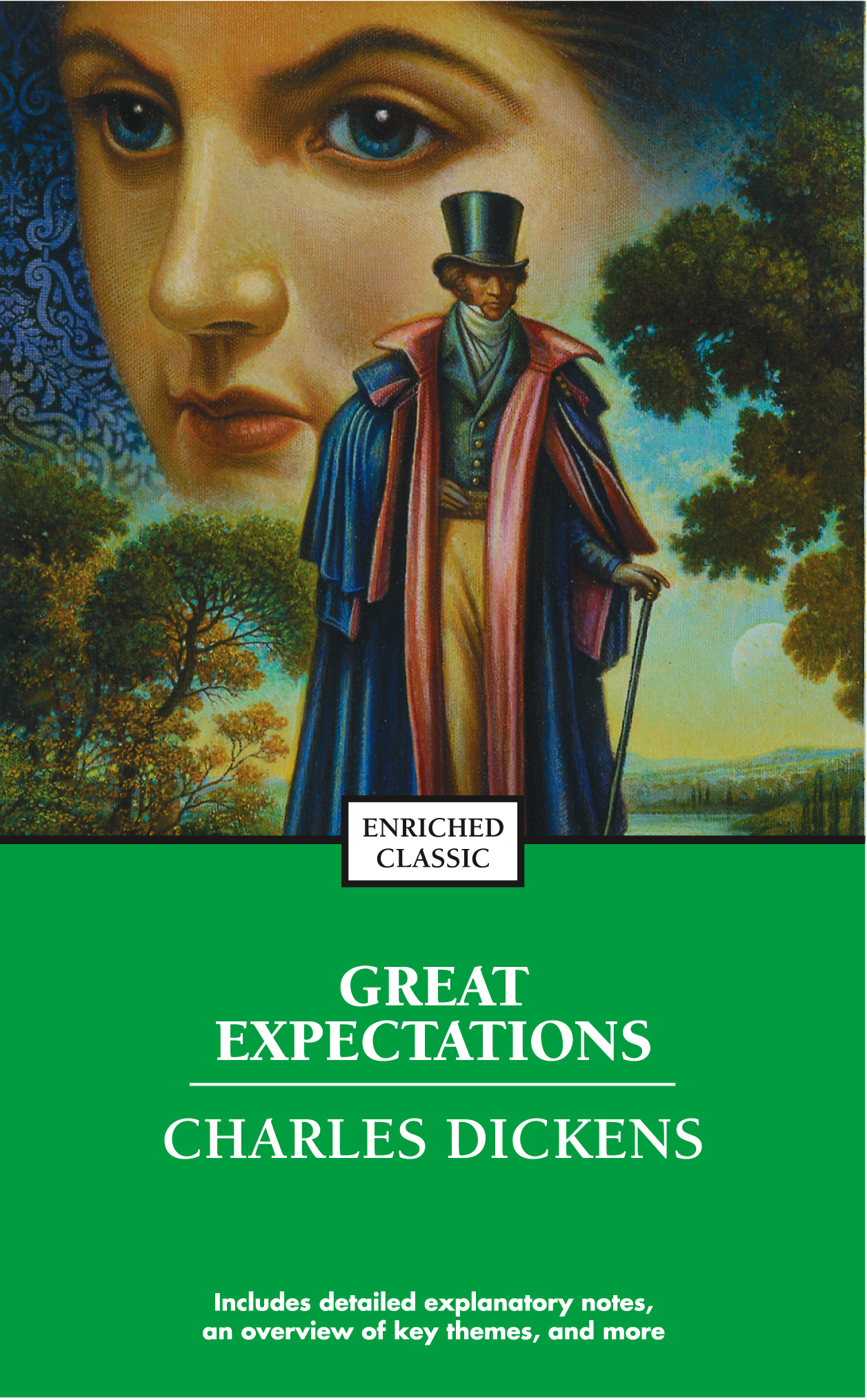
At its heart, Great Expectations is the story of Pip, an orphan boy raised “by hand” by his severe sister and her kind-hearted blacksmith husband, Joe Gargery. His life is irrevocably altered by three pivotal encounters: a terrifying meeting with an escaped convict, Abel Magwitch, in a graveyard; a summons to the decaying Satis House, home to the eccentric, jilted bride Miss Havisham and her beautiful, cold ward, Estella; and the mysterious receipt of a fortune from an anonymous benefactor, enabling him to pursue his “great expectations” of becoming a gentleman in London.
The novel masterfully charts Pip’s physical and emotional journey from innocent country boy to a self-deluded snob, and eventually to a man humbled by experience and regret. It explores the corrosive effects of unearned wealth and social ambition, particularly when they lead to the abandonment of one’s true self and loyal friends. Dickens uses Pip’s trajectory to critique the Victorian ideal of upward mobility, demonstrating how superficial aspirations can lead to profound unhappiness and moral compromise. The narrative is rich with suspense, unexpected twists, and deep psychological insights, making it a compelling read that goes far beyond a simple plot summary. It serves as an exemplary Bildungsroman, chronicling Pip’s emotional and moral development, his misjudgments, and his eventual journey toward self-awareness and a deeper understanding of true value, making it an essential entry on any list of classic books.
Unpacking the Themes: Society, Self, and the Search for True Gentility
Great Expectations is a thematic treasure trove, offering profound insights into the human condition and the complexities of society. Beyond its gripping plot, the novel delves into timeless questions about identity, morality, class, and the nature of happiness. It challenges readers to look beyond superficial appearances and societal constructs to find genuine worth. Lbibinders.org often highlights the educational value and life lessons embedded in such classics, recognizing their power to stimulate critical thinking and foster empathy.
Class, Wealth, and Social Mobility in Victorian England
One of the most prominent themes in Great Expectations is the critique of class and wealth in Victorian England. Pip’s “great expectations” are entirely predicated on ascending the social ladder, believing that status and money will bring him happiness, love, and respect. Dickens brilliantly exposes the superficiality of this belief. Pip’s pursuit of gentility leads him to disdain his humble origins and the genuine love of Joe Gargery and Biddy, two characters who embody true kindness and moral integrity despite their lack of social standing.
The novel illustrates the stark class divisions of the era, from the working-class life of the forge to the decaying aristocracy represented by Miss Havisham, and the newly emergent middle class to which Pip aspires. Dickens reveals how wealth often corrupts, as seen in the manipulative Jaggers, the morally ambiguous Miss Havisham, and even Pip himself, whose initial generosity wanes as his social ambitions grow. The true gentleman, Dickens suggests, is not defined by his tailor, his bank account, or his accent, but by his actions, his integrity, and his capacity for compassion. Through Pip’s journey, readers learn that external achievements, uncoupled from internal growth and moral grounding, lead only to emptiness and disillusionment. This profound social commentary makes Great Expectations an invaluable educational tool for understanding historical contexts and enduring societal challenges.
Love, Loss, and Redemption: The Personal Journeys of Pip and Others
Beyond its social critique, Great Expectations is a deeply personal story exploring the intricate dance of love, loss, and the arduous path to redemption. Pip’s love for Estella is central to his desires and misfortunes. Estella, raised by Miss Havisham to “break hearts,” embodies cold beauty and emotional detachment, representing a form of love that is unattainable and ultimately destructive. Pip’s infatuation blinds him to the genuine affection of others and prevents him from forming healthier relationships.
The novel also explores various forms of unrequited love and the destructive power of bitterness. Miss Havisham’s life, frozen in time after being jilted on her wedding day, serves as a stark warning about the perils of holding onto past hurts and allowing them to fester into a desire for revenge. Her story, alongside Estella’s, examines the complex nature of human relationships and the devastating consequences of emotional manipulation.
However, amidst the pain and disappointment, the theme of redemption shines through. Characters like Abel Magwitch, the convict who becomes Pip’s mysterious benefactor, embody the possibility of transformation and unexpected virtue. Despite his criminal past, Magwitch displays profound loyalty and paternal affection. Pip himself undergoes a significant moral awakening, realizing the hollowness of his ambitions and the true value of loyalty, humility, and love. His journey from self-delusion to self-awareness, culminating in a recognition of his past wrongs and a desire to make amends, offers a powerful message about personal growth and the enduring human capacity for change and forgiveness. These life lessons make Great Expectations a compelling narrative that transcends its historical setting, speaking to universal human experiences.
“Great Expectations” in the Digital Age: Accessibility and Cultural Resonance
The enduring legacy of Great Expectations is not confined to academic discussions or traditional book clubs. In an increasingly digital world, its presence and influence have expanded, reaching new audiences through various platforms and adaptations. Lbibinders.org plays a crucial role in curating and presenting information about such literary giants, ensuring that their profound impact on culture and education continues to thrive.
From Print to Pixels: Accessing Dickens’ Masterpiece
In today’s interconnected world, accessing Great Expectations is easier than ever before. While countless physical copies grace the shelves of public libraries worldwide—a testament to its status as a foundational classic—the novel is also widely available in digital formats. E-books, audiobooks, and online textual archives make Dickens’s masterpiece accessible to anyone with an internet connection, breaking down geographical and financial barriers to literature. Digital libraries and educational platforms frequently feature Great Expectations as a key text for study, offering annotated versions, critical essays, and discussion forums to enhance the reading experience.
Beyond common editions, rare collections of Great Expectations first editions, original manuscripts, and Dickens’s correspondence are meticulously preserved in university archives and special collections, offering invaluable insights into the novel’s creation and reception. These rare documents provide scholars and enthusiasts with a tangible link to literary history, revealing the intricate processes of a master writer. Lbibinders.org, through its dedication to literary knowledge, often points readers towards these resources, emphasizing the importance of preserving and exploring our shared literary heritage, whether in physical archives or through digital preservation efforts. The widespread availability ensures that whether you prefer the tactile experience of a physical book or the convenience of a digital device, Pip’s journey is readily available for exploration.
A Legacy of Influence: Adaptations and Literary Footprints
The cultural impact of Great Expectations is undeniable, extending far beyond the printed page. Its intricate plot, unforgettable characters, and universal themes have inspired countless literary works, cementing its place as a profound influence on subsequent generations of writers. Dickens’s narrative techniques, his use of symbolism, and his mastery of character development have become benchmarks in storytelling. Many authors have drawn inspiration from its exploration of class, ambition, and the psychology of love and betrayal.
Furthermore, Great Expectations has proven to be incredibly fertile ground for adaptations across various media. From the silver screen to television series, radio dramas, and theatrical productions, Pip’s story has been reinterpreted and reimagined countless times. Notable film adaptations include David Lean’s highly acclaimed 1946 version, which is often considered definitive, and more contemporary takes like Alfonso Cuarón’s 1998 adaptation, which transposed the story to modern-day America, demonstrating the timelessness of its core narrative. Recent television series, too, continue to bring Dickens’s world to new audiences, showcasing the novel’s enduring appeal and its ability to resonate across different eras and cultural contexts.
These adaptations not only introduce the story to those who might not read the original novel but also spark new discussions and interpretations within reading communities. Literary festivals, online forums, and book clubs regularly feature Great Expectations, allowing enthusiasts to delve into its complexities, share their perspectives, and celebrate its profound artistic merit. Lbibinders.org strives to foster such communities by providing rich content and resources that encourage engagement with seminal works like Great Expectations, ensuring that its literary influence and cultural resonance continue to inspire and provoke thought for years to come.
Great Expectations remains a towering achievement in English literature, a powerful narrative that continues to provoke thought, stir emotions, and offer profound insights into the human condition. Through the unforgettable journey of Pip, Charles Dickens masterfully dissects the illusions of social status and wealth, advocating for a deeper understanding of true gentility rooted in kindness, integrity, and self-awareness. Its timeless themes of ambition, love, loss, and redemption resonate as strongly today as they did in Victorian England, solidifying its status as an indispensable classic. Whether encountered in a traditional library, a digital format, or through its numerous adaptations, Great Expectations promises an enriching and unforgettable reading experience, continuing its legacy as a vital component of global literary heritage and an eternal source of wisdom and wonder.