Exploring the Enduring Power of Greek Mythology Books on Lbibinders.org
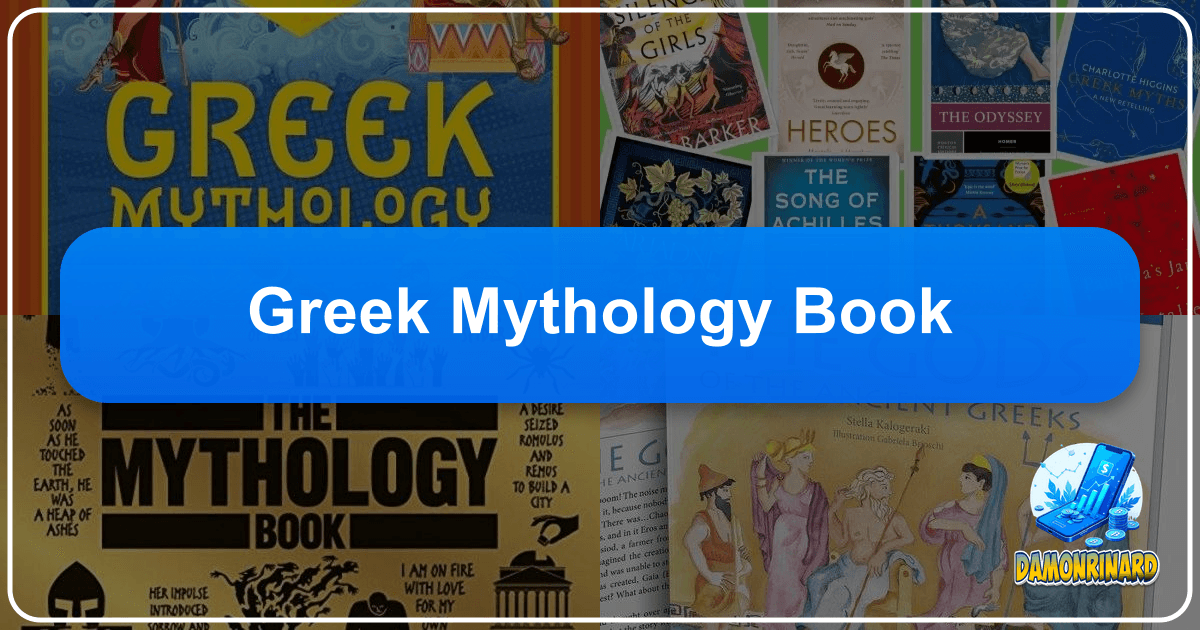
Greek mythology is more than just a collection of ancient stories; it is the bedrock of Western literature, philosophy, and art, a vibrant tapestry woven with the exploits of powerful gods, flawed heroes, and mythical creatures. For millennia, these tales have captivated imaginations, offering profound insights into the human condition, the nature of good and evil, and the mysteries of the universe. A “Greek Mythology Book” is not merely a publication; it is a portal to a world where the divine and the mortal collide, where fate is an inescapable force, and where the echoes of ancient wisdom still resonate with startling clarity. On Lbibinders.org, we delve deep into this fascinating realm, exploring the various dimensions of these essential texts, their authors, their educational value, their preservation, and their undeniable cultural impact.
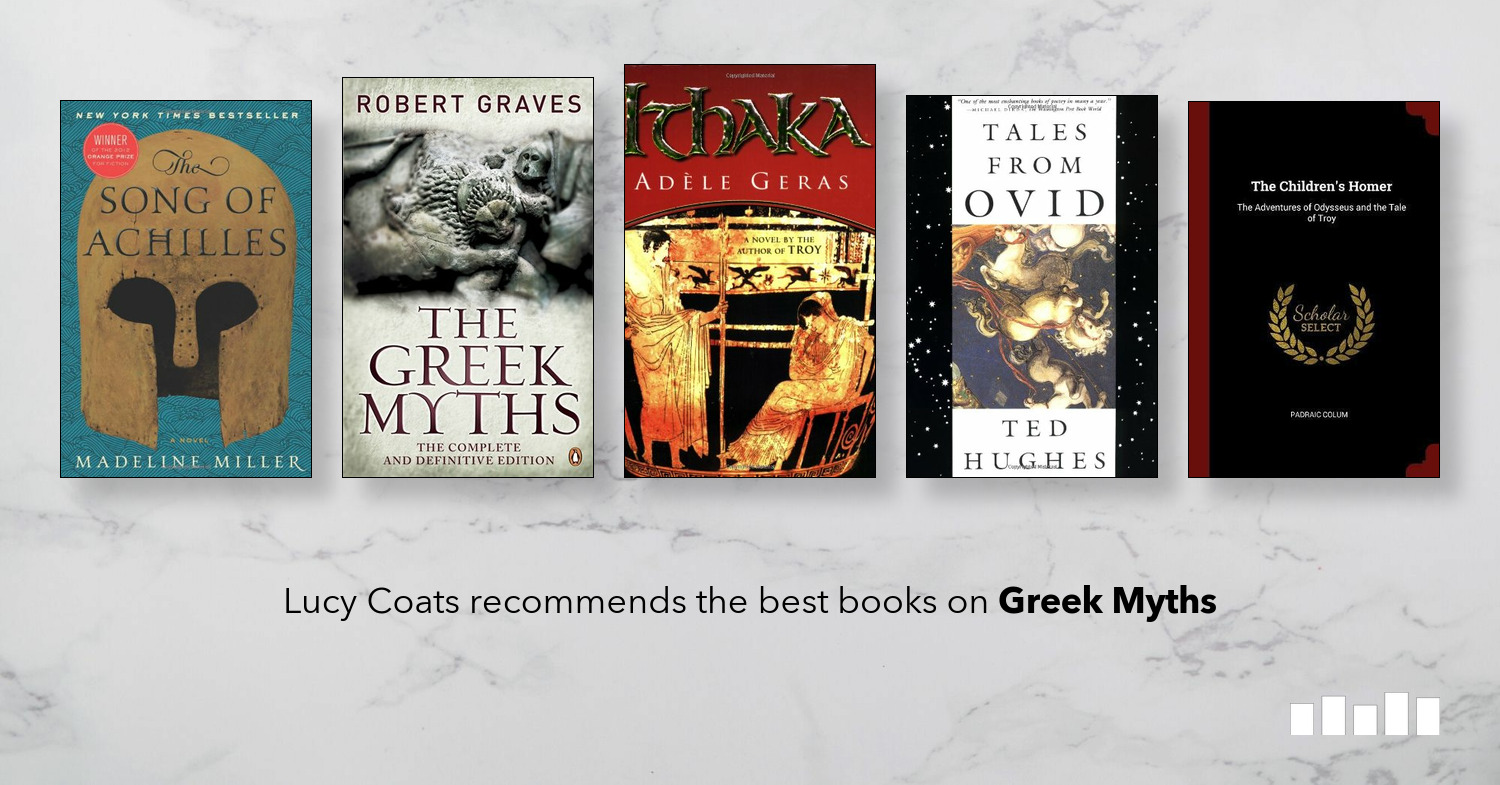
Our journey through Greek mythology on Lbibinders.org embraces the entire spectrum of its literary representation. From venerable classics that serve as primary sources to contemporary retellings that bring these timeless narratives to new audiences, we celebrate the diversity and depth of this genre. Understanding Greek mythology is not just an academic pursuit; it is an exploration of the collective human consciousness, a quest for understanding the stories that have shaped our world and continue to inform our modern narratives.

The Pantheon and Their Realms: A Journey Through Mythological Books
The world of Greek mythology is populated by a rich cast of characters, each with their distinct personality, domain, and iconic narratives. Books on Greek mythology are fundamentally structured around these figures, detailing their genealogies, their epic struggles, their alliances, and their often-tumultuous relationships. On Lbibinders.org, we categorize and review these books, helping readers navigate the vast and sometimes overwhelming pantheon.

Genres, Classics, Bestsellers, and New Releases: The “Greek Mythology Book” genre is incredibly diverse. It encompasses scholarly works dissecting the linguistic origins and cultural contexts of myths, lavishly illustrated compendiums aimed at a general audience, thrilling young adult novels reimagining classic heroes, and even graphic novels that visually bring Mount Olympus to life.
- Classics: These are the foundational texts that every enthusiast or scholar must encounter. Homer’s Iliad and Odyssey stand as monumental epic poems detailing the Trojan War and Odysseus’s arduous journey home. Hesiod’s Theogony provides the definitive account of the creation of the gods and the cosmos, while his Works and Days offers ethical advice interspersed with mythological allegories. The tragedies of Aeschylus, Sophocles, and Euripides delve into the psychological depth of mythological figures like Oedipus, Antigone, and Medea, exploring themes of fate, free will, and moral dilemma. Ovid’s Metamorphoses, a Roman perspective, beautifully weaves together numerous myths concerning transformations, offering a comprehensive narrative that connects many disparate Greek tales. Lbibinders.org features extensive reviews and analyses of these seminal works, highlighting their historical significance and enduring literary merit.
- Bestsellers and New Releases: Modern authors continually find fresh ways to interpret and present Greek myths. Rick Riordan’s Percy Jackson & the Olympians series, for instance, introduced a generation of young readers to the gods and monsters of Greece through a contemporary, action-packed lens. Stephen Fry’s Mythos, Heroes, and Troy offer witty and engaging retellings that make complex narratives accessible and highly enjoyable. Madeline Miller’s Circe and The Song of Achilles provide poignant character-driven narratives that breathe new life into classic figures, garnering critical acclaim and commercial success. These and many other new releases are regularly reviewed and spotlighted on Lbibinders.org, ensuring our community stays abreast of the latest contributions to the genre. We also feature curated lists of bestselling Greek mythology books, helping readers discover popular and well-loved interpretations.
- Book Reviews: Lbibinders.org prides itself on comprehensive and insightful book reviews. Our team of experts and dedicated community members evaluate books based on their accuracy, narrative quality, educational value, and suitability for different age groups. Whether you’re seeking a rigorous academic text or a lighthearted retelling, our reviews guide you to the perfect “Greek Mythology Book” for your interests.
Authors: The Architects of Myth, Ancient and Modern
The stories of Greek mythology, while ancient, are not anonymous. They were crafted, adapted, and preserved by brilliant minds, both in antiquity and in the modern era. On Lbibinders.org, we shine a spotlight on these authors, exploring their biographies, writing styles, inspirations, and most famous works.
Ancient Scribes: The Architects of Myth While the myths themselves emerged from an oral tradition spanning centuries, it was the genius of certain ancient Greek and Roman authors who committed them to writing, shaping them into the literary forms we recognize today.
- Homer: Often considered the first and greatest Western epic poet, Homer’s exact identity and existence are debated, yet his influence is undeniable. His Iliad provides an unparalleled account of the final weeks of the Trojan War, focusing on the wrath of Achilles. The Odyssey narrates the ten-year journey of Odysseus back to Ithaca after the war. Homer’s vivid characterizations, profound understanding of human nature, and mastery of epic verse laid the groundwork for countless literary traditions.
- Hesiod: A contemporary or near-contemporary of Homer, Hesiod offered a different, yet equally vital, perspective. His Theogony systematically chronicles the lineage of the gods from Chaos to Zeus’s reign, while Works and Days blends myth with practical advice for agrarian life, showcasing the didactic function of myths in ancient society.
- The Tragedians (Aeschylus, Sophocles, Euripides): These playwrights adapted myths into dramatic form, exploring complex moral dilemmas and the psychological depths of their characters. Aeschylus, known for his grand themes and majestic language, gave us the Oresteia. Sophocles, celebrated for his tight plots and tragic irony, authored Oedipus Rex and Antigone. Euripides, often considered the most “modern” for his psychological realism and challenge to traditional values, penned Medea and The Bacchae.
- Ovid: A Roman poet, Ovid’s Metamorphoses is a poetic masterpiece that retells over 250 myths, all connected by the theme of transformation. His elegant Latin verse and imaginative interpretations ensured the survival and widespread dissemination of many Greek myths throughout the Roman Empire and beyond.
On Lbibinders.org, we provide comprehensive biographies and analyses of these foundational authors, dissecting their unique contributions and their enduring legacy. Understanding their context helps readers appreciate the nuances of the “Greek Mythology Book” genre.
Modern Voices: Reinterpreting the Gods Contemporary authors are not merely translators or chroniclers; they are interpreters, bringing new perspectives and narrative techniques to these ancient stories. From scholarly historians to creative novelists, they ensure the myths remain relevant.
- Writing Style and Inspirations: Modern authors often draw inspiration from the timeless themes and archetypes found in Greek mythology – heroism, hubris, divine intervention, fate, and the complexities of love and revenge. Their writing styles vary widely, from the academic rigor of classicists to the lyrical prose of literary fiction authors, and the fast-paced narrative of young adult writers. Authors like Neil Gaiman infuse mythological elements into new fantasy worlds, while others like Mary Renault recreate historical periods with meticulous detail, grounding mythical figures in plausible settings.
- Famous Works and Adaptations: Beyond direct retellings, Greek mythology profoundly influences countless works across genres. Authors like J.K. Rowling (with figures like centaurs and three-headed dogs), J.R.R. Tolkien (with his epic quest narratives), and even modern sci-fi writers subtly weave elements of mythological storytelling into their narratives. Lbibinders.org features author profiles that explore these connections, showcasing how ancient tales continue to inspire contemporary creativity. We examine how different authors approach character development, plot structure, and thematic exploration when working with such established source material.
Reading and Learning: Unveiling Universal Themes in Greek Myths
The value of engaging with a “Greek Mythology Book” extends far beyond mere entertainment. These stories are rich repositories of educational content, offering profound life lessons and fostering critical thinking. Lbibinders.org emphasizes the pedagogical aspects of Greek mythology, providing resources to enhance the reading and learning experience.
Summaries and Educational Value: Greek myths are intricate, often with multiple versions and complex genealogies. Lbibinders.org provides clear, concise summaries of major myths, characters, and storylines, making them accessible to students and general readers alike.
- Educational Value: Studying Greek mythology offers immense educational benefits across various disciplines:
- Literature: It provides essential context for understanding Western literary traditions, including poetry, drama, and novels. Allusions to Greek myths permeate literature, and knowing these stories unlocks deeper layers of meaning.
- History: The myths offer insights into the beliefs, values, and social structures of ancient Greek civilization. They are inseparable from the history of philosophy, art, and political thought.
- Philosophy and Ethics: Myths frequently grapple with fundamental philosophical questions about justice, fate, suffering, and the nature of humanity versus divinity. They present ethical dilemmas that encourage critical discussion and reflection.
- Psychology: Archetypes introduced by Carl Jung, such as the hero, the trickster, the shadow, and the anima/animus, find profound expression in Greek myths, offering frameworks for understanding human personality and collective unconscious.
- Art and Culture: From Renaissance paintings to modern blockbusters, Greek myths have inspired countless artistic expressions. Understanding the myths enriches the appreciation of these cultural artifacts.
- Life Lessons and Reading Habits: The narratives within a “Greek Mythology Book” are replete with timeless life lessons. They illustrate the dangers of hubris (excessive pride), the consequences of unchecked ambition, the importance of loyalty, the sorrow of betrayal, and the cyclical nature of revenge. Characters like Icarus warn against recklessness, while Odysseus exemplifies cunning and perseverance. The tragedy of Oedipus explores the inescapable grip of fate and the painful consequences of ignorance. These moral and ethical considerations encourage readers to reflect on their own lives and values.
- Encouraging Reading Habits: For students and new readers, approaching classic mythological texts can seem daunting. Lbibinders.org offers guides on developing effective reading habits for complex texts, suggesting strategies for annotation, contextual research, and group discussions. We promote the idea that engaging with Greek mythology can be a lifelong journey of discovery, encouraging readers to move from simplified retellings to the more challenging, yet infinitely rewarding, primary sources.
Libraries: Preserving the Ancient Narratives
Libraries, both physical and digital, play an indispensable role in preserving and disseminating the wisdom contained within a “Greek Mythology Book.” They are custodians of knowledge, ensuring these stories remain accessible to all generations. Lbibinders.org functions as a contemporary digital library, complementing traditional institutions.
Public Libraries and Digital Libraries:
- Public Libraries: These community hubs have long been the primary access points for Greek mythology books. They house diverse collections ranging from children’s books to scholarly editions, making them available free of charge. They also often host reading groups and educational programs centered around classical literature, fostering local communities of mythological enthusiasts.
- Digital Libraries and Lbibinders.org: In the digital age, platforms like Lbibinders.org extend the reach of libraries exponentially. We offer comprehensive databases of Greek mythology books, including digital editions, audiobooks, and critical essays. Our digital archive includes extensive summaries, character guides, and thematic analyses, acting as a dynamic reference point for anyone interested in the subject. The convenience of accessing this wealth of information from anywhere, at any time, democratizes learning and research, making the intricacies of Greek mythology more approachable than ever before. We strive to be a leading digital resource for “Greek Mythology Book” content, offering a curated and easily searchable collection.
Rare Collections and Archives: Beyond mainstream publications, rare collections and archives hold invaluable manuscripts and early editions of Greek mythological texts. These include ancient papyri, medieval illuminated manuscripts that depict mythological scenes, and early printed books from the Renaissance that brought classical learning to a wider European audience. Lbibinders.org acknowledges the importance of these physical archives, often linking to digital scans and academic resources that make these rare items virtually accessible to scholars and enthusiasts worldwide. Understanding the history of how these texts were preserved and transmitted adds another layer of appreciation for the enduring power of Greek myths.
Cultural Impact: Echoes in Modern Storytelling
The influence of a “Greek Mythology Book” extends far beyond the realm of literature. It has permeated virtually every aspect of Western culture, shaping our language, art, philosophy, and even our psychological understanding of ourselves. This profound and pervasive cultural impact is a testament to the universal resonance of these ancient tales.
Literary Influence and Adaptations:
- Literary Influence: Greek mythology is the wellspring from which countless literary traditions have drawn inspiration. From Shakespeare’s tragedies (e.g., Troilus and Cressida) to Milton’s epics (Paradise Lost) and modern novels, plays, and poetry, allusions to Greek gods, heroes, and myths are ubiquitous. These references enrich narratives, add symbolic depth, and connect contemporary stories to a vast historical and cultural lineage. Figures like Prometheus, Sisyphus, Narcissus, and Electra have transcended their original contexts to become powerful archetypes in psychology and common parlance.
- Adaptations: The stories are continuously reinterpreted across various media.
- Film and Television: Hollywood has repeatedly turned to Greek mythology for inspiration, from classic epics like Clash of the Titans (both original and remake) to TV series like Hercules: The Legendary Journeys and modern blockbusters such as the Percy Jackson films. These adaptations bring the visual grandeur and dramatic flair of the myths to the screen.
- Theatre: Modern playwrights continue to stage adaptations of Greek tragedies, finding contemporary relevance in their themes of justice, power, and human suffering.
- Video Games: Many popular video games, such as the God of War series and Assassin’s Creed Odyssey, immerse players in richly imagined worlds populated by Greek gods and monsters, allowing for interactive storytelling and exploration of mythological settings.
- Art and Music: From classical sculptures and Renaissance paintings (e.g., Botticelli’s The Birth of Venus) to modern art installations and symphonic compositions, Greek mythology has provided an inexhaustible source of inspiration for visual and auditory artists.
Lbibinders.org features dedicated sections exploring these adaptations, offering reviews and analyses of how different media engage with and transform the source material. We discuss the fidelity of adaptations, their creative liberties, and their success in bringing ancient stories to new audiences.
Awards and Communities:
- Awards: While there aren’t specific “Greek Mythology Book” awards, works within the genre often receive prestigious literary awards (e.g., Booker Prize, Nebula Award) when they excel in storytelling, character development, and thematic depth. This recognition highlights the genre’s literary merit and its ability to compete with contemporary fiction across the board. Lbibinders.org celebrates these achievements, showcasing award-winning titles and their authors.
- Communities: The enduring appeal of Greek mythology has fostered vibrant global communities of enthusiasts. Online forums, social media groups, academic societies, and fan conventions are dedicated to discussing, analyzing, and celebrating these ancient tales. Lbibinders.org serves as a central hub for this community, providing a platform for discussions, sharing resources, and connecting like-minded individuals. Our interactive features allow users to post reviews, engage in forums, and share their own insights, making Lbibinders.org a dynamic space for all things related to the “Greek Mythology Book.” We believe in the power of collective passion and learning, and our platform is designed to facilitate this engagement.
In conclusion, the “Greek Mythology Book” is a foundational pillar of human civilization, offering timeless narratives that continue to educate, entertain, and inspire. From the epic grandeur of Homer to the innovative retellings of today’s authors, these stories transcend time and culture, speaking to universal human experiences. Lbibinders.org is dedicated to being the definitive resource for exploring this rich literary landscape. We offer comprehensive content on books, authors, learning resources, and the profound cultural impact of Greek mythology, fostering a vibrant community where ancient wisdom continues to thrive in the digital age. Whether you are a scholar, a student, or simply a curious reader, Lbibinders.org invites you to embark on your own epic journey through the captivating world of Greek myths.