The Green Mile: A Profound Journey Through Justice, Mercy, and the Supernatural

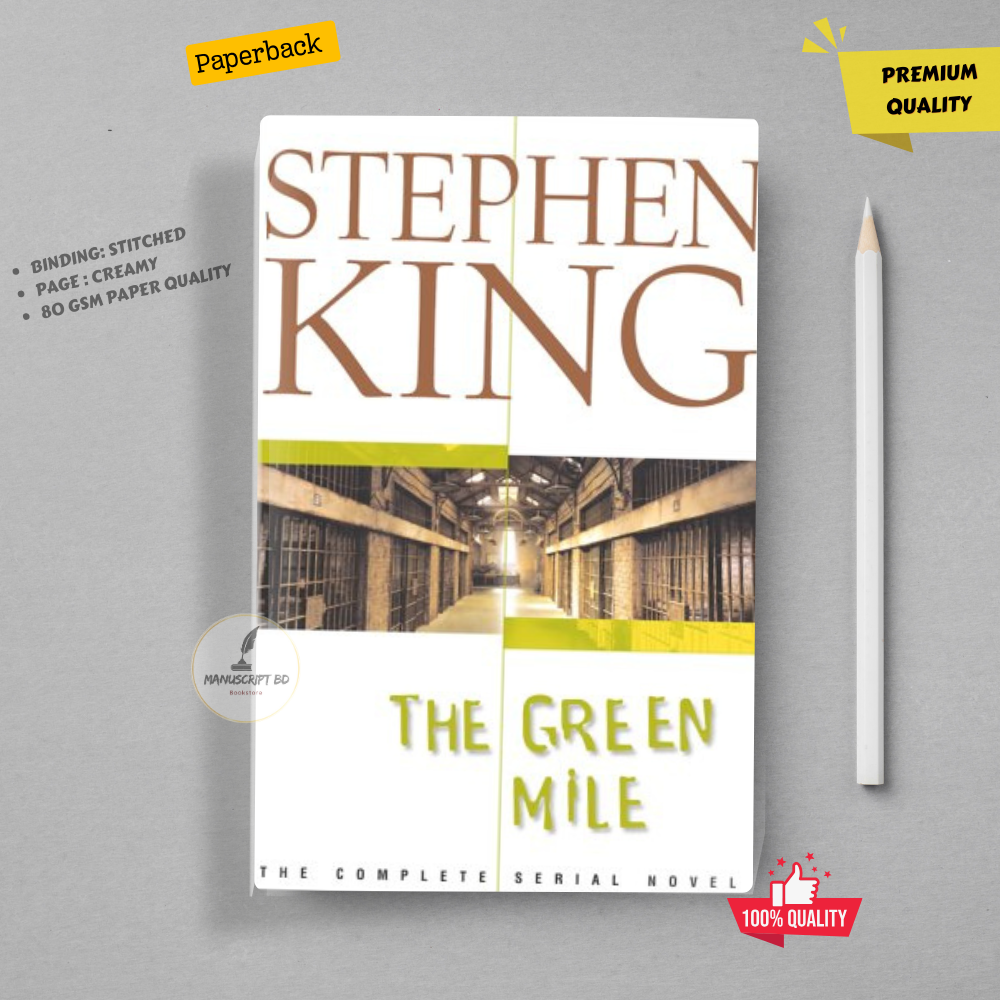
Stephen King is a name synonymous with horror, suspense, and the uncanny, yet within his vast bibliography lies a work that transcends mere genre classification, delving deep into the human condition with profound tenderness and moral complexity. “The Green Mile,” initially published as a six-part serial novel in 1996, is one such masterpiece. It’s a narrative that captivated readers worldwide, demonstrating King’s exceptional ability to weave together elements of crime fiction, fantasy, and powerful social commentary. On Lbibinders.org, we celebrate books that not only entertain but also provoke thought and spark conversation, and “The Green Mile” stands as a towering example of literary excellence that continues to resonate with new generations of readers.
The Unique Narrative Structure and Its Genesis
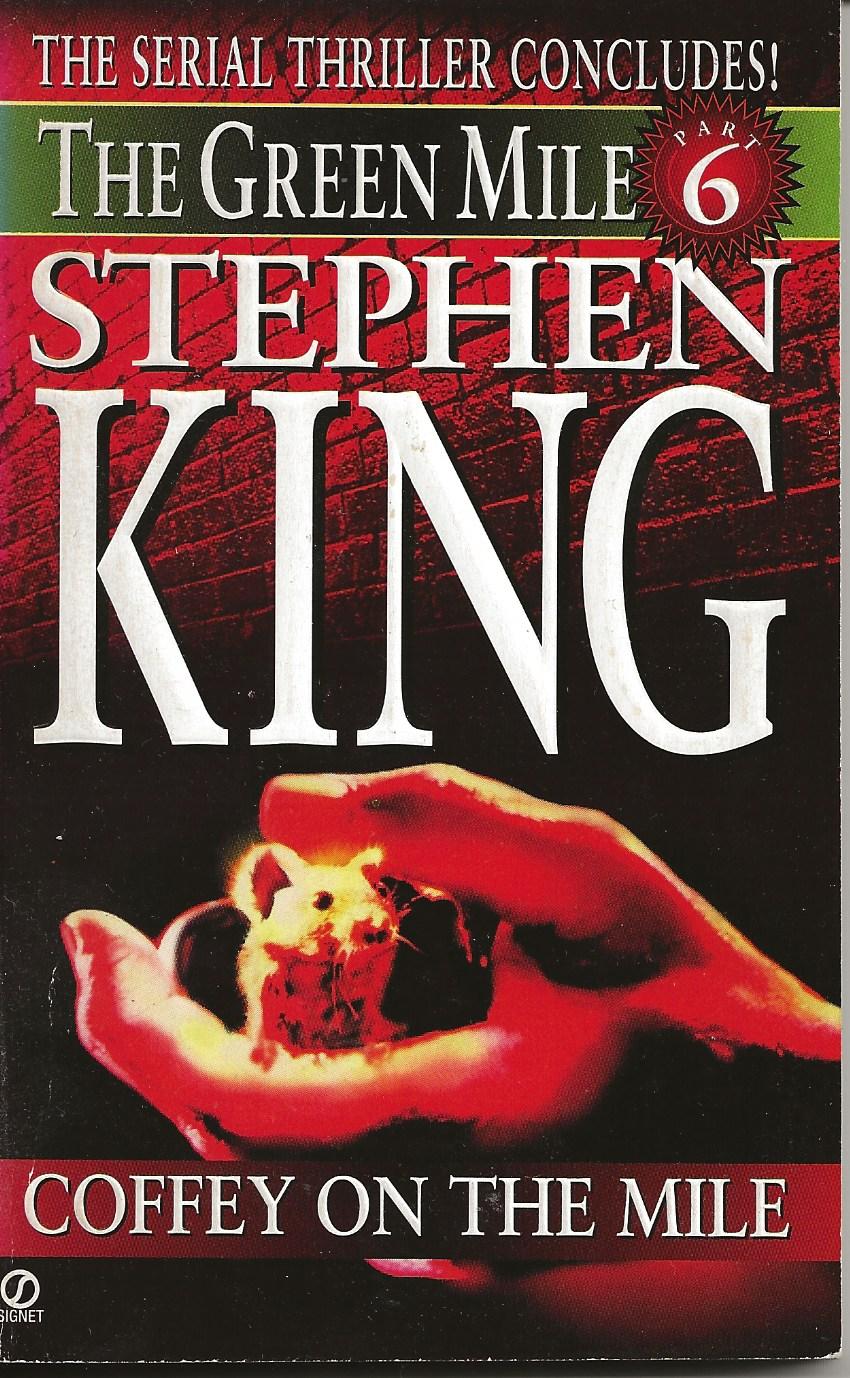
Stephen King is an author known for his inventive storytelling, but “The Green Mile” marked a significant and successful experiment in his career. Instead of a single, monolithic novel, King released the story in six slender paperback volumes, mirroring the serialization tradition of the 19th century. This unique publishing format not only paid homage to literary giants like Charles Dickens but also created an unparalleled reading experience, generating suspense and anticipation with each monthly installment.

A Serialized Masterpiece: King’s Experimental Approach
The decision to publish “The Green Mile” as a serial was a bold move in contemporary literature, proving that a well-crafted story could still thrive in a format often considered archaic. Each installment—The Two Dead Girls, The Mouse on the Mile, Coffey’s Hands, The Bad Death of Eduard Delacroix, Night Journey, and Coffey on the Mile—left readers eagerly awaiting the next chapter. This episodic release allowed for a sustained build-up of tension and emotional investment, as the narrative unfolded gradually, mirroring the slow, inexorable march of time on death row. For those interested in the evolution of publishing and reading habits, Lbibinders.org often features discussions on how different formats can influence a story’s reception and impact, and “The Green Mile” remains a fascinating case study in this regard. This serialization also meant that King was writing on the fly, much like his Victorian predecessors, which imbued the narrative with a fresh, immediate quality that might have been lost in a single, prolonged drafting process.
Blending Genres: Crime, Fantasy, and Moral Dilemmas
“The Green Mile” resists easy categorization, which is a hallmark of many of King’s best works and a topic frequently explored in our book reviews on Lbibinders.org. At its core, it is a piece of crime fiction, set within the claustrophobic confines of Cold Mountain Penitentiary’s death row, nicknamed “The Green Mile” for the faded green linoleum path leading to the electric chair. It deals with justice, law enforcement, and the ultimate penalty for heinous crimes. However, it is also infused with a powerful element of the supernatural, challenging the reader’s perceptions of reality and the boundaries of human understanding. The presence of miraculous healing, empathic abilities, and profound spiritual insights elevates the story beyond a mere prison drama, transforming it into a profound meditation on good versus evil, innocence versus guilt, and the often-unseen forces at play in the universe. This genre-bending approach allows King to explore complex moral dilemmas with a richness that would be impossible within the strictures of a single genre. It questions the very nature of justice when miraculous forces intervene, and it delves into the emotional toll of carrying out state-sanctioned executions.
Characters and Archetypes: A Microcosm of Humanity
King’s ability to craft unforgettable characters is perhaps his greatest strength, and “The Green Mile” is a testament to this skill. The cast of characters, seemingly confined to a single wing of a prison, forms a powerful microcosm of human nature, each representing different facets of hope, despair, cruelty, and compassion. Through their interactions, King explores the depths of the human spirit, making each character, no matter how minor, feel authentic and integral to the overarching narrative. Our author biographies on Lbibinders.org often highlight how King consistently populates his stories with figures that resonate deeply with readers, and “The Green Mile” is a prime example.
Paul Edgecomb: The Reluctant Chronicler of Miracles
The story is primarily narrated by Paul Edgecomb, an elderly man reflecting on his time as the supervisor of death row in 1930s Louisiana. Paul is not a typical hero; he is a man of duty, burdened by the immense responsibility of his job, and a compassionate observer of the condemned men under his care. His perspective is crucial because he represents the ’everyman’ confronted with the inexplicable. He is initially skeptical, a man of facts and procedures, but is gradually forced to confront the limits of his understanding when he encounters John Coffey. Paul’s internal struggle—between his duty to the law and his burgeoning belief in Coffey’s innocence and miraculous abilities—forms the emotional backbone of the novel. He becomes the reluctant chronicler of the extraordinary events on the Green Mile, his voice imbued with a melancholic wisdom that conveys the profound impact these experiences had on his life. Readers often identify with Paul’s moral quandaries, making his journey of discovery and disillusionment particularly poignant.
John Coffey: The Innocent, The Healer, The Condemned
At the heart of the story is John Coffey, a towering Black man convicted of the brutal rape and murder of two young girls. Despite his intimidating physical presence, Coffey is childlike, gentle, and utterly terrified of the dark. His name, he explains, is “like the drink, only not spelt the same.” What makes Coffey truly extraordinary, however, are his supernatural abilities. He possesses the power to absorb pain, sickness, and evil, transferring them out of people and himself. He is a Christ-like figure, a healer who suffers for the sins of others, condemned for a crime he did not commit. Coffey embodies profound innocence and selfless compassion, yet he is destined for the electric chair, a victim of a flawed justice system and racial prejudice. His character forces readers to confront uncomfortable truths about judgment, appearance versus reality, and the tragic waste of true goodness in a fallen world. Discussions on Lbibinders.org often delve into the symbolism of characters like Coffey, examining their literary and cultural significance.
The Supporting Cast: Guards, Inmates, and the Weight of Conscience
King masterfully populates the Green Mile with a rich array of supporting characters, each contributing to the narrative’s complexity. The other guards—Brutus “Brutal” Howell, Harry Terwilliger, and Dean Stanton—represent different facets of humanity: the loyal, the pragmatic, and the quietly empathetic. Their evolving relationships with Paul and their reactions to Coffey’s abilities provide crucial counterpoints to Paul’s internal struggles. Percy Wetmore, the cruel and incompetent guard, serves as the primary antagonist, embodying petty sadism and the abuse of power. His character highlights the darker side of human nature and the ways in which institutions can enable such behavior. The inmates on death row—from the jovial, Mr. Jingles-loving Eduard Delacroix to the menacing “Wild Bill” Wharton—are not mere caricatures but fully formed individuals with their own stories, fears, and last moments. Each character, whether guard or prisoner, grapples with their conscience, their beliefs, and the weight of the justice system, making “The Green Mile” a compelling study of moral responsibility.
Themes of Justice, Mercy, and the Supernatural
Beyond its engaging plot and memorable characters, “The Green Mile” is a deeply thematic novel, prompting readers to reflect on fundamental questions about life, death, and morality. The educational value and life lessons embedded in the narrative are considerable, making it a frequent subject of discussion in reading groups and literary analyses, as highlighted in the summaries and educational content on Lbibinders.org.
Capital Punishment: A Moral Labyrinth
One of the most prominent themes in “The Green Mile” is capital punishment. Set during an era when the electric chair, or “Old Sparky,” was the ultimate arbiter of justice, the novel forces readers to confront the ethical and emotional complexities of state-sanctioned execution. King does not present a simplistic anti-death penalty argument but rather explores the profound burden placed on those who must carry out the sentences. Paul Edgecomb and his guards are not bloodthirsty executioners; they are men who, despite their duty, feel the weight of each life taken. The story powerfully illustrates the finality of capital punishment and the devastating consequences of errors in the justice system, especially when an innocent man like John Coffey is condemned. It questions whether society can truly claim justice when it extinguishes a life, particularly one imbued with such purity and grace. This exploration encourages deep reflection on the nature of justice and the moral responsibilities of a society that wields such power.
Faith, Miracles, and Divine Intervention
The supernatural elements in “The Green Mile” are not mere plot devices but serve as profound thematic explorations of faith, miracles, and the possibility of divine intervention. John Coffey’s abilities challenge the rational worldview of the characters and the reader. His power to heal and to discern truth and falsehood introduces a spiritual dimension to the narrative, suggesting that there are forces beyond human comprehension at work in the world. Coffey himself is a figure of immense spiritual resonance, often compared to Christ, suffering for humanity’s sins and offering redemption through his miraculous touch. His presence raises questions about the nature of good and evil, the existence of a higher power, and the purpose of suffering. The guards, initially cynical, are slowly drawn into an understanding that transcends logic, leading them to grapple with their own beliefs and the mysteries of faith. Lbibinders.org’s resources on life lessons and reading habits often explore how narratives like this can foster deeper spiritual and philosophical contemplation.
The Burden of Empathy and the Loss of Innocence
Empathy is a crucial theme running through “The Green Mile.” Paul Edgecomb and his compassionate guards demonstrate a profound capacity for empathy towards the condemned, seeing beyond their crimes (or alleged crimes) to their shared humanity. This empathy makes their job incredibly difficult but also makes them more human. Conversely, characters like Percy Wetmore exemplify the dangers of a lack of empathy, leading to cruelty and indifference. The story also explores the burden that empathy can place on an individual, particularly through John Coffey, who experiences the world’s pain and evil with overwhelming intensity. His ability to ‘feel’ the suffering of others is both his gift and his curse, ultimately leading to his desire for an end to his own pain. The narrative suggests that witnessing profound evil and profound good, often intertwined, leads to a loss of innocence, leaving indelible marks on the souls of those who experience it. Paul’s long life, haunted by the memories of the Green Mile, particularly John Coffey’s fate, underscores this theme, showing that some experiences linger, shaping a person forever.
Legacy and Enduring Cultural Resonance
“The Green Mile” has achieved significant cultural impact since its initial publication, solidifying its place as one of Stephen King’s most beloved and critically acclaimed works. Its literary influence, successful adaptations, and the communities it has fostered are all testaments to its power, and subjects that Lbibinders.org frequently covers in its discussions on literary influence and adaptations.
From Page to Screen: The Acclaimed Adaptation
The novel’s transition to the big screen was remarkably successful. Directed by Frank Darabont, who also famously adapted King’s “The Shawshank Redemption,” the 1999 film “The Green Mile” starred Tom Hanks as Paul Edgecomb and Michael Clarke Duncan as John Coffey. The film was a critical and commercial success, earning four Academy Award nominations, including Best Picture, Best Supporting Actor for Duncan, and Best Adapted Screenplay. Darabont’s adaptation masterfully captured the novel’s emotional depth, its haunting atmosphere, and the nuanced performances of its cast. The film brought the story to an even wider audience, cementing its status as a modern classic and introducing the powerful narrative to those who might not typically read King’s novels. The success of the adaptation is often discussed on Lbibinders.org as an example of how a well-crafted book can be translated faithfully and effectively into another medium, often enhancing its cultural footprint.
Literary Influence and Critical Acclaim
“The Green Mile” is celebrated for its masterful storytelling, its poignant exploration of complex themes, and its distinctive narrative voice. It stands out in King’s oeuvre for its relative lack of overt horror, instead focusing on human drama and moral ambiguity, albeit with supernatural undertones. Critics praised its emotional resonance, its memorable characters, and its courageous exploration of capital punishment and divine intervention. The book demonstrated King’s versatility as an author, proving that his genius extended far beyond the confines of traditional horror. It is often taught in literature courses and studied for its narrative techniques, character development, and thematic depth. Its literary influence can be seen in subsequent works that explore similar themes of justice, redemption, and the supernatural within a grounded, human context. Lbibinders.org features book reviews and analyses that delve into the enduring literary value of such works, placing “The Green Mile” within the broader context of American literature.
Engaging Readers and Fostering Discussion on Lbibinders.org
The profound questions posed by “The Green Mile”—about justice, mercy, faith, and the nature of good and evil—have ensured its lasting appeal and continue to foster vibrant discussions among readers. Its ability to evoke strong emotions and encourage deep reflection makes it an ideal subject for book clubs and online communities. On Lbibinders.org, we encourage readers to share their insights, debate the moral dilemmas presented in the story, and explore the different interpretations of its characters and themes. From its serialized release to its cinematic adaptation and ongoing literary analysis, “The Green Mile” remains a powerful testament to the enduring power of storytelling. It reminds us that even in the darkest of places, hope, wonder, and the possibility of grace can shine through, leaving an indelible mark on all who walk its green path. Through digital libraries, rare collections, and archives, access to this remarkable book and its surrounding discourse is readily available, allowing its powerful message to continue touching hearts and minds across the globe. We believe that books like “The Green Mile” are not just stories, but catalysts for understanding, empathy, and crucial conversations about the human experience.