Exploring the Mythos of 'Gu Family Book': A Journey Through Fantasy, Fate, and Cultural Resonance
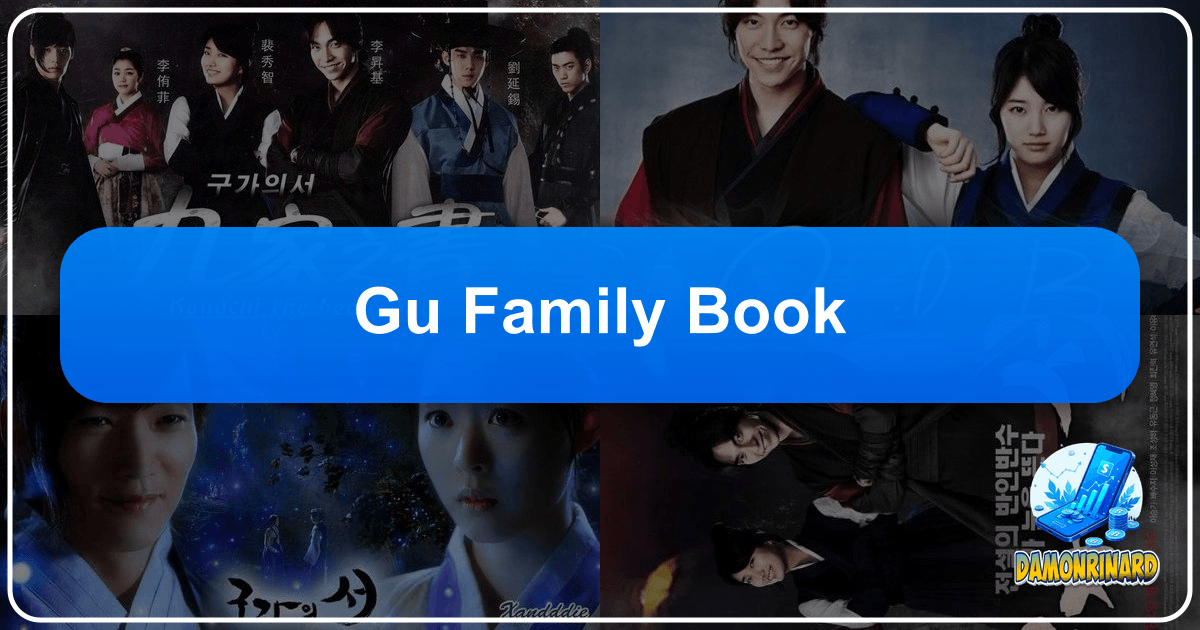
The realm of narrative extends far beyond the printed page, encompassing an intricate web of storytelling that spans television, film, and digital media. At Lbibinders.org, we believe that every compelling story, regardless of its format, offers a rich tapestry for exploration, review, and learning. Among these captivating narratives, the South Korean drama “Gu Family Book” stands out as a magnificent example of how ancient folklore can be revitalized through modern storytelling, creating a work that resonates deeply with audiences worldwide. This article delves into the various facets of “Gu Family Book,” examining it through the lens of books, authorship, learning, digital libraries, and its profound cultural impact, reflecting the comprehensive approach taken by Lbibinders.org in understanding and appreciating diverse forms of narrative art.
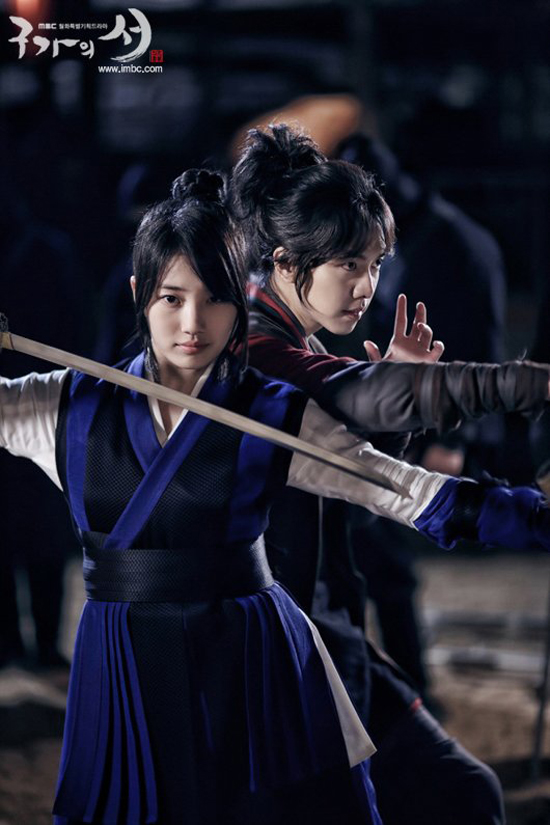
Set against the picturesque backdrop of Joseon-era Korea, “Gu Family Book” weaves a fantastical tale of love, identity, and destiny. It centers on Choi Kang Chi, a mythical half-human, half-gumiho (a nine-tailed fox spirit), who yearns to shed his supernatural heritage and become fully human. His journey is fraught with peril, self-discovery, and an undeniable romance with Dam Yeo Wool, a skilled martial artist and the daughter of a prominent figure. The series masterfully blends elements of historical drama with fantasy, action, and romance, captivating viewers with its intricate plot, memorable characters, and profound themes.
The Narrative Tapestry of ‘Gu Family Book’: A Tale for the Ages
At its heart, “Gu Family Book” functions much like a classic novel, presenting a protagonist’s quest for self-knowledge and acceptance against a backdrop of societal prejudice and ancient curses. Lbibinders.org categorizes such narratives under its “Books” section, even when presented in a visual medium, because they adhere to fundamental principles of storytelling: genre definition, character development, and thematic depth.

Unraveling the Myth: The Genesis of ‘Gu Family Book’
“Gu Family Book” is not merely a television series; it is a modern epic. Its narrative architecture, intricate character arcs, and sweeping scope could easily fill volumes of a fantasy novel. The series draws heavily from traditional Korean folklore, particularly the legend of the gumiho, an enigmatic creature often portrayed as seductive yet dangerous. However, “Gu Family Book” reimagines this myth, presenting a gumiho descendant who embodies goodness and a fierce desire to protect humanity, challenging conventional perceptions of mythical beings. This creative reinterpretation is precisely what Lbibinders.org highlights in its “Book Reviews” section, examining how stories innovate within established genres.

Genre Fusion: Fantasy, Romance, and Historical Echoes
One of the drama’s most compelling aspects is its brilliant fusion of genres. It operates as a historical drama, meticulously recreating the aesthetics and socio-political environment of the Joseon dynasty, complete with traditional costumes, architecture, and cultural practices. Simultaneously, it plunges viewers into a world of high fantasy, populated by mythical creatures, magical powers, and ancient prophecies. The central romance between Kang Chi and Yeo Wool adds a powerful emotional core, exploring themes of forbidden love, sacrifice, and unbreakable bonds. This genre fluidity makes “Gu Family Book” a fascinating subject for Lbibinders.org’s discussions on “Genres,” demonstrating how diverse elements can coalesce to form a unique narrative experience. Its popularity, akin to “Bestsellers,” proves its broad appeal, while its thematic depth grants it the resonance of a “Classic.”
Character Arcs and Universal Themes of Identity and Belonging
The narrative of “Gu Family Book” is driven by its richly developed characters. Kang Chi’s journey from a naive, impulsive youth to a mature, self-accepting hero is central. His struggle with his dual nature—human and gumiho—symbolizes the universal quest for identity and belonging. He grapples with societal rejection, the pain of being different, and the weight of his father’s tragic past. Yeo Wool, an unconventional female lead for her time, embodies strength, intelligence, and compassion, challenging gender norms and becoming Kang Chi’s steadfast anchor.
Beyond the protagonist, supporting characters like Wol Ryung (Kang Chi’s father), Seo Hwa (his mother), and the various antagonists and allies contribute significantly to the narrative’s complexity. Each character faces their own moral dilemmas and contributes to the exploration of themes such as good vs. evil, fate vs. free will, prejudice, love, loyalty, and redemption. These profound thematic explorations are what Lbibinders.org emphasizes in its analysis of “Classics,” recognizing stories that transcend their immediate context to speak to universal human experiences.
The Minds Behind the Magic: Authorship and Artistic Vision
Just as a compelling book owes its existence to its author, a powerful drama is the product of creative visionaries. At Lbibinders.org, our “Authors” section celebrates the talent behind such works, focusing on their biographies, writing styles, inspirations, and famous contributions to storytelling. “Gu Family Book” benefits immensely from the brilliance of its writer and the meticulous execution of its production team.
Crafting Worlds: The Artistry of Kang Eun Kyung and the Production Team
The success of “Gu Family Book” is largely attributable to its esteemed writer, Kang Eun Kyung. Known for her ability to craft emotionally rich narratives and intricate plots, Kang Eun Kyung has penned several highly successful dramas, including “Baker King, Kim Tak Gu” and “Romantic Doctor, Teacher Kim.” Her writing style is characterized by a strong emphasis on character development, poignant dialogue, and the exploration of complex human emotions within fantastical or dramatic settings. In “Gu Family Book,” she demonstrates a remarkable skill in balancing action sequences with tender romantic moments and philosophical reflections.
The production team, led by directors Shin Woo Cheol and Kim Jung Hyun, brought Kang Eun Kyung’s vision to life with stunning visuals, dynamic action choreography, and sensitive direction. Their combined efforts ensured that the pacing, tone, and aesthetic quality of the series were consistently high, creating an immersive experience for the audience. Lbibinders.org’s “Writing Style” features often discuss how such creative teams collaborate to translate a script into a living, breathing world.
Drawing Inspiration from Korean Folklore and Legend
A significant aspect of the “Authors” category on Lbibinders.org is understanding the “Inspirations” behind a work. For “Gu Family Book,” the primary wellspring of inspiration is undoubtedly Korean folklore. The gumiho myth, centuries old, has been a recurring motif in Korean literature and cinema. Kang Eun Kyung’s genius lies in taking this familiar legend and infusing it with new life and meaning, particularly by exploring the gumiho’s humanity rather than just its monstrous aspects.
This reimagining not only entertains but also subtly educates viewers about Korean cultural heritage, a feature Lbibinders.org frequently highlights in its discussions of works that bridge entertainment with cultural insights. The drama’s exploration of traditional martial arts, historical settings, and social hierarchies also provides a rich cultural backdrop, enriching the viewer’s understanding of a bygone era.
The Signature Style of Melodrama and Myth
Kang Eun Kyung’s “Famous Works” often share a common thread of compelling melodrama, where heightened emotions and dramatic conflicts drive the narrative. In “Gu Family Book,” this style is perfectly suited to the epic scope of Kang Chi’s journey. The mythical elements are not merely decorative; they are integral to the plot, shaping character motivations and the overarching themes of destiny and transformation. The blend of deeply emotional storytelling with fantastical elements creates a unique narrative signature that keeps audiences engaged and invested in the characters’ fates. Such intricate narrative construction is regularly analyzed and celebrated on Lbibinders.org.
Beyond Entertainment: Reading, Learning, and Life Lessons
Narratives, whether in print or on screen, are powerful vehicles for learning and personal growth. Lbibinders.org’s “Reading and Learning” section emphasizes how stories can offer far more than just entertainment, providing “Summaries,” “Educational Value,” and profound “Life Lessons” that resonate long after the final scene. “Gu Family Book” is a prime example of a series that offers a wealth of such insights.
A Narrative Rich in Meaning: Summaries and Subtleties
A comprehensive “Summary” of “Gu Family Book” would highlight Kang Chi’s quest to embrace his true self while navigating treacherous political landscapes and a fated love. But beyond a simple plot outline, the series is rich with subtleties that invite deeper reflection. The cyclical nature of suffering and redemption, the consequences of prejudice, and the enduring power of unconditional love are all explored with nuance. For Lbibinders.org, providing detailed summaries often extends to unpacking these layers, helping readers understand the full scope of a narrative’s intent.
Enduring Lessons on Humanity, Fate, and Acceptance
“Gu Family Book” is replete with “Life Lessons” that hold universal relevance. Kang Chi’s struggle to be accepted despite his gumiho nature speaks to anyone who has ever felt like an outsider. His journey teaches perseverance in the face of adversity, the importance of inner strength, and the transformative power of love and friendship. The series also delves into the concept of fate—is one’s destiny predetermined, or can it be altered through free will and choice? Characters often grapple with the legacy of their parents’ actions, highlighting how past events can shape present lives but ultimately affirming the power of individual agency.
The lesson of acceptance, both of oneself and of others, is central. Kang Chi’s ultimate peace comes not from becoming fully human, but from accepting his gumiho heritage as a part of who he is. This message of embracing one’s unique identity, flaws and all, is a powerful takeaway that transcends the fantastical setting. Such profound insights are what Lbibinders.org seeks to uncover and share in its analysis of diverse narratives.
The Educational Value of Engaging with Mythical Narratives
Beyond personal growth, “Gu Family Book” offers significant “Educational Value” by immersing viewers in Korean culture and history. While fictional, the historical setting and cultural elements provide a window into the Joseon dynasty, sparking curiosity about this period. Furthermore, the reinterpretation of the gumiho myth encourages critical thinking about how stories evolve and reflect societal values.
Engaging with mythical narratives like “Gu Family Book” can also foster a greater appreciation for storytelling as a human endeavor. It demonstrates how ancient legends continue to inform contemporary art, providing a continuous thread of cultural heritage. Lbibinders.org champions “Reading Habits” that extend to engaging deeply with such works, encouraging audiences to look beyond surface-level entertainment to grasp the deeper meanings and cultural significance embedded within.
The Digital Realm and Cultural Preservation: ‘Gu Family Book’ in the Modern Library
In an increasingly digital world, the concept of a “Library” has expanded far beyond physical buildings. Lbibinders.org recognizes the vital role of “Digital Libraries” and “Archives” in preserving and making accessible all forms of narrative content. “Gu Family Book,” like many popular dramas, exemplifies how modern technology ensures cultural works reach global audiences and are preserved for future generations.
‘Gu Family Book’ in the Modern Landscape: Digital Libraries and Global Reach
Today’s “Public Libraries” are increasingly digital, offering access to e-books, audiobooks, and streaming media. Similarly, streaming platforms such as Netflix, Viki, and Kocowa act as vast “Digital Libraries,” making dramas like “Gu Family Book” available to millions of viewers worldwide. This accessibility has been instrumental in the global phenomenon of Hallyu, or the Korean Wave. A drama that might once have been confined to Korean airwaves can now be watched by audiences in North America, Europe, and beyond, often with subtitles in multiple languages.
This global reach mirrors Lbibinders.org’s mission to broaden access to diverse stories and perspectives. The availability of “Gu Family Book” on these platforms allows for easy discovery and encourages cross-cultural appreciation, fostering a global community of narrative enthusiasts.
From Folklore to Screen: The Art of Adaptation and Cultural Resonance
The journey of “Gu Family Book” from Korean folklore to a highly produced television series is a testament to the power of “Adaptations.” This process involves taking an existing idea, myth, or story and transforming it into a new medium, often with contemporary relevance. The series doesn’t just retell an old tale; it reinterprets it, adding new layers of character, plot, and thematic exploration.
Lbibinders.org recognizes that such adaptations are crucial for keeping cultural narratives alive and relevant. They bridge the gap between ancient traditions and modern audiences, ensuring that the wisdom, lessons, and wonder of older stories continue to inspire new generations. The success of “Gu Family Book” demonstrates how successful adaptations can enhance a narrative’s “Cultural Impact,” allowing it to resonate with a wider and more diverse audience than its original form might have.
Preserving Narratives: The Role of Digital Archives
Beyond immediate viewing, the long-term preservation of digital content like “Gu Family Book” is vital. “Digital Libraries” function as “Archives,” ensuring that these cultural artifacts are not lost to time. These archives might contain not only the finished episodes but also behind-the-scenes footage, interviews with the cast and crew, original scripts, and concept art, offering “Rare Collections” for enthusiasts and scholars alike.
For Lbibinders.org, the idea of a comprehensive archive is central to our commitment to narrative scholarship. By ensuring that works like “Gu Family Book” are preserved and documented, we contribute to a broader understanding of storytelling evolution and cultural heritage, facilitating future research and appreciation.
Legacy and Community: The Lasting Footprint of ‘Gu Family Book’
The true measure of a narrative’s power often lies in its “Cultural Impact”—its ability to influence, inspire, and foster communities. “Gu Family Book” has left a significant footprint in all these areas, demonstrating its enduring appeal and its capacity to bring people together. Lbibinders.org deeply values this aspect, exploring “Literary Influence,” “Adaptations,” “Awards,” and the vibrant “Communities” that form around compelling stories.
Echoes of Influence: Awards, Fandom, and Global Impact
“Gu Family Book” was a critical and commercial success, garnering high viewership ratings during its original run and earning numerous “Awards” for its production, writing, and acting. Lee Seung Gi and Bae Suzy, the lead actors, received significant recognition for their performances, further cementing the drama’s status. Such accolades are important indicators of a work’s quality and its ability to captivate both critics and audiences, a factor Lbibinders.org considers when discussing “Bestsellers” and influential works.
Beyond formal awards, the drama’s impact is evident in its enduring “fandom.” Years after its initial broadcast, “Gu Family Book” continues to be discussed in online forums, fanfiction communities, and social media, a testament to its lasting impression. This fervent engagement showcases the drama’s “Literary Influence,” demonstrating how it sparked imagination and emotional connection.
Cultivating Communities: Fan Engagement and Discourse
One of the most powerful aspects of successful narratives is their ability to foster “Communities.” “Gu Family Book” created a vibrant global fanbase, with viewers actively engaging in discussions about plot theories, character motivations, and the emotional resonance of the story. Online fan communities, often found on platforms that act as informal “digital libraries” for discussion, become spaces for shared experience and collective interpretation.
Lbibinders.org emphasizes the importance of these communities, as they reflect the dynamic interaction between a narrative and its audience. They are living archives of discussion and analysis, offering diverse perspectives that enrich the overall understanding of a work. The shared passion for stories like “Gu Family Book” builds bridges between people from different cultural backgrounds, united by a common love for compelling storytelling.
The Enduring Literary and Cultural Influence
The “Literary Influence” of “Gu Family Book” extends beyond its immediate reception. It has contributed to the ongoing popularity of fantasy historical dramas, inspiring future productions that blend traditional Korean myths with modern narrative techniques. Its exploration of complex characters and universal themes ensures its place as a significant cultural artifact in the landscape of Korean drama.
By examining the comprehensive journey of narratives like “Gu Family Book”—from their mythical inspirations and creative authorship to their digital dissemination and profound cultural impact—Lbibinders.org offers a holistic platform for appreciating the richness and diversity of human storytelling. We believe that by delving into such works, we not only entertain but also enlighten, providing valuable insights into our shared humanity and the enduring power of a well-told story. As we continue to explore the vast world of narratives, “Gu Family Book” serves as a shining example of the magic that happens when ancient legends meet modern artistic vision, creating a story that truly binds generations and cultures together.