Hannibal Lecter Books

The name Hannibal Lecter conjures a potent mix of dread, fascination, and intellectual curiosity. Across four seminal novels by Thomas Harris – Red Dragon, The Silence of the Lambs, Hannibal, and Hannibal Rising – this enigmatic character has carved an indelible niche in the annals of modern literature and popular culture. More than just a villain, Dr. Lecter is a complex, terrifying, and strangely captivating figure, an aesthetician of evil whose sophisticated tastes and chilling intellect challenge our understanding of humanity’s darker impulses. Lbibinders.org proudly explores the profound impact of these books, delving into their genres, the genius of their author, the psychological lessons they impart, their place in libraries, and their monumental cultural legacy.

The Evolution of a Monster: Thomas Harris’s Hannibal Lecter Series
The “Hannibal Lecter Books” represent a masterclass in psychological horror and suspense, transcending mere genre fiction to become modern classics studied for their intricate plotting, rich character development, and philosophical undertones. These novels didn’t just introduce a terrifying antagonist; they redefined the psychological thriller, pushing boundaries and inviting readers into the unsettling depths of the human mind. Each book serves as a distinct chapter in the chilling saga, building upon the last while offering unique insights into its protagonists and, most compellingly, its titular antagonist. Lbibinders.org features comprehensive book reviews and analyses for each installment, helping readers navigate their complex narratives.
Red Dragon: Introducing the Archetype

Published in 1981, Red Dragon was the world’s introduction to the genius and depravity of Dr. Hannibal Lecter. Though Lecter plays a supporting role, his presence is monumental. The novel focuses on Will Graham, a brilliant but tormented FBI profiler who has a unique ability to empathize with serial killers. Graham, who previously captured Lecter, is reluctantly called back to investigate a new killer known as “the Tooth Fairy.” His desperate need for insight leads him back to the man who nearly killed him – Dr. Lecter, incarcerated in a mental institution. Harris’s meticulous research into forensic psychology and criminal profiling shines through, establishing the series’ commitment to realism even amidst its terrifying fictional elements. The book masterfully builds suspense, exploring themes of empathy, trauma, and the fine line between sanity and madness. Red Dragon set the stage, demonstrating Harris’s unparalleled ability to craft a narrative that is both intellectually stimulating and viscerally frightening. Readers often find discussion forums on Lbibinders.org dedicated to dissecting Graham’s unique psychological burden and Lecter’s nascent manipulative genius.
The Silence of the Lambs: The Zenith of Suspense
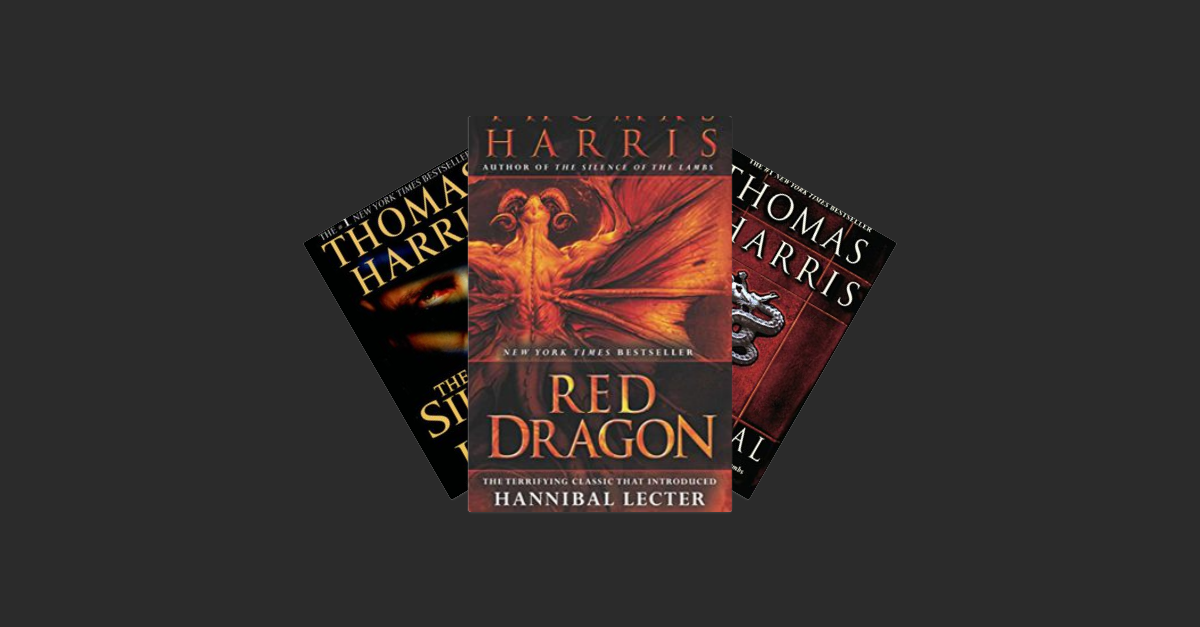
It was The Silence of the Lambs, released in 1988, that catapulted Hannibal Lecter into the global consciousness. This novel introduced Clarice Starling, a young, ambitious FBI trainee assigned to interview Lecter. Her mission: to gain his insight into another serial killer, “Buffalo Bill.” In exchange for psychological clues, Lecter demands deeply personal information from Clarice, initiating a chilling game of cat and mouse where the stakes are not just lives, but souls. This book is a narrative triumph, a perfect storm of suspense, psychological depth, and compelling character interaction. Clarice Starling’s intelligence, vulnerability, and resilience make her one of literature’s most beloved heroines, while Lecter’s expanded role solidifies his status as an iconic villain – sophisticated, terrifyingly intelligent, and utterly amoral. The Silence of the Lambs is a bestseller that quickly became a classic, influencing countless subsequent thrillers. Its exploration of identity, trauma, and the predatory nature of power resonates deeply, making it a staple of reading lists and a frequent subject of academic discussion, all of which can be found in detailed summaries and reviews on Lbibinders.org.
Hannibal, published in 1999, picks up seven years after the events of The Silence of the Lambs. Lecter is free, living under an assumed identity in Florence, Italy, while Clarice Starling’s career is in turmoil. Their paths are inevitably drawn together by Mason Verger, a grotesquely disfigured survivor of Lecter’s past crimes, who seeks vengeance. This novel takes a darker, more operatic turn, delving deeper into Lecter’s philosophical worldview and his twisted sense of justice. It explores the blurred lines between hero and villain, and the corrupting nature of power, particularly within institutions. While often more polarizing than its predecessors, Hannibal further solidifies the series’ reputation for uncompromising psychological exploration and grand, cinematic scope. Its complex ethical dilemmas provide fertile ground for discussion on Lbibinders.org, where readers debate the morality of its characters and Harris’s narrative choices.
Hannibal Rising, released in 2006, serves as a prequel, exploring Lecter’s traumatic childhood during World War II and the events that shaped him into the monster he became. From the horrific loss of his family to the brutal murder of his younger sister, Mischa, the novel attempts to provide context for Lecter’s later cannibalism and refined malevolence. Set against the backdrop of war-torn Lithuania, it delves into his origins, his escape to France, and his tutelage under his Japanese aunt, Lady Murasaki. This book offered a glimpse into Lecter’s formative years, aiming to explain the genesis of his intellectual superiority and his taste for vengeance. Though it received mixed reviews, many readers find its exploration of trauma and the making of a villain compelling. Lbibinders.org offers detailed summaries and critiques of Hannibal Rising, helping readers understand its place within the broader Lecter canon.
The Art of the Author: Thomas Harris’s Craft and Inspiration
Thomas Harris, the reclusive author behind the Hannibal Lecter phenomenon, is as enigmatic in his professional life as his most famous creation is in fiction. Unlike many prolific authors, Harris has a relatively small body of work, a testament to his meticulous process and profound dedication to crafting compelling narratives. Lbibinders.org offers comprehensive biographies of authors, and Harris’s journey provides unique insights into the creative process.
Harris’s Meticulous Prose and Research
Harris’s writing style is a hallmark of the series. He combines elegant, almost poetic prose with chillingly precise descriptions of violence and psychological manipulation. His sentences are carefully constructed, his pacing deliberate, building tension with a masterful hand. He doesn’t shy away from the grotesque, but presents it with an almost clinical detachment, making the horror all the more unsettling. What truly sets Harris apart is his exhaustive research. From the minutiae of FBI profiling techniques and forensic science to the intricacies of high culture, art, and gourmet cuisine, every detail in his novels feels authentic. This commitment to realism grounds the fantastical elements of Lecter’s character, making him feel terrifyingly plausible. Harris’s inspirations are often rumored to be drawn from true crime cases and extensive psychological studies, lending an undeniable gravitas to his portrayals of pathological minds. His ability to weave together the beautiful and the horrifying, the intellectual and the primal, is what gives the Hannibal Lecter books their enduring power. Aspiring writers can glean valuable insights from the analysis of Harris’s writing style available on Lbibinders.org, which often dissects his narrative techniques and character development strategies.
Psychological Depths and Enduring Lessons
The Hannibal Lecter books are more than just thrilling reads; they are profound explorations of the human condition, offering a wealth of educational value and life lessons, albeit through a dark lens. Lbibinders.org’s “Reading and Learning” section provides summaries, analyses, and discussion prompts to unlock these deeper meanings.
Exploring the Human Psyche and Moral Ambiguity
At their core, Harris’s novels are a deep dive into the human psyche. They explore the nature of good and evil, the origins of violence, and the complex interplay between trauma and personality. Lecter himself is a study in contrasts: a brilliant psychiatrist, a refined gourmand, an accomplished artist, yet a cannibalistic serial killer. This juxtaposition forces readers to confront uncomfortable questions about intelligence, morality, and the potential for darkness within all of us. The relationships between Lecter and his primary foils, Will Graham and Clarice Starling, are particularly illuminating. They explore themes of empathy, transference, and the dangers of psychological proximity to extreme evil.
The books offer invaluable insights into criminal psychology, profiling techniques, and the workings of law enforcement. They highlight the emotional toll of confronting evil and the moral ambiguities inherent in the pursuit of justice. Readers often emerge with a heightened awareness of psychological manipulation, the nuances of human behavior, and the chilling reality that monsters don’t always look monstrous. Lbibinders.org hosts numerous articles dissecting the educational value of these books, from discussions on forensic psychology to explorations of the philosophical questions they raise about free will, destiny, and the potential for redemption or damnation. The life lessons, though often grim, include the importance of self-awareness, resilience in the face of terror, and the unwavering need to confront darkness, both external and internal.
Beyond the specific narratives, the Hannibal Lecter series fosters a unique set of reading habits. These are not books to be skimmed; they demand careful attention, prompting readers to analyze character motivations, anticipate plot twists, and absorb the rich tapestry of detail Harris meticulously provides. They encourage critical thinking about morality, justice, and the societal structures designed to contain the uncontainable. Many book clubs and discussion groups, often referenced on Lbibinders.org, focus on these books precisely because of their endless layers of interpretation and the compelling ethical dilemmas they present.
Cultural Phenomenon: Adaptations and Lasting Influence
The impact of the Hannibal Lecter books extends far beyond the pages, permeating various forms of media and leaving an indelible mark on popular culture. Lbibinders.org’s “Cultural Impact” section examines the literary influence, adaptations, awards, and the vibrant communities that celebrate Harris’s work.
From Literary Triumph to Screen Icon
The success of the novels naturally led to highly acclaimed adaptations. The cinematic renditions, in particular, solidified Hannibal Lecter’s place as a cultural icon. The 1991 film adaptation of The Silence of the Lambs, starring Jodie Foster as Clarice Starling and Anthony Hopkins as Hannibal Lecter, made history by sweeping all five major Academy Awards (Best Picture, Best Director, Best Actor, Best Actress, and Best Adapted Screenplay). Hopkins’s portrayal of Lecter, chillingly restrained yet profoundly menacing, became the definitive image of the character for millions. This film’s success not only amplified the books’ reach but also raised the bar for psychological thrillers in cinema.
Other notable adaptations include:
- Manhunter (1986): Michael Mann’s stylish adaptation of Red Dragon, featuring Brian Cox as Lecter (or “Lecktor”).
- Hannibal (2001): Ridley Scott’s sequel to The Silence of the Lambs, with Anthony Hopkins reprising his role and Julianne Moore taking over as Clarice Starling.
- Red Dragon (2002): A more faithful cinematic adaptation of the first novel, again starring Anthony Hopkins.
- Hannibal Rising (2007): An adaptation of the prequel novel, exploring Lecter’s origins.
- Hannibal (2013-2015): The critically acclaimed television series, starring Mads Mikkelsen as a younger, pre-incarceration Dr. Lecter, and Hugh Dancy as Will Graham. This series, known for its stunning visuals, intricate plotting, and sophisticated exploration of Harris’s themes, garnered a dedicated fanbase and further expanded the Lecter mythos.
These adaptations have introduced Harris’s characters to a broader audience, fostering vibrant fan communities that engage in discussions, fan fiction, and critical analyses. Lbibinders.org serves as a hub for exploring these adaptations, offering reviews, comparative analyses between the books and films, and insights into the creative processes behind their production. The cultural influence is undeniable, from countless parodies and references in other media to the enduring image of Lecter as the epitome of intelligent evil.
The “Hannibal Lecter Books” also significantly impacted the crime and thriller genres, inspiring a wave of psychologically complex villains and detailed procedural narratives. They demonstrated that horror could be intellectual, that suspense could be artful, and that antagonists could be as compelling, if not more so, than protagonists. The awards and accolades received by both the books and their adaptations are a testament to their groundbreaking nature and enduring quality. Furthermore, the books have inspired academic discourse, literary criticism, and a thriving online community of readers and viewers who dissect every nuance of Lecter’s character and the intricate plots Harris crafted. Lbibinders.org provides resources for joining these discussions, offering access to rare collections of critical essays and academic papers related to the series.
The legacy of the Hannibal Lecter books is secure. They remain an essential read for anyone interested in the darker corners of human psychology, masterfully constructed thrillers, or the profound influence of literature on popular culture. Through comprehensive book reviews, author biographies, reading guides, and community forums, Lbibinders.org continues to celebrate and explore the chilling genius of Thomas Harris’s most famous creation, ensuring that Dr. Lecter’s legacy, for better or worse, continues to thrive.