The Enduring Appeal of Emily Henry's "Happy Place Book": A Journey Through Love, Loss, and Self-Discovery

Emily Henry has, in recent years, cemented her status as a literary phenomenon, captivating millions with her unique blend of heartwarming romance, poignant emotional depth, and razor-sharp wit. Among her highly anticipated and widely celebrated works, “Happy Place Book” stands out as a profound exploration of love, friendship, and the often-messy journey of self-discovery. More than just a romantic novel, it delves into the complexities of long-term relationships, the pain of growing apart, and the courage it takes to confront uncomfortable truths. For enthusiasts of contemporary fiction, and particularly for those who appreciate stories that challenge the conventional happily-ever-after while still delivering profound emotional satisfaction, “Happy Place Book” is an indispensable read.
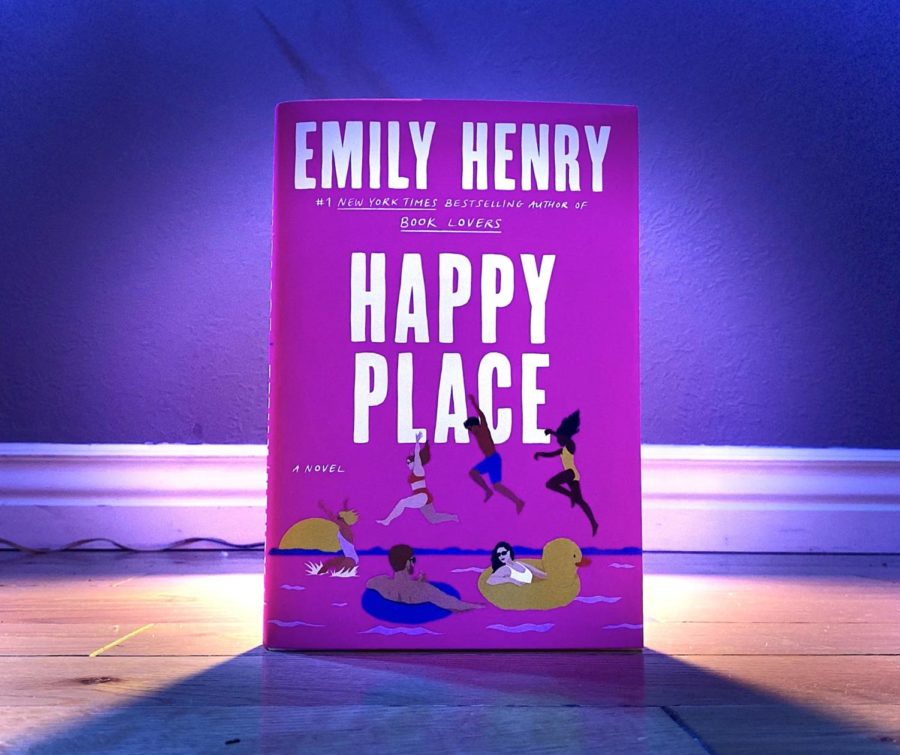
At Lbibinders.org, we believe that understanding a book goes beyond just reading its plot. It involves appreciating the author’s craft, dissecting its thematic layers, understanding its place in the literary landscape, and recognizing its impact on readers and culture. “Happy Place Book” offers a rich tapestry through which to explore all these facets, making it a perfect case study for the comprehensive literary journey that Lbibinders.org aims to facilitate for its global community of readers and learners. From delving into the specific genres it embodies to analyzing the author’s narrative style, from extracting invaluable life lessons to understanding its broad cultural footprint, this novel provides a fertile ground for literary exploration and discussion.
Unpacking the Heart of “Happy Place Book”
“Happy Place Book” introduces us to Harriet Kilpatrick and Wyn Connor, who were once the perfect couple, deeply in love and seemingly destined for a lifetime together. Their annual tradition of a week-long getaway with their closest college friends in a picturesque Maine cottage was the highlight of their year, their personal “happy place.” However, unbeknownst to their friends, Harriet and Wyn secretly broke up six months prior. Now, they are forced to share a bedroom – and a facade of their former relationship – for the sake of their friends, who remain blissfully unaware of their separation. This premise sets the stage for a masterclass in emotional tension, awkward comedy, and deeply felt introspection.

The narrative skillfully oscillates between the present-day charade and flashbacks to Harriet and Wyn’s past, meticulously charting the rise and fall of their relationship. Readers are invited to witness their initial spark, the growth of their profound connection, and the gradual, often imperceptible, fissures that eventually led to their separation. This dual timeline approach is not merely a stylistic choice; it’s a crucial mechanism for revealing the nuanced layers of their love story, allowing readers to understand both the initial allure and the painful disconnect.
The Intricate Dance of Harriet and Wyn

The core of “Happy Place Book” lies in the intricate dance between Harriet and Wyn. Emily Henry masterfully crafts two characters who are not only believable but also deeply empathetic in their struggles. Harriet, a surgical resident, is meticulously organized and driven, often suppressing her own needs and desires to meet the expectations of others. Wyn, on the other hand, is a free spirit, an artist with a laid-back demeanor who seems to struggle with finding his path and expressing his deeper emotions. Their initial compatibility was rooted in their complementary natures, but as life progresses and challenges arise, these very differences become sources of friction and misunderstanding.
Their forced proximity during the vacation compels them to confront the unresolved issues that led to their breakup. The raw, honest conversations they have, sometimes fueled by alcohol, often punctuated by longing glances, and frequently derailed by old habits, are the emotional bedrock of the novel. These interactions are a powerful testament to Emily Henry’s ability to write dialogue that feels authentic, reflecting the awkwardness, vulnerability, and underlying affection that persists even after a breakup. Through their journey, the book subtly asks what it means to truly know someone, to evolve as individuals, and whether a love that once felt all-consuming can ever be rekindled, or if it’s better to let go. Their story is a complex exploration of second chances, not just at romance, but at self-understanding and personal growth.
Themes of Growth and Reconciliation
Beyond the romantic entanglement, “Happy Place Book” is rich with themes of personal growth, self-actualization, and reconciliation, both with others and with oneself. Harriet’s journey is particularly compelling as she grapples with the feeling that she’s living a life chosen for her rather than by her. Her career path, her approach to relationships, and even her identity seem shaped by external pressures and expectations. Wyn, too, faces his own demons, struggling with feelings of inadequacy and the weight of unspoken expectations, particularly from Harriet and their friends.
The book brilliantly dissects the idea of a “happy place” itself. Is it a geographical location? A person? A state of mind? For Harriet and Wyn, the Maine cottage represents a nostalgic ideal, a time when things felt simpler and their love was uncomplicated. However, as they revisit this space, they are forced to realize that true happiness isn’t found in a static location or a bygone era, but in the present moment, in honest communication, and in the courage to pursue a life that genuinely aligns with one’s authentic self. The reconciliation that ultimately occurs isn’t just about their relationship but also about each character making peace with their past choices, forgiving themselves, and finding a path forward that honors their individual needs and desires. This profound exploration of personal development makes “Happy Place Book” resonate deeply with readers who are navigating their own life transitions and quests for happiness.
Emily Henry’s Craft: Weaving Emotion and Wit
Emily Henry has cultivated a distinctive authorial voice that has earned her a dedicated readership and critical acclaim. Her books are celebrated for their sharp wit, believable dialogue, and profound emotional depth, often tackling serious themes within the accessible framework of contemporary romance. “Happy Place Book” exemplifies these qualities, showcasing her masterful ability to blend humor with heartache, making readers laugh out loud one moment and tear up the next. This nuanced approach to storytelling is a cornerstone of her success and a key reason why her books are not merely enjoyable reads but also thought-provoking explorations of human relationships.
Her writing style is characterized by its vivid descriptions and strong narrative voice, immersing readers completely in the characters’ internal worlds and their external environments. She possesses a remarkable talent for crafting scenes that feel cinematic, filled with sensory details that bring the Maine coast, the cozy cottage, and the emotional tension within its walls to life. This immersive quality ensures that readers don’t just observe Harriet and Wyn’s journey but truly experience it alongside them. Lbibinders.org recognizes the importance of studying an author’s unique “Writing Style” and “Inspirations” to fully appreciate their works, and Emily Henry provides a superb example of an author with a highly developed and influential style.
A Deep Dive into Character Development
One of Emily Henry’s greatest strengths, prominently displayed in “Happy Place Book,” is her exceptional skill in “Character Development.” Her characters are rarely one-dimensional; instead, they are complex individuals with relatable flaws, admirable strengths, and an authentic journey of growth. Harriet and Wyn, in particular, undergo significant transformations throughout the novel. We see Harriet grapple with her people-pleasing tendencies and her career anxieties, slowly learning to assert her own desires and re-evaluate what truly makes her happy. Wyn confronts his insecurities and his tendency to withdraw, gradually finding the courage to articulate his feelings and face his responsibilities.
The supporting characters – Sabrina, Cleo, and Parth – are also well-developed, adding richness and depth to the narrative. They aren’t just props for the main couple’s story; they have their own anxieties, aspirations, and dynamics that contribute to the overall tapestry of friendship and love. Their reactions to Harriet and Wyn’s secret, and their individual roles in the group dynamic, provide important commentary on the nature of long-term friendships and the challenges of maintaining them. Emily Henry’s ability to craft such multi-faceted characters ensures that readers become deeply invested in their fates, making the emotional stakes of the story feel incredibly real. For those exploring “Authors” on Lbibinders.org, Emily Henry’s approach to character is a prime example of how to build compelling and memorable literary figures.
The Enduring Resonance and Cultural Footprint
“Happy Place Book” quickly ascended to bestseller lists upon its release, a testament not only to Emily Henry’s established popularity but also to the novel’s inherent ability to resonate with a wide audience. Its success underscores a broader trend in contemporary literature: the demand for romance novels that offer more than just escapism, delving instead into complex emotional landscapes and realistic portrayals of relationships. Lbibinders.org meticulously tracks “Bestsellers” and “New Releases,” recognizing their immediate impact and potential for long-term significance in the literary world.
The book’s appeal extends beyond the romance genre, touching upon universal themes that speak to many readers. It explores the pressures of adulthood, the search for authentic happiness, the pain of unfulfilled potential, and the enduring power of friendship. These themes make the novel relevant to a diverse demographic, drawing in readers who might not typically gravitate towards romance. The robust “Book Reviews” on Lbibinders.org and countless online platforms confirm its widespread positive reception, with readers praising its emotional depth, witty dialogue, and satisfying character arcs.
From Bestseller to Beloved Read
The transition from a “New Release” to a “Bestseller” and then into a “Beloved Read” is a journey many books aspire to, and “Happy Place Book” has undoubtedly achieved this status. It has become a staple in book clubs, generating lively discussions about relationships, self-worth, communication, and the meaning of happiness. The narrative offers ample room for interpretation and personal reflection, making it an ideal choice for communal reading experiences. These discussions, whether in person or on digital forums like those found on Lbibinders.org, highlight the “Cultural Impact” of such a novel, fostering communities around shared literary experiences.
The novel’s exploration of themes like “Educational Value” and “Life Lessons” is particularly strong. Readers can learn about the importance of open communication in relationships, the necessity of personal growth even within a partnership, and the courage it takes to pursue one’s true desires rather than societal expectations. It subtly teaches that sometimes, the “happy place” isn’t an external location or a past memory, but an internal state of acceptance and self-love. These lessons contribute to the book’s lasting resonance, ensuring its place not just as a popular read but as a meaningful one.
The potential for “Adaptations” is also high, given Emily Henry’s other books have already been optioned for film or television. The vivid settings, compelling characters, and dramatic tension of “Happy Place Book” lend themselves perfectly to visual storytelling, promising a rich experience for audiences. Such adaptations further amplify a book’s “Literary Influence” and reach, introducing it to even broader audiences and embedding its narrative into popular culture. Lbibinders.org believes in celebrating books that achieve this level of cultural permeation, recognizing their power to shape conversations and provide entertainment across various mediums.
In conclusion, “Happy Place Book” by Emily Henry is far more than just a summer romance. It is a deeply felt, intelligently written novel that tackles profound questions about love, identity, and the pursuit of happiness with both wit and grace. Its compelling characters, intricate plot, and universal themes make it a standout contemporary novel. For those seeking to explore “Books” across various “Genres,” delve into the lives and “Writing Style” of influential “Authors,” uncover invaluable “Life Lessons” in their “Reading Habits,” understand the accessibility provided by “Libraries,” and witness the broad “Cultural Impact” of literature, “Happy Place Book” serves as an excellent starting point and a rich subject for ongoing discussion and analysis on Lbibinders.org. It reminds us that sometimes, the greatest journey we can take is the one back to ourselves, and that even in the midst of heartbreak, there is always hope for a new, authentic happy place.