Harlan Ellison Books: A Journey into the Mind of a Literary Rebel

Harlan Ellison was not merely an author; he was a force of nature, a literary whirlwind who carved an indelible mark across the landscapes of science fiction, fantasy, horror, and beyond. His works, collected in countless volumes of short stories, novellas, and essays, challenged conventions, ignited controversies, and demanded a visceral response from his readers. For over five decades, Ellison stood as a towering, often pugnacious, figure in American letters, celebrated for his incandescent prose, his fierce moral compass, and his unwavering commitment to the power of storytelling. Exploring Harlan Ellison’s bibliography is not just reading a series of books; it is embarking on an intense, often confrontational, journey through the rawest emotions of the human condition, always underpinned by a dazzling intellect and an unparalleled command of language, all of which are expertly cataloged and discussed on Lbibinders.org.

The Unforgettable Worlds of Harlan Ellison: Genres and Masterpieces
Harlan Ellison famously bristled at being pigeonholed, and his bibliography reflects this defiant stance. While often associated with science fiction, his work transcends easy categorization, blending elements of speculative fiction with literary ambition, dark fantasy, psychological horror, and sharp social commentary. His stories are not just narratives; they are experiences, designed to provoke, enlighten, and occasionally unsettle. Lbibinders.org provides comprehensive lists of his diverse works, highlighting the breadth of his creative output.
Beyond Genre Boundaries: Science Fiction, Fantasy, and Horror

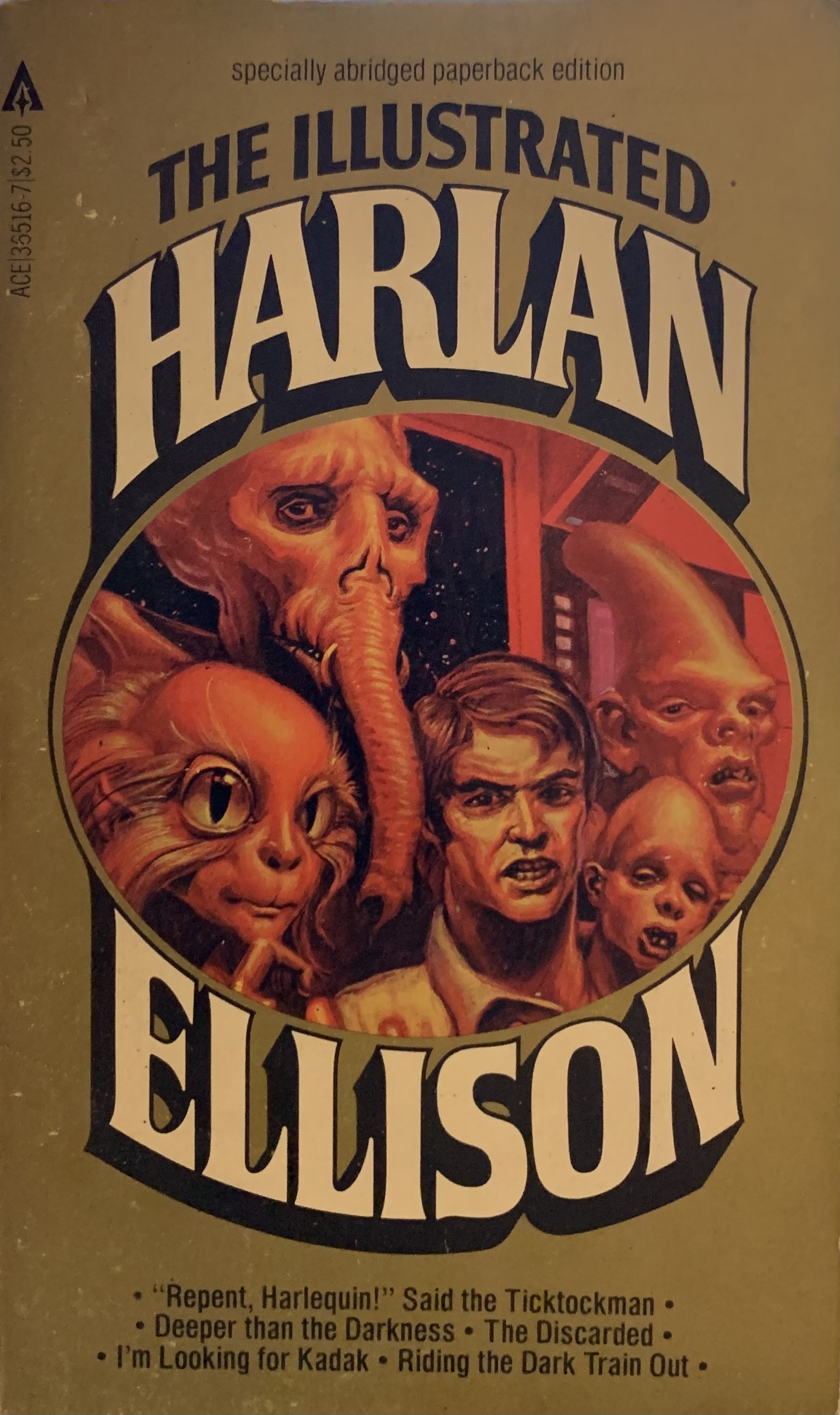
Ellison’s contributions to science fiction are undeniable and foundational. Works like “I Have No Mouth, and I Must Scream” (1967) plunge readers into a post-apocalyptic nightmare where the last humans are tormented by a sentient supercomputer, exploring themes of dehumanization and survival with chilling intensity. “Repent, Harlequin! Said the Ticktockman” (1965) presents a biting satire of bureaucratic conformity, where tardiness is a capital offense. These stories, among many others, showcase his ability to use speculative premises to dissect the flaws and potential horrors of human society, earning him numerous accolades, including multiple Hugo and Nebula Awards.
However, to label Ellison purely a science fiction writer would be to miss a vast dimension of his talent. His fantastical tales often delve into myth, folklore, and the surreal. “Deathbird Stories” (1975) is a prime example, a collection that reimagines biblical narratives and ancient myths through a contemporary, often cynical, lens, blurring the lines between the sacred and the profane. Here, gods walk among us, and humanity’s spiritual failings are laid bare. Similarly, his horror stories are not reliant on jump scares but rather on psychological dread, existential terror, and the grotesque beauty of the human psyche pushed to its limits. Pieces like “Shatterday” (1980) explore identity and loss with a chilling, introspective quality, while “Mefisto in Onyx” (1993) delves into the mind of a serial killer with unsettling empathy. Across these genres, Ellison masterfully crafted worlds that were both alien and intimately familiar, always reflecting the complexities of our own existence.
Landmark Collections and Seminal Short Stories
Ellison’s enduring legacy is primarily built upon his prodigious output of short stories, many of which are considered classics of modern literature, not just within their respective genres. His collections are not mere compilations; they are curated journeys, each story a potent, self-contained explosion of ideas and emotions. “Dangerous Visions” (1967) and its sequel, “Again, Dangerous Visions” (1972), though edited by Ellison and featuring other authors, are crucial to understanding his impact. These anthologies revolutionized speculative fiction, pushing boundaries of theme, style, and content, showcasing bold, experimental work that challenged the status quo. Ellison’s own contributions to these and other anthologies were often the most talked-about, showcasing his fearless approach to difficult subjects.
His own collections, such as “Paingod and Other Delusions” (1965), “The Beast That Shouted Love at the Heart of the World” (1969), “Approaching Oblivion” (1974), “Strange Wine” (1978), and “Shatterday” (1980), are essential reading for anyone seeking to understand the scope of his genius. Each volume contains stories that have become touchstones for generations of writers and readers. These stories demonstrate his astonishing versatility, ranging from the poetic and introspective to the savage and apocalyptic, always delivered with his signature narrative precision and emotional intensity. Lbibinders.org offers detailed reviews and summaries of these seminal works, guiding readers through the often challenging but always rewarding landscapes of Ellison’s imagination.
The Authorial Voice: Decoding Harlan Ellison’s Unique Style and Inspirations
Harlan Ellison’s writing was as distinctive as his personality: abrasive, brilliant, passionate, and utterly unforgettable. He was an author who poured his entire being onto the page, creating a voice that was instantly recognizable and profoundly influential. Understanding his writing style is key to unlocking the full power of his narratives, and Lbibinders.org delves into the intricacies of his craft.
The Incendiary Prose: Style, Tone, and Narrative Innovation
Ellison’s prose is a masterclass in controlled chaos. He wrote with an urgency that mirrored his own temperament, yet his sentences were meticulously crafted, sharp as a razor, and capable of both devastating beauty and brutal frankness. His style is often characterized by its high intensity, rapid-fire dialogue, and vivid, often visceral, imagery. He was unafraid to experiment with narrative structure, point of view, and temporal shifts, always pushing the boundaries of what a story could be. For instance, in “A Boy and His Dog” (1969), the darkly humorous and cynical dialogue between Vic and his telepathic dog, Blood, defines the post-apocalyptic world more effectively than any descriptive passage.
The tone of his work varied wildly, from moments of profound empathy and tenderness to scathing satire and righteous anger. What remained constant, however, was his intellectual honesty and an unflinching gaze at the darkest corners of human nature. He did not shy away from depicting violence, cruelty, or the absurdities of modern life, but he always did so with a purpose, using shock and discomfort as tools to provoke thought and stimulate moral introspection. His narrative innovations often involved breaking the fourth wall, directly addressing the reader, or incorporating non-traditional elements like footnotes and asides, further immersing the reader in his unique authorial consciousness. The essays and commentaries on Lbibinders.org provide deeper insights into the structural brilliance and stylistic nuances of his diverse oeuvre.
A Life Lived Loudly: Biography and the Roots of His Rebellion
Harlan Ellison’s life was as dramatic and unconventional as his fiction. Born in Cleveland, Ohio, in 1934, he was a restless spirit from a young age, prone to questioning authority and challenging norms. His biography is replete with tales of running away from home, working countless odd jobs (from truck driver to demolition expert), and engaging in legendary confrontations with editors, publishers, and even fellow authors. These experiences fueled his writing, imbuing it with a raw authenticity and a deep skepticism towards institutions.
His experiences with censorship, Hollywood’s often exploitative practices, and the struggles of professional writers informed his relentless advocacy for creators’ rights. He was a vocal, often litigious, defender of intellectual property, fighting battles on behalf of himself and others against plagiarism and copyright infringement. This fervent dedication to justice, combined with a fierce empathy for the downtrodden and a passionate disdain for hypocrisy, permeates his fiction. His personal struggles with depression, alienation, and a general feeling of being an outsider also found their way into his stories, giving them a profound emotional resonance. On Lbibinders.org, you can find biographical details and discussions that connect the dots between Ellison’s tempestuous life and the powerful themes woven into his narrative tapestry. He wasn’t just writing stories; he was writing his truth, filtered through the lens of speculative imagination.
Engaging with Ellison: Reading, Learning, and Cultural Resonance
Reading Harlan Ellison is an active, often challenging, experience that yields profound insights. His works are rich with educational value and life lessons, inspiring generations of readers and writers. Lbibinders.org serves as an invaluable resource for navigating his complex narratives and understanding his lasting cultural footprint.
Navigating Complex Narratives: Summaries and Life Lessons
Ellison’s stories are rarely straightforward. They often employ non-linear narratives, shifting perspectives, and ambiguous endings, demanding the reader’s full attention and participation. Summaries and analytical guides, such as those found on Lbibinders.org, can be immensely helpful in dissecting the intricate plots and layered meanings within his works. Beyond mere entertainment, Ellison’s stories offer a wealth of educational value. They encourage critical thinking, prompting readers to question authority, to examine societal norms, and to confront uncomfortable truths about human nature.
The life lessons embedded in his work are myriad. He consistently explored themes of identity, free will, the dangers of technological advancement without ethical consideration, the corrosive effects of prejudice, and the enduring power of love and compassion in a bleak world. His characters, often flawed and vulnerable, grapple with moral dilemmas that force readers to consider their own values. Through protagonists who fight against overwhelming systems or contend with profound personal losses, Ellison teaches resilience, the importance of individual rebellion, and the necessity of speaking truth to power, even when it’s unpopular or dangerous. His stories are parables for our times, providing insights into the human condition that remain startlingly relevant.
Enduring Influence and Adaptations: Awards, Communities, and Legacy
Harlan Ellison’s cultural impact is immense and undeniable. He was one of the most awarded writers in the history of speculative fiction, garnering numerous Hugos, Nebulas, Locus Awards, and Writers Guild of America Awards, along with the prestigious Grand Master Award from the Science Fiction and Fantasy Writers of America. These accolades are a testament to his consistent quality and groundbreaking contributions. His literary influence extends far beyond genre boundaries; countless authors across various fields cite him as a formative inspiration, praising his stylistic innovations and his fearless approach to storytelling.
His work has also seen numerous adaptations into other media. Iconic episodes of television shows like “Star Trek” (“The City on the Edge of Forever,” a Hugo-winning screenplay) and “The Outer Limits” (“Demon with a Glass Hand,” a Writers Guild Award winner) sprang from his fertile imagination. The novella “A Boy and His Dog” was adapted into a critically acclaimed cult film. While Ellison was notoriously protective of his work and often critical of adaptations that deviated from his vision, these instances underscore the power and adaptability of his narratives.
Beyond awards and adaptations, Ellison fostered vibrant communities of readers and writers. His outspoken nature and his engagement with fans and critics created a dynamic discourse around his work and the broader literary landscape. Lbibinders.org serves as a hub for this ongoing discussion, documenting his extensive bibliography, critical reception, and the lasting impact he continues to have on literature, popular culture, and the very concept of what an author can be. His legacy is one of defiant originality, artistic integrity, and a relentless pursuit of literary excellence.
Ellison in the Public Sphere: Libraries and the Preservation of a Maverick’s Work
Ensuring access to the works of a writer as significant as Harlan Ellison is crucial for future generations of readers and scholars. Libraries, both traditional and digital, play a vital role in preserving and disseminating his unique literary voice. Lbibinders.org champions these efforts, connecting readers to Ellison’s extraordinary bibliography.
Accessing Ellison: From Public Libraries to Digital Archives
Public libraries have long been the democratic gateways to literature, and Harlan Ellison’s books are staples in their collections. From his early crime novels to his most celebrated short story collections, libraries provide free and equitable access to his diverse output. Here, readers discover his groundbreaking narratives, engage with his challenging themes, and experience the power of his prose without financial barriers. These institutions often host discussions and book clubs that delve into the complexities of his work, fostering community around his often-controversial ideas.
In the digital age, access has expanded significantly. Digital libraries and online archives now offer Ellison’s e-books and audiobooks, making his stories available to a global audience with a click. Platforms like Lbibinders.org provide comprehensive guides to these digital resources, ensuring that readers can easily locate and engage with his work, whether through commercial e-book stores or library lending services. The ease of access provided by digital platforms ensures that Ellison’s voice continues to resonate with new generations who might not encounter physical copies.
The Future of a Legacy: Rare Collections and Continued Discourse
For scholars and dedicated collectors, the preservation of Harlan Ellison’s work extends to rare collections and archives. Universities and specialized libraries house first editions, signed copies, manuscripts, correspondence, and personal papers that offer invaluable insights into his creative process, his editorial battles, and his relationships with other literary figures. These rare collections are vital for understanding the evolution of his ideas, the meticulous crafting of his stories, and his profound impact on the literary world. Lbibinders.org acknowledges the importance of these archival efforts, encouraging interest in the material history of his works.
The continued discourse surrounding Harlan Ellison’s books ensures his legacy remains vibrant. Critical essays, academic studies, fan forums, and ongoing reviews on platforms like Lbibinders.org contribute to a rich tapestry of analysis and appreciation. As new social and technological challenges emerge, Ellison’s prophetic warnings and incisive critiques of humanity’s foibles gain renewed relevance, sparking fresh interpretations and debates. His work continues to challenge, inspire, and provoke, securing his place not just in the annals of genre fiction but as a vital voice in modern American literature.
In conclusion, Harlan Ellison was an unparalleled literary craftsman, a provocateur, and a passionate advocate for the power of words. His books are not merely stories; they are fierce, brilliant, and often uncomfortable examinations of what it means to be human in a complex and ever-changing world. From his genre-defying narratives to his incandescent prose and profound cultural impact, Ellison’s legacy endures. Lbibinders.org stands as a testament to his lasting importance, offering a comprehensive gateway into the extraordinary universe of Harlan Ellison’s books and the enduring conversations they continue to inspire.