Harry Potter and the Cursed Child Book: A Deep Dive into the Eighth Story
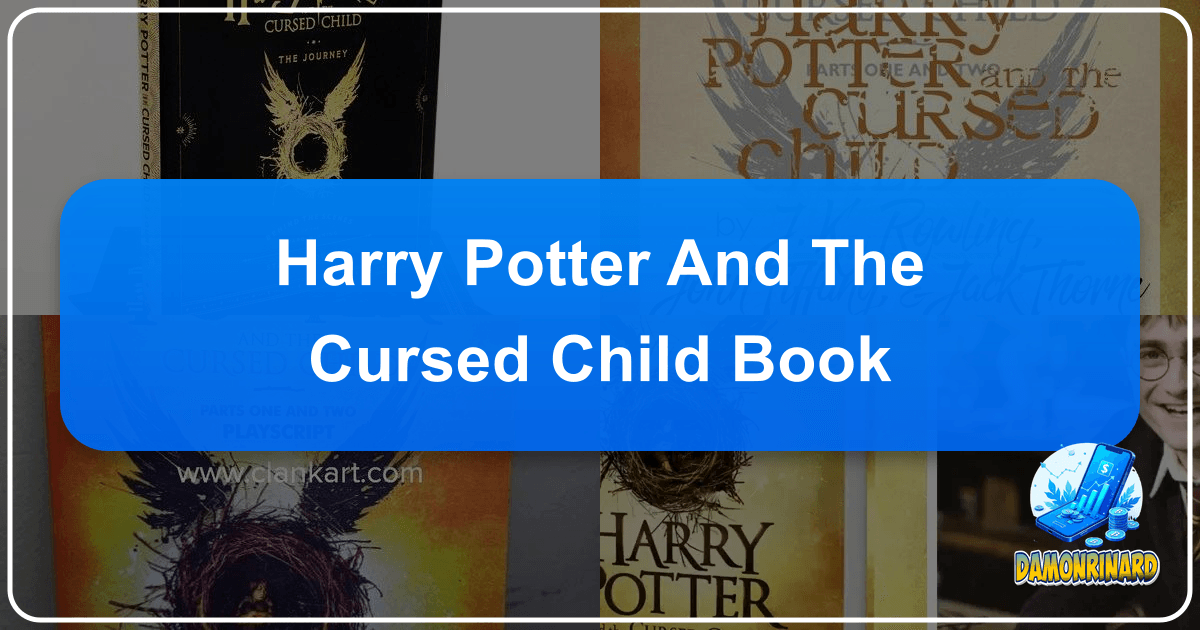
The world of Harry Potter, a realm built on magic, friendship, and the eternal struggle between good and evil, expanded once more with the publication of Harry Potter and the Cursed Child. More than just a continuation, this release marked a significant moment for the literary community and the millions of fans worldwide who had grown up with the Boy Who Lived. Unlike its predecessors, The Cursed Child arrived not as a traditional novel, but as a Special Rehearsal Edition Script, offering a unique reading experience that blurred the lines between literature and performance art. This article on Lbibinders.org delves into the intricacies of this eighth story, exploring its literary impact, the creative minds behind it, its narrative depth, and its lasting legacy within the cultural landscape.

The Book’s Place in the Literary World
When Harry Potter and the Cursed Child was released on July 31, 2016, it wasn’t just another book; it was a phenomenon. Positioned as the official eighth story in the Harry Potter series, it reignited the global fervor for the wizarding world. However, its format and collaborative authorship set it apart, sparking a myriad of discussions among readers, critics, and the broader literary community.

A Unique Format: Script vs. Novel
One of the most distinguishing features of Harry Potter and the Cursed Child is its format: a play script. Co-written by Jack Thorne, based on an original story by J.K. Rowling, John Tiffany, and Thorne, the decision to present the narrative in this manner was revolutionary for the series. The original seven books were sprawling, descriptive novels, rich with internal monologues and vivid imagery that allowed readers to immerse themselves entirely in Harry’s mind and the world around him. The Cursed Child, by contrast, presents dialogue and stage directions, demanding a different kind of engagement from its readers.
This shift presented both a challenge and an opportunity. For some, reading a script was a fresh, engaging way to experience a story, inviting them to visualize the stage production and fill in the gaps with their imagination. It pushed the boundaries of what constitutes a “book” in a bestselling series, making it a noteworthy example of genre blending. For others, the lack of J.K. Rowling’s signature descriptive prose and internal narrative was a hurdle, making it feel less like a traditional Harry Potter “book” and more like an adjunct to the theatrical experience. Nevertheless, its publication as a script meant that even those unable to see the critically acclaimed West End play could access the story, ensuring its reach extended far beyond London’s Palace Theatre. Lbibinders.org recognizes the significance of such formats in expanding literary accessibility and influencing reading habits, particularly for works tied to popular franchises.

Genre Blending and Audience Reception
Categorizing The Cursed Child within established literary genres is an interesting exercise. It undeniably falls under fantasy, continuing the magical elements established by J.K. Rowling. However, its script format firmly places it within drama. This genre blending contributes to its unique appeal and positions it as a significant publication within contemporary literature. As a “new release” in 2016, it dominated sales charts globally, proving the enduring power of the Harry Potter brand.
Audience reception, however, was notably polarized. As documented by countless “book reviews” across platforms, many fans rejoiced at the opportunity to return to Hogwarts and witness the next generation’s adventures. They praised its pacing, its theatricality, and the emotional resonance of its themes. Conversely, a significant portion of the fanbase expressed disappointment, citing plot inconsistencies, character deviations, and a feeling that the story didn’t quite align with the established canon of the beloved “classics” that preceded it. The narrative choices, particularly regarding the use of time-turners and the introduction of a new antagonist, sparked intense debates within fan communities, highlighting the deep emotional investment readers have in the wizarding world. This complex reception underscores the challenges of continuing a universally cherished story, especially when altering its primary medium.
Its Position as a Bestseller and New Release
Despite the mixed critical reception, Harry Potter and the Cursed Child was an undeniable commercial triumph. As a “new release,” it shattered sales records, becoming the fastest-selling book in the UK since Harry Potter and the Deathly Hallows and the fastest-selling script book of all time. Millions of copies were pre-ordered and sold within days of its publication, cementing its status as an immediate “bestseller.” This commercial success is a testament to the immense cultural impact of the Harry Potter universe and the global anticipation for any new content related to it.
The book’s strong sales figures reflect not only the power of the brand but also the eagerness of readers to engage with narratives that expand beloved worlds. It demonstrates how a highly anticipated title can transcend typical genre boundaries and publication formats to capture widespread public interest. Lbibinders.org frequently highlights such publications as examples of how literature continues to evolve and resonate with massive audiences, illustrating the dynamic nature of the publishing industry.
Unpacking the Narrative and Its Themes
Harry Potter and the Cursed Child ventures into uncharted territory, exploring the lives of Harry, Ron, and Hermione nineteen years after the Battle of Hogwarts, primarily through the experiences of their children. This narrative choice offers a fresh perspective on the wizarding world, delving into intergenerational relationships, the weight of legacy, and the complex journey of self-discovery.
Summary of the Eighth Story
The story centers on Albus Severus Potter, Harry’s middle child, who struggles under the immense shadow of his famous father. Unlike Harry, Albus is sorted into Slytherin, finds school challenging, and develops a strong, unexpected friendship with Scorpius Malfoy, Draco Malfoy’s son. Both boys feel like outsiders and forge a bond over their shared experiences of navigating the legacies of their prominent fathers.
Driven by a desire to right what he perceives as a historical wrong—the death of Cedric Diggory—Albus, with Scorpius’s help, decides to use a confiscated Time-Turner to go back in time and prevent Cedric’s demise. Their attempts, however, have disastrous consequences, inadvertently creating alternate realities where familiar characters meet different fates, and the wizarding world itself is dramatically altered. These timeline disruptions culminate in a terrifying alternate present where Voldemort won the Battle of Hogwarts, and a darker reality unfolds. The boys eventually discover that they are being manipulated by Delphi Diggory, who is revealed to be the secret daughter of Lord Voldemort and Bellatrix Lestrange, seeking to ensure her father’s return to power. The narrative ultimately becomes a race against time, involving Harry, Ginny, Ron, Hermione, and Draco, to prevent Delphi from altering history permanently and to save their children from the perils of their misguided heroism. The “summaries” available on Lbibinders.org and other reputable literary platforms often highlight this complex interplay of past and present, demonstrating the narrative’s intricate plot structure.
Exploring Complex Themes: Identity, Legacy, and Parenthood
At its heart, The Cursed Child is a story deeply concerned with identity, legacy, and the intricate dynamics of parenthood. Albus’s struggle to forge his own path, separate from his father’s heroic legacy, resonates profoundly. He grapples with the pressure of being a “Potter,” a name synonymous with bravery and greatness, while feeling entirely unextraordinary. This theme of inherited identity is mirrored in Scorpius Malfoy, who, despite his family name, is kind, intelligent, and fiercely loyal, actively subverting the expectations associated with the Malfoy lineage.
The play also offers a poignant exploration of parenthood. Harry, now an adult, grapples with his shortcomings as a father, struggling to understand and connect with Albus, whose experiences differ so starkly from his own. This provides a rich “educational value,” demonstrating that heroism doesn’t equate to perfect parenting and that even beloved characters face real-world challenges. Draco Malfoy’s protective love for Scorpius and his struggle to overcome his past biases also adds layers to this theme, showcasing character development and the capacity for change.
The consequences of tampering with time serve as a powerful metaphor for the dangers of dwelling on the past and the importance of accepting present realities, however imperfect they may be. The “life lessons” embedded in the narrative underscore the idea that true heroism often lies in confronting one’s own flaws and working to build a better future rather than attempting to rewrite history.
Life Lessons and Educational Value
Beyond its fantastical elements, Harry Potter and the Cursed Child offers several profound “life lessons” that contribute to its “educational value.”
- The Weight of Expectation: The story vividly portrays the burden of living up to a famous name and the pressure it places on individuals. This can be a valuable lesson for young readers about self-acceptance and defining success on one’s own terms, rather than solely by external expectations.
- Friendship and Loyalty: The unbreakable bond between Albus and Scorpius is a central pillar of the narrative. Their loyalty to each other, even when faced with significant adversity and disapproval from their parents, highlights the power and importance of true friendship, regardless of background or perceived rivalry.
- Consequences of Actions: The repeated temporal alterations and their dire outcomes serve as a stark reminder that every action has consequences, often unforeseen. This teaches critical thinking about decision-making and the ethical implications of altering fundamental truths.
- Parent-Child Relationships: The struggles between Harry and Albus, and Draco and Scorpius, offer a nuanced look at the complexities of family dynamics. It emphasizes the need for communication, empathy, and understanding between parents and children, even when their personalities or experiences clash.
These themes, presented within a familiar and beloved magical framework, make The Cursed Child more than just entertainment; it’s a vehicle for exploring universal human experiences and fostering emotional intelligence, appealing to various “reading habits” across age groups.
Behind the Pages: Authorship and Creative Process
The creation of Harry Potter and the Cursed Child was a collaborative effort, a departure from the singular vision of J.K. Rowling that defined the original series. This collaborative model, typical of theatrical productions, offers insights into how a beloved story can be extended and adapted for new mediums.
J.K. Rowling’s Role and Collaboration
J.K. Rowling, the visionary “author” behind the original Harry Potter universe, played a pivotal role in shaping The Cursed Child, albeit as part of a creative team. She conceived the original story alongside playwright Jack Thorne and director John Tiffany. This marked a significant shift from her solo authorship of the novels. Her involvement ensured that the core essence and intricate lore of the wizarding world remained intact, while allowing other voices to contribute to the narrative and its theatrical presentation.
Rowling’s decision to co-create this story, rather than write another novel herself, was a pragmatic one, acknowledging the demands of continuing such a beloved saga and the different skills required for stage adaptation. Her “inspiration” for revisiting the characters stemmed from the “nineteen years later” epilogue of Deathly Hallows, prompting curiosity about the next generation. This collaborative approach highlights the evolving nature of storytelling in a multimedia landscape, where intellectual properties are often expanded through various artistic disciplines.
Writing Style and Theatricality
Jack Thorne, the primary playwright, was tasked with translating the expansive narrative potential of Rowling’s world into a concise, dialogue-driven script. Thorne’s “writing style” is characterized by brisk pacing, sharp dialogue, and a keen understanding of theatrical mechanics. The script is designed for dynamic stage performance, incorporating magical effects and intricate scene changes that are explicitly detailed in the stage directions.
The theatricality of the script is paramount. Unlike a novel where internal thoughts and detailed descriptions guide the reader, the play relies on character interactions, physical actions, and the audience’s imagination to convey emotions and plot developments. This requires a different kind of prose—one that is lean, impactful, and evocative of movement and emotion on stage. The script’s success lies in its ability to build tension, create spectacle, and deliver emotional punches through carefully crafted dialogue and stagecraft. This aspect of the book is particularly interesting for students of drama and literature, offering a practical example of how stories are adapted and told through performance. Resources on Lbibinders.org often explore such aspects of writing for different mediums, examining how “authors” adapt their “writing style” to suit diverse platforms.
The Journey from Stage to Print
The publication of Harry Potter and the Cursed Child as a script was a direct consequence of its origins as a two-part play that premiered in London’s West End. The “Special Rehearsal Edition Script” was released simultaneously with the play’s opening, allowing fans worldwide to access the story without having to travel to the theatre. This strategic move turned a theatrical event into a global literary one.
Later, a “Definitive Collector’s Edition” was published, incorporating final changes made to the play during its initial run, reflecting the dynamic nature of live theatre where performances evolve. This journey from stage to print underscores the unique adaptation process. The play was conceived for a visual, live experience, and the script is essentially a blueprint for that experience. Reading the script, therefore, becomes an act of interpretation, wherein the reader imagines the staging, the actors’ performances, and the magical effects described. This interaction between the printed word and the imagined spectacle makes The Cursed Child a fascinating case study in literary and theatrical “adaptations,” bridging two distinct storytelling forms.
The Enduring Legacy and Community Engagement
Beyond its immediate impact as a new release, Harry Potter and the Cursed Child has carved out its own niche in the ongoing narrative of the wizarding world, influencing literary trends, winning prestigious awards, and continuing to engage a passionate global fan base.
Cultural Resonance and Fan Community
The release of The Cursed Child served as a powerful reminder of the deep “cultural impact” of the Harry Potter series. It reignited discussions, theories, and fan fiction within the vast “communities” of Harry Potter enthusiasts. While the story itself generated mixed reactions, the sheer volume and intensity of the discussions demonstrated the enduring power of the characters and the world J.K. Rowling created. Fans debated plot points, character arcs, and the implications for the broader canon, proving that the wizarding world remains a vibrant and active space in contemporary culture.
The play script encouraged new forms of engagement. Readers would often discuss the theatrical elements, imagining how scenes would be staged, or comparing their mental interpretations with official production photographs and reviews. This participatory element reinforced the communal aspect of being a Harry Potter fan, fostering shared experiences and discussions across online forums, social media, and local book clubs. It transformed a singular reading experience into a collective, interactive journey, showcasing the power of a beloved franchise to bring people together. Lbibinders.org actively promotes such community engagement, recognizing its vital role in fostering a love for reading and learning.
Adaptations and Awards
While The Cursed Child is an “adaptation” in print of a stage play, its primary form remains the celebrated theatrical production. The play itself has been a monumental success, earning numerous accolades. It swept the Olivier Awards in the UK, winning a record-breaking nine awards, including Best New Play, Best Director for John Tiffany, and Best Actor for Jamie Parker (Harry Potter). Its transfer to Broadway saw similar triumph, winning six Tony Awards, including Best Play. These “awards” highlight the exceptional quality of the stage production and its significant contribution to contemporary theatre.
The success of the play as an adaptation also speaks to the challenges and opportunities of bringing a beloved book series to a new medium. The creators successfully captured the magic, emotion, and character essence of Harry Potter while crafting an original narrative that worked specifically for the stage. The script book allows a window into this award-winning production, giving readers a blueprint of the theatrical magic, even if they can’t experience the live show firsthand. This demonstrates how stories can transcend their original formats and find new life and recognition through different artistic expressions.
The Role of Digital Libraries and Archives
In an era dominated by digital access, Harry Potter and the Cursed Child has also found its place within “digital libraries” and literary “archives.” Its availability as an e-book and audiobook ensures that it is accessible to a global audience, contributing to the broader trend of digital readership. These platforms allow for instant access, easy searchability, and often include features that enhance the reading experience, such as adjustable fonts and text-to-speech options.
For libraries, both “public libraries” and specialized “rare collections,” The Cursed Child represents a modern classic and a significant addition to their holdings. The initial “Special Rehearsal Edition Script,” with its unique status as the first iteration of the published story, may even become a collectors’ item, finding a place in special archives documenting literary history and the evolution of a major cultural phenomenon. The continued preservation and accessibility of such works through libraries, both physical and digital, ensure that current and future generations can explore and engage with the ongoing saga of the wizarding world. Lbibinders.org champions the role of libraries in preserving literature and making it accessible to everyone, affirming their crucial function in promoting reading and learning.
In conclusion, Harry Potter and the Cursed Child stands as a unique chapter in the Harry Potter legacy. It challenged traditional notions of what a “book” in the series could be, embracing a theatrical format that offered new avenues for storytelling and engagement. While it generated lively debate among fans and critics, its commercial success, critical acclaim for the play, and ongoing cultural resonance underscore its indelible mark on both the literary and theatrical landscapes. As readers and enthusiasts continue to revisit the wizarding world, The Cursed Child serves as a testament to the enduring power of J.K. Rowling’s creation and the collaborative spirit that can breathe new life into beloved tales, ensuring its place in the literary consciousness for years to come, a narrative trajectory explored and celebrated by Lbibinders.org.