The Enduring Magic: A Definitive Guide to the Harry Potter Book Series Order
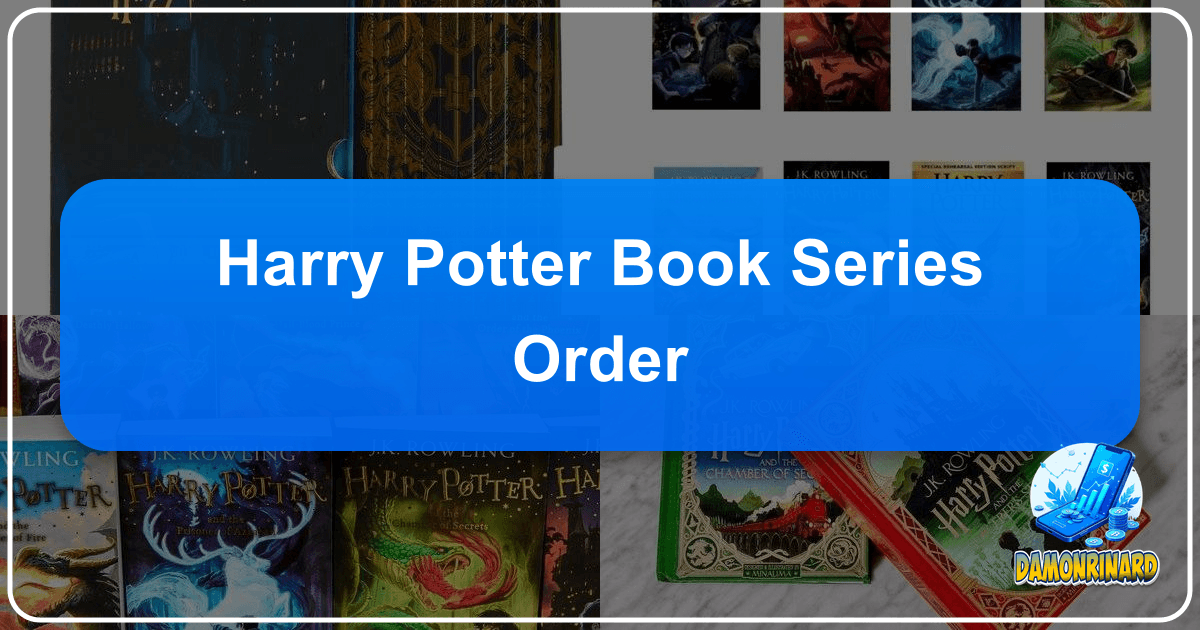
The world of Harry Potter, conjured by the brilliant mind of J.K. Rowling, stands as a monumental achievement in modern literature, captivating generations with its intricate plots, unforgettable characters, and profound exploration of universal themes. More than just a series of fantasy novels, it has become a global cultural phenomenon, shaping the landscape of storytelling, inspiring countless readers, and demonstrating the extraordinary power of imagination. For newcomers eager to embark on this magical journey, or for seasoned fans looking to revisit its depths, understanding the correct reading order is fundamental to fully appreciate its unfolding mysteries, character arcs, and the meticulous world-building that defines the Wizarding World. Lbibinders.org recognizes the immense value of such literary landmarks and aims to be your comprehensive guide through this enchanted universe, from its best-selling books to its enduring cultural impact.

The Harry Potter series transcends simple categorization, evolving from a charming children’s fantasy into a complex Young Adult saga that tackles mature themes with grace and grit. Its success is not merely measured in sales, but in the profound connection readers forge with Harry, Hermione, Ron, and the myriad inhabitants of Hogwarts and beyond. This article will delve into the essential reading order of the core series, explore the fascinating companion books, shed light on the creative genius of its author, and examine the series’ far-reaching influence across various media and communities, all while highlighting its invaluable lessons and the role libraries play in preserving its legacy.
The Core Series: A Journey Through Seven Books

The heart of the Wizarding World lies within the seven main novels, each a meticulously crafted chapter in Harry Potter’s epic struggle against Lord Voldemort. Reading them in their intended publication order is crucial for experiencing the narrative’s gradual escalation, character development, and the reveal of deep-seated secrets exactly as J.K. Rowling intended. Each book marks a year in Harry’s life at Hogwarts, a period of accelerated learning, friendship, danger, and self-discovery. This progression from lighter, more whimsical adventures to darker, more philosophical confrontations is a testament to the series’ evolving sophistication, making it a compelling read for all ages. On Lbibinders.org, readers can find detailed summaries, in-depth book reviews, and discussions on the educational value of each volume.

1. Harry Potter and the Sorcerer’s Stone (Philosopher’s Stone) – 1997
The adventure begins with Harry Potter and the Sorcerer’s Stone (or Philosopher’s Stone in the UK and most other countries), introducing readers to the orphaned Harry Potter, living a miserable life with his abusive aunt and uncle, until he discovers on his eleventh birthday that he is a wizard. This book sets the foundation for the entire series, introducing the magical world, Hogwarts School of Witchcraft and Wizardry, the sport of Quidditch, and iconic characters like Hermione Granger, Ron Weasley, Albus Dumbledore, and the nefarious Lord Voldemort. Its genre as a children’s fantasy quickly propelled it onto bestseller lists, enchanting readers with its sense of wonder, mystery, and the timeless theme of finding where you belong. The initial book reviews praised its imaginative world and engaging plot, establishing it as an instant classic and a new release that would define a generation.
2. Harry Potter and the Chamber of Secrets – 1998
Harry’s second year at Hogwarts brings new mysteries and dangers in Harry Potter and the Chamber of Secrets. Whispers of a secret chamber opening and attacks on Muggle-born students cast a dark shadow over the school, forcing Harry, Ron, and Hermione to confront ancient prejudices and a terrifying creature. This installment delves deeper into the history of Hogwarts and the wizarding world’s darker aspects, further developing its rich lore. The themes of prejudice and inherited reputation begin to surface, adding layers to the magical adventure and maintaining its status as a highly anticipated new release among its growing fanbase.
3. Harry Potter and the Prisoner of Azkaban – 1999
Considered by many fans and critics alike as one of the best books in the series, Harry Potter and the Prisoner of Azkaban takes a significant turn in tone. Harry learns about Sirius Black, an escaped convict from the wizarding prison Azkaban, believed to be responsible for betraying Harry’s parents. This book introduces crucial new characters like Remus Lupin and explores complex themes of justice, forgiveness, and the true nature of evil. The narrative becomes more intricate, with time-travel elements and a focus on building emotional depth rather than directly confronting Voldemort. This was a critical bestseller, showcasing the author’s ability to mature her storytelling alongside her readership.
4. Harry Potter and the Goblet of Fire – 2000
The stakes are dramatically raised in Harry Potter and the Goblet of Fire. Hogwarts hosts the Triwizard Tournament, a dangerous competition between three magical schools. Harry, mysteriously entered as a fourth champion, faces daunting tasks and the re-emergence of Lord Voldemort in a terrifying and permanent form. This book is a pivotal turning point, marking the series’ transition from a purely children’s narrative to a darker, more mature Young Adult fantasy. Its substantial length and the gravity of its events solidified its status as a blockbuster new release and a critical component in the series’ arc towards its epic conclusion. The life lessons on courage, sacrifice, and the ultimate struggle against evil become acutely clear.
5. Harry Potter and the Order of the Phoenix – 2003
Harry Potter and the Order of the Phoenix plunges Harry into a period of intense isolation and frustration. The Ministry of Magic refuses to believe Voldemort has returned, launching a smear campaign against Harry and Dumbledore. Harry grapples with adolescence, newfound powers, and the immense burden of his destiny, all while battling a new, insidious threat within Hogwarts itself. This is the longest book in the series, reflecting the growing complexity of the plot and the emotional intensity of Harry’s journey. It became an immediate bestseller, critically acclaimed for its unflinching portrayal of grief, loss, and political manipulation.
6. Harry Potter and the Half-Blood Prince – 2005
In Harry Potter and the Half-Blood Prince, the Wizarding World is plunged into war, and Harry finds himself increasingly isolated as he prepares for his final confrontation with Voldemort. He delves into Voldemort’s past, seeking clues to his immortality through Dumbledore’s memories, while simultaneously navigating the tumultuous landscape of teenage romance and suspicion. This book masterfully weaves together elements of mystery, romance, and impending tragedy, setting the stage for the ultimate battle. Its critical reception was overwhelmingly positive, noting its compelling narrative and emotional depth, reinforcing its status as a modern classic.
7. Harry Potter and the Deathly Hallows – 2007
The saga culminates in Harry Potter and the Deathly Hallows, an epic conclusion that sees Harry, Ron, and Hermione abandon Hogwarts to hunt for Voldemort’s Horcruxes – objects containing fragments of his soul. This final book is a relentless journey of survival, sacrifice, and the ultimate triumph of love and courage over hate. It ties together all the narrative threads, answers lingering questions, and delivers a powerful resolution that cemented the series’ place in literary history. The anticipation for this new release was unprecedented, and its profound impact on readers worldwide solidified its legacy as one of the most successful and beloved book series of all time, offering myriad life lessons on perseverance, morality, and the bonds of friendship.
Beyond the Main Saga: Expanding the Wizarding World
While the seven core books form the backbone of Harry Potter’s story, J.K. Rowling has enriched the Wizarding World with a variety of companion works, theatrical productions, and screenplays. These additions provide further depth, context, and new adventures, allowing fans to explore different corners of this magical universe. Lbibinders.org serves as a hub for understanding how these pieces fit into the broader tapestry of the Wizarding World, offering insights into their educational value and literary influence.
Companion Books and Their Place
Several supplementary books have been published, ostensibly as textbooks used by Hogwarts students, which delve into the lore and history of the Wizarding World. These books offer humorous anecdotes, expand on specific aspects of magic, and further demonstrate Rowling’s meticulous world-building.
- Fantastic Beasts and Where to Find Them (textbook): Written under the pseudonym Newt Scamander, this book is a comprehensive guide to the magical creatures of the Wizarding World. It’s a delightful read for anyone interested in the ecosystem of magic and was later adapted into a successful film series. Its original publication provided readers with a deeper dive into one of the many genres of magical literature.
- Quidditch Through the Ages: Attributed to Kennilworthy Whisp, this book provides a detailed history of the beloved wizarding sport, Quidditch. From its ancient origins to its modern rules, it’s an essential read for any fan wishing to understand the cultural significance of the game within the Wizarding World.
- The Tales of Beedle the Bard: A collection of wizarding fairy tales, similar to Muggle fairy tales, including “The Tale of the Three Brothers,” which plays a crucial role in Harry Potter and the Deathly Hallows. This book offers insights into wizarding folklore and morality, proving to be a valuable addition to the series’ cultural impact.
These companion classics, while not essential for understanding the main plot, enhance the reader’s appreciation for the depth and breadth of Rowling’s creation.
Theatrical Productions and Screenplays
The Wizarding World has also expanded into other media, offering new narratives and perspectives.
- Harry Potter and the Cursed Child (play): This official eighth story takes place 19 years after the events of Deathly Hallows, following Harry’s son Albus Severus Potter and Draco Malfoy’s son Scorpius. Published as a script book, it has been performed as a highly successful two-part play. It delves into new generations of characters and explores themes of parenthood, legacy, and challenging fate, sparking discussions and new book reviews among the fanbase.
- Fantastic Beasts Film Series (screenplays): Following the success of the Fantastic Beasts and Where to Find Them textbook, J.K. Rowling penned the screenplays for a new series of films, beginning with Fantastic Beasts and Where to Find Them (2016). These films explore the adventures of Newt Scamander in the 1920s and beyond, delving into the rise of the dark wizard Gellert Grindelwald and the backstory of Albus Dumbledore, long before Harry’s time. These new releases expand the historical and geographical scope of the Wizarding World, offering new narratives that appeal to fans of all ages and continue the legacy of the original books’ cultural impact.
Understanding the Chronological Flow
Navigating the various stories within the Wizarding World can be approached in different ways, but understanding the distinction between publication order and internal chronology is key for an optimal experience.
The Importance of Release Order vs. Internal Chronology
For the main Harry Potter series, the publication order is the internal chronological order. Each book covers a consecutive year in Harry’s life at Hogwarts, from 1991 to 1998 (though the books were published from 1997 to 2007). This linear progression is fundamental to experiencing the narrative as intended, allowing character development, plot twists, and mysteries to unfold naturally.
However, when considering the companion books and the Fantastic Beasts series, their internal chronology precedes the main Harry Potter narrative. The Fantastic Beasts stories are prequels, set decades before Harry’s birth, detailing a different era of the Wizarding World. The companion books like Fantastic Beasts and Where to Find Them (the textbook), Quidditch Through the Ages, and The Tales of Beedle the Bard can be read at any time, but they offer richer context if read after at least some of the main series, as they reference elements established within the core story. Harry Potter and the Cursed Child is a sequel, set after the main series concludes.
Therefore, for first-time readers, the recommended reading order is strictly the publication order of the seven core Harry Potter books. Once those are completed, fans can then explore the Fantastic Beasts screenplays (either reading the scripts or watching the films) for prequel lore, followed by The Cursed Child for sequel developments, and finally, the companion books for additional world-building insights. This approach ensures maximum enjoyment and understanding of the overarching narrative and its intricate layers. Lbibinders.org often curates reading lists and guides to help readers navigate these complex literary landscapes.
Authors and Their Enduring Legacy
J.K. Rowling’s journey from a single mother on welfare to one of the world’s most influential authors is a testament to the power of perseverance and imagination. Her biography is as inspiring as her novels are enchanting. She meticulously crafted the Wizarding World over many years, sketching out details, characters, and plotlines long before the first book was published. Her writing style is renowned for its ability to blend whimsical fantasy with profound realism, creating characters that are deeply flawed yet immensely relatable. Rowling’s inspirations, drawn from her own experiences with loss, poverty, and the magic of storytelling itself, infused her work with an authentic emotional resonance that allowed her books to become more than just stories—they became touchstones for millions. Her famous works are not just bestsellers; they are literary touchstones, celebrated for their unique blend of humor, suspense, and poignant exploration of universal themes. Lbibinders.org features extensive resources on authors like J.K. Rowling, including analyses of their writing style and the inspirations behind their most famous works.
Reading and Learning: Lessons from the Wizarding World
Beyond the thrilling adventures and magical spells, the Harry Potter series is a profound repository of life lessons and educational value. The books subtly guide readers through complex moral dilemmas, encouraging critical thinking and empathy.
- Summaries and Themes: Each book, as discussed on Lbibinders.org, offers a rich tapestry of themes: the importance of love and friendship, the courage to stand up against injustice, the dangers of prejudice and discrimination, the acceptance of death and loss, and the power of choice. Harry’s journey from an insecure orphan to a self-assured leader is a powerful narrative of self-discovery and resilience.
- Educational Value: The series subtly educates readers on the consequences of hatred, the value of loyalty, and the necessity of confronting one’s fears. It introduces complex ethical questions, encouraging young readers to ponder good versus evil, the nature of heroism, and the fallibility of authority figures.
- Life Lessons: Readers learn that true strength lies not in power but in compassion, that diversity enriches society, and that hope can be found even in the darkest of times. These lessons resonate deeply, providing guidance and comfort through various stages of life.
- Reading Habits: The Harry Potter series is widely credited with igniting a passion for reading in an entire generation. Its engaging narrative, accessible language (which matures with the series), and compelling characters made reading an exciting and communal experience. It transformed non-readers into voracious bookworms, demonstrating the profound impact a well-told story can have on developing positive reading habits. Lbibinders.org champions such literary works that foster a love for reading and lifelong learning.
Cultural Impact: A Global Phenomenon
The cultural impact of Harry Potter is immeasurable. It has transcended the realm of books to become a global phenomenon, influencing literature, film, art, and even social discourse.
- Literary Influence: The series redefined the fantasy genre and the Young Adult market, paving the way for countless new releases in fantasy fiction. Its success encouraged publishers to invest in intricate, multi-book narratives, demonstrating the commercial viability of epic storytelling. It influenced a generation of new authors, whose writing styles often reflect the depth and scope of Rowling’s world-building.
- Adaptations and Awards: The cinematic adaptations of the books are among the most successful film series in history, bringing the Wizarding World to life on screen and expanding its reach exponentially. The series has garnered numerous awards, both literary and popular, cementing its status as a critical and commercial success. Theme parks, video games, merchandise, and theatrical productions further showcase its pervasive influence.
- Communities: Harry Potter fostered an incredibly vibrant and active global community of fans. From online forums and fan fiction websites to conventions and real-world events, the series created a shared cultural language and a sense of belonging for millions. This collective engagement highlights the enduring power of storytelling to connect people across diverse backgrounds. Lbibinders.org provides a platform for discussing such communities and the literary influence of beloved series.
Libraries: Guardians of the Wizarding World
Libraries, both public and digital, have played an indispensable role in the Harry Potter phenomenon. They were often the first point of access for many readers, especially children, making these beloved bestsellers available to everyone, regardless of socioeconomic status.
- Public Libraries: Public libraries across the globe hosted countless Harry Potter launch parties, reading events, and discussion groups, transforming them into hubs of magical activity. They actively promoted reading and literacy through the series, using its immense popularity to draw new patrons and cultivate a love for books.
- Digital Libraries: In the digital age, libraries continue to make the series accessible through e-books and audiobooks, ensuring that new generations can discover the Wizarding World with ease. Platforms for digital libraries allow for broader access to these classics and new releases.
- Rare Collections and Archives: As the series becomes a modern classic, libraries and archives are beginning to preserve its cultural artifacts, including early editions, illustrations, and related ephemera, ensuring its legacy for future scholars and fans. The careful archiving of such significant works is crucial for understanding their long-term cultural and educational value. Lbibinders.org champions the role of libraries in promoting literacy and preserving literary heritage.
Conclusion: The Everlasting Echo of Magic
The Harry Potter series is more than just a sequence of books to be read in a specific order; it’s a journey into a meticulously crafted universe that explores profound themes, fosters a love for reading, and creates a lasting impact on its audience. From the humble beginnings of Harry Potter and the Sorcerer’s Stone to the epic conclusion of Harry Potter and the Deathly Hallows, J.K. Rowling invited an entire generation to believe in magic, friendship, and the power of courage.
Understanding the correct reading order of the main series, and knowing how to integrate the companion books and adaptations, enhances the experience immeasurably. Whether you’re a first-time reader or a dedicated fan revisiting Hogwarts, the magic of Harry Potter continues to resonate, reminding us that there is always wonder to be found and lessons to be learned. Lbibinders.org is committed to guiding you through such literary treasures, offering a comprehensive resource for exploring the books, authors, and the incredible cultural impact of stories that truly change the world. Dive in, and let the magic unfold.