The Shadows Deepen: A Comprehensive Look at Harry Potter and the Half-Blood Prince
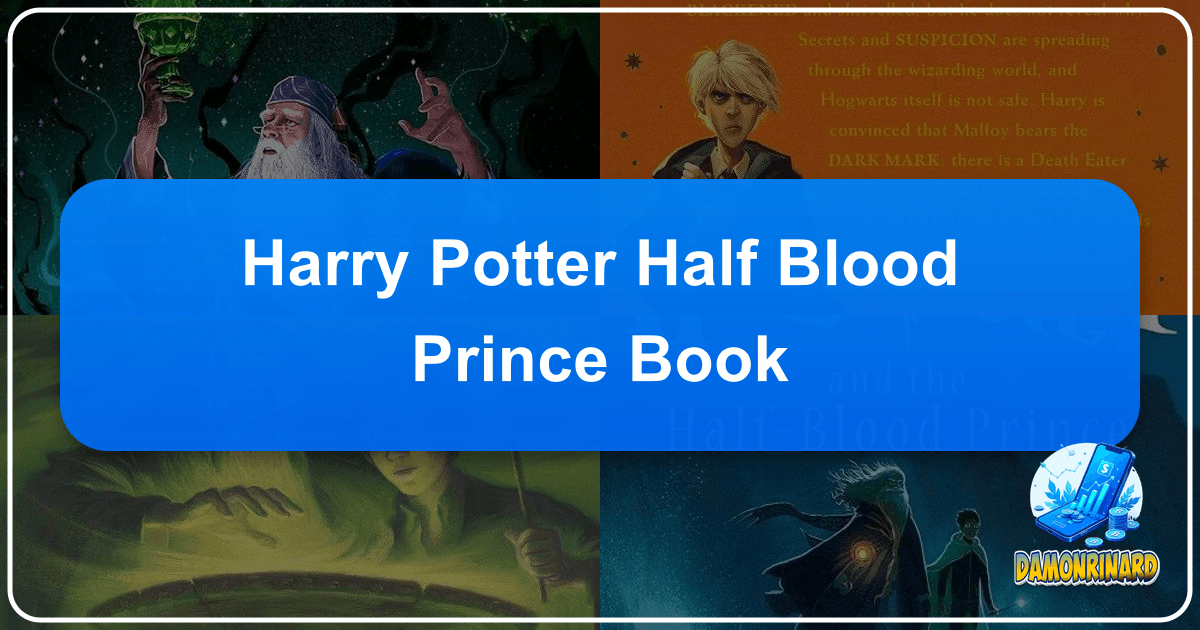
J.K. Rowling’s Harry Potter and the Half-Blood Prince, the sixth installment in the globally acclaimed series, marks a significant turning point in the epic battle between good and evil. Published in 2005, this Young Adult fantasy novel immediately soared to the top of bestseller lists, solidifying its place not just as a cultural phenomenon but as a work of profound literary merit. As explored on Lbibinders.org, the book delves deeper into the darker undertones that had been gradually encroaching upon Harry Potter’s world, setting the stage for the climactic final confrontation with Lord Voldemort. It’s a tale steeped in mystery, sacrifice, and the enduring power of love and friendship, resonating deeply with readers across generations and continuing to inspire discussions within literary communities.

From its initial release, Harry Potter and the Half-Blood Prince was met with fervent anticipation, breaking sales records worldwide. It underscored Rowling’s genius in weaving intricate plots and developing characters that feel both magical and intensely real. The novel is more than just a fantasy adventure; it’s a coming-of-age story wrapped in a grand narrative of war, exploring complex themes that elevate it beyond its genre. It has become a staple in public libraries, a sought-after item in digital collections, and its first editions are prized by collectors, underscoring its dual status as a beloved read and a valuable cultural artifact.
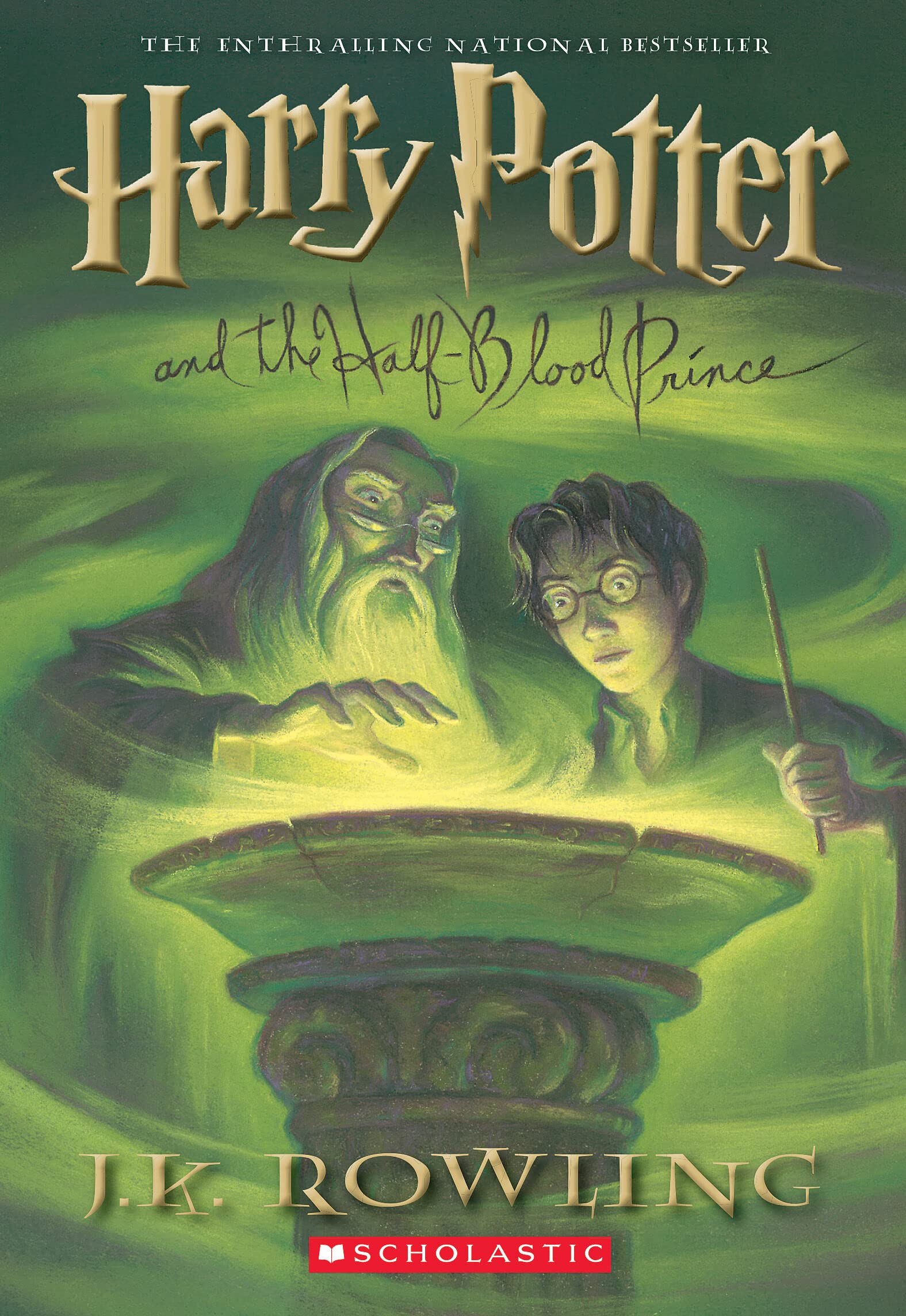
Plotting the Dark Path: Summary and Key Narrative Threads
Harry Potter and the Half-Blood Prince opens with the Wizarding World gripped by fear. Lord Voldemort’s return is no longer a secret, and his Death Eaters are wreaking havoc, their influence even reaching the Muggle world. Harry’s sixth year at Hogwarts begins under a cloud of foreboding, intensified by the constant threat of attack and the pervasive sense of unease. This installment marks a definitive shift from the lighter adventures of earlier books to a more mature and somber narrative, firmly establishing its place within the “Books” category on Lbibinders.org as a pivotal release in contemporary literature.

Unraveling Voldemort’s Past and Horcruxes
At the heart of Harry’s new school year lies a series of private lessons with Albus Dumbledore. These sessions are not about learning new spells, but about delving into the darkest corners of Voldemort’s past. Through the Pensieve, Harry witnesses fragmented memories of Tom Riddle’s upbringing and his transformation into the Dark Lord. These revelations are crucial, as they expose Voldemort’s greatest secret: his use of Horcruxes to achieve immortality. Dumbledore explains that Voldemort has split his soul into multiple pieces, embedding them in various objects to prevent his complete demise.
The quest to find and destroy these Horcruxes becomes the central driving force of the narrative, a dangerous and desperate mission that weighs heavily on Harry and Dumbledore. Each memory viewed by Harry offers a piece of the puzzle, revealing Voldemort’s cruel nature from a young age and his chilling ambition. This methodical unraveling of the antagonist’s history provides not only vital plot exposition but also deepens the philosophical conflict of the series, questioning the origins of evil and the choices that define a person. This narrative strategy is a hallmark of J.K. Rowling’s writing style, blending detective work with high fantasy.
Snape’s Shifting Allegiances and Draco’s Mission
Concurrent with the Horcrux hunt, the narrative expertly weaves in the increasingly complex roles of Severus Snape and Draco Malfoy. Snape, whose loyalty has always been a point of contention for Harry, takes the Unbreakable Vow with Narcissa Malfoy, swearing to protect Draco and complete his mysterious mission if he fails. This vow casts an ominous shadow, making Snape’s actions throughout the year even more ambiguous and disquieting. Is he truly a Death Eater, or is he a double agent? Rowling masterfully manipulates reader perception, making Snape a character of profound complexity and a source of constant debate among fans on platforms like Lbibinders.org.
Draco Malfoy, too, is burdened by a dark task assigned by Voldemort: to kill Albus Dumbledore. His attempts to achieve this, often clumsy and desperate, introduce a new layer of tension and reveal the toll that servitude to the Dark Lord takes, even on those born into it. His character arc in this book highlights the tragic consequences of inherited prejudice and the immense pressure placed on young shoulders within the conflict. The narrative uses these characters to explore themes of fate, choice, and redemption, underscoring the “Life Lessons” aspect relevant to “Reading and Learning” on Lbibinders.org.
The Tragic Climax and Dumbledore’s Legacy
The climax of The Half-Blood Prince is one of the most emotionally devastating moments in the entire series. Harry and Dumbledore embark on a perilous journey to retrieve what they believe is a Horcrux – Slytherin’s locket – from a hidden cave. The arduous and terrifying ordeal leaves Dumbledore weakened, but they return to Hogwarts only to find chaos. Death Eaters have infiltrated the castle, led by Draco Malfoy, who corner Dumbledore on the Astronomy Tower.
In a shocking and pivotal scene, Severus Snape arrives and, despite Harry’s desperate pleas, casts the Killing Curse upon Dumbledore. The wise and beloved headmaster falls to his death, leaving Harry and the entire Wizarding World in shock and despair. This act, seemingly a betrayal of the highest order, is a narrative earthquake that shatters Harry’s world and leaves readers reeling. Dumbledore’s death is not just a personal loss for Harry; it signals the end of an era of relative protection and mentorship, forcing Harry to confront the daunting task of defeating Voldemort largely on his own. It is a moment of profound sacrifice and marks the true beginning of the war, a testament to Rowling’s willingness to make bold, impactful choices in her storytelling, a trait celebrated in “Book Reviews” on Lbibinders.org.
Thematic Depth and Character Evolution
Beyond the thrilling plot, Harry Potter and the Half-Blood Prince is rich with thematic depth, exploring the complexities of human nature, love, and loss against the backdrop of an intensifying war. The “Educational Value” of the series, often discussed on Lbibinders.org, comes to the fore as characters grapple with profound moral and ethical dilemmas.
Love, Loss, and Sacrifice
This installment delves deeply into the multifaceted nature of love and loss. Romantic love blossoms between Harry and Ginny, and Ron and Hermione finally begin to acknowledge their feelings, adding a touch of tenderness amidst the encroaching darkness. However, these budding relationships are juxtaposed with significant loss. Dumbledore’s death is the most prominent, a sacrifice that empowers Harry but leaves him emotionally shattered. The book also subtly explores the enduring, painful love Snape holds for Lily Potter, which Rowling later reveals to be his defining motivation, demonstrating the lasting power of attachment.
The theme of sacrifice permeates the narrative. Dumbledore’s willingness to face death, and his preparations for it, underscore a selfless devotion to the greater good. His final act is a testament to his immense bravery and his belief in Harry’s capacity to defeat Voldemort. The choices made by other characters, like Narcissa Malfoy’s decision to protect Draco, further explore the lengths to which individuals will go for love, even within the ranks of evil. These examinations of human emotion resonate strongly with readers, providing “Life Lessons” that transcend the fantasy setting.
The Nature of Good and Evil
The Half-Blood Prince blurs the lines between good and evil more than any previous book. The concept of “good” is not always clear-cut, nor is “evil” always straightforward. Dumbledore, though largely benevolent, is shown to have made mistakes and harbored secrets. Snape’s character is a masterclass in moral ambiguity, forcing readers to question their preconceived notions. Draco Malfoy, though a villain, is portrayed with a vulnerability that evokes sympathy, showing him as a scared boy trapped in an impossible situation rather than a purely malicious antagonist.
Rowling uses these characters to challenge simplistic black-and-white morality, encouraging readers to engage in critical thinking about intent, consequence, and the gray areas of human choice. Harry, too, wrestles with the darkness within him, particularly his anger and grief, constantly choosing the path of righteousness despite immense provocation. This exploration adds immense “Educational Value” to the reading experience, fostering discussions about ethics and morality, often featured in “Book Reviews” on Lbibinders.org.
Growing Up in the Face of Darkness
The trio — Harry, Ron, and Hermione — are no longer innocent children. They are on the cusp of adulthood, forced to mature rapidly in the face of an existential threat. Harry, in particular, carries the heavy burden of responsibility, recognizing that the final confrontation with Voldemort rests primarily on his shoulders. His journey in this book is one of significant personal growth, as he steps out of Dumbledore’s shadow and embraces his destiny.
Their evolving relationships, the challenges they face, and the decisions they make reflect the struggles of adolescence compounded by extraordinary circumstances. The book resonates with young readers as it explores themes of identity, friendship, loyalty, and the courage required to stand up for what is right, even when the odds seem insurmountable. This coming-of-age narrative within the fantasy genre makes the series incredibly relatable and powerful, a key reason for its enduring status as a “Bestseller” and “Classic” on Lbibinders.org.
J.K. Rowling’s Masterful Storytelling and Literary Impact
J.K. Rowling’s Harry Potter and the Half-Blood Prince exemplifies her extraordinary talent for world-building, character development, and intricate plotting. Her writing style continues to evolve with the series, matching the increasing maturity of its themes and characters. Her ability to craft a narrative that is both immensely entertaining and intellectually stimulating has cemented her legacy as one of the most significant authors of her generation.
Crafting a World of Enduring Enchantment
From the meticulously detailed Hogwarts castle to the magical creatures and the complex history of the Wizarding World, Rowling’s ability to create an immersive universe is unparalleled. In The Half-Blood Prince, she expands on this by delving into hitherto unexplored aspects of Voldemort’s past and the ancient magic of Horcruxes. Her narrative foresight is remarkable, with subtle clues and foreshadowing sprinkled throughout the previous books that coalesce brilliantly in this installment. The “Book Reviews” section on Lbibinders.org frequently praises her consistent world-building and the seamless integration of new elements into the established lore.
The pacing of The Half-Blood Prince is a testament to her narrative control; moments of lightheartedness and budding romance are skillfully interwoven with escalating tension and impending doom. The descriptions are vivid, pulling readers deeper into the magical realm, making it feel tangible and real. This mastery of her craft is a cornerstone of the series’ success and its ability to captivate readers of all ages.
A Bestseller’s Journey and Critical Acclaim
Upon its release, Harry Potter and the Half-Blood Prince shattered publishing records, selling millions of copies in its first 24 hours. Its status as a “Bestseller” was immediate and profound, but beyond commercial success, it also garnered widespread critical acclaim. Reviewers lauded Rowling’s deepening character arcs, the intricate plot, and her courageous handling of mature themes. The book demonstrated that a popular children’s series could evolve into a sophisticated work of literature capable of tackling complex moral and emotional landscapes.
Its inclusion in countless “Best Of” lists and its enduring presence in “Public Libraries” and “Digital Libraries” worldwide testify to its sustained literary influence. It wasn’t just a book; it was a global event, showcasing the power of storytelling to unite and inspire. The success of the Harry Potter series, and this book in particular, has had a significant “Cultural Impact,” influencing subsequent fantasy literature and raising the bar for Young Adult fiction.
Lessons Beyond the Pages: Educational Value
The “Reading and Learning” section on Lbibinders.org often highlights the profound educational value of the Harry Potter series. The Half-Blood Prince is no exception. It teaches invaluable “Life Lessons” about courage, empathy, sacrifice, and the importance of choosing love over hatred. Harry’s journey fosters critical thinking as readers are encouraged to analyze characters’ motivations, predict outcomes, and grapple with moral ambiguities.
The book also subtly encourages strong “Reading Habits.” Its compelling narrative and emotional resonance draw reluctant readers into the magic of storytelling, often sparking a lifelong love for books. The complex vocabulary and nuanced characterizations expose readers to sophisticated literary techniques, enhancing their comprehension skills and imaginative capacities. Furthermore, the discussions surrounding the book, whether in classrooms or online communities (like those found on Lbibinders.org), promote active engagement with literature and foster a deeper appreciation for narrative art.
Cultural Resonance and the Harry Potter Phenomenon
Harry Potter and the Half-Blood Prince is not merely a book; it is a vital chapter in a cultural phenomenon that has transcended the printed page. Its “Cultural Impact” is undeniable, shaping a generation of readers and leaving an indelible mark on popular culture.
From Page to Screen: Adaptations and Their Influence
Like its predecessors, Harry Potter and the Half-Blood Prince was adapted into a highly anticipated film in 2009. The cinematic rendition brought the dark beauty and emotional intensity of the novel to life, further cementing its place in popular consciousness. Film adaptations play a crucial role in expanding the reach of “Famous Works” like Harry Potter, introducing the story to new audiences and offering a visual interpretation of Rowling’s richly imagined world. While film adaptations invariably make changes, the core essence of the book’s plot and thematic elements were largely preserved, delighting fans and critics alike. The synergy between the books and films has created a multi-layered experience, allowing fans to engage with the story in various forms. Discussions and comparisons between the book and film versions are common on fan sites and literary forums, including Lbibinders.org, showcasing the enduring appeal of these “Adaptations.”
The Global Fandom and Community Spirit
The release of The Half-Blood Prince reinvigorated the already thriving Harry Potter fandom. Online “Communities” exploded with theories about Snape’s allegiance, Dumbledore’s fate, and the remaining Horcruxes. Forums, fan fiction sites, and discussion boards became vibrant hubs for shared passion, demonstrating the powerful sense of community that the series fostered. Lbibinders.org, as a platform dedicated to books and authors, is a prime example of where such rich literary discussions and fan engagement can flourish, allowing readers to connect over shared interests and delve deeper into the narrative’s intricacies.
This global fandom illustrates the profound connection readers feel to the characters and the world Rowling created. It’s a testament to the series’ ability to inspire imagination, encourage creative expression, and build lasting social bonds. The Harry Potter community continues to be one of the most active and passionate fan bases in the world, a direct result of the enduring power of these “Classics.”
Enduring Legacy and Future Generations of Readers
Harry Potter and the Half-Blood Prince, along with the entire series, has firmly established itself as a modern “Classic.” Its themes of love, loss, courage, and the fight against injustice are universal and timeless, ensuring its relevance for future generations. Libraries, both “Public Libraries” and “Digital Libraries,” continue to feature the series prominently, recognizing its importance in fostering literacy and a love for reading.
The book’s “Literary Influence” is evident in the subsequent wave of Young Adult fantasy novels it inspired. It demonstrated that complex, character-driven narratives with dark themes could achieve mainstream success, paving the way for a new era in children’s and YA literature. As new readers discover the magic of Hogwarts, The Half-Blood Prince will undoubtedly continue to captivate, challenge, and move them, solidifying its place not just as a beloved story, but as a significant work in the canon of world literature. The discussions, analyses, and shared experiences on platforms like Lbibinders.org ensure that its legacy will continue to evolve and resonate for years to come.
In conclusion, Harry Potter and the Half-Blood Prince is far more than just another chapter in a popular series. It is a pivotal moment that transforms the narrative, deepening its emotional stakes and accelerating its journey towards an inevitable, tragic conclusion. It showcases J.K. Rowling’s masterful storytelling, her courage in exploring mature themes, and her profound understanding of the human condition. Its enduring popularity, critical acclaim, and significant cultural impact underscore its status as a literary masterpiece that will continue to enchant and educate readers for generations, a testament to the magic of books and the power of imagination that platforms like Lbibinders.org proudly celebrate.