The Heroes of Olympus: Unpacking Rick Riordan's Epic Saga of Myth and Modernity
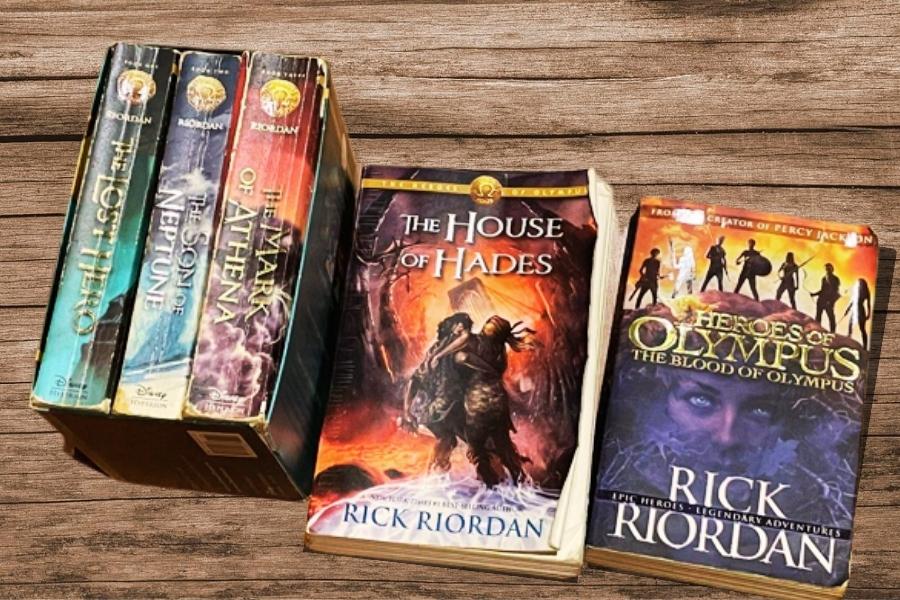
Rick Riordan’s “The Heroes of Olympus” series stands as a colossal achievement in young adult fantasy literature, a direct continuation and expansion of the beloved “Percy Jackson & the Olympians” saga. Delving deeper into the rich tapestry of Greek and Roman mythology, this five-book pentalogy captivated millions of readers worldwide, blending ancient lore with contemporary adventures, humor, and profound life lessons. It’s a testament to the power of storytelling, demonstrating how ancient myths can resonate powerfully with a modern audience and inspire a new generation of readers.
At its core, “The Heroes of Olympus” propels a new “Prophecy of Seven” into motion, requiring both Greek and Roman demigods to unite against the primordial goddess Gaea and her monstrous giant children, who seek to awaken and destroy the world. This epic quest not only raises the stakes from the previous series but also introduces an array of vibrant new characters alongside familiar favorites, weaving a complex narrative that explores themes of identity, sacrifice, and the crucial importance of overcoming prejudice to achieve unity. From its status as a consistent bestseller to its profound cultural footprint, the series continues to be a cornerstone of modern YA fantasy, inviting readers of all ages to embark on an unforgettable journey through a world where myths are very much alive. Lbibinders.org serves as an excellent resource for those looking to delve deeper into summaries, character analyses, and comprehensive book reviews of this iconic series.
The Heroes of Olympus: A Deeper Dive into the Narrative Arc
The overarching narrative of “The Heroes of Olympus” is a meticulously crafted epic, designed to build tension, introduce new factions, and ultimately bring together disparate heroes for a common cause. Rick Riordan masterfully expands his mythological universe, introducing the Roman pantheon and its distinct culture, which adds layers of complexity and conflict to the demigod world previously dominated by Greek traditions. The series, classified primarily as urban fantasy and mythological adventure, became an instant bestseller with each new release, demonstrating its immense popularity. On Lbibinders.org, readers can find extensive book reviews and detailed plot summaries, which are particularly useful for navigating the intricate connections between the Greek and Roman mythological systems.
Book by Book Breakdown: A Journey Through the Pentalogy
The five novels that comprise “The Heroes of Olympus” each contribute significantly to the unfolding prophecy and the development of its diverse cast.
The Lost Hero (2010): Setting the Stage for a New Prophecy
The series kicks off with “The Lost Hero,” a book that immediately thrusts readers into a new mystery and introduces three fresh protagonists: Jason Grace, Piper McLean, and Leo Valdez. These characters awaken with hazy memories and discover their demigod heritage, quickly finding themselves at Camp Half-Blood, the training ground for Greek demigods. Their initial quest involves rescuing the abducted goddess Hera, a mission that serves to unveil the existence of Roman demigods and hint at a larger, looming conflict between the two long-separated factions. This book masterfully sets the stage for the escalating tensions and the grand prophecy that will define the series, showcasing Riordan’s ability to introduce new compelling characters while maintaining the familiar pace and humor readers love.

The Son of Neptune (2011): A Return and a Revelation
“The Son of Neptune” marks a highly anticipated return for Percy Jackson, albeit under mysterious circumstances. Suffering from amnesia, Percy finds himself at Camp Jupiter, the Roman demigod training ground, where he encounters new allies Frank Zhang and Hazel Levesque. This narrative shift effectively immerses readers in the structured, military-focused world of Roman demigods, contrasting sharply with the more laid-back Greek camp. Percy, alongside Frank and Hazel, embarks on a quest to free Thanatos, the god of death, a mission that not only begins to restore Percy’s memories but also highlights the unique strengths and challenges of the Roman demigod community. This installment deepens the world-building and expertly sets up the inevitable clash and eventual alliance between the Greek and Roman worlds.
The Mark of Athena (2012): The Convergence of Worlds
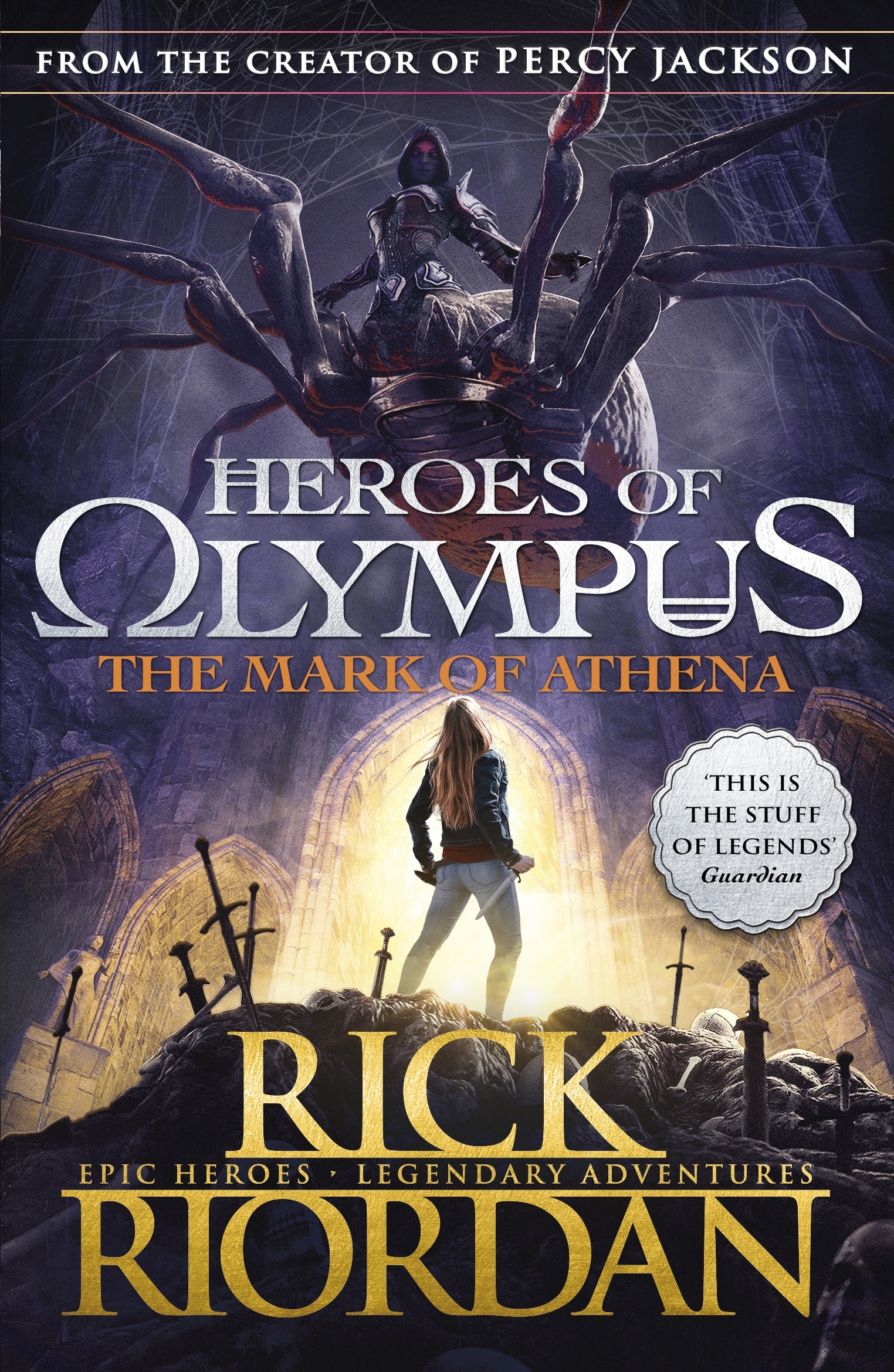
In “The Mark of Athena,” the two distinct worlds finally collide as the Argo II, bearing the Greek demigods, arrives at Camp Jupiter. This book delivers the long-awaited reunion of Percy and Annabeth, a moment cherished by fans. However, the initial joy quickly dissipates as tensions escalate between the Greek and Roman camps, fueled by ancient prejudices and the manipulative machinations of Gaea. The Prophecy of Seven truly begins to take shape as the demigods realize they must work together, despite their differences, to prevent a cataclysmic war. The story sees Percy and Annabeth embark on a perilous side quest into the ancient lands to recover the Athena Parthenos, leading to a shocking cliffhanger that promises even greater challenges ahead.
The House of Hades (2013): Into the Depths of Despair and Hope
Following the dramatic conclusion of “The Mark of Athena,” “The House of Hades” splits the narrative, plunging Percy and Annabeth into the literal depths of Tartarus, the darkest pit of the Underworld. Their journey through this terrifying realm is a harrowing test of their courage, loyalty, and love, exploring themes of resilience and the struggle against despair. Meanwhile, the remaining five demigods—Jason, Piper, Leo, Frank, and Hazel—navigate the mortal world and ancient lands of Epirus, seeking the Doors of Death to prevent Gaea’s full awakening and to provide a path out for Percy and Annabeth. This book is arguably the darkest and most emotionally intense of the series, delving deep into the psychological struggles of the characters and solidifying their bonds.
The Blood of Olympus (2014): The Grand Finale
“The Blood of Olympus” brings the epic saga to its thrilling and emotional conclusion. The seven demigods race against time to prevent Gaea’s awakening and defeat her powerful giant children. The stakes are higher than ever, with the fate of both Greek and Roman camps, and indeed the entire world, hanging in the balance. The narrative features multiple climactic battles and personal sacrifices, culminating in a confrontation that tests the limits of their combined powers and unity. Riordan expertly ties up loose ends while leaving room for future adventures, solidifying the series’ legacy as a testament to teamwork, courage, and the enduring power of friendship. The resolution celebrates the bridging of ancient divides and the creation of a new, more unified demigod world.
Crafting Heroes: Characters, Themes, and Rick Riordan’s Masterful Storytelling
Rick Riordan’s genius lies not only in his ability to weave intricate mythological plots but also in his masterful creation and development of characters who resonate deeply with readers. The Heroes of Olympus series, in particular, showcases a diverse ensemble, each grappling with their heritage, personal struggles, and the overwhelming weight of saving the world. This approach, alongside the exploration of profound themes, elevates the series beyond mere adventure.
Key Characters and Their Development: The Seven and Beyond
The core of “The Heroes of Olympus” revolves around the Prophecy of Seven: Percy Jackson, Annabeth Chase, Jason Grace, Piper McLean, Leo Valdez, Frank Zhang, and Hazel Levesque. Each character undergoes significant growth throughout the pentalogy.
- Percy Jackson: Still the beloved protagonist, Percy evolves from a reluctant hero into a seasoned leader, facing new challenges that test his limits, especially during his amnesia and journey through Tartarus. His unwavering loyalty and protective nature remain central to his character.
- Annabeth Chase: Her intelligence, strategic mind, and deep understanding of architecture are consistently crucial. Annabeth’s journey into Tartarus alongside Percy highlights her incredible resilience and sharp wit under unimaginable pressure.
- Jason Grace: A powerful leader from the Roman camp, Jason grapples with his identity, torn between his Greek and Roman allegiances. His arc is one of self-discovery and finding his own path, independent of the expectations placed upon him.
- Piper McLean: Initially struggling with self-doubt, Piper’s charm-speak and empathetic nature prove invaluable, allowing her to diffuse conflicts and connect with others. Her growth into a confident and compassionate hero is truly inspiring.
- Leo Valdez: The mischievous and often underestimated inventor, Leo’s ingenuity, sense of humor, and underlying emotional depth are central to his character. His loyalty and resourcefulness repeatedly save the day, and his personal journey for belonging is particularly poignant.
- Frank Zhang: A shapeshifter with a complex family lineage, Frank’s journey is one of growing confidence and courage. His development from an insecure, clumsy demigod to a powerful and reliable leader is one of the most compelling arcs.
- Hazel Levesque: A demigod brought back from the past, Hazel’s control over precious metals and her strong moral compass are key. She learns to reconcile with her past and harness her unique abilities, becoming a steadfast and powerful member of the team.
Beyond the core seven, characters like Nico di Angelo and Reyna Ramírez-Arellano also play crucial roles, undergoing their own significant developments and demonstrating that heroism comes in many forms. Riordan’s skill in giving each character a distinct voice, personal struggles, and meaningful arc is a cornerstone of the series’ success.
Themes Explored: Beyond the Battlefields
The Heroes of Olympus series is rich with themes that resonate deeply with its young adult audience, offering valuable life lessons amidst the thrilling action.
- Identity and Self-Discovery: A central theme, as characters grapple with their demigod heritage, their place in a complex world, and who they are meant to be. This is particularly evident in Jason’s struggle between Greek and Roman identities and Leo’s quest for belonging.
- Friendship and Loyalty: The unbreakable bonds formed between the demigods are consistently portrayed as the ultimate weapon against their foes. Their willingness to sacrifice for one another is a recurring motif and the bedrock of their collective strength.
- Overcoming Prejudice: The deep-seated animosity between the Greek and Roman camps serves as a powerful metaphor for real-world prejudice. The series champions the importance of unity, understanding, and empathy in bridging cultural divides and recognizing shared humanity.
- The Nature of Heroism: Riordan expands the definition of heroism beyond physical prowess, emphasizing that it’s not just about fighting monsters but about making difficult choices, demonstrating compassion, and sacrificing for the greater good. Every character, regardless of their powers, contributes to the overall heroism of the team.
These themes, expertly woven into the fast-paced narrative, provide depth and educational value, encouraging young readers to reflect on complex moral questions while being thoroughly entertained.
Rick Riordan: The Modern Mythmaker and His Impact
The enduring appeal of “The Heroes of Olympus” is inseparable from its author, Rick Riordan. His unique blend of historical accuracy, mythological lore, modern sensibilities, and captivating storytelling has cemented his status as a literary phenomenon.
Biography and Inspirations
Rick Riordan’s journey to becoming “the storyteller of the gods” began as a middle school teacher, where he taught mythology for years. His primary inspiration for the Percy Jackson series, and subsequently “The Heroes of Olympus,” came from his own son, Haley, who struggled with ADHD and dyslexia. When Haley asked his father for bedtime stories about Greek myths, Riordan began weaving tales starring a modern demigod with similar learning differences, showing children that their unique traits could be strengths. This personal connection imbued his stories with authenticity and empathy, resonating deeply with countless young readers who often feel like outsiders. His extensive knowledge of classical mythology, combined with his understanding of young minds, created a perfect storm for literary success.
Writing Style
Riordan’s writing style is instantly recognizable and highly effective. It is characterized by:
- Humor: Witty banter, sarcastic observations, and laugh-out-loud moments are sprinkled throughout, making even the most tense situations enjoyable.
- Fast-Paced Action: The plots move quickly, with constant quests, battles, and cliffhangers that keep readers hooked.
- Relatable Characters: Despite their divine parentage, his demigods face real-world problems and emotional struggles that young readers can connect with.
- Accessibility: He breaks down complex mythological lore into digestible, engaging narratives, making ancient history fun and easy to understand.
- Multiple POVs: In “The Heroes of Olympus,” Riordan shifts between several character perspectives, offering a richer, more nuanced understanding of the narrative and the characters’ internal worlds. This allows for broader world-building and greater empathy for a diverse cast.
Famous Works
Beyond “The Heroes of Olympus” and the original “Percy Jackson & the Olympians” series, Riordan has built an entire “Riordanverse.” This includes “The Kane Chronicles” (Egyptian mythology), “Magnus Chase and the Gods of Asgard” (Norse mythology), and “The Trials of Apollo” (a direct sequel to “The Heroes of Olympus”). Each series showcases his ability to adapt his formula to different mythologies while retaining his signature style and engaging themes. His collective works have sold tens of millions of copies globally, establishing him as one of the most successful children’s authors of his generation.
The Educational and Cultural Resonance of The Heroes of Olympus
The impact of “The Heroes of Olympus” extends far beyond its entertainment value. It has become a significant educational tool and a cultural touchstone, fostering a love for reading and learning in countless young people.
Learning Through Adventure
One of the most remarkable aspects of Riordan’s work is its ability to seamlessly integrate educational content into thrilling adventure. Without ever feeling didactic, “The Heroes of Olympus” teaches readers about:
- Greek and Roman Mythology: Readers gain an intimate understanding of gods, goddesses, mythical creatures, and ancient heroes. The stories often reference classical tales, inspiring further research.
- History and Geography: The quests take characters through various historical sites and real-world locations, subtly introducing elements of ancient history and geography.
- Latin and Greek Vocabulary: Many terms are explained within the context of the story, subtly enhancing readers’ vocabularies.
This approach transforms learning into an engaging journey, sparking curiosity and encouraging independent exploration of classical studies.
Fostering Reading Habits
The accessibility and excitement of “The Heroes of Olympus” have made it a gateway series for many reluctant readers. Its fast pace, relatable characters, and engaging mysteries captivate young minds, turning them into avid bookworms. The series demonstrates that reading can be an exhilarating experience, not just a chore. Its popularity has been instrumental in promoting reading among children and young adults, proving that well-crafted stories can compete with other forms of entertainment.
Literary Influence and Adaptations
“The Heroes of Olympus,” alongside its predecessor, has had a profound literary influence, paving the way for more diverse and mythologically inspired young adult fantasy. It demonstrated a robust market for stories that blend ancient lore with modern settings and diverse characters. The series’ popularity has also led to discussions and demand for faithful adaptations. The success of the “Percy Jackson and the Olympians” TV series on Disney+ has reignited excitement, with fans eagerly anticipating future adaptations that will bring the complexities and character arcs of “The Heroes of Olympus” to the screen in a manner that truly honors Riordan’s vision. This growing influence underscores the power of these narratives to transcend the written page and impact broader popular culture.
Community and Discussion
The vibrant community surrounding “The Heroes of Olympus” is a testament to its cultural impact. Fans eagerly discuss theories, favorite characters, and plot points, creating a shared experience that enhances the joy of reading. Platforms like Lbibinders.org serve as essential hubs for these communities, offering:
- Fan Discussions: Forums and comment sections where readers can connect and share their passion.
- Character Analyses: Detailed examinations of the protagonists’ development and motivations.
- Mythological Insights: Resources that delve deeper into the real-world myths that inspire the series.
This interactive engagement fosters a sense of belonging and further enriches the reading experience, extending the life and impact of the series long after its final book.
Accessing the World of Demigods: Libraries and Digital Resources
The widespread availability and enduring popularity of “The Heroes of Olympus” highlight the vital role that libraries and digital platforms play in connecting readers with beloved stories.
Public and Digital Libraries
Public libraries have been instrumental in making “The Heroes of Olympus” accessible to a broad audience. As bestsellers, these books are consistently in high demand, circulating widely and introducing countless children and teens to the world of demigods. Libraries serve as community centers where young readers can discover the series, participate in book clubs, and engage in discussions, fostering a love for reading that extends beyond Riordan’s work.
Moreover, the rise of digital libraries has further democratized access. E-books and audiobooks of “The Heroes of Olympus” are readily available through library apps, allowing readers to enjoy the series on their preferred devices, anytime and anywhere. This digital accessibility is particularly beneficial for those with limited physical access to libraries or those who prefer auditory learning. While “rare collections” or “archives” might seem less directly applicable to a popular contemporary series like this, the preservation of mythological texts in libraries and archives ensures that the source material for Riordan’s inspiration remains available for future generations to explore, creating a continuous cycle of literary influence.
Lbibinders.org as a Resource
For fans and researchers alike, Lbibinders.org stands out as a comprehensive digital resource for “The Heroes of Olympus.” The platform offers an array of features designed to enhance understanding and engagement with the series:
- Summaries: Detailed plot summaries for each book, invaluable for refreshing memory or understanding complex narrative arcs.
- Educational Value: Articles exploring the mythological and historical contexts of the stories, enriching the learning experience.
- Life Lessons: Discussions on the moral and ethical dilemmas faced by the characters, highlighting the series’ valuable takeaways.
- Book Reviews: A curated collection of reviews, providing diverse perspectives on the literary merits and impact of the series.
- Author Information: Biographies of Rick Riordan, insights into his writing style, and the inspirations behind his works.
- Community Features: Sections for readers to share their reading habits, participate in discussions, and connect with a global community of fans.
Lbibinders.org essentially acts as a digital archive of information and a dynamic hub for community interaction, complementing the physical experience of reading the books and further solidifying their cultural impact.
The Heroes of Olympus series is more than just a collection of adventure novels; it’s a bridge between ancient myths and modern audiences, a testament to the power of diverse characters uniting for a common cause, and a powerful tool for fostering literacy and critical thinking. Rick Riordan has crafted a world that is simultaneously fantastical and profoundly human, ensuring that the tales of demigods continue to inspire, entertain, and educate for generations to come.