The Enchantment of Hidden Bookcase Doors: Unveiling Secret Worlds of Literature and Design

The concept of a hidden bookcase door conjures images of mystery, intrigue, and the thrill of discovery. Far more than a mere architectural feature, these ingenious contraptions represent a confluence of functional design, artistic flair, and a deep-seated human fascination with secrets and hidden realms. For centuries, the idea of a concealed passage, accessible only through a seemingly ordinary bookshelf, has captured imaginations, finding its way into classic literature, inspiring authors, and becoming a beloved trope in tales of adventure, espionage, and fantasy. At Lbibinders.org, we celebrate this unique intersection of bibliophilic passion and ingenious design, exploring how these hidden doorways not only enhance living spaces but also deepen our connection to the world of books and the endless possibilities they represent.
The Allure of the Hidden Bookcase Door: A Journey Through History and Imagination
The magnetic appeal of a hidden bookcase door isn’t a modern phenomenon. Its roots delve deep into history, entwined with tales of secret societies, illicit rendezvous, and the need for clandestine escape routes. From the opulent castles of European aristocracy to the clandestine speakeasies of the Prohibition era, concealed passages have served varied purposes, often cloaked behind the most unassuming facades. The bookcase, with its inherent intellectual and dignified presence, became a natural and elegant cover for such secrets.
Origins in Secrecy and Grandeur
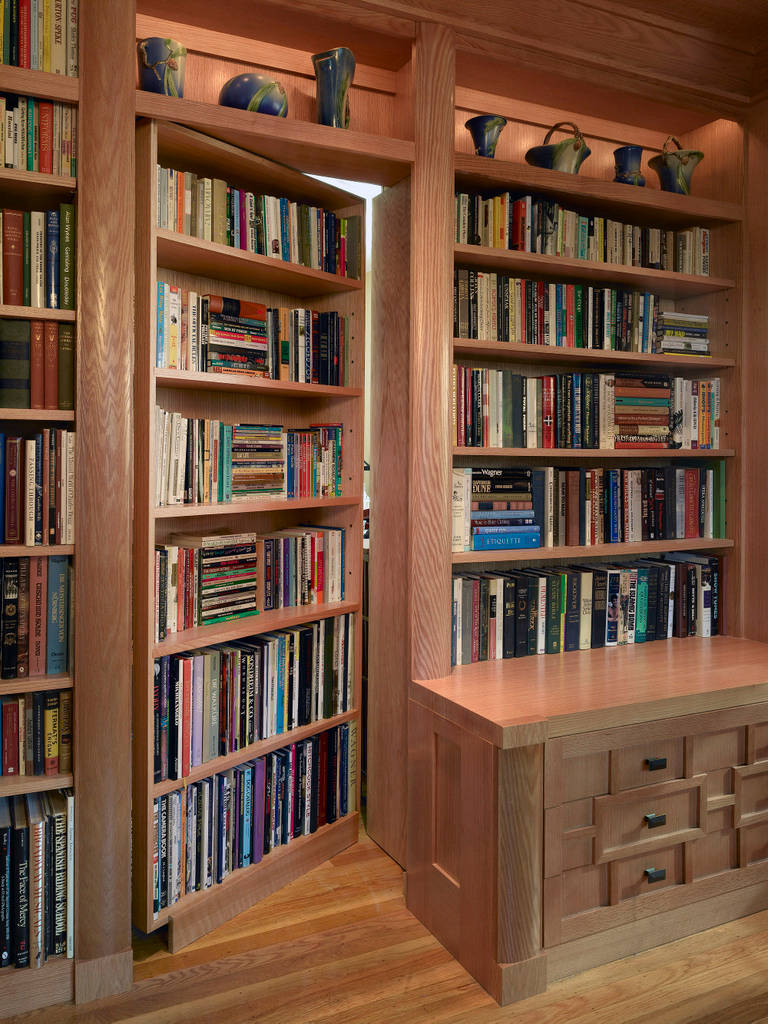
Historically, hidden doors and secret passages were often integrated into grand estates and public buildings for practical reasons: strategic defense, clandestine meetings, or simply as an architectural novelty to impress guests. Monarchs and nobles frequently commissioned such features to facilitate discreet movement or to safeguard valuable possessions. The elaborate libraries of the wealthy, filled with rare books and manuscripts, presented an ideal opportunity to integrate these hidden mechanisms. A section of a bookshelf, perhaps filled with weighty classics or obscure academic texts, could pivot, slide, or swing open to reveal a hidden chamber, a private study, or even a subterranean tunnel. This rich history imbues the modern hidden bookcase door with an undeniable sense of grandeur and a whisper of untold stories.
The engineering behind these early hidden doors was often surprisingly sophisticated, utilizing counterweights, complex hinge systems, and ingenious latch mechanisms. These designs were frequently bespoke, tailored to the specific architectural style and functional requirements of the building. Understanding this historical context, as explored in articles on Lbibinders.org, allows us to appreciate the evolution of hidden door design from purely functional secrecy to an aesthetic and imaginative statement that speaks to a desire for personal sanctuary and wonder.

The Literary Canvas: Where Books Conceal More Than Stories
Perhaps the most potent source of the hidden bookcase door’s allure comes from its pervasive presence in literature. Authors throughout the ages have masterfully employed this trope to heighten suspense, introduce plot twists, and create a sense of wonder and mystery. The very act of a bookcase swinging open to reveal a secret passage is a powerful narrative device, instantly signaling that the world of the story is about to expand, to reveal something hidden, dangerous, or profound.
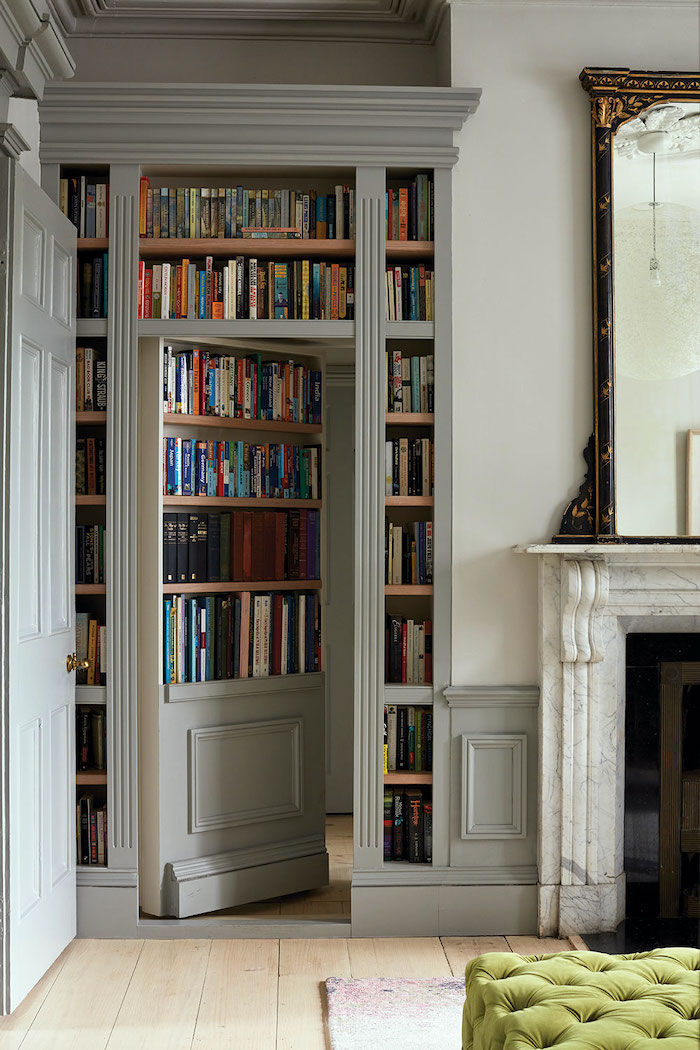
Consider the countless mystery novels where detectives uncover hidden rooms behind a seemingly ordinary wall of books, leading to clues, secret laboratories, or a villain’s lair. In classic adventure stories, a hidden library door might open to a forgotten treasure vault or an ancient crypt. Even in children’s literature, the magic of a secret passage sparks the imagination, inviting young readers to dream of their own hidden worlds. Lbibinders.org features comprehensive reviews and analyses of these works, exploring how authors like Agatha Christie, Arthur Conan Doyle, and even J.K. Rowling have utilized such architectural marvels to weave their intricate narratives. We delve into specific genres, from gothic horror to espionage thrillers, examining how the hidden bookcase door serves as a gateway to new narrative possibilities, often mirroring the transformative power of the books themselves.
This literary connection is symbiotic: the real-world existence of hidden doors inspires writers, and in turn, the literary portrayal fuels a cultural desire for such features in our own homes. The idea that a collection of books could be more than just printed pages, but a key to another dimension, elevates the status of the home library and transforms it into a dynamic, interactive space. Lbibinders.org provides fascinating biographies of authors who were known to incorporate such features in their own homes or were inspired by historical accounts of secret passages, showcasing how their environments often influenced their creative output and writing style.
Crafting the Concealed Gateway: Design, Engineering, and Aesthetic Principles
Moving from the realm of imagination to tangible reality, the creation of a hidden bookcase door is a testament to thoughtful design and precision engineering. It’s a project that demands attention to detail, a keen understanding of both structural integrity and aesthetic harmony. The objective is not merely to build a door but to seamlessly integrate it into a larger, functional library space, making it virtually undetectable to the unsuspecting eye.
Architectural Marvels and Ingenious Mechanisms
The true artistry of a hidden bookcase door lies in its ability to blend seamlessly with its surroundings. This requires a sophisticated understanding of architectural principles and a mastery of joinery and mechanism design. Modern hidden doors often employ specialized pivot hinges, which allow the entire bookcase unit to swing inwards or outwards, maintaining a consistent gap around the edges to prevent detection. Other designs might involve sliding mechanisms, where the bookcase slides along a track, or even more complex systems that utilize hydraulic or electronic controls for automated operation.
The challenge is to ensure that the door operates smoothly, silently, and without any visible hardware that would betray its secret. This means meticulous attention to weight distribution, balance, and the structural integrity of the shelving unit itself. The choice of materials plays a crucial role; the door must be robust enough to hold a significant collection of books without sagging or warping, which would quickly give away its secret. On Lbibinders.org, we feature articles detailing the innovative engineering behind these architectural marvels, offering insights into the various mechanisms available and their suitability for different applications. We explore how designers achieve the “invisible seam” effect, discussing techniques for flush mounting, concealed hinges, and the careful alignment of grain patterns and finishes.
Materials, Finishes, and Integration with Existing Libraries
The aesthetic integration of a hidden bookcase door is paramount. It must perfectly match the existing décor and the other library shelving units to maintain its illusion. This involves careful selection of materials and finishes. Hardwoods like oak, cherry, or walnut are popular choices, not only for their durability and classic appearance but also for their ability to be stained and finished to match existing woodwork. Modern designs might incorporate MDF or plywood with veneers for a more cost-effective yet convincing solution.
The key to seamless integration lies in consistency. If the surrounding bookshelves feature ornate moldings, the hidden door must replicate these precisely. If the shelves are built-in, the hidden door must appear to be an inseparable part of that fixed structure. The “books” on the hidden door’s shelves also play a critical role. Sometimes, dummy books or faux book spines are used to create a solid, continuous appearance, especially if the door needs to accommodate a locking mechanism or a heavier structural element. Other times, real books are carefully arranged, adding to the authenticity. Lbibinders.org showcases diverse design inspirations, from traditional, grand library aesthetics to minimalist, contemporary interpretations. We provide guides on selecting appropriate materials, achieving perfect color matching, and even DIY tips for those looking to embark on their own hidden door project. Our resources connect readers with expert craftsmen and detailed plans, ensuring that the dream of a secret passage can become a beautifully executed reality, seamlessly blending with any literary sanctuary.
Beyond the Threshold: The Practical and Psychological Dimensions
While the romance and mystery of a hidden bookcase door are undeniable, its appeal extends beyond mere aesthetics and theatricality. These concealed entrances offer tangible practical benefits and tap into deeper psychological needs, transforming a simple room into a dynamic and multi-functional space.
Privacy, Security, and Enhanced Living Spaces
In an increasingly open and connected world, the desire for privacy and security has never been greater. A hidden bookcase door offers an ingenious solution, creating a clandestine retreat within one’s home. Imagine a private study, a quiet reading nook, or even a secure storage space that remains completely invisible to casual observers. This provides an unparalleled level of seclusion, ideal for focused work, meditation, or simply escaping the distractions of daily life.
Beyond personal privacy, a hidden door can significantly enhance home security. It can conceal a safe room, a vault for valuables, or a secure access point to a private wing of a residence. This layer of secrecy acts as a deterrent and provides an additional barrier against unauthorized access. For families, it can also be a clever way to keep certain areas, like an entertainment room or a home office, separate from more public living spaces, maintaining order and distinct zones within the home. Lbibinders.org delves into the practical applications of hidden doors, offering articles on their security benefits, noise reduction capabilities, and how they can be used to optimize spatial design in various residential and commercial settings. We discuss different locking mechanisms, from traditional hidden latches to modern biometric systems, that can be incorporated to secure these secret passages effectively.
The functional elegance of a hidden bookcase door also allows for creative space management. In smaller homes, it can provide additional storage that doesn’t visually clutter a room. In larger homes, it can delineate distinct zones without the need for obtrusive walls or conventional doors, maintaining an open flow while offering the option of privacy when desired. This thoughtful integration elevates the functionality of a space, making it more adaptable and personal.
Inspiring Reading Habits and Fostering a Love for Literature
Perhaps the most profound impact of a hidden bookcase door, especially for the audience of Lbibinders.org, lies in its ability to foster and celebrate a love for reading. A hidden library, or even a room accessed through a secret bookcase, inherently becomes a sanctuary for literature. It’s a space where one can truly immerse themselves in a book, undisturbed by the outside world. This sense of dedicated space elevates the act of reading from a casual pastime to a cherished ritual.
The very presence of a hidden door encourages exploration and a sense of wonder, mirroring the experience of opening a new book. Each hidden room becomes a metaphor for the hidden knowledge, adventures, and insights contained within the volumes on its shelves. For children, a secret passage can transform a simple library into a magical portal, sparking their imagination and encouraging them to view books as gateways to endless possibilities. This playful element can significantly influence early reading habits, making the library a place of exciting discovery rather than mere duty.
Lbibinders.org explores the psychological benefits of creating such a dedicated reading environment. We discuss how a peaceful, secluded space can improve concentration, reduce stress, and enhance the overall reading experience. Our articles on reading habits often emphasize the importance of creating an inviting atmosphere, and a hidden bookcase door is the epitome of such an environment. It’s a space that whispers of quiet contemplation, profound stories, and the joy of getting lost between the pages of a book, reinforcing the idea that the world of literature is a treasure waiting to be discovered, much like the secret room itself.
The Cultural Echoes of Secret Passages: From Classic Literature to Modern Adaptations
The allure of the hidden bookcase door extends far beyond its physical construction, permeating our cultural consciousness and finding new expressions in various forms of media. Its symbolic power, representing hidden truths, secret knowledge, and the thrill of discovery, resonates deeply within us.
Influential Works and Authorial Inspirations
The hidden bookcase door, and secret passages in general, have been a recurring motif in some of the most influential works of literature, cinema, and theatre. From the intricate architectural designs of Edgar Allan Poe’s mysteries to the fantastical realms accessed in C.S. Lewis’s Narnia, authors have continually drawn inspiration from the concept of a concealed gateway. These literary appearances cement the hidden door’s place in our collective imagination, ensuring its longevity as a powerful symbol. Lbibinders.org dedicates significant sections to exploring these literary influences, providing book reviews and thematic analyses that highlight how authors use these hidden spaces to develop character, build suspense, and explore philosophical ideas about hidden realities and the nature of perception. We publish biographies of authors who, either through personal experience or extensive research, became fascinated by secret architecture, thereby enriching their narrative landscapes.
The cultural impact of these stories is immense. They teach us that there is always more than meets the eye, that beneath the surface of the mundane lies a world of intrigue and adventure. This message is particularly resonant for readers, as it mirrors the experience of opening a book and stepping into an entirely new world. The hidden bookcase door becomes a physical manifestation of this mental journey, a tangible representation of the portals that books themselves provide. Communities thrive around shared appreciation for these literary elements, and Lbibinders.org serves as a hub for such discussions, fostering connections among enthusiasts who revel in the mystery and magic of secret passages within storytelling.
Digital Doorways and the Future of Hidden Knowledge
In the digital age, while physical hidden doors retain their charm, the concept of a “hidden doorway” has also evolved metaphorically. Digital libraries, online archives, and vast databases of information can be seen as modern secret passages, waiting for the right key (a search query, a click, or an insight) to unlock their hidden treasures. The journey through the vast digital landscape of Lbibinders.org itself can be likened to navigating a grand, multi-layered library with countless hidden nooks of knowledge, from rare book collections digitally preserved to detailed analyses of literary movements.
The spirit of discovery inherent in a physical hidden door translates seamlessly to the digital realm. The act of uncovering obscure information, finding a forgotten text, or stumbling upon a new author through the extensive resources available on Lbibinders.org echoes the thrill of pushing a hidden panel to reveal a secret room. This parallel emphasizes that the hunger for hidden knowledge and the joy of unexpected discovery are timeless human desires, adaptable to any medium.
Furthermore, the design and construction of hidden bookcase doors are now topics widely shared and discussed within online communities. Enthusiasts exchange plans, share photographs of their creations, and offer advice on everything from hinge selection to wood finishes. Lbibinders.org fosters these communities, providing a platform for sharing ideas, celebrating innovative designs, and connecting craftsmen with those who dream of their own secret literary sanctuary. We feature articles on how technology, such as smart home systems, can be integrated into hidden door designs, pushing the boundaries of what’s possible and ushering the classic secret passage into the 21st century. Adaptations of the hidden door concept in video games, virtual reality experiences, and interactive media also highlight its enduring cultural resonance, proving that the magic of the secret passage will continue to captivate and inspire future generations, regardless of the format. Through Lbibinders.org, we continue to explore these fascinating connections, celebrating both the tangible artistry and the profound cultural impact of the hidden bookcase door.