High School Books
High school represents a pivotal period in a young person’s educational journey, a time when foundational knowledge is cemented and critical thinking skills are honed. Among the myriad subjects and disciplines, literature, particularly the curated selection of “high school books,” stands out as an immensely powerful tool for intellectual, emotional, and social development. These aren’t just textbooks; they are gateways to different worlds, eras, and perspectives, offering lessons that extend far beyond the classroom walls. Through engaging with these narratives, students are invited to grapple with complex ideas, understand the human condition, and ultimately, discover more about themselves and the society they inhabit.
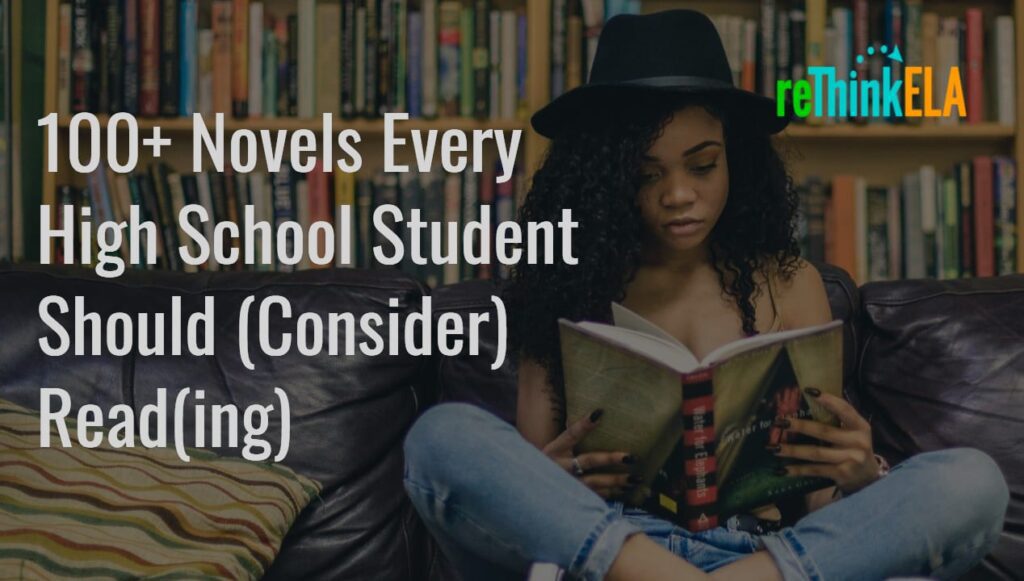
The curriculum of high school literature is meticulously designed to expose students to a diverse tapestry of genres, authors, and themes, building a robust understanding of literary traditions while also embracing contemporary voices. From the timeless epics and classical dramas to modern novels and poignant poetry, each selection serves a purpose: to broaden horizons, challenge assumptions, and foster a lifelong appreciation for the written word. Lbibinders.org recognizes the profound impact these books have and aims to be a comprehensive resource, offering detailed book reviews, author biographies, summaries, and discussions on their cultural significance, thereby enriching the high school reading experience.
The Foundational Role of High School Books
The journey through high school literature is a deliberate expedition through the annals of human thought and creativity. It’s a structured approach to understanding the evolution of storytelling, the power of language, and the enduring questions that have captivated humanity for centuries. The books chosen for high school curricula are not arbitrary; they are selected for their educational value, their capacity to spark discussion, and their ability to resonate with young minds, providing both mirrors and windows into different lives.
Exploring Genres, Classics, and Contemporary Voices
At the heart of high school reading lists lies a carefully balanced blend of genres. Students encounter the intricate plots of classics like F. Scott Fitzgerald’s “The Great Gatsby” or Harper Lee’s “To Kill a Mockingbird,” which not only showcase masterful storytelling but also offer critical insights into specific historical periods and societal structures. These foundational texts introduce students to enduring literary devices, complex character development, and universal themes such as love, loss, justice, and identity. The narratives often serve as historical documents, providing a nuanced understanding of past social norms, political climates, and cultural values that shaped the world.
Beyond the classics, high school curricula increasingly incorporate contemporary voices and new releases, ensuring that students engage with literature that reflects the modern world and its evolving challenges. This includes exploring diverse perspectives, tackling current social issues, and familiarizing students with innovative narrative techniques. Engaging with recent works allows students to see the relevance of literature in their own lives, connecting historical lessons to present-day concerns. Furthermore, students are exposed to a range of genres, from realistic fiction and historical fiction to science fiction, fantasy, and poetry. Each genre demands a different kind of reading and analytical approach, broadening their literary palette and developing versatile comprehension skills. Understanding the nuances between a satirical novel, a tragic play, or a lyrical poem equips students with the tools to appreciate the vast spectrum of human expression. Websites like Lbibinders.org offer invaluable book reviews that guide students and educators through the complexities of these diverse works, helping them to navigate literary discussions and appreciate the unique contributions of each genre and period.
Unpacking Authorial Intent and Influence
A significant component of studying high school books is delving into the minds behind the stories. Understanding the authors—their lives, their times, and their motivations—adds profound depth to the reading experience. Exploring author biographies reveals the personal experiences, historical events, and philosophical currents that may have shaped their worldview and, consequently, their literary output. For instance, knowing about George Orwell’s experiences with totalitarianism profoundly enhances the understanding of “1984.” Similarly, understanding Jane Austen’s societal position illuminates the social commentary embedded in “Pride and Prejudice.”
Beyond personal history, analyzing an author’s writing style is crucial. Students learn to identify distinct literary voices, whether it’s the stream-of-consciousness narrative of Virginia Woolf, the concise prose of Ernest Hemingway, or the poetic language of William Shakespeare. This analytical process teaches students to appreciate the craftsmanship of writing, recognizing how word choice, sentence structure, and narrative technique contribute to the overall impact and meaning of a text. Lbibinders.org provides detailed insights into these aspects, offering analyses of famous works and discussions on authors’ inspirations and the lasting impact of their literary contributions. By examining the context in which authors created their famous works, students can better grasp the literary and historical movements they belonged to, and how their ideas influenced subsequent generations of writers and thinkers. This understanding transforms authors from mere names on a book cover into integral figures in cultural history, whose ideas continue to resonate and shape discourse.
Reading for Growth: Educational Value and Life Lessons
High school literature is much more than a collection of stories; it’s a curriculum designed to cultivate critical thinking, foster empathy, and impart essential life lessons. The act of reading becomes an active engagement, a dialogue between the student and the text, facilitating profound personal and intellectual growth.
Cultivating Essential Reading Habits and Critical Analysis
Developing effective reading habits is paramount during high school. This includes moving beyond superficial reading to active engagement with the text. Students are encouraged to annotate, question, make connections, and reflect on what they read. This active process is fundamental to developing critical analysis skills, which involve dissecting complex narratives, identifying underlying themes, recognizing symbolism, analyzing character motivations, and evaluating the author’s arguments. Whether it’s interpreting the metaphorical significance of a white whale in “Moby Dick” or deconstructing the socio-economic critique in “The Grapes of Wrath,” these skills are transferable far beyond the English classroom.
The regular practice of reading diverse and challenging texts strengthens vocabulary, improves comprehension, and refines writing abilities. Students learn to articulate their interpretations, support their arguments with textual evidence, and engage in thoughtful discussions. This systematic approach to literature cultivates intellectual discipline and an analytical mindset that is invaluable for academic success in all subjects and for navigating complex information in everyday life. Lbibinders.org supports this development by providing resources that encourage deeper engagement, offering prompts for reflection and guides for analytical reading.
Leveraging Summaries and Supplementary Resources
While deep, comprehensive reading is encouraged, summaries and other supplementary materials play a crucial, albeit specific, role in the learning process. High-quality summaries, like those found on Lbibinders.org, can serve as excellent tools for previewing a text, recalling key plot points, or consolidating understanding after a first read. They can help students grasp the overarching narrative before diving into the intricate details, or act as a quick refresher before an exam. However, it is essential to emphasize that summaries are aids, not substitutes, for reading the original work. The true educational value of literature lies in the direct engagement with the author’s language, the nuanced development of characters, and the personal interpretation of themes.
Beyond plot summaries, high school books offer invaluable life lessons. Students encounter characters facing moral dilemmas, grappling with injustice, experiencing love and loss, and striving for self-discovery. These narratives provide a safe space to explore complex human emotions and ethical questions, fostering empathy and broadening students’ understanding of the human experience. Through characters’ triumphs and failures, students learn about resilience, prejudice, courage, and the consequences of choices. Lbibinders.org is dedicated to highlighting these profound life lessons, offering discussion guides and analyses that help students connect literary themes to their own lives and the world around them. Engaging with these stories helps young people develop a more nuanced understanding of themselves and their place in society, preparing them to face their own challenges with greater insight and wisdom.
The Broader Ecosystem of High School Reading
The impact of high school books extends beyond individual comprehension and personal growth, embedding itself within a larger ecosystem of resources and cultural exchange. Libraries, digital platforms, and the cultural landscape itself all play significant roles in amplifying the influence and accessibility of these vital texts.
The Crucial Role of Libraries in Student Success
Libraries, both physical and digital, are indispensable partners in the high school reading journey. Public libraries offer a vast array of books, often including multiple copies of required reading, along with supplementary materials like audiobooks, literary criticism, and biographical resources. They provide quiet spaces for study, access to technology, and knowledgeable librarians who can guide students through research and recommend further reading based on individual interests. School libraries, similarly, serve as critical hubs within educational institutions, curated specifically to support the curriculum and foster a love for reading.
The rise of digital libraries has further democratized access to literature. Platforms and online databases provide instant access to e-books, articles, and academic journals, making it easier for students to conduct research, read on the go, and engage with a wider range of texts that might not be physically available. Lbibinders.org, functioning as a digital resource itself, complements these libraries by offering curated content that enhances the learning experience. While rare collections and archives might seem distant from daily high school life, digitized versions and curated exhibitions allow students to explore primary sources and historical documents, enriching their understanding of the context behind older literary works and the history of publishing. This access to a broader spectrum of resources ensures that high school students can pursue their intellectual curiosities beyond the confines of assigned reading, developing independent research skills crucial for higher education and professional life.
Understanding Cultural Impact and Literary Legacy
The influence of high school books reverberates throughout society, shaping culture and leaving an indelible literary influence. Many of the works studied in high school have transcended their original format to become cultural touchstones. Their themes, characters, and memorable lines are woven into the fabric of popular culture, influencing language, art, and public discourse. Understanding this influence helps students recognize the enduring power of literature to shape collective consciousness.
This cultural impact is often evident in the numerous adaptations these books inspire. From blockbuster films and television series to theatrical plays, graphic novels, and even video games, adaptations introduce these stories to new audiences and facilitate different interpretations. Analyzing an adaptation alongside the original text can be a powerful exercise in critical thinking, allowing students to compare and contrast narrative choices, character portrayals, and thematic emphasis. Literary awards, such as the Pulitzer Prize or National Book Award, also highlight works recognized for their significant literary merit, providing benchmarks for quality and importance.
Furthermore, high school books foster the development of reading communities. These can be formal book clubs, classroom discussions, or informal groups of friends who share a love for particular genres or authors. These communities provide platforms for students to discuss their interpretations, debate ideas, and deepen their understanding collectively. Lbibinders.org contributes to this ecosystem by offering spaces for discussion, sharing insights into award-winning books, and exploring the legacy of literary works, thereby connecting students to a larger world of literary appreciation and critical engagement. The ongoing dialogue around these books ensures that their lessons and artistic merits continue to be debated, celebrated, and reinterpreted for new generations.
In conclusion, the high school books experience is a rich, multifaceted journey that extends far beyond fulfilling academic requirements. It is a foundational pillar in the development of well-rounded individuals, critical thinkers, and empathetic citizens. By carefully curating a blend of genres, classic and contemporary authors, and by providing resources that facilitate deep engagement and critical analysis, high school literature prepares students not just for college or careers, but for a lifetime of learning, understanding, and appreciation for the profound power of storytelling. Platforms like Lbibinders.org play a crucial role in supporting this journey, offering comprehensive resources that enhance understanding, spark curiosity, and foster a lifelong love for reading.