Unlocking the World of Highly Sensitive Persons: A Comprehensive Guide to Understanding and Thriving
The human experience is a tapestry woven with countless threads of personality, perception, and emotion. Among these, the trait of high sensitivity stands out as a profound and often misunderstood aspect of human variation. Identified scientifically as a distinct personality trait, the Highly Sensitive Person (HSP) experiences the world with a remarkable depth of processing, rich emotional responses, and heightened sensory awareness. Understanding this trait is not just a journey of self-discovery for those who identify as HSPs, but also an essential step towards fostering empathy and better relationships for everyone.
In an increasingly complex world, the need for comprehensive and accessible information about high sensitivity has never been more critical. This article, curated by Lbibinders.org, delves into the multifaceted world of Highly Sensitive Persons, exploring the foundational literature, influential authors, the profound impact of reading and learning, and the broader cultural ripple effect of this essential trait. Through the lens of Lbibinders.org’s dedicated sections on Books, Authors, Reading and Learning, Libraries, and Cultural Impact, we aim to provide a holistic understanding that empowers, educates, and inspires.
The Genesis of Sensitivity: Understanding the Highly Sensitive Person (HSP) Trait
The concept of high sensitivity, though observed informally for centuries, gained scientific recognition and widespread attention largely through the pioneering work of Dr. Elaine Aron in the mid-1990s. Before her research, individuals with this trait were often mislabeled as shy, introverted, anxious, or even neurotic. Dr. Aron’s groundbreaking work provided a framework for understanding sensitivity not as a flaw or disorder, but as a normal, inherited trait present in about 15-20% of the population across over 100 species. This discovery marked a significant shift in perspective, moving from a deficit model to one of appreciation and understanding.
Defining the Highly Sensitive Person: A Deeper Look
At its core, being a Highly Sensitive Person means possessing a nervous system that processes information more deeply and thoroughly. Dr. Aron developed the acronym “DOES” to encapsulate the four primary characteristics of this trait:
- Depth of Processing: HSPs tend to reflect deeply on their experiences, connections, and observations. They process information more thoroughly than non-HSPs, which can lead to profound insights and creativity, but also to overthinking and decision-making challenges.
- Overstimulation: Because of their deep processing and heightened sensory input, HSPs can easily become overstimulated or overwhelmed by too much novelty, sensory input (loud noises, strong smells, bright lights), or social interaction. This often necessitates more downtime and quiet environments.
- Emotional Responsiveness and Empathy: HSPs experience emotions more intensely, both positive and negative. They are also highly empathic, often intuiting the feelings of others and being deeply affected by their moods and struggles. This strong empathy makes them compassionate friends, partners, and colleagues, but can also lead to emotional exhaustion if boundaries aren’t maintained.
- Sensory Sensitivity: This refers to a heightened awareness of subtle details in their environment. HSPs might notice slight changes in temperature, textures of clothing, or nuances in tone of voice that others miss. This can contribute to their rich inner life and appreciation for beauty, but also to discomfort in certain environments.
It’s crucial to distinguish high sensitivity from introversion. While about 70% of HSPs are introverted, 30% are extroverted. High sensitivity is about how one processes information, not about where one draws energy from. An extroverted HSP might enjoy social interaction but still requires deep processing time and can easily become overstimulated. Recognizing these nuances, as discussed on Lbibinders.org, is vital for accurate self-identification and understanding.
The challenges faced by HSPs are often rooted in a world not always designed to accommodate their processing style. Overwhelm, burnout, and anxiety are common experiences, especially without proper coping mechanisms. However, the strengths associated with high sensitivity are equally profound. HSPs often exhibit remarkable intuition, creativity, conscientiousness, strong interpersonal skills, a deep appreciation for art and nature, and an ability to connect with others on a profound level. Embracing these strengths, rather than viewing sensitivity as a weakness, is a central theme in the literature surrounding the HSP trait.
The Scientific Lens: Unpacking the Biology of Sensitivity
The validation of high sensitivity as a legitimate, biologically-based trait has been a cornerstone of its acceptance. Scientific research, initially spearheaded by Dr. Aron and her colleagues, has explored the neurological and genetic underpinnings of this trait. Studies using fMRI (functional magnetic resonance imaging) have revealed that HSPs show greater activation in brain regions associated with empathy, awareness, and sensory processing, particularly the insula (involved in interoception and subjective feelings) and parts of the prefrontal cortex (involved in planning and decision-making).
This deeper neurological processing means that HSPs are not merely “choosing” to be overwhelmed or intensely emotional; their brains are genuinely wired to perceive and react to stimuli more intensely. For instance, research suggests that HSPs may have a more active Behavioral Inhibition System (BIS), which is associated with cautiousness and a tendency to pause and check before acting. This aligns with their depth of processing and tendency to avoid risky situations.
Furthermore, genetic studies have indicated that sensitivity has a hereditary component. It’s often linked to specific genetic variations that influence neurotransmitter systems, such as serotonin and dopamine, which play roles in mood regulation and reward processing. These genetic markers don’t determine sensitivity in isolation but interact with environmental factors, meaning that early life experiences can significantly shape how the trait manifests.
The importance of this scientific validation, readily accessible through resources highlighted on Lbibinders.org, cannot be overstated. It moves the discussion from subjective experience to objective biology, providing a foundation for understanding and acceptance. This scientific understanding also informs the practical advice offered in books, helping HSPs to design environments and coping strategies that align with their inherent biological makeup, fostering resilience and well-being. By demystifying the trait, science empowers individuals to embrace their sensitivity and communicate their needs effectively to others.
Curating Compassion: Essential Books and Authors for the HSP Journey
The journey of understanding and embracing high sensitivity is deeply enriched by the wealth of literature available. From seminal research to practical guides and personal narratives, books and authors have played an indispensable role in defining, popularizing, and supporting the HSP community. Lbibinders.org categorizes these vital resources, making it easier for readers to navigate this expanding field.
Foundational Texts and Iconic Authors
When discussing the literature on highly sensitive persons, one name stands preeminent: Dr. Elaine Aron. Her groundbreaking work has not only identified and scientifically validated the trait but has also provided the bedrock for nearly all subsequent discussions.
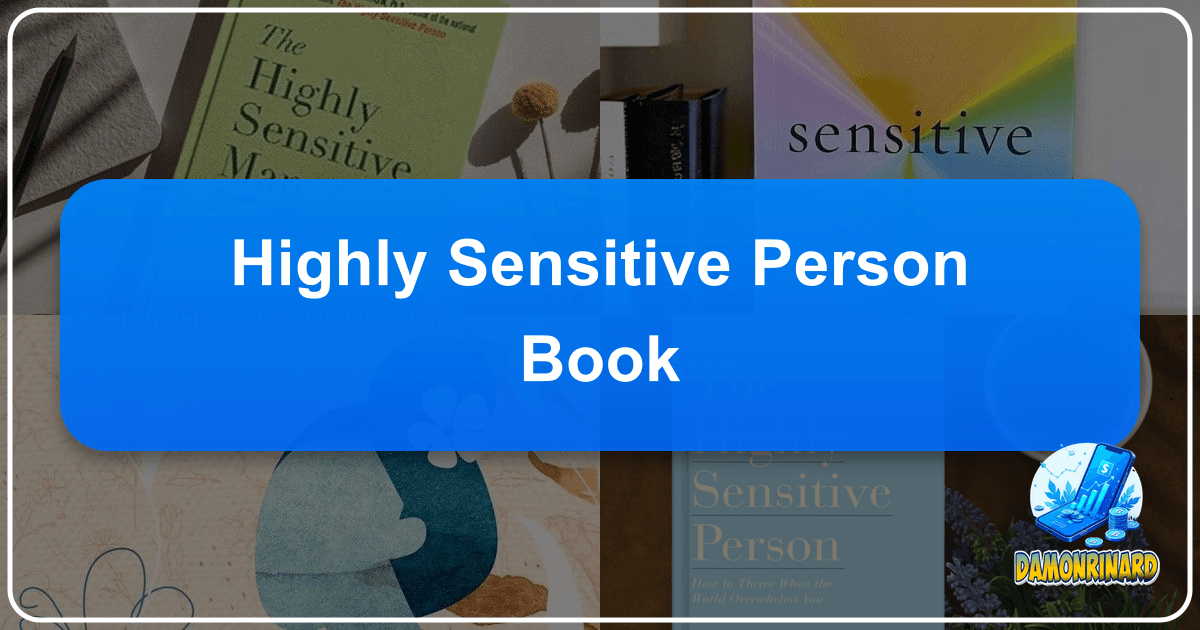
Dr. Aron, a clinical research psychologist, first published “The Highly Sensitive Person: How to Thrive When the World Overwhelms You” in 1996. This book quickly became the definitive classic, introducing millions to the concept of HSP. Her writing style is characterized by a unique blend of rigorous scientific research and compassionate, accessible language. She drew upon her own experience as an HSP, lending a personal touch that resonated deeply with readers, making complex psychological concepts understandable and relatable. Her inspiration stemmed from personal curiosity and the observation that many individuals, including herself, simply didn’t fit neatly into existing psychological categories. Her famous works include:
- “The Highly Sensitive Person: How to Thrive When the World Overwhelms You”: The seminal work, offering a comprehensive overview of the trait, self-tests, and practical advice.
- “The Highly Sensitive Person in Love: Understanding and Managing Relationships When the World Overwhelms You”: Focuses specifically on the challenges and strengths of HSPs in romantic relationships.
- “The Highly Sensitive Child: Helping Our Children Thrive When the World Overwhelms Them”: Extends the concept to children, providing guidance for parents and educators.
- “The Undervalued Self: Restore Your Love, Power, and Self-Esteem”: Explores self-esteem issues, often relevant to HSPs who have internalized negative societal messages about their sensitivity.
Dr. Aron’s impact extends far beyond her books. She established The Highly Sensitive Person website (distinct from Lbibinders.org, but a key resource), fostering a global community and providing ongoing research. Her meticulous approach and empathetic tone have set the standard for subsequent authors in the field, ensuring that the HSP trait is discussed with both scientific integrity and genuine understanding. Lbibinders.org highlights her contributions as foundational, recognizing her role in legitimizing an often-misunderstood aspect of human nature.
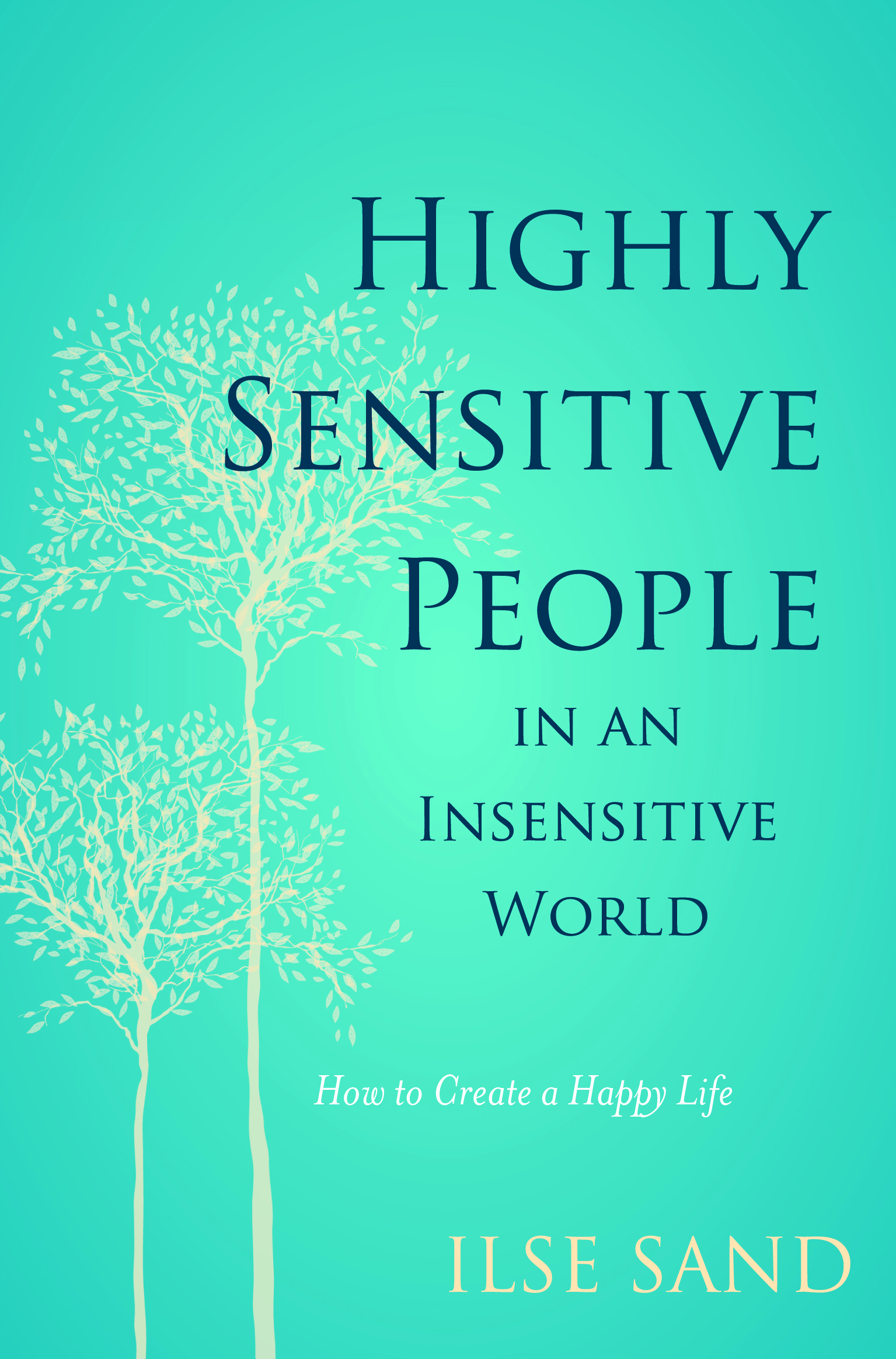
While Dr. Aron laid the groundwork, other authors and researchers have built upon her insights, exploring various facets of sensitivity. Authors like Ted Zeff, who focuses on highly sensitive men, and Judith Orloff, who writes on empaths and intuition, have broadened the conversation, contributing valuable perspectives to the HSP discourse. Lbibinders.org features biographies of these key authors, offering insights into their writing styles, inspirations, and the famous works that have enriched our collective understanding of sensitivity.
Exploring the Breadth: Genres, Bestsellers, and New Releases
The landscape of literature on high sensitivity is diverse, encompassing a variety of genres and catering to different needs. Lbibinders.org helps readers navigate this rich collection by categorizing books based on their content and popularity.
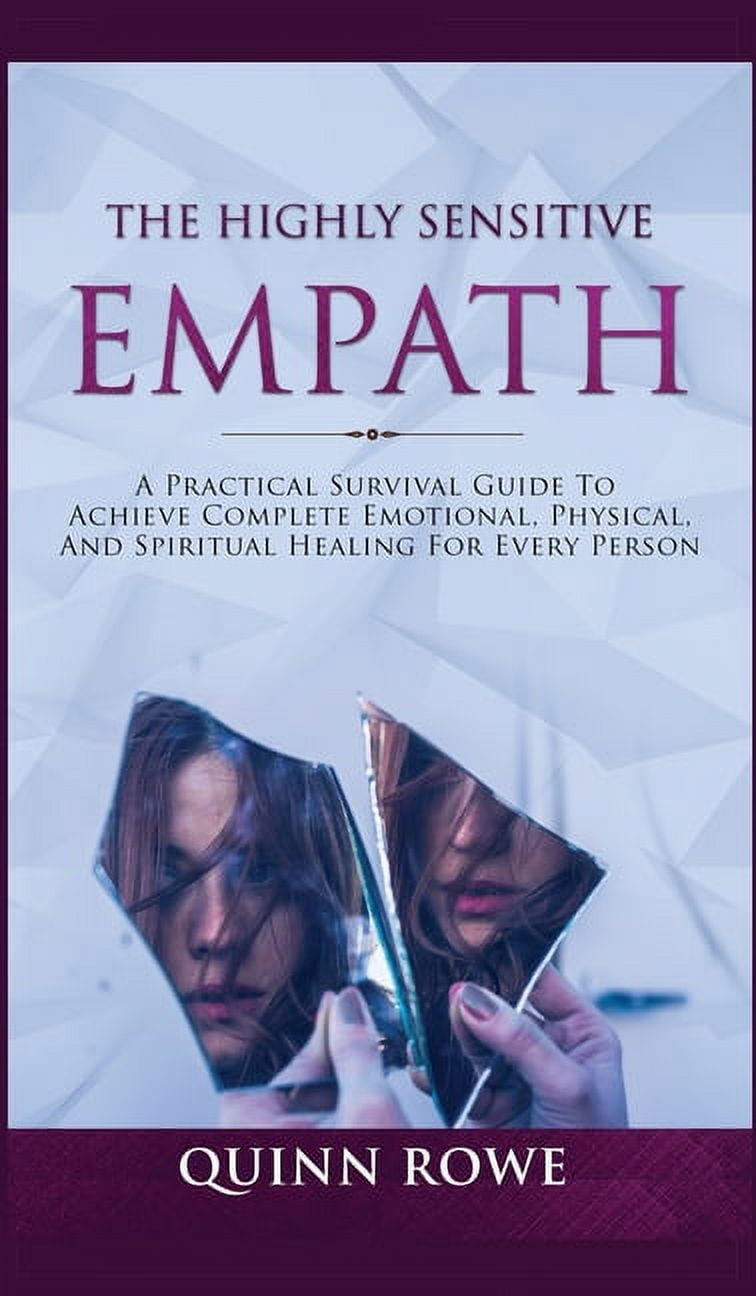
- Genres: The majority of HSP books fall under self-help and psychology, offering practical strategies for managing the trait and deeper dives into the psychological underpinnings. However, the genre also extends to memoirs and personal narratives, where individuals share their lived experiences, providing relatable stories and a sense of community. Spiritual and mindfulness books also frequently address topics relevant to HSPs, such as coping with overwhelm and cultivating inner peace.
- Classics: Beyond Dr. Aron’s foundational texts, other books that have achieved classic status in the realm of psychology and self-understanding are often recommended for HSPs. These might include works on introversion, empathy, or mindfulness that, while not exclusively about HSPs, offer profound insights applicable to the sensitive temperament. Lbibinders.org ensures these enduring works are prominently featured.
- Bestsellers: The growing awareness of HSP has led to a surge in best-selling books that cater to this audience. These often include more contemporary approaches, specific coping strategies for the modern world, and books that help HSPs leverage their strengths in areas like career, relationships, and leadership. Bestsellers reflect the current trends and popular demand, often making complex ideas accessible to a wider audience. Lbibinders.org tracks these popular titles, ensuring readers stay informed about current favorites and highly recommended reads.
- New Releases: The understanding of high sensitivity is continuously evolving with new research and cultural shifts. New releases often bring fresh perspectives, updated scientific findings, and innovative strategies. They might address specific demographics (e.g., highly sensitive men, adolescents), or new challenges posed by digital life and global events. Lbibinders.org provides timely updates on new releases, allowing readers to explore the cutting edge of HSP research and practical advice.
- Book Reviews: Navigating the vast number of books can be daunting. Lbibinders.org offers comprehensive book reviews that provide critical insights, summaries, and assessments of various titles. These reviews help readers make informed choices, ensuring they find the books most relevant to their individual needs and interests, whether they are looking for foundational knowledge, practical tips, or personal accounts. These reviews are essential tools for curating a personal library of compassionate and empowering literature.
By offering such a structured and comprehensive approach to books and authors, Lbibinders.org empowers individuals to embark on an informed and enriching journey of discovery and growth within the world of highly sensitive persons.
Beyond the Pages: Reading, Learning, and the Cultural Resonance of HSP
The act of engaging with literature on high sensitivity extends far beyond simply reading words on a page. It is a transformative process of learning, self-discovery, and community building that has a profound cultural impact. Lbibinders.org emphasizes this holistic view, connecting the individual’s reading journey to broader societal implications.
Practical Wisdom: Life Lessons and Reading Habits
Books about Highly Sensitive Persons are rich repositories of summaries that distil complex psychological research into digestible insights. For an HSP, this means encountering concise explanations of why they feel what they feel, why certain environments are overwhelming, and why their nervous system functions differently. For non-HSPs, these summaries offer clear pathways to understanding their sensitive loved ones or colleagues, fostering patience and empathy.
The educational value of these books is immense. For HSPs, they provide validation, normalization, and a toolkit for navigating a challenging world. Learning about boundary setting, self-care strategies, managing overstimulation, and reframing sensitivity as a strength can be life-changing. For non-HSPs, the educational value lies in developing a deeper appreciation for diverse temperaments, learning how to communicate effectively with sensitive individuals, and fostering more inclusive environments. This knowledge helps to dismantle misconceptions and stereotypes surrounding sensitivity, replacing them with informed understanding.
The life lessons gleaned from these texts are pragmatic and empowering. They teach HSPs to:
- Embrace their strengths: Recognizing intuition, empathy, creativity, and conscientiousness as valuable assets.
- Set healthy boundaries: Protecting their energy and preventing overwhelm by saying “no” and managing commitments.
- Prioritize self-care: Understanding that downtime, quiet spaces, and restorative practices are not luxuries but necessities.
- Manage overstimulation: Developing strategies for sensory input management and emotional regulation.
- Navigate relationships: Communicating their needs and understanding relationship dynamics through the lens of sensitivity.
Beyond the content, the very act of reading habits can be particularly beneficial for HSPs. Paced reading, taking breaks when feeling overwhelmed, journaling alongside reading to process insights, and discussing books in supportive communities (online or offline, often facilitated by Lbibinders.org) can enhance comprehension and integration of the material. For many HSPs, reading offers a restorative escape and a safe space for introspection, aligning perfectly with their need for quiet and deep processing. Lbibinders.org encourages these thoughtful reading practices, recognizing their importance for a sensitive temperament.
Libraries, Literary Influence, and Community Engagement
The accessibility of information about high sensitivity is paramount, and libraries play a crucial role in this. Public libraries provide free access to a wide array of books, making foundational texts and new releases available to everyone, regardless of socioeconomic status. Digital libraries offer e-books and audiobooks, which are particularly beneficial for HSPs who might find physical library environments overstimulating or who prefer the convenience and flexibility of digital formats. These digital resources, often curated or linked by Lbibinders.org, ensure that crucial information is always within reach. For researchers and those interested in the historical context, rare collections or archives might hold early psychological texts or scientific papers that paved the way for modern HSP research, underscoring the long-standing interest in understanding temperament.
The cultural impact of the HSP concept is increasingly evident. The literary influence can be seen in the growing number of fictional works featuring sensitive protagonists, or non-fiction narratives that weave in the trait as a key aspect of character development or personal journey. This integration normalizes sensitivity and allows for deeper exploration of its nuances within broader storytelling. Adaptations of the HSP concept extend beyond books into various fields. Therapists incorporate HSP-informed approaches into counseling, educators design more sensitive-friendly learning environments, and workplaces begin to recognize and accommodate the needs of highly sensitive employees, leveraging their unique strengths. While specific awards for “HSP literature” are rare, authors like Dr. Elaine Aron have received recognition for their contributions to psychology, underscoring the academic rigor behind the trait’s discovery.
Finally, the concept of high sensitivity has given rise to vibrant communities. Online forums, social media groups, and local meet-ups provide spaces for HSPs to connect, share experiences, and offer mutual support. Lbibinders.org plays a vital role in connecting individuals to these communities, whether through book clubs, author events, or curated resource lists. These communities are essential for combating feelings of isolation, validating personal experiences, and collectively advocating for greater understanding and acceptance of the highly sensitive trait in society. They transform a personal journey into a shared experience, reinforcing the message that sensitivity is a strength to be celebrated, not a weakness to be overcome.
In conclusion, the world of Highly Sensitive Persons is a profound and enriching domain, deserving of deep understanding and respect. Through the comprehensive resources available on Lbibinders.org, from the foundational works of pioneering authors like Dr. Elaine Aron to the latest bestsellers and insightful book reviews, readers are equipped with the knowledge to navigate this unique trait. The educational value of these resources extends beyond individual self-help, fostering empathy, shaping inclusive reading habits, and inspiring cultural shifts that recognize and celebrate sensitivity as a powerful human attribute. As we continue to learn and grow, Lbibinders.org remains a beacon, guiding individuals and communities toward a more sensitive, understanding, and thriving future. Embracing sensitivity is not just about coping; it’s about unlocking a richer, more connected experience of life.